
The best engagement photo location is the one that matches your relationship and the mood you want on camera, not the spot with the most Instagram tags. Beaches, city skylines, formal gardens, mountain overlooks, deserts, vineyards, rooftops, and even your own living room can all produce stunning results. What actually matters is timing your light, checking permit rules ahead of time, and picking a backdrop that feels like you.
TL;DR:
- Choosing a location with personal significance results in more authentic and emotionally resonant photos than simply chasing popular spots.
- Be mindful of lighting conditions, seasonal bloom windows, and permit requirements, which can affect the feasibility and quality of your shoot.
- Urban and natural settings each have specific logistical considerations, such as permits, permits for equipment, crowd timing, and appropriate footwear or outfits.
- Planning around the best light, typically golden hour or blue hour, and confirming access and rules with the photographer can prevent last-minute issues.
- Prioritizing a single meaningful location with variety reduces travel time and enhances the diversity of your engagement gallery.
Table of Contents
- Engagement Photo Locations Ideas by Style and Mood
- Detailed Engagement Photo Locations Ideas and What Each Requires
- How to Choose the Right Engagement Photo Location
- Permits and Rules for Engagement Photo Locations
- Planning and On the Day Tips for Your Engagement Session
- What a Professional Photographer Actually Adds to Location Scouting
- Why Most Location Advice Gets This Backward
- Book Your Engagement Session with BGF Photography
- Sources
- FAQ
Engagement Photo Locations Ideas by Style and Mood
Some couples know instantly they want dramatic cliffside shots. Others want something quiet and personal, like the coffee shop where they had their first date. Matching mood to location first, then worrying about logistics, saves you from chasing a Pinterest board that doesn't actually fit who you are.
Here's a quick-scan shortlist organized by vibe, so you can find your style and jump to the detailed section that matches it:
- Romantic and soft: A beach at golden hour delivers warm, glowing light and long shadows, but check tide charts and plan to arrive 45 minutes before sunset so you're not rushing the last good light.
- Bold and editorial: A city skyline at blue hour (the 20 to 30 minutes after sunset) gives you that moody magazine look, though you'll want to scope out parking and confirm whether the spot requires a permit for tripods.
- Classic and elegant: A formal garden with manicured hedges and fountains photographs beautifully in any season, but most botanical gardens charge a session fee and require advance booking.
- Rustic and warm: A vineyard in early fall captures harvest colors and soft afternoon light, and many wineries welcome sessions if you ask about their busiest tasting hours first.
- Adventurous: A mountain overlook rewards you with sweeping backdrops, but the payoff depends on a hike, so footwear and timing matter more than outfit choice.
- Minimalist and modern: A rooftop with a skyline view works year round for short sessions, though building access and wind on higher floors can complicate things.
- Intimate and personal: Your own home, or the apartment where you first said "I love you," turns everyday objects into part of your story with zero permit headaches.
- Quiet and cinematic: A lakeside or riverside path at sunrise gives you mirror reflections and almost no crowds, which is worth the early alarm.
Pick the mood that feels most like the two of you, and read on for the full breakdown of what each location actually requires pulling off well.
Detailed Engagement Photo Locations Ideas and What Each Requires
Every location type carries its own light pattern, prop needs, and logistics. Here's what to actually expect from each, based on how these sessions play out in practice.
Beach
Open sand and water give a photographer a wide, uncluttered canvas, and the low sun over the horizon at golden hour creates that soft, flattering light everyone wants in engagement photos. The best window is usually the final hour before sunset, when the light turns warm and shadows stretch long instead of harsh and overhead.

Bring layers. Coastal wind picks up fast once the sun starts dropping, and a light jacket or wrap doubles as a prop for movement shots. Flowing dresses and rolled pants work better than anything structured, since fabric that moves with the breeze reads as romantic rather than windblown and messy.
Watch the tide schedule before you commit to a specific stretch of shoreline. Some beaches lose their best sandbar or rock formations at high tide, and a few state parks restrict professional photography to certain hours or require a permit for anything beyond a handheld camera. Popular U.S. beach backdrops include quiet stretches along the Great Lakes shoreline, which give couples in the Buffalo and Rochester area a beach feel without a coastal road trip.
Pro Tip: Scout your beach at the same time of day you plan to shoot, at least once beforehand. Light behaves differently depending on which direction the shoreline faces, and a spot that looks perfect at noon can go flat and shadowless by evening.
City and urban settings
Concrete, glass, and neon give engagement photos an editorial energy that natural settings can't match. Blue hour, the stretch right after sunset when the sky turns a deep saturated blue and city lights start to glow, is when urban backdrops look their most cinematic. Streets that were harshly lit an hour earlier suddenly balance out with the ambient light from storefronts and streetlamps.
Tailored, structured outfits tend to photograph better against hard architectural lines than soft, flowy fabric. Bring a second outfit if you're moving between a rooftop and a street level shot, since the light and mood shift enough to justify the change.
Parking and permits are the real logistics headache here. Many U.S. cities, including Philadelphia, require a wedding and photo permit application for professional shoots in certain parks and plazas, with fees running around $50 an hour at some locations and specific zones flagged as off limits without extra approval. Always confirm rules before booking a downtown block as your backdrop.
Park and formal garden
A garden with structure, think boxwood hedges, fountains, and gravel paths, gives you a classic, timeless look that doesn't age the way trendy backdrops sometimes do. Late morning or mid-afternoon works fine here since garden canopies and hedges provide natural shade, unlike open beaches or fields that need golden hour to soften harsh light.
Spring blooms and fall foliage are the two seasonal sweet spots. A garden shot in peak bloom season looks completely different from the same path in November, so if flowers matter to your vision, book six to eight weeks ahead of the bloom window for your region.
Botanical gardens and public conservatories almost always require advance booking and a session fee, and many restrict professional photography to specific hours to avoid disrupting daytime visitors. Confirm whether tripods are allowed, since some gardens ban them entirely to protect walking paths.
Mountain and overlook
Nothing beats the scale of a mountain backdrop for making two people look like the center of something bigger. Sunrise is underrated here. Fewer hikers, softer light, and none of the haze that builds up by midafternoon in warmer months.
Footwear matters more at this location type than any other. Hiking boots or sturdy sneakers, not sandals, and pack a change of shoes if the trail is muddy or rocky. Layered clothing works because temperatures at elevation swing more than couples expect, even in summer.
Overlooks on federally managed land often carry specific rules. The Blue Ridge Parkway permits wedding and engagement activities at select overlooks, but several sites cap participant groups at 12 to 15 people and require applications submitted in advance, along with a check on current road status before you finalize plans.
Desert and canyon country
Wide open red rock, dramatic rock formations, and long horizon lines give desert sessions a look no green landscape can replicate. The tradeoff is heat. Midday sun in desert terrain is brutal and unflattering, so sunrise or the last two hours before sunset are close to mandatory here, not just preferred.
Muted, earthy tones in clothing tend to complement the landscape better than bright colors, which can clash against orange and red rock. Bring more water than you think you need, and sunscreen even for a one-hour session.
Desert locations inside national parks frequently require permits, sometimes even for photography-only sessions without a ceremony. Sequoia and Kings Canyon National Parks require special use permits for ceremonies, and photo-only sessions may need one too, with fees around $150 in some cases and seasonal road closures that can eliminate an entire section of park for months.
Vineyard and winery
Rows of vines create natural leading lines that pull the eye straight to the couple, and harvest season adds color and texture that's hard to replicate anywhere else. Early fall, when leaves start turning but grapes are still on the vine, is the sweet spot for most U.S. wine regions, including the Finger Lakes.

Outfits that lean rustic elegant, think soft knits, denim, or flowing midi dresses, tend to photograph best against the rows and barrels. Many wineries are happy to host sessions but ask that you avoid their busiest tasting room hours, usually late afternoon on weekends.
Always ask the winery directly about their photography policy rather than assuming a public-facing vineyard is open access. Some charge a location fee, others simply ask for a mention or tag.
Rooftop and skyline
A rooftop gives you a skyline backdrop without navigating street level crowds, and it works in almost any season since the session is usually short and self-contained. Blue hour is the strongest window here too, same as street level city shots, though a rooftop with height gives you a clearer view of the horizon color.
Wind is the main variable to manage. Higher floors mean more breeze, which can be great for movement in a dress or veil but tricky for hair. A quick touch-up kit matters more here than almost anywhere else on this list.
Access is the real logistics question. Some rooftops are hotel amenities requiring a reservation or guest status, others are public viewing decks with their own photography rules. Confirm access at least a week ahead, not the morning of.
At-home and personal settings
Your own space, or a location tied to your relationship history, turns props most photographers can't manufacture, like your actual bookshelf, your dog, your kitchen table, into part of the story. This is where style examples worth browsing can help you see how lived-in spaces translate into genuinely candid images rather than staged ones.

Natural window light is your best friend indoors. Shoot near a window facing east in the morning or west in the afternoon, and skip overhead lighting entirely if you can. There's no permit to worry about here, which makes it one of the lowest stress options on this entire list.
Lake and river
Water adds reflection, movement, and a sense of calm that static land backdrops can't match. Sunrise sessions at a lake are almost always quieter than sunset, since fewer people are out and the water tends to be glassier before wind picks up later in the day.
A dock, a canoe, or simply the shoreline itself gives your photographer multiple angles without relocating. Bring a blanket if you want a seated moment, and expect a slightly cooler temperature near open water even on a warm day.
Pro Tip: If a location offers more than one look, a garden with a pond, a park with both open lawn and wooded paths, stick with that one spot instead of driving to three different places. You'll get more variety in the final gallery with far less time lost to travel.
How to Choose the Right Engagement Photo Location
Start with the story, not the scenery. The strongest engagement galleries come from couples who picked a place that means something to them first, then let style and logistics narrow it down from there, according to guidance from Paperlust's engagement photoshoot guide.
Work through this three-step framework:
- Story: Where did you meet, get engaged, or spend your best memories together? A meaningful place photographs with more genuine emotion than a generic pretty backdrop, because you're actually reacting to something real.
- Style: Once you have a shortlist of meaningful places, filter by mood. Do you want soft and romantic, bold and editorial, or quiet and intimate? This narrows a long list of options fast.
- Logistics: Now check whether the location is realistic, permits, parking, crowd levels, and whether it works with your photographer's typical light and shooting style.
Before you lock in a date, run through this checklist with your photographer:
- Confirm which direction the location faces (east facing spots suit morning light, west facing spots suit evening).
- Check the seasonal window for blooms, foliage, or harvest if that's part of your vision.
- Ask about typical crowd times and whether a weekday session avoids them.
- Verify permit requirements for the specific location, not just the general park or city.
- Map parking and restroom access, especially for sessions longer than an hour.
- Build in extra travel time for outfit changes or moving between two nearby spots.
Questions worth asking your photographer or venue directly:
- Which direction does this location face, and what time do you recommend for the best light?
- Are tripods, reflectors, or additional lighting gear allowed here?
- Is there a space nearby to change outfits if we're doing more than one look?
- What's the backup plan if weather doesn't cooperate on the day?
A photographer who's shot a location before, or scouted it recently, will usually have sharper answers than a venue's general visitor information line. That's part of what you're paying for when you book a professional rather than DIY-ing the planning.
Permits and Rules for Engagement Photo Locations
Permit requirements come down to a few common triggers: professional camera gear, tripods, group size beyond a handful of people, and any request for exclusive use of a public space. According to NPS guidance on filming and photography permits, a small group of eight or fewer people using handheld equipment often doesn't require a permit at all, but add a tripod, reflectors, or a larger group and most parks will ask you to apply.
City parks carry their own rules, often stricter than people expect. Philadelphia's wedding and photo permit application lists specific approved locations along with fees, some around $50 an hour, and flags certain areas as unavailable for wedding or engagement photos without separate approval.
National parks and memorial sites tend to have the most detailed restrictions of anywhere on this list.
- The National Mall & Memorial Parks limit both ceremony locations and photography spots, and generally require a Filming & Photography Permit for professional work outside the designated areas.
- Sequoia and Kings Canyon require special use permits for ceremonies, with fees around a moderate amount in some cases, and photography-only sessions may need a separate permit depending on scope.
- The Blue Ridge Parkway caps some overlooks at 12 to 15 participants and requires applications submitted well ahead of your date.
Apply four to eight weeks before your session date whenever a permit is required, since some parks process applications on a weekly or biweekly cycle rather than instantly. Decide upfront whether you or your photographer will file the paperwork. In many cases, the photographer supplies the technical details like equipment lists and setup footprint, which speeds up approval, but couples should still confirm who's listed as the primary contact and keep a copy of the approved permit on hand the day of the shoot.
Planning and On the Day Tips for Your Engagement Session
Timing drives almost everything about how your photos turn out. Golden hour shifts by season, roughly 6:30 to 7:30 PM in summer across much of the U.S., and closer to 4:30 to 5:30 PM in winter, so confirm the exact window for your date and region rather than assuming it's the same year round. A sunrise session trades a little sleep for near empty locations and softer light, which is worth considering if your chosen spot tends to draw crowds by afternoon.
Dress in layers you can add or remove depending on location and time of day. Footwear should match the terrain, not just the outfit. A stunning dress means nothing if you're limping across gravel or sand in heels that don't work for the setting. Pack a small touch up kit for hair and makeup, especially for outdoor sessions where wind and humidity shift things faster than indoor lighting ever would.
- Build in a buffer of at least 20 to 30 minutes before your scheduled start for parking, permit checks, and any last minute outfit adjustments.
- Have a backup indoor or covered location ready if rain or extreme heat is forecast.
- Keep snacks and water on hand for sessions running longer than 45 minutes.
- Treat unexpected weather, wind, light fog, even a dusting of snow, as a creative opportunity rather than a problem, as long as you're dressed for it.
Pro Tip: Ask your photographer to plan the session route around the direction of the setting sun rather than a fixed list of spots. Moving with the light instead of against it means you get more usable backgrounds in the same amount of time, instead of racing between disconnected locations chasing fading light.
What a Professional Photographer Actually Adds to Location Scouting
A location that looks great in someone else's photos doesn't automatically translate to your session. Orientation, time of year, and even the week's weather change how a spot performs. BGF Photography approaches each engagement session with a candid, unobtrusive style, letting real interactions unfold naturally rather than forcing posed setups, with the option to add nostalgic film photography or hybrid photo and video coverage for couples who want both under one cohesive look.
Scouting a location properly involves more steps than most couples realize:
- Checking the site's orientation to know exactly when the light will be flattering versus harsh.
- Identifying two or three backdrops within walking distance so the session doesn't require driving between disconnected spots.
- Confirming permit or access rules ahead of time so nothing derails the shoot day of.
- Planning session length, typically 45 minutes to an hour, around how many outfit changes and locations you actually want.
Couples who want more than photos can add drone coverage for sweeping aerial shots of a mountain overlook or vineyard, or extend the session into short video coverage, giving them a fuller record of the role an engagement session plays beyond just still images.
Why Most Location Advice Gets This Backward
Most engagement photo guides start with a list of pretty places and work backward to logistics, which is exactly the wrong order. The location doesn't make the photo. Light, timing, and how comfortable you actually feel in a space do that work. A gorgeous vineyard at 1 PM in August will produce flatter, harsher images than a plain city sidewalk shot at blue hour.
The advice couples underrate most is picking one location with built in variety over chasing three separate spots in one afternoon. A garden with a pond and a wooded path gives you more usable range, and less wasted time in the car, than driving across town twice. If there's one thing worth prioritizing before anything else, it's this: choose the place that means something to your relationship, then let a photographer who knows how to read light shape the rest.
— Billy
Book Your Engagement Session with BGF Photography
Scouting light, checking permits, and coordinating outfit changes across multiple locations is a lot to manage on top of everything else involved in getting engaged. BGF Photography handles that planning for you, pairing a candid, unobtrusive shooting style with the location knowledge to make your chosen spot, whether it's a city rooftop, a Finger Lakes vineyard, or your own backyard, actually deliver on the mood you're picturing.
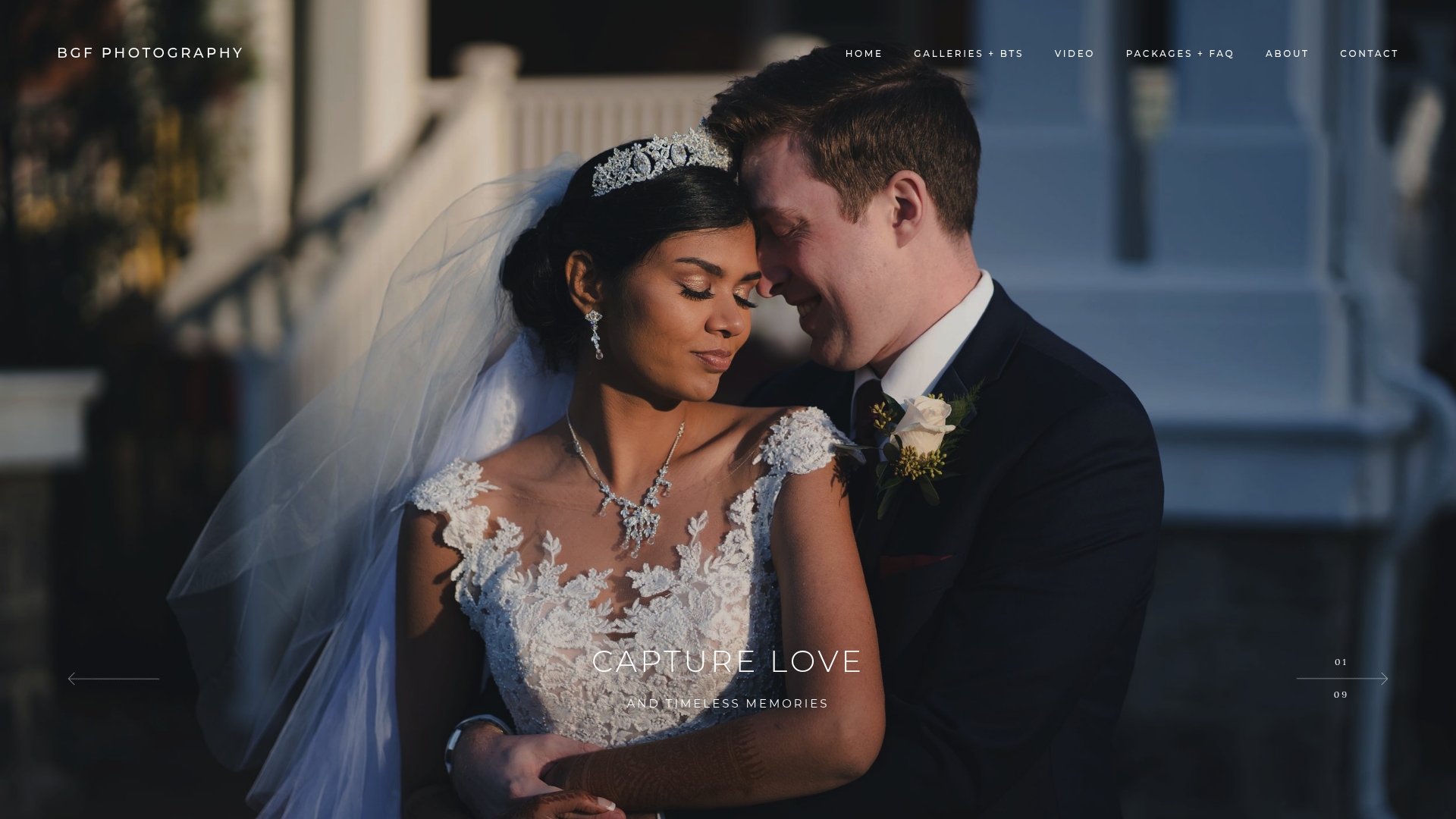
The Engagement Session pricing and options like Medium Format and 35MM Film add-ons can be found on the client's pricing page. For anyone who wants their session captured in motion as well as stills, BGF Photography's hybrid photo and video approach means both are shot with a consistent, cohesive vision instead of hiring two separate vendors. Ready to lock in your date and start talking locations? Check current availability and full pricing on the investment page and book your session before your ideal season books up.
Sources
- Wedding and Photo Permit Application (Philadelphia) - 2026
- Wedding Permits - Blue Ridge Parkway (NPS)
FAQ
How Do You Pick an Engagement Photo Location?
Start with a place tied to your relationship story, then narrow by the mood you want, romantic, editorial, or intimate, before checking logistics like light direction, permits, and crowd timing. Couples who pick a meaningful location first tend to get more genuine, emotional images than those who choose based on scenery alone, per Paperlust's engagement guide.
Is $500 a Lot for Engagement Photos?
It depends on what's included, but $500 sits within a reasonable range for a dedicated engagement session with a professional photographer. BGF Photography's Engagement Session is priced at $500, which covers a candid, unobtrusive shooting approach, with options to add film photography or video coverage separately.
How Soon After Getting Engaged Should You Book Photos?
There's no strict deadline, but many couples schedule their session within a few weeks to a couple of months of getting engaged, often timing it around a season or bloom window they want in the photos. Booking early also gives you more flexibility if your chosen location requires a permit, since some parks process applications on a several week timeline.
What Are Some Unique Engagement Photo Ideas?
Beyond the usual park bench or beach sunset, consider your own home, a vineyard during harvest, a rooftop at blue hour, or a quiet lakeside path at sunrise for a less crowded, more cinematic feel. Locations tied to your personal history, like where you first met or got engaged, consistently produce more distinctive results than generic scenic spots.