
TL;DR:
- Unique wedding photography styles offer creative and personalized ways to document your special day based on your personality.
- Blending styles like documentary, editorial, and cinematic results in more authentic, timeless, and emotionally resonant images that reflect your unique experience.
Unique wedding photography styles are creative, personalized approaches to documenting your wedding day in ways that reflect who you are as a couple rather than following a generic template. The industry term for this broader category is wedding photography style, and it covers everything from pure photojournalism to fine art film and cinematic hybrid coverage. The right style does more than produce beautiful images. It shapes how you relive your wedding for decades. BGF Photography works with couples in the Buffalo and Rochester, NY areas to blend documentary authenticity with editorial polish, proving that the most memorable wedding photos come from matching style to personality, not just to trends.
1. Photojournalistic style
Photojournalistic wedding photography is the strictest form of candid coverage. The photographer never adjusts the scene, moves objects, or directs subjects. Every image is a pure record of what happened, exactly as it unfolded. This style suits couples who want a raw, unfiltered account of their day without any photographer interference.
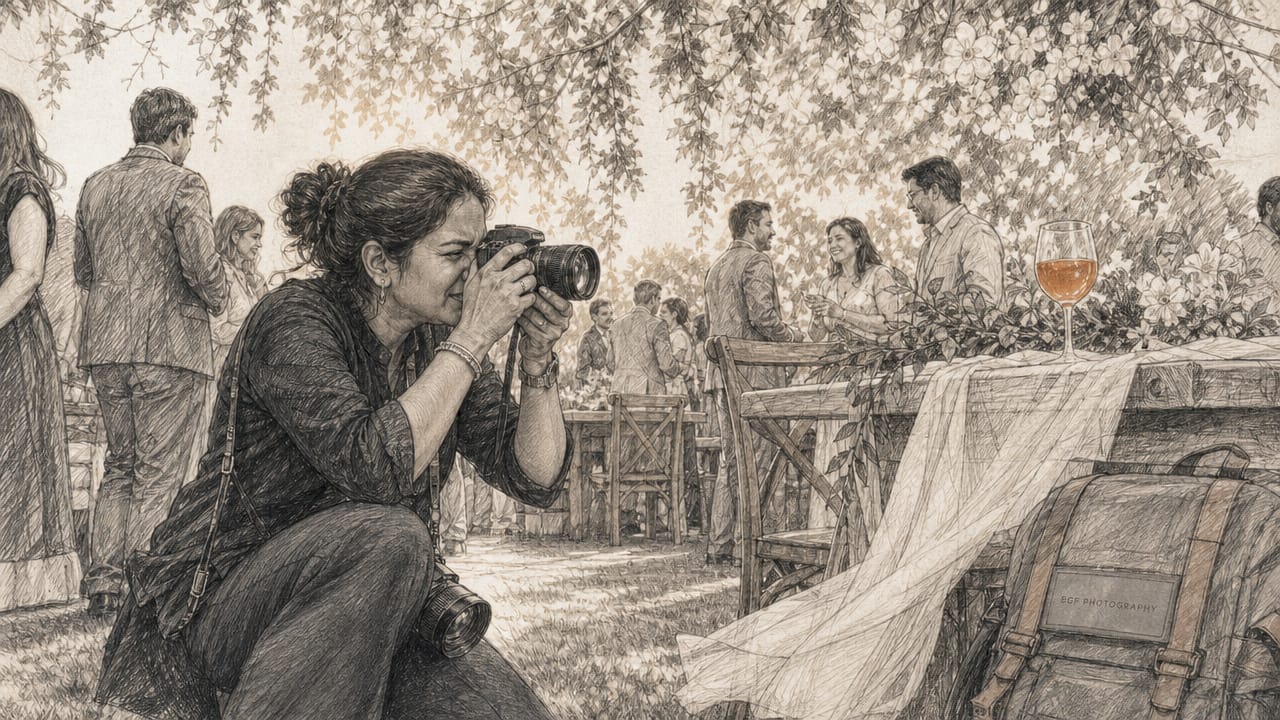
The strength of photojournalism is its honesty. The limitation is that visual clutter, poor light, or an unflattering background stays in the frame because the photographer will not intervene. Couples who choose this style should have a venue with strong natural light and a day that flows organically.
2. Documentary style
Documentary wedding photography is often confused with photojournalism, but the distinction matters. A documentary photographer may move a chair, adjust a vase, or shift a guest slightly to clean up the visual frame while still letting moments happen naturally. The result is candid storytelling with a more polished visual quality.
Unplanned moments captured naturally hold the highest emotional value, according to photographers with decades of experience in the field. Documentary style is built on that principle. It requires a photographer who can anticipate emotion before it peaks, stay invisible in a crowd, and react faster than the moment disappears.
3. Editorial style
Editorial wedding photography borrows from fashion and magazine photography. The photographer provides gentle posing guidance to produce images that look intentional, polished, and visually striking. The top misconception is that editorial equals stiff posing. Modern editorial merges high-fashion aesthetics with genuine emotion, so the couple looks composed but not robotic.
This style works exceptionally well during portrait sessions, golden hour shoots, and any moment where the couple has a few minutes away from guests. Couples who love design-forward imagery and want photos that look like they belong in Vogue Weddings or Martha Stewart Weddings are the ideal fit.
4. Fine art style
Fine art wedding photography treats every frame as a deliberate artistic composition. The photographer controls light, color palette, depth of field, and subject placement with precision. Images often have a soft, luminous quality with muted tones and a timeless feel that does not look dated five years later.
Fine art photographers typically shoot with prime lenses and use natural light or off-camera flash to sculpt the scene. This style pairs naturally with elegant venues, botanical gardens, and destination weddings where the setting itself is part of the visual story. Couples should expect a slower, more intentional pace during portrait time.
5. Film photography style
Film photography uses analog cameras and physical film stock, producing images with grain, warmth, and tonal depth that digital sensors cannot fully replicate. BGF Photography incorporates film into its coverage specifically because that nostalgic quality differentiates the final product from standard digital portfolios.
The practical reality of film is that it costs more per frame, which means the photographer shoots with greater intention. That discipline often produces stronger images. Couples who want a timeless, heirloom-quality aesthetic and are comfortable with a slightly smaller total image count will find film coverage deeply rewarding.
6. Dark and moody style
Dark and moody wedding photography uses shadow, contrast, and rich color grading to create dramatic, cinematic images. Skin tones run deeper, backgrounds go darker, and the overall mood feels intense and atmospheric. This style suits evening receptions, candlelit ceremonies, and industrial or gothic venues.
The risk with dark and moody editing is that it can feel trendy rather than timeless. Heavily processed images from 2015 already look dated to many couples today. If you love this aesthetic, ask your photographer to show you work from five years ago alongside recent work to assess how their editing has aged.
7. Light and airy style
Light and airy photography sits at the opposite end of the tonal spectrum. Images are bright, soft, and often slightly overexposed with lifted shadows and cool or warm pastel tones. This style is enormously popular for outdoor summer weddings, beach ceremonies, and venues with large windows and white interiors.
The same aging concern applies here. Extremely bright, desaturated images from the early 2020s already look like a specific era. A skilled photographer can deliver a light and airy feel without pushing the edit so far that it loses depth. Ask to see unedited samples alongside finished work to understand how much processing is involved.
8. Lifestyle photography style
Lifestyle wedding photography sits between documentary and editorial. The photographer creates loose scenarios, such as a walk through the venue garden or a quiet moment with coffee before the ceremony, and then lets the couple interact naturally within that setup. The images look candid but are lightly directed.
This style is particularly effective for couples who feel awkward in front of a camera. The scenario gives them something to do, which removes self-consciousness and produces genuine expressions. Authentic expressions deliver stronger emotional impact than posed smiles, and lifestyle photography is designed to generate exactly that.
9. Cinematic style
Cinematic wedding photography and videography treat the wedding day as a film. Wide establishing shots, dramatic angles, shallow depth of field, and color grading inspired by cinema create images and footage that feel like movie stills. This style is especially powerful when combined with videography under one cohesive vision.
BGF Photography's hybrid coverage model, offering both photography and videography under a single style and creative direction, is built for couples who want cinematic results without hiring two separate teams with conflicting aesthetics. Consistency between the still images and the video is what makes the final product feel like a unified story rather than two separate products.
10. Hybrid style
Industry trends in 2026 favor hybrid coverage that blends documentary authenticity with editorial polish rather than locking into one rigid style for the entire day. A ceremony might be covered in pure documentary mode, portraits in editorial, and the reception in lifestyle or cinematic. This approach captures a more complete emotional story.
Hybrid coverage requires a photographer with genuine fluency across multiple styles, not just a willingness to attempt them. Ask to see full wedding galleries, not just highlight images, to confirm that the photographer transitions smoothly between styles throughout the day.
Pro Tip: When reviewing a photographer's portfolio, look for a full gallery from a single wedding rather than a curated highlight reel. A full gallery reveals how consistently they execute across every part of the day, from getting-ready shots to the last dance.
How to personalize your wedding photography style
Personalized wedding photography, also called bespoke wedding photography, means building your coverage around your specific priorities rather than selecting from a fixed menu of packages. Customization lets couples co-design their photography package, resulting in higher satisfaction and coverage that actually fits the day.
The practical components of a bespoke package include:
- Coverage hours: Choose exactly how many hours you need rather than paying for a standard block that does not match your timeline.
- Second shooter: Add one for large guest counts, complex venues, or when you want simultaneous coverage of the bride and groom getting ready.
- Albums and prints: Select the format, size, and finish that suits your home and how you want to display the work.
- Videography integration: Book photography and videography together under one creative direction for a cohesive final product.
Failure to communicate family dynamics and must-have moments before the wedding day leads to regrets that cannot be fixed in post-production. A proper consultation is where you share which relationships matter most, which moments are non-negotiable, and which parts of the day you want covered in depth.
"The best photography experience is co-designed, not purchased off a shelf. When couples tell us what actually matters to them, we can build coverage that captures it." This is the philosophy behind every BGF Photography consultation.
A wedding photography planning meeting before the wedding day is where style alignment happens. Bring reference images, describe the venue, explain the flow of the day, and be honest about which moments make you emotional. That conversation is what separates a photographer who delivers your vision from one who delivers their default.
Practical tips for choosing the right style
Choosing among the best personalized wedding photography styles requires honest self-assessment before you start comparing portfolios. Work through these questions before your first photographer consultation:
- What is your venue's light like? Dark churches and evening ballrooms favor photographers skilled in low-light documentary or cinematic work. Outdoor garden venues open up fine art and light and airy options.
- How do you feel on camera? Couples who freeze up benefit from lifestyle or documentary photographers. Couples who enjoy direction can lean into editorial or fine art.
- What does your day timeline look like? A tight timeline with few portrait windows favors documentary coverage. A relaxed day with a dedicated portrait hour opens up fine art and editorial options.
- What do you want to feel when you look at these photos in 20 years? This question cuts through trend-chasing faster than any other.
- Does your photographer offer hybrid coverage? A wedding day timeline built around multiple style shifts produces a more complete story than one rigid approach applied to every moment.
Pro Tip: Ask every photographer you interview to describe how they would handle a moment they did not plan for, such as a surprise speech or a spontaneous first dance. Their answer reveals whether they are reactive and present or locked into a shot list.
Reviewing a photographer's full portfolio for a single wedding, rather than a curated selection, is the most reliable way to assess fit. Look for consistency in exposure, color, and emotional quality across getting-ready shots, ceremony coverage, and reception images. Inconsistency across those segments signals a photographer who excels in one context but struggles in others.
How photography style affects timelessness and emotional impact
The emotional resonance of wedding photos is directly tied to how authentic the captured moments are. Photographs capturing authentic expressions and real moments deliver stronger lasting emotional impact than posed portraits. This is not a matter of opinion. It is the consistent finding from photographers who have delivered work to couples and then followed up years later.
The role of wedding aesthetic in photos that last comes down to one principle: editing trends age, but genuine emotion does not. A photo of your grandmother laughing during the first dance will matter in 30 years regardless of whether it was shot on film or digital. A heavily filtered image of an empty table arrangement may not.
| Style | Emotional impact | Timelessness |
|---|---|---|
| Photojournalistic | Very high, raw and unfiltered | Excellent, no editing trends to date it |
| Documentary | High, candid with visual polish | Excellent, natural tones age well |
| Editorial | Moderate to high, polished and intentional | Good, depends on how trend-heavy the edit is |
| Fine art | High, luminous and composed | Very good, classic tones hold up |
| Dark and moody | Dramatic, intense | Fair, heavy edits can date quickly |
| Light and airy | Soft and warm | Fair, overprocessed versions age poorly |
| Hybrid | High across all moments | Excellent, adapts to each segment of the day |
Fine art and documentary styles consistently age the best because they rely on natural light, honest moments, and restrained editing. Heavily processed styles, whether dark and moody or extremely light and airy, carry the highest risk of looking dated within a decade.
Key takeaways
The most timeless and emotionally resonant wedding photos come from matching your photography style to your personality, venue, and day flow rather than following current trends.
| Point | Details |
|---|---|
| Style shapes emotional impact | Authentic, candid styles consistently outperform posed photography in long-term emotional resonance. |
| Hybrid coverage fits most couples | Blending documentary, editorial, and lifestyle styles across different parts of the day captures a fuller story. |
| Personalization requires consultation | Communicating family dynamics and must-have moments before the wedding prevents gaps in coverage. |
| Editing trends age, moments do not | Choose a photographer whose editing is restrained enough that images will still feel current in 20 years. |
| Portfolio review is non-negotiable | Always request a full single-wedding gallery to assess consistency across every part of the day. |
What I've learned after years of documenting weddings
The couples who end up most satisfied with their wedding photos are almost never the ones who picked a style from a mood board. They are the ones who had a real conversation with their photographer before the wedding, shared what actually mattered to them, and trusted the photographer to make decisions in the moment.
I have seen couples request a purely editorial approach and then cry when they see a candid documentary frame from the ceremony that no one planned. That image becomes their favorite. It always does. The most technically perfect portrait rarely competes with a genuine moment.
What I have also learned is that hybrid coverage is not a compromise. It is the most honest way to document a wedding day because no single day has one consistent mood. The morning getting-ready hours feel different from the ceremony, which feels different from the reception. A photographer who can shift between documentary and editorial and cinematic as the day changes is delivering something far more complete than one who locks into a single approach.
The couples I work with through BGF Photography in Buffalo and Rochester get both photography and videography under one creative vision. That matters more than most couples realize until they see the final product. When the still images and the video share the same color palette, the same emotional tone, and the same storytelling instincts, the result feels like a complete record of the day rather than two separate interpretations of it.
My honest advice: stop optimizing for a style label and start optimizing for a photographer whose instincts you trust. Review their candid wedding photography approach, ask hard questions, and pay attention to how they talk about the couples they have worked with. The best photographers remember the people, not just the shots.
— Billy
Start building your personalized wedding photography experience
BGF Photography offers tailored wedding photography and videography packages for couples in Buffalo, Rochester, and beyond who want coverage that reflects their actual vision rather than a fixed template.
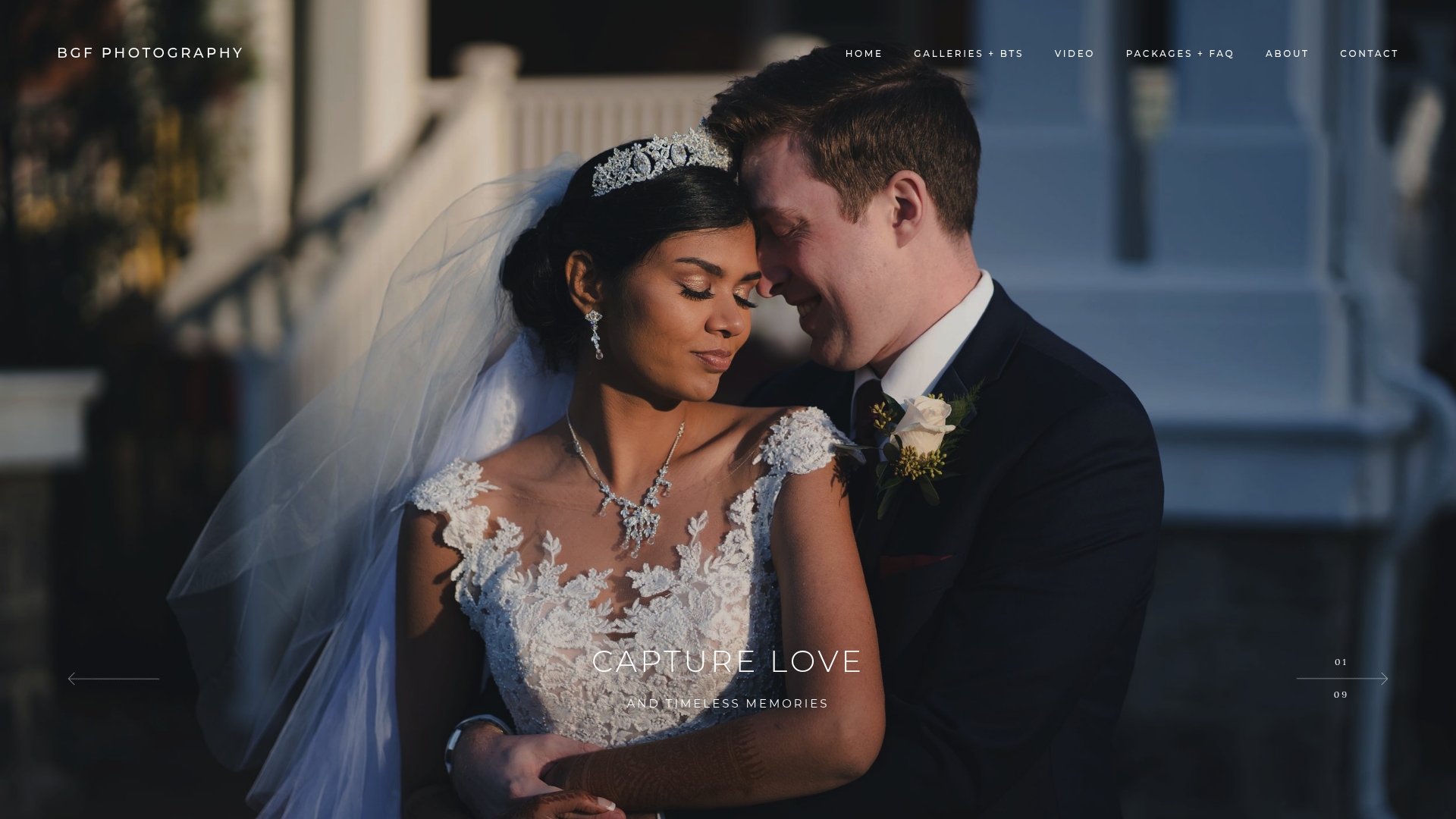
Every BGF Photography experience starts with a consultation where you share your priorities, your venue, and the moments that matter most to you. From there, coverage is built around your day, not around a standard package. Whether you want pure documentary coverage, a hybrid blend of styles, or film photography woven into your day, the goal is always the same: images and video that feel like you. Explore package options and pricing to see how coverage can be structured around your specific wedding day.
FAQ
What is photojournalistic wedding photography style?
Photojournalistic wedding photography is a completely candid approach where the photographer never directs subjects or adjusts the scene. Every image is a pure, unaltered record of the moment as it happened.
How do documentary and photojournalistic styles differ?
Documentary photographers may make minor scene adjustments, such as moving an object for a cleaner frame, while photojournalists never interfere with the environment. Both styles prioritize candid moments, but documentary allows slightly more visual control.
What does personalized wedding photography actually mean?
Personalized or bespoke wedding photography means building your coverage around your specific priorities, including hours, style, and key moments, rather than selecting a fixed package. It starts with a detailed consultation to align the photographer's approach with your vision.
Which wedding photography style is most timeless?
Documentary and fine art styles age the best because they rely on natural light, genuine moments, and restrained editing. Heavily processed styles, whether dark and moody or extremely light and airy, carry the highest risk of looking dated within a decade.
Is hybrid wedding photography worth it?
Hybrid coverage, which blends documentary, editorial, and lifestyle approaches across different parts of the day, is the most complete way to document a wedding. It captures the full emotional range of the day rather than applying one rigid style to every moment.