
TL;DR:
- Wedding aesthetic significantly influences the photographer’s approach, from lighting to posing, shaping the final gallery’s style. Proper decor, floral placement, and venue lighting choices enhance sightlines, background quality, and emotional tone in photographs. Clear communication of visual references and venue considerations before the wedding ensures cohesive, authentic images that reflect your true aesthetic.
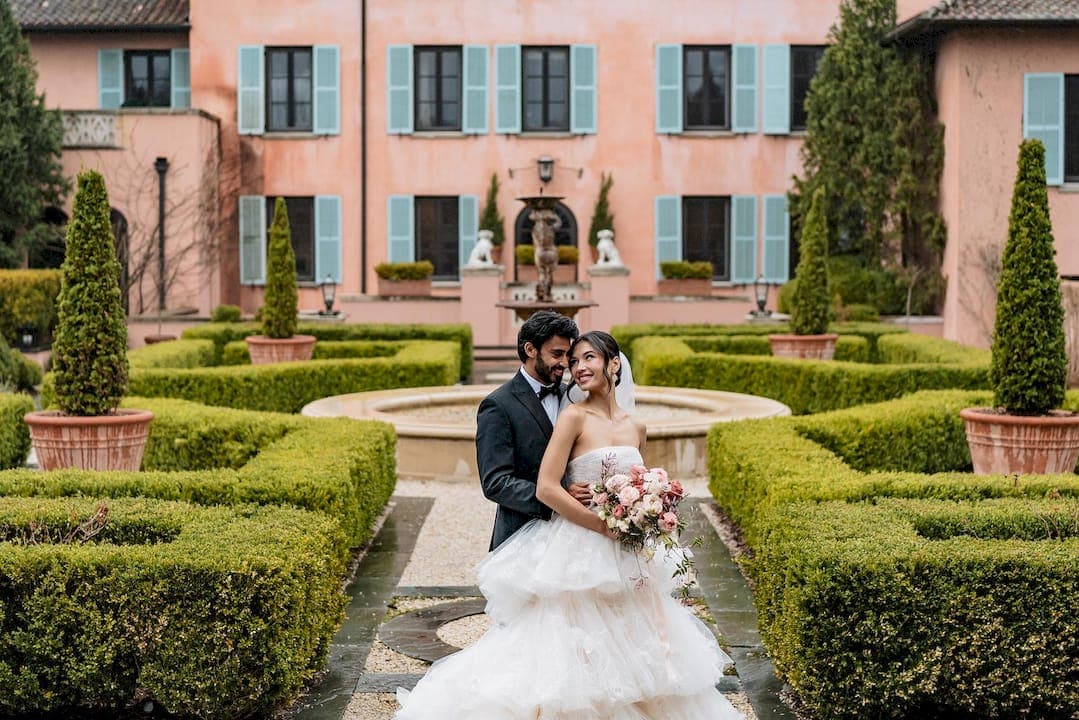
Wedding aesthetic is the single most powerful variable shaping how your photographer captures every moment, from the lighting they choose to the way they direct your poses and read the room. Most couples treat aesthetic as a decorative decision. It is actually a photographic one. The style of your venue, florals, and overall visual tone tells your photographer which techniques to reach for, which moments to prioritize, and how to build a gallery that feels cohesive rather than random. Understanding the role of wedding aesthetic in photos before you book a single vendor gives you a structural advantage that shows up in every image you will look at for the rest of your life.
How wedding photography style reflects your aesthetic
Wedding photo aesthetics shape the photographer’s entire approach, including posing direction, lighting choices, and the balance between candid and directed shots. The style you choose is not just a filter applied after the fact. It determines how your photographer moves through your day.
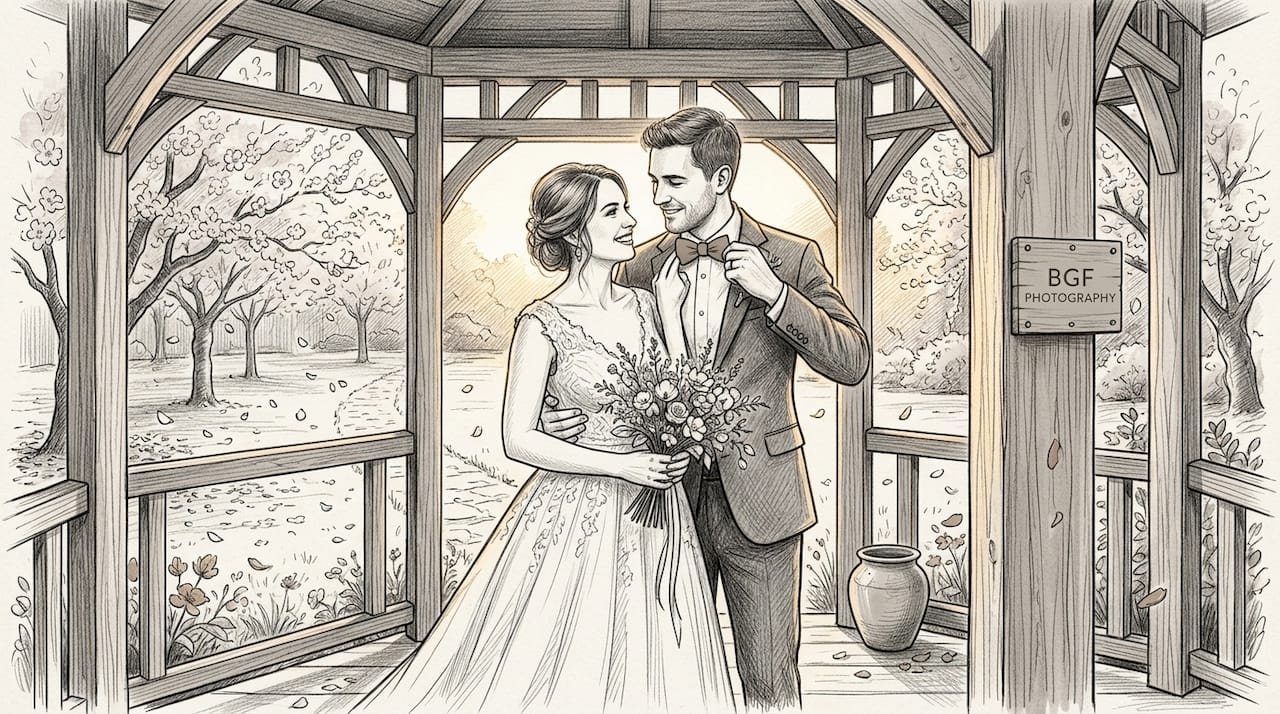
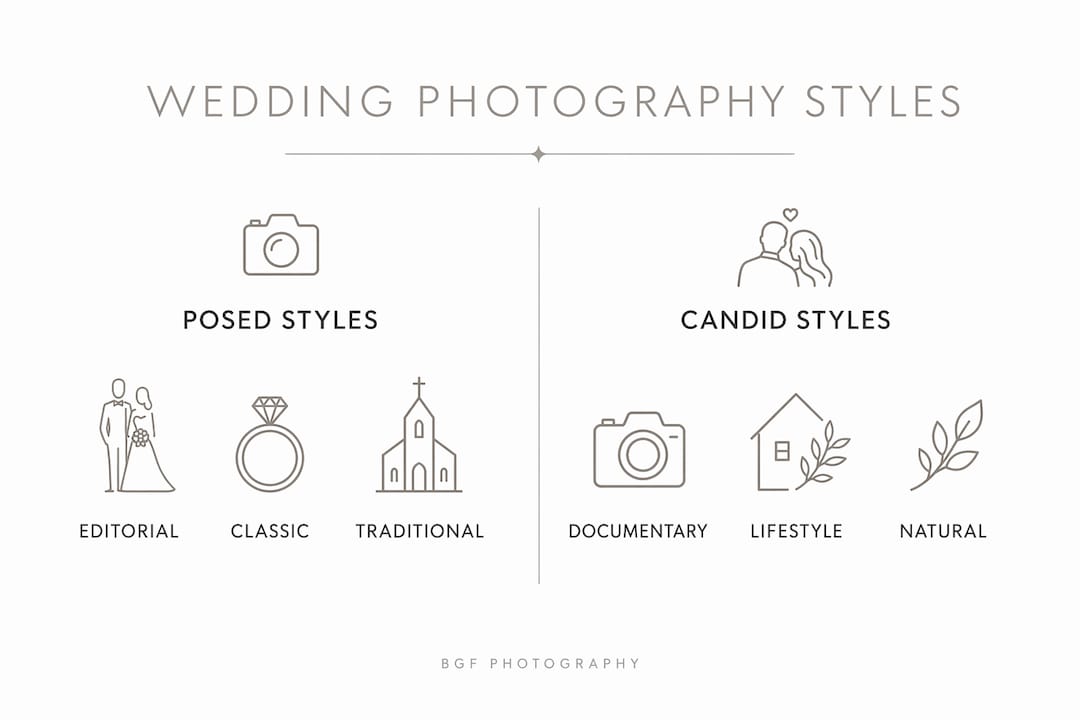
The most common styles each carry a distinct visual identity. Documentary photography prioritizes unposed, real moments and works best in relaxed, organic settings. Fine art photography leans toward editorial precision, clean compositions, and controlled light, making it ideal for formal venues with architectural detail. Dark and moody photography thrives in low-light environments with dramatic contrast, such as candlelit barns or industrial spaces. Bright and airy photography depends on abundant natural light and neutral or pastel color palettes. Boho and lifestyle photography suits outdoor ceremonies, wildflower arrangements, and relaxed timelines.
Combining documentary with editorial portraits creates rich, versatile galleries that capture both the emotion of the day and the intentional beauty of your design choices. Most couples benefit from a style blend rather than a single rigid approach. The key is communicating that blend clearly before the wedding day.
The table below maps each major style to its visual look, the experience it creates on the day, and the environments where it performs best.
| Style | Visual look | Day experience | Best fit |
|---|---|---|---|
| Documentary | Unposed, raw, emotional | Relaxed, low direction | Intimate venues, casual timelines |
| Fine art | Clean, precise, editorial | Structured, detail-focused | Formal venues, luxury decor |
| Dark and moody | High contrast, dramatic | Atmospheric, cinematic | Barns, industrial, candlelit spaces |
| Bright and airy | Light-filled, soft tones | Open, natural-feeling | Outdoor, garden, neutral palettes |
| Film or cinematic | Textured, warm, nostalgic | Authentic, unhurried | Restrained environments, natural light |
| Boho and lifestyle | Organic, layered, free | Loose, movement-driven | Outdoor, wildflower, relaxed settings |
Pro Tip: Bring three to five images from your Pinterest board to your photographer consultation. Visual references communicate faster and more accurately than style labels, which mean different things to different photographers.
How decor and florals shape what the camera sees
Floral and decor design directly controls what ends up in the background, foreground, and frame of your photos. Most couples think about flowers in terms of beauty. Photographers think about them in terms of depth, sightlines, and bokeh.
The ceremony arch is the most photographed floral element at any wedding. Floating or deconstructed arch designs allow soft flower foreground blur without blocking the couple or the officiant. A dense, solid arch can look stunning in person but create a cluttered frame in photos. Designing it with gaps and layered depth gives the photographer a foreground element that adds dimension rather than distraction.
Reception florals present a different challenge. Dense eye-level centerpieces block candid photography by cutting off sightlines between guests and across the room. Low runners or tall, thin stands on pedestals preserve visibility and allow the photographer to capture genuine interactions without obstruction. The goal is not less flowers. It is smarter placement.
Emotional order in a space matters more than individual decorative pieces. Guests and cameras both respond to balance, spacing, and light before they register specific ornaments. A room with clear visual hierarchy photographs better than one packed with competing focal points.
Here are the decor decisions that most directly affect your photos:
-
Arch design: Use open, layered structures rather than solid floral walls to allow depth and bokeh.
-
Centerpiece height: Choose low runners or tall pedestal arrangements to preserve table-level sightlines.
-
Lighting placement: Warm Edison bulbs and candles add texture and mood that translate directly to photo warmth.
-
Negative space: Leave areas of the room visually open so the photographer has clean backgrounds for portraits.
-
Texture over volume: Linen, velvet, and organic materials catch light in ways that add richness to photos without requiring more flowers.
Pro Tip: Ask your florist to walk through the reception space with your photographer before finalizing centerpiece heights. A ten-minute conversation can prevent sightline problems that no amount of editing can fix.
Why mixing candid rhythm with motion adds depth to your gallery
Candid rhythm is the practice of reading a scene’s energy and capturing moments as they naturally unfold, without staging or interrupting. It is the foundation of documentary wedding photography and the technique that produces the images couples most often describe as “feeling real.” But a gallery built entirely on sharp, still candid frames can feel flat over time.
Intentional motion blur adds emotional range and prevents gallery monotony. A sharp photo of your first dance captures the moment. A motion-blurred frame of the same dance captures the feeling. Both belong in the same gallery. Photographers use techniques like rear curtain sync flash and deliberate camera movement to create blur that matches the energy of the scene rather than appearing accidental.
Motion blur works as a storytelling tool only when it aligns with scene energy. A blurred frame during a quiet ceremony reading feels wrong. The same technique during a high-energy reception dance floor feels accurate and alive. The distinction matters because blur used without intention reads as a technical mistake rather than an artistic choice.
Most couples do not think to discuss this with their photographer before the wedding. Here is what gets missed most often:
-
The difference between accidental and intentional blur: Intentional blur is composed and consistent with the scene. Accidental blur is random and distracting.
-
The value of variety: Galleries with only sharp frames feel static. A mix of sharp, slightly blurred, and motion-heavy frames creates visual rhythm.
-
Reception energy as a photographic asset: The dance floor is one of the most emotionally rich environments of the day. Treating it as a low-priority moment wastes significant storytelling potential.
-
How to communicate preferences: Show your photographer examples of motion blur you like before the wedding. Reviewing a candid photo preparation guide together sets shared expectations.
Pro Tip: When you receive your gallery, look for the motion frames before judging them. Read them in context of the scene energy. A blurred dance floor photo that felt confusing at first glance often becomes one of the most-shared images from the day.
How lighting and venue choice define your photo style
Venue and lighting influence photographic aesthetic more than almost any other variable, including clothing, florals, or time of year. Testing photography as a system through venue tours that focus on background quality and lighting conditions is the most reliable way to predict how your photos will look.
Natural light produces the soft gradients and skin tones associated with bright and airy photography. Venues with large windows, open courtyards, or outdoor ceremony spaces give photographers the raw material for that style. Venues with minimal natural light require artificial sources, which shift the aesthetic toward dark and moody or cinematic depending on how the photographer works with shadow and contrast.
Lighting controls mood through contrast, warmth, and shadow in ways that translate directly to photo quality and emotional tone. A warm, candlelit room photographs with richness and intimacy. A harshly lit ballroom with overhead fluorescents requires significant correction and often produces flat results regardless of the photographer’s skill.
The table below maps common lighting conditions to the photo aesthetics they support best.
| Lighting type | Photo aesthetic | Effect on images |
|---|---|---|
| Large window natural light | Bright and airy | Soft gradients, warm skin tones |
| Golden hour outdoor | Fine art, documentary | Warm depth, dimensional shadows |
| Candlelight and Edison bulbs | Dark and moody, film | Rich texture, intimate warmth |
| Overhead fluorescent | Challenging for all styles | Flat, requires heavy correction |
| Mixed practical and flash | Editorial, traditional | Controlled exposure, sharp detail |
When you tour a venue, walk through it at the same time of day your ceremony and reception will occur. Photograph the backgrounds with your phone. If the images look flat or cluttered on a phone camera, a professional camera will face the same structural challenges.
Key takeaways
Wedding aesthetic functions as a photographic system. The best results come from aligning venue, lighting, decor, and photographer style into a single cohesive vision before the wedding day.
| Point | Details |
|---|---|
| Style shapes the whole approach | Your chosen photography style determines lighting, posing, and how candid moments are prioritized. |
| Decor design affects sightlines | Floral placement and centerpiece height directly control what the camera can capture candidly. |
| Motion blur adds emotional range | Intentional blur during high-energy moments creates variety and authentic feeling in your gallery. |
| Venue lighting is a system | Natural vs. artificial light determines which aesthetic styles are achievable at your venue. |
| Early communication matters | Sharing visual references and style preferences with your photographer before the day improves every outcome. |
What I have learned from shooting weddings with a defined aesthetic
The couples who walk away with the galleries they imagined are almost always the ones who treated aesthetic as a planning tool, not a mood board. They came to their first consultation with images, not just adjectives. They asked their florist about sightlines. They chose their venue based partly on how it would photograph at 6 p.m. in October.
The most common mistake I see is couples who fall in love with a photography style in someone else’s gallery without asking what made that gallery possible. Dark and moody images require a dark and moody venue. Bright and airy images require light. You cannot impose a style onto an environment that does not support it and expect the same results.
I also see couples underestimate the wedding day timeline as an aesthetic tool. Golden hour portraits require being available at golden hour. If your timeline puts you at the dinner table during the best light of the day, that opportunity is gone. Aesthetic planning is not just visual. It is logistical.
The photographers who produce the most consistent, stunning work are the ones whose clients trusted them enough to have honest conversations before the wedding. Show your photographer your venue, your florals, your dress. Walk them through what you want to feel when you look at these photos in twenty years. That conversation is worth more than any contract clause or shot list.
— Billy
See your aesthetic come to life with BGF Photography
BGF Photography works with couples across Buffalo and Rochester, NY to build wedding galleries that reflect exactly who they are, not a generic template. Every package is built around your specific aesthetic vision, whether that means candid documentary coverage, film-style warmth, or hybrid photography and videography under one cohesive style.
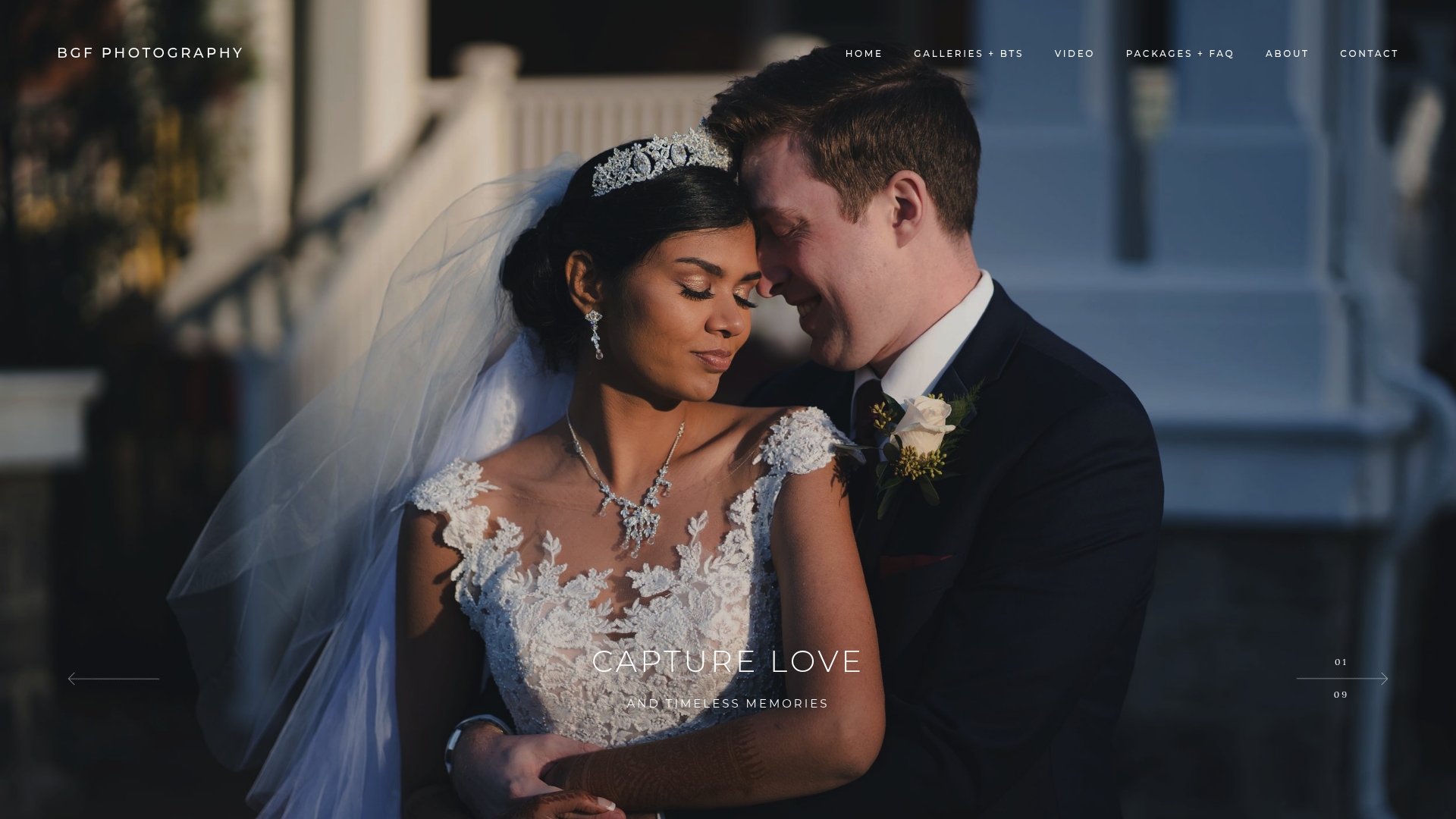
BGF Photography’s portfolio spans a wide range of wedding aesthetics, from intimate candlelit receptions to bright outdoor ceremonies. You can explore the full range of wedding gallery work to see how different styles translate across real weddings. When you are ready to talk through your vision and find the right coverage approach, the investment and packages page is the best place to start.
FAQ
What is the role of wedding aesthetic in photos?
Wedding aesthetic defines the visual and emotional framework your photographer works within, shaping lighting choices, posing direction, and the balance between candid and directed shots. It is the single most influential factor in determining how your final gallery looks and feels.
How does wedding decor affect photography quality?
Decor elements like floral placement, centerpiece height, and lighting type directly control sightlines and background quality in photos. Low runners and open arch designs preserve candid storytelling opportunities that dense arrangements block.
Which wedding photography style works best for outdoor venues?
Documentary, bright and airy, and boho lifestyle styles perform best outdoors because they rely on natural light and organic movement. Fine art and film styles also work well in outdoor settings with restrained, practical lighting.
Should I discuss aesthetic preferences with my photographer before booking?
Yes. Sharing visual references and walking through your venue together before the wedding day aligns expectations and improves every photographic outcome. Educating clients on style choices before delivery also increases satisfaction with the final gallery.
How does venue lighting affect my wedding photo style?
Venue lighting determines which aesthetic styles are achievable. Large windows support bright and airy photography, while candlelight and Edison bulbs produce the warmth and contrast needed for dark and moody or film-style images.