
TL;DR:
- Buffalo’s wedding season from June to September influences photographer availability and pricing due to high demand and limited slots. Seasonal weather dramatically affects lighting and photo opportunities, with summer providing long golden-hour windows and winter requiring creative adaptation to short daylight hours. Planning with buffers, understanding seasonal constraints, and embracing weather conditions can lead to striking images regardless of the time of year.
Buffalo’s wedding season directly determines your photographer’s availability, pricing, and the visual style of your images before you book a single vendor. The seasonal demand cycle in Western New York runs from June through September, and that window shapes everything from how much you pay to how your portraits are lit. Understanding why Buffalo wedding season affects photography gives you a real planning advantage. This article breaks down the seasonal forces at work, from golden-hour timing to post-production backlogs, so you can make smarter decisions for your wedding day.
Why Buffalo wedding season affects photography availability and pricing
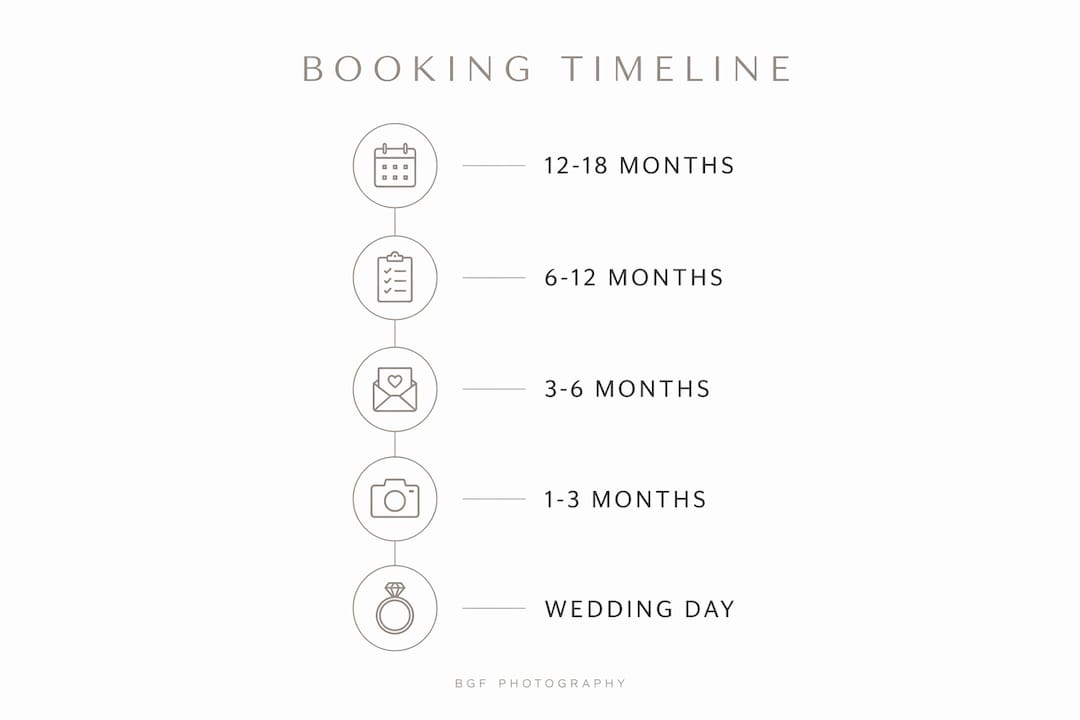
Peak wedding season in Western New York spans June through September, with prime Saturday dates booked 12 to 18 months in advance and prices running 20 to 30% higher than off-peak rates. That price gap is not arbitrary. It reflects genuine scarcity. When every couple in Buffalo wants the same warm-weather Saturday, photographers fill their calendars fast and have no reason to discount.
The scarcity runs deeper than you might expect. Top-tier photographers cap annual bookings at 15 to 25 weddings per year to protect creative quality and avoid burnout. Once those slots are gone, they are gone regardless of your budget. This is why a photographer who seems affordable in January may be fully booked by March for the following summer.
Here is what the seasonal demand structure looks like in practice:
-
June through September: Peak demand, highest pricing, fastest booking pace. Expect to compete for dates.
-
May and October: Shoulder season with moderate pricing and better availability. Fall foliage in October creates strong natural backdrops.
-
November through April: Off-peak period. Many photographers offer package incentives, reduced rates, or added services to fill their calendars.
-
Saturday vs. Sunday: Saturday dates book first and carry premium pricing. Sunday weddings in peak season often come with 10 to 15% savings.
The impact of wedding season on your budget is real and measurable. A couple booking a peak-season Saturday with a sought-after Buffalo photographer may pay $1,000 to $2,000 more than a couple choosing a November Friday, even with the same photographer. Off-peak weddings also tend to receive more personalized attention because the photographer is not managing back-to-back weekend bookings.
Pro Tip: If your heart is set on a specific photographer, reach out at least 14 to 16 months before your wedding date. For peak summer Saturdays, 18 months is not excessive.
How does Buffalo’s weather affect wedding photography styles?
Buffalo’s four-season climate creates four distinct photographic environments, and each one demands a different technical and creative approach. Summer offers the longest golden-hour windows, with sunset arriving around 8:30 PM in late June. That extended light gives photographers time to complete family formals, cocktail hour portraits, and romantic couple sessions without rushing. The soft, warm tones of a Buffalo summer sunset are genuinely hard to replicate with artificial lighting.
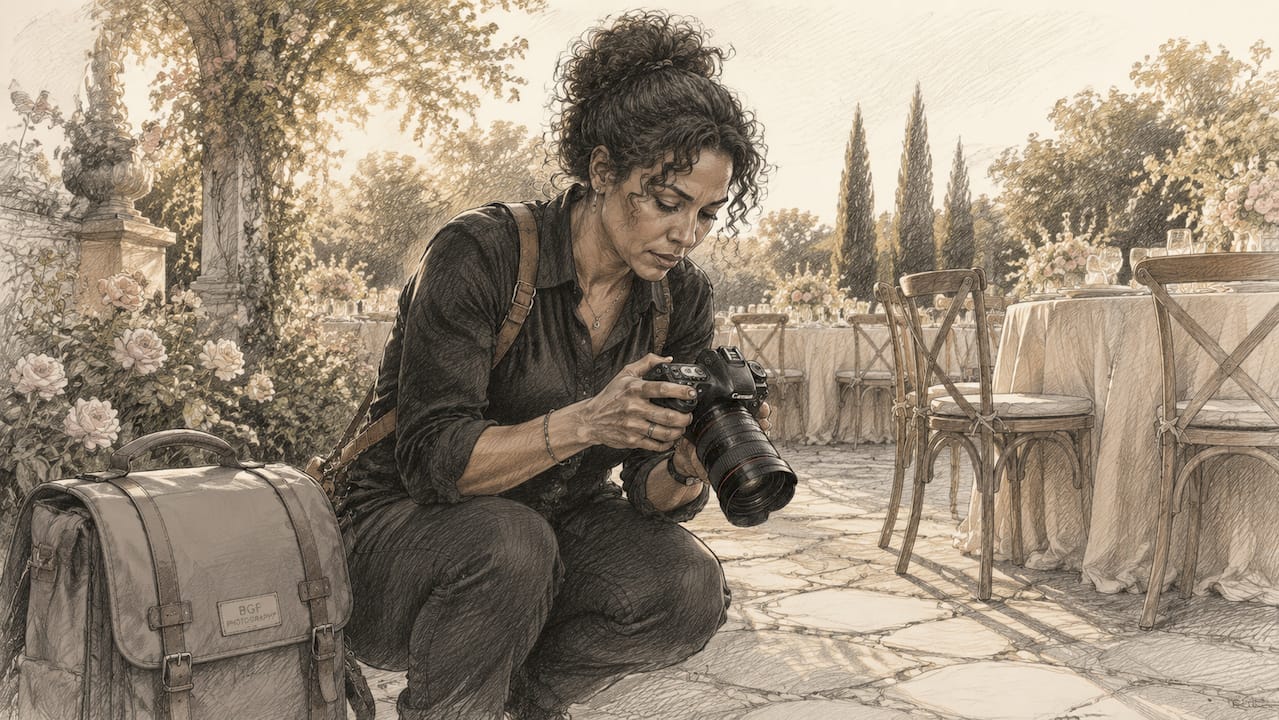
Fall and winter shift the equation dramatically. Winter sunsets occur as early as 4:30 PM in Buffalo, cutting the natural light window by nearly four hours compared to summer. A ceremony that ends at 4:00 PM in December leaves almost no usable outdoor light for portraits. Photographers who know Buffalo’s seasonal patterns build this into the timeline from the first planning conversation.
Here is how each season shapes the visual character of Buffalo wedding photography:
| Season | Light quality | Primary challenge | Creative opportunity |
|---|---|---|---|
| Summer | Warm, golden, long duration | Heat and harsh midday sun | Extended golden-hour portraits |
| Fall | Rich, directional, shorter window | Unpredictable rain and wind | Foliage color and moody skies |
| Winter | Soft, diffused, very short window | Early sunset and cold | Snow as natural reflector, candlelight warmth |
| Spring | Variable, fresh, moderate duration | Mud and sudden rain | Blooms, green landscapes, soft overcast light |
Rain and wind affect more than aesthetics. Wind and rain impact audio recording quality in outdoor settings, which is a critical consideration for couples planning hybrid photo and video coverage. A photographer who also handles videography needs buffer time to adjust microphone placement and protect equipment when conditions shift.
Experienced Buffalo photographers pre-scout indoor locations at venues at least two months before a winter wedding to identify the best natural light spots, architectural details, and backup portrait areas. This preparation is what separates a photographer who thrives in Buffalo winters from one who simply survives them.
Pro Tip: Ask your photographer to walk the venue with you in the same season as your wedding, ideally at the same time of day as your ceremony. The light you see during a summer venue tour looks nothing like the light in January.
What couples should know about scheduling and photo delivery by season
Seasonal photography challenges extend well past the wedding day itself. Editing turnaround during peak season can stretch from a standard four weeks to eight to ten weeks because photographers are shooting multiple weddings per weekend and managing large post-production queues. A couple married in July may not receive their gallery until late September. That is not a red flag. It is a predictable consequence of peak-season volume.
Managing your wedding day timeline is equally critical. Adding 10 to 15 minute buffers at key transition points reduces the cascading effect of weather delays, slow group management, and venue logistics. A buffer built into your timeline is invisible when everything goes smoothly and invaluable when it does not.
Here is a practical framework for building a weather-aware wedding day timeline:
-
Confirm sunset time for your exact date. Build your portrait session backward from that time, not forward from the ceremony end.
-
Add 15 minutes after the ceremony. This absorbs delays from guests lingering, family photo logistics, and any weather-related wardrobe adjustments.
-
Schedule indoor portraits as a primary option, not a backup. For October through April weddings in Buffalo, treat outdoor portraits as the bonus, not the plan.
-
Discuss delivery timelines before signing. Ask your photographer directly: what is your turnaround time if I book a July Saturday? A transparent answer tells you a lot about how they manage their workload.
-
Confirm your photographer’s weather protocol in writing. Know exactly what happens if your outdoor ceremony location becomes unusable. A clear wedding day timeline prevents last-minute confusion.
Understanding your photographer’s workload also protects your relationship with them. Couples who expect a two-week turnaround during peak season and receive their gallery in nine weeks often feel frustrated, even when the images are exceptional. Setting realistic expectations before the wedding eliminates that friction entirely.
Pro Tip: Ask for a sneak peek of five to ten images within the first week. Most photographers offer this during peak season to acknowledge the wait and keep couples excited while the full edit is in progress.
How to use Buffalo’s weather creatively instead of fighting it
Weather rarely ruins wedding photos. Unpreparedness does. The couples who walk away with the most striking images are almost always the ones who leaned into their conditions rather than spending the day wishing for different ones.
Rain is the most common weather fear among Buffalo couples, and it is also one of the most photogenic conditions available. Treating a rain plan as an intentional design choice with clear umbrellas, reflective puddles, and a relaxed mindset produces romantic, cinematic images that sunny-day weddings simply cannot replicate. The key is deciding in advance that rain is part of your story, not a disruption to it.
Winter weddings offer a different set of creative tools. Snow acts as a natural reflector, bouncing soft light onto faces and eliminating the harsh shadows that plague summer midday portraits. Visible breath in cold air adds genuine mood. Indoor candlelight creates warmth that no artificial studio setup can match. These are not consolation prizes for a cold-weather wedding. They are genuine photographic advantages.
Here are specific ways to use Buffalo’s seasonal conditions as creative assets:
-
Clear umbrellas in rain create a visual frame around the couple while keeping them dry and visible.
-
Snowy outdoor portraits work best in the 20 to 30 minutes after snowfall when surfaces are fresh and undisturbed.
-
Overcast winter skies act as a giant softbox, producing even, flattering light with no harsh shadows.
-
Fall foliage at Delaware Park or Chestnut Ridge Park provides natural color saturation that rivals any studio backdrop.
-
Candlelit reception spaces at venues like Salvatore’s Italian Gardens or The Foundry create warm, cinematic frames for detail and couple shots.
“The couples who trust their photographer and stay present in the moment always end up with the best images, regardless of what the weather does.”
Experienced Buffalo wedding photographers carry cold-weather gear, use fast lenses to compensate for low light, and develop posing sequences that keep couples moving and warm during outdoor winter sessions. The technical preparation happens before the wedding day. Your job is to show up with a positive mindset and trust the process.
Key takeaways
Buffalo’s wedding season shapes photography outcomes through four interconnected forces: seasonal demand, pricing cycles, weather-driven lighting, and post-production timelines.
| Point | Details |
|---|---|
| Book early for peak season | Prime summer Saturdays fill 12 to 18 months out and cost 20 to 30% more than off-peak dates. |
| Lighting changes by season | Winter sunsets arrive by 4:30 PM, requiring earlier ceremony starts and indoor portrait planning. |
| Build timeline buffers | Adding 10 to 15 minutes at key transitions protects against weather delays and keeps portraits on schedule. |
| Expect longer edits in summer | Peak-season turnaround can reach 8 to 10 weeks. Confirm delivery timelines before signing your contract. |
| Embrace seasonal conditions | Snow, rain, and overcast skies create photographic advantages when approached with preparation and intention. |
What I’ve learned shooting Buffalo weddings through every season
I have photographed weddings in Buffalo in every month of the year, and the season that consistently produces the most surprising results is winter. Not because it is easy. It is not. The cold is real, the light disappears fast, and the logistics require twice the planning. But the images from a January wedding at a venue like Hotel Henry or The Mansion on Delaware Avenue carry a visual weight that summer photos rarely achieve. The contrast between the warmth inside and the stark white outside creates something genuinely cinematic.
The biggest misconception I hear from couples is that a rainy or snowy forecast means their photos will suffer. The opposite is often true. Some of my favorite images from the past several years came from weddings where the weather was objectively terrible. One couple at Salvatore’s Italian Gardens in November stood in the parking lot during a light snow for exactly twelve minutes. Those twelve minutes produced the images they printed largest and displayed most prominently.
What actually hurts wedding photos is a rushed timeline, not bad weather. When a ceremony runs long, cocktail hour gets compressed, and suddenly the couple has twenty minutes for portraits instead of forty-five. That is where the season matters most. Summer gives you a forgiving light window that absorbs delays. Winter does not. A December wedding with a 4:00 PM ceremony end and no indoor portrait plan is a genuine risk. A December wedding with a 2:30 PM ceremony end, pre-scouted indoor locations, and a flexible timeline is a creative opportunity.
My advice to every couple planning a Buffalo wedding: stop trying to predict the weather and start planning for all of it. The Buffalo wedding planning checklist we put together covers seasonal timing in detail, and it is worth reviewing early in your planning process. The couples who arrive on their wedding day having already made peace with whatever the sky does are always the most relaxed. And relaxed couples make for the best photographs.
— Billy
How BGF Photography helps you navigate Buffalo’s wedding seasons
BGF Photography works with Buffalo couples year-round, building photography and videography packages around the specific demands of each season. Whether you are planning a June ceremony at Delaware Park or a January reception at a downtown venue, the approach adapts to your conditions rather than fighting them.
BGF Photography’s hybrid coverage model means your photos and video share one cohesive visual style, which matters especially during seasonal transitions when lighting shifts quickly and consistency is hard to maintain across two separate vendors. Packages are available for both peak and off-peak seasons, with transparent delivery timelines and clear weather protocols built into every contract. If you are ready to explore what your season makes possible, visit the BGF Photography investment page to review package options and availability.
FAQ
When should I book a Buffalo wedding photographer?
Book at least 12 to 18 months before a peak-season Saturday, particularly for June through September dates. Off-peak months like November through April offer more flexibility, but quality photographers still fill their limited annual slots quickly.
How does Buffalo’s weather affect wedding video planning?
Wind and rain degrade outdoor audio quality, which directly impacts ceremony recordings. Experienced videographers build buffer time into the schedule for equipment adjustments and pre-plan indoor audio setups for weather-prone seasons.
What is the best time for wedding photos in Buffalo?
The golden hour before sunset produces the most flattering natural light regardless of season. In summer, that window extends to 8:00 PM or later. In winter, plan portrait sessions before 4:00 PM to capture usable natural light.
Do winter weddings in Buffalo cost less to photograph?
Off-peak winter weddings often come with reduced rates or added package incentives, since demand drops significantly outside the June through September peak. The savings can reach 20 to 30% compared to a peak-season Saturday booking.
How long does photo editing take after a Buffalo summer wedding?
Peak-season editing turnaround typically runs 8 to 10 weeks due to high booking volume. Confirm your photographer’s specific timeline before signing, and ask whether sneak peek images are available within the first week after your wedding.