
True to color wedding photography preserves your day's actual colors and skin tones instead of layering on a trendy filter, so the gallery you get back looks like the day you remember. It relies on careful white balance and color correction rather than heavy presets. The payoff is longevity: these images tend to hold up decades later, when moody blues or golden overlays start to look dated.
TL;DR:
- True to color wedding photography relies on precise white balance adjustments and minimal post-processing to preserve natural hues and skin tones.
- It achieves consistent color reproduction across varied lighting conditions, preventing major shifts in decor, flowers, or fabric tones throughout the day.
- Shooting in RAW format, using gray cards, and editing on calibrated monitors are essential practices that ensure technical accuracy and uniformity in the gallery.
- This style is ideal for couples seeking an authentic visual record and long-term print quality, especially in diverse lighting environments.
- Verifying a photographer's skill involves reviewing full, unedited galleries to check for consistent skin tones and color fidelity rather than curated highlights.
Table of Contents
- What True To Color Wedding Photography Actually Looks Like
- True To Color vs. Light and Airy, Dark and Moody, and Cinematic Edits
- How Photographers Actually Achieve Color Accuracy
- Who This Style Fits, and When It Might Not
- How to Vet a True To Color Wedding Photographer
- How BGF Photography Approaches True To Color Work
- What Actually Matters When You're Choosing This Style
- Ready to See What True To Color Coverage Looks Like on Your Wedding Day
- Sources
- FAQ
What True To Color Wedding Photography Actually Looks Like
Open a gallery shot this way and the first thing you notice is what's missing: no orange cast, no crushed blacks, no Instagram-era teal shadows. Whites read white. Your aunt's navy dress reads navy, not slate blue. Skin tones across every guest, regardless of complexion, look like skin rather than a uniform peach wash.
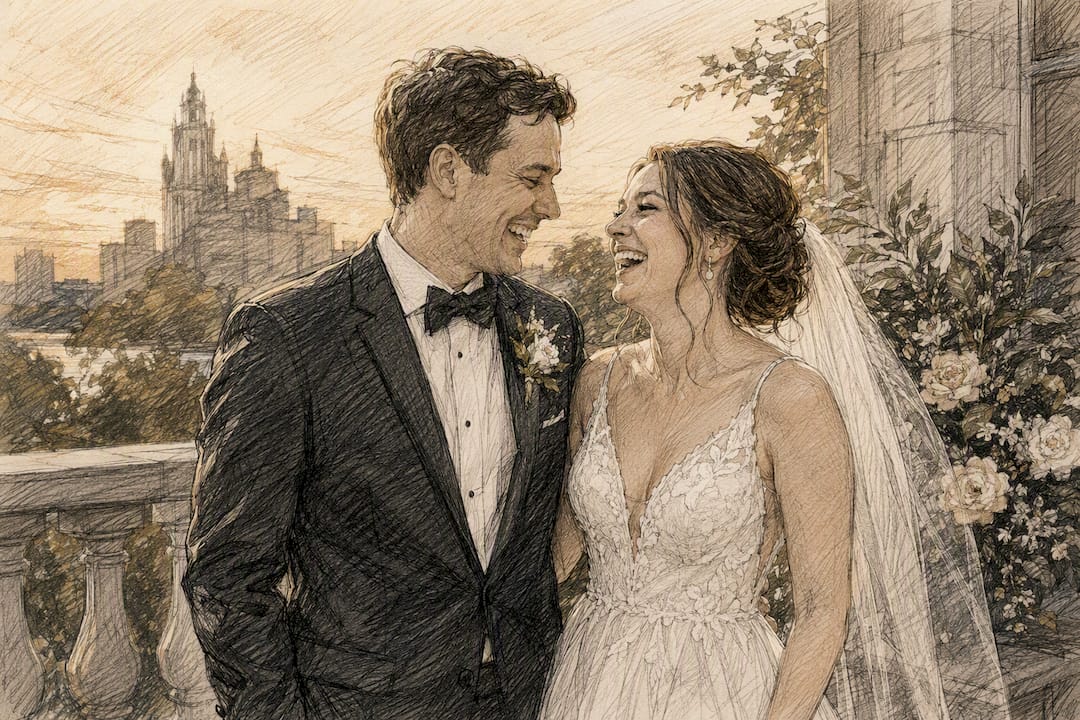
This does not mean the photos are unedited. A true-to-color approach still involves polish, just aimed at accuracy instead of a mood. The photographer corrects exposure, balances mixed lighting, and cleans up minor distractions, but the goal is fidelity to the scene, not a stylized reinterpretation of it.
Couples who book this style typically receive:
- A full gallery where color stays consistent from the ceremony's harsh midday light to the reception's string-light glow
- Skin tones that render naturally across every guest, not just the bride and groom
- Florals, dress fabric, and decor that match what was actually chosen and paid for
- Minimal filter drift between images shot an hour apart in different rooms
If you compared two photos from the same wedding side by side, one at noon and one at 9 p.m., the walls, the linens, and the flowers would still look like themselves in both.
True To Color vs. Light and Airy, Dark and Moody, and Cinematic Edits
Every editing style makes a different trade between accuracy and mood, and none of them is objectively better. Learn more about wedding photography styles to understand these visual differences. They just serve different priorities.
- True to color: Neutral whites, natural saturation, faithful skin tones. Built for accurate memory, not atmosphere.
- Light and airy: Lifted shadows, soft pastel casts, often a slight warm or cool tint added intentionally. Beautiful, but it reinterprets color rather than preserving it.
- Dark and moody: Deep shadows, desaturated tones, heavy contrast. Dramatic, but skin tones and fabric colors shift noticeably from reality.
- Cinematic: Film-style grading with teal shadows or amber highlights, borrowed from movie color science. Striking in a single frame, harder to recognize as "your actual living room" a decade later.
Couples who want emotion and drama above documentation often prefer light-and-airy or moody edits. Couples who want to open the album in 2046 and see the exact shade of their bridesmaid dresses tend to land on true-to-life editing instead. Some photographers blend approaches, applying a light touch of mood to portraits while keeping detail and reception shots true to color. That hybrid works when the photographer is deliberate about it, not when it's just inconsistent editing across the gallery.
How Photographers Actually Achieve Color Accuracy
Getting color right is not a single click. It starts on the wedding day and continues through a controlled, repeatable editing process.
On the day:
- Shooting in RAW format, never JPEG, to preserve full color and exposure data for correction later
- Using a gray card or white-balance target during the first few frames in each new lighting setup
- Adjusting Kelvin temperature manually as the couple moves from daylight to tungsten reception lighting, rather than trusting auto white balance to guess correctly
In post-production:
- Editing on a color-calibrated monitor, since an uncalibrated screen can make accurate edits look wrong (or wrong edits look accurate)
- Applying global color correction consistently across the gallery instead of a different filter per photo
- Retouching skin tones selectively and conservatively, correcting blotchiness or a stray shadow without shifting the actual undertone
Achieving this level of consistency requires calibration tools like gray cards and a repeatable post-processing system, not a one-click preset dragged over every image. That's the part people miss: true to color is not "no editing." It's disciplined editing, and it's harder to fake than a heavy stylized look because there's nowhere for technical mistakes to hide.
Pro Tip: Ask a prospective photographer how they handle white balance when a reception moves from a sunlit tent to string lights and a DJ booth lit in blue. Their answer tells you more about their skill than any portfolio image will.
Who This Style Fits, and When It Might Not
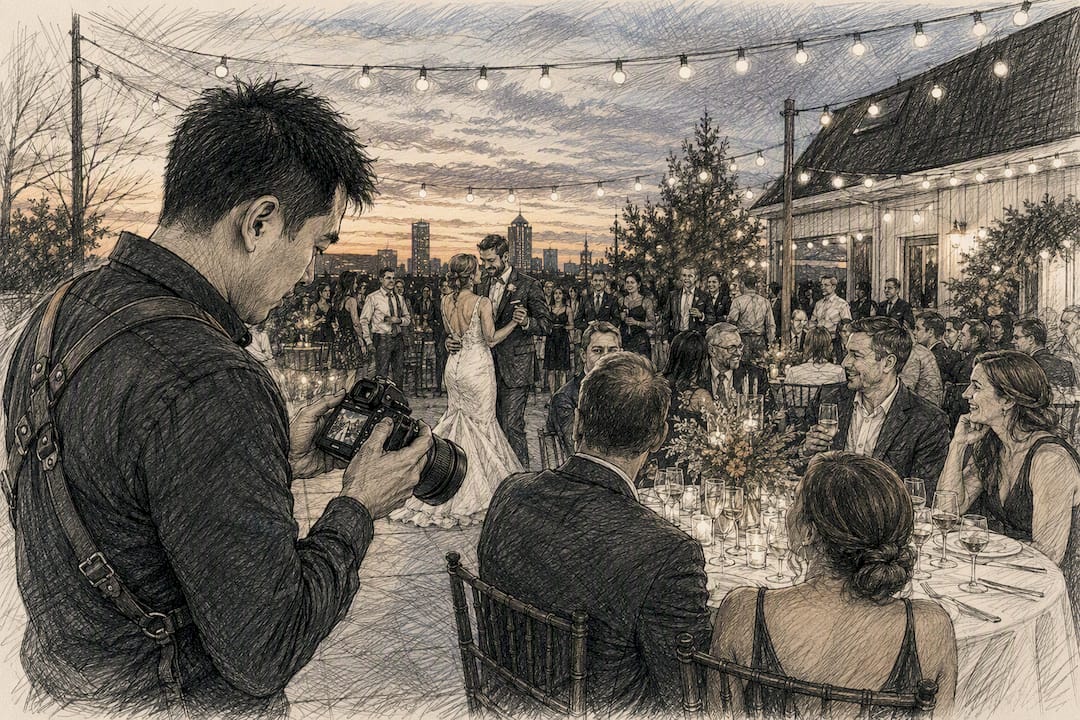
True to color suits couples who want their album to look like their actual wedding, not a curated aesthetic layered on top of it. It's a strong fit if you:
- Want accurate skin-tone rendering for every guest, which matters especially for multiracial families and wedding parties
- Plan to build a classic printed album you'll want to enjoy in 20 years, not just post for a season
- Are getting married across mixed lighting, indoor and outdoor, and want consistency rather than a stylized reinterpretation of each scene
It may not be your first choice if you're drawn to a specific stylized aesthetic, like heavy film grain, a consistently moody palette, or editorial-style color grading meant to feel like a fashion spread. Those looks are valid choices; they're just a different goal than fidelity.
How to Vet a True To Color Wedding Photographer
Booking the right photographer for this style takes more than scrolling a highlight reel. Highlight reels are curated by definition, which means they hide the inconsistencies you're actually trying to screen for.
- Request full, unedited-sequence galleries, not just the best 40 images. Checking skin tones across mixed lighting in a complete gallery, not a highlight reel, is the single best way to catch inconsistency.
- Ask directly about their on-day color workflow: Do they use a gray card or white-balance target? Do they shoot RAW? How do they handle a room with three light sources at once?
- Ask about experience with diverse skin tones specifically, since this is where inconsistent white balance shows up first and most visibly.
- Clarify file delivery and retouching policy: How many images, in what format, and what counts as included retouching versus an upcharge?
- Confirm backup gear and second-shooter plans, since equipment failure or a single vantage point can undercut even the best color workflow.
Red flags include a portfolio that looks wildly inconsistent from wedding to wedding, reluctance to show a full gallery, or vague answers about white balance and calibration.
Pro Tip: Compare the same couple's ceremony photos to their reception photos in one gallery. If the color language shifts dramatically between the two, that's inconsistent editing, not an intentional style choice.

How BGF Photography Approaches True To Color Work
Billy, the photographer behind BGF Photography, built the studio's approach around candid coverage that captures genuine emotion without interrupting it, paired with color work that stays faithful to how the day actually looked.
That combination shows up in a few concrete ways:
- Hybrid photo and video coverage under one consistent visual approach, so couples aren't reconciling two different color treatments from two different vendors
- An optional film photography add-on for couples who want a nostalgic texture without sacrificing accurate color rendering
- Consistent skin-tone handling across every guest in the gallery, checked across the ceremony's daylight and the reception's mixed artificial lighting
- Full-day documentation across Buffalo, Rochester, and the Finger Lakes region, where lighting conditions shift constantly between outdoor ceremonies and indoor receptions
Billy specializes in candid wedding photography and videography, with an emphasis on staying unobtrusive so real moments unfold naturally in front of the camera.
What Actually Matters When You're Choosing This Style
Most advice on this topic focuses on aesthetics: does the photo look warm, cool, moody, bright. That's the wrong first question. The right first question is whether the photographer can prove technical consistency across an entire gallery, not just a highlight reel.
Here's what the conventional advice gets wrong: it treats "true to color" as a filter choice, something you pick off a mood board the same way you'd pick a font. It isn't. It's a technical discipline that depends on gray cards, RAW capture, and a calibrated monitor, and you can verify all of it before you sign a contract. A photographer who can't explain their white-balance process for a room with three light sources is telling you something important, whether they mean to or not.
If you take one thing from this article, take this: ask to see full galleries, not highlights, and look specifically at skin tones under mixed lighting. That single check tells you more about a photographer's real skill than any number of beautifully curated Instagram grids ever will.
— Billy
Ready to See What True To Color Coverage Looks Like on Your Wedding Day
BGF Photography is the direct option for couples in Buffalo, Rochester, and the Finger Lakes who want candid coverage and color that holds up decades from now, not just for a season of trends. You get hybrid photo and video under one cohesive vision, an optional film add-on for couples who want that nostalgic texture, and a consistent approach to skin tones and lighting across your entire gallery, from morning prep to last dance.
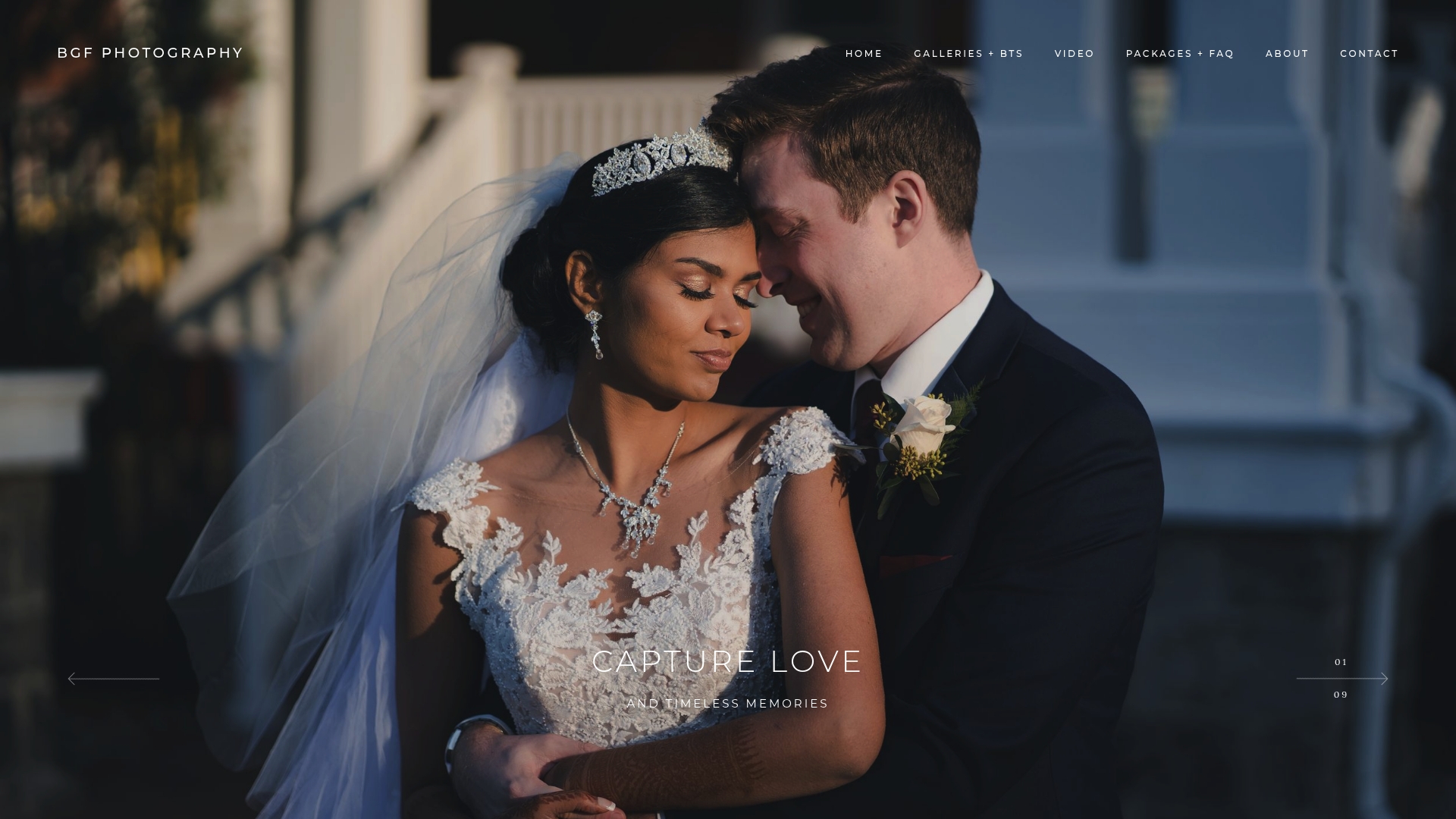
Booking usually starts with a short consultation where Billy walks through your timeline, venue lighting, and coverage goals, then maps that against available packages. From there, you'll get a clear sense of deliverables and timeline before committing to a date. If you're ready to see pricing and package details, check the full investment guide and reach out to lock in your wedding date before your preferred weekend fills up.
Sources
- True-to-Color Wedding Photography Guide for 2026 | Bella Grey Photography & Studio
- What is true-to-life photography style in weddings? | WeddingStyleBlog
- What is true-to-color photography | Mastin Labs
FAQ
What does true to color photography mean?
It means the photographer preserves the actual colors and skin tones from the wedding day, using accurate white balance and restrained color correction rather than a stylized filter or heavy preset.
Is the cost for a wedding photographer reasonable? It depends heavily on your market, coverage hours, and deliverables; rates vary widely by location and experience level.
It depends heavily on your market, coverage hours, and deliverables; rates vary widely by location and experience level, so what is reasonable varies a lot by region and photographer experience.
The 30-5 rule for weddings is not a standardized photography principle; definitions vary and it is best to ask your photographer directly how they plan timeline coverage.
Definitions of this rule vary across the wedding industry and it isn't a standardized photography principle, so treat any specific version you encounter with some skepticism and ask your photographer directly how they plan timeline coverage.
The 20-60-20 rule in photography is not a standardized or widely documented rule; ask any photographer you’re considering to explain their own approach to allocating time across getting-ready, ceremony, and reception coverage.
This isn't a standardized or widely documented photography rule, so rather than repeat an unverified definition, ask any photographer you're considering to explain their own approach to allocating time across getting-ready, ceremony, and reception coverage.
How do I know if a photographer's portfolio is genuinely true to color?
Request full galleries rather than curated highlights, then check whether skin tones stay natural and consistent as the lighting shifts from outdoor daylight to indoor reception lighting.