

TL;DR:
- Hybrid photo video coverage combines photography and videography by one or two shooters under a single creative vision for a unified wedding record. Buffalo couples prefer this approach for its consistency, flexibility, and reduced logistical complexity, especially at venues with varied lighting. Booking 8 to 12 months early and planning for a 10-hour full-day coverage ensures a comprehensive and cohesive documentation of the wedding.
Hybrid photo video coverage is defined as a single team capturing both photography and videography throughout your wedding day under one cohesive creative vision. Buffalo couples increasingly choose this approach because it removes the friction of coordinating two separate vendors while delivering photos and footage that feel like chapters of the same story. BGF Photography specializes in this format, combining candid documentary photography with natural video to produce a complete record of your day. If you are planning a Buffalo wedding and want consistent, unobtrusive coverage without managing multiple contracts, hybrid coverage is the most direct solution.
What is hybrid photo video coverage Buffalo couples should know?
Hybrid photo video coverage places one or two shooters on your wedding day with the tools and skills to capture both still images and video simultaneously. The industry term for this format is “hybrid shooting,” and it differs from traditional dual-vendor coverage in one critical way: both mediums share the same creative eye. Photos and footage are edited with matching color grades, tones, and emotional pacing. The result is a wedding gallery and film that feel unified rather than produced by strangers working in parallel.
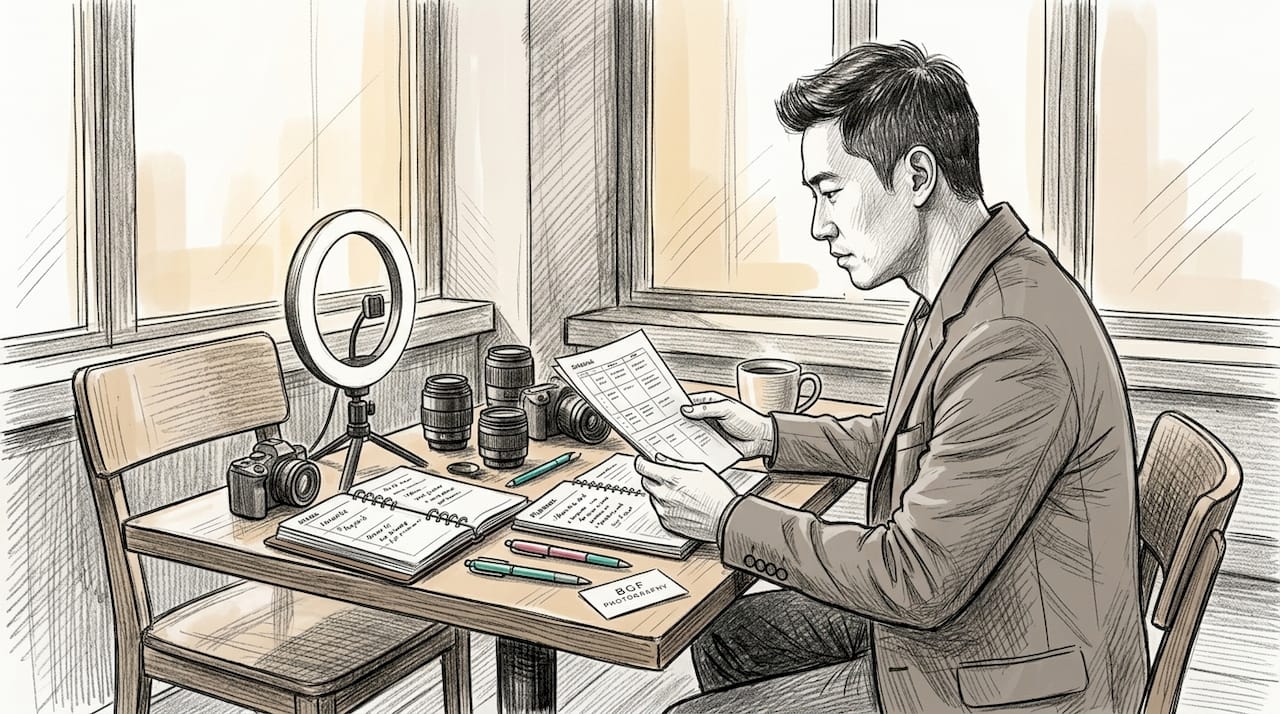
Buffalo weddings bring specific considerations that make hybrid coverage especially practical. Many local ceremonies take place in venues with mixed lighting, from the warm interiors of historic downtown ballrooms to the bright outdoor settings near the waterfront or Niagara Falls. A hybrid team adapts to these shifts without requiring a separate lighting setup or additional crew. That flexibility matters when your ceremony runs from a church interior to a golden-hour portrait session outside.
Hybrid coverage is particularly popular for intimate weddings and couples who want thorough documentation without a large crew presence. Fewer people moving through your reception means guests stay relaxed and candid moments happen naturally. BGF Photography’s approach is built on this principle: stay unobtrusive, let real emotions unfold, and capture them as they happen.
How to plan and book hybrid coverage for your Buffalo wedding
Booking timeline is the first decision that shapes everything else. Booking 8 to 12 months in advance is the standard recommendation for Buffalo area weddings, especially for peak season dates between June and October. Buffalo’s wedding market fills quickly during summer and early fall, and hybrid teams with strong portfolios book faster than single-service vendors because they cover more of your day.
Choosing the right coverage length
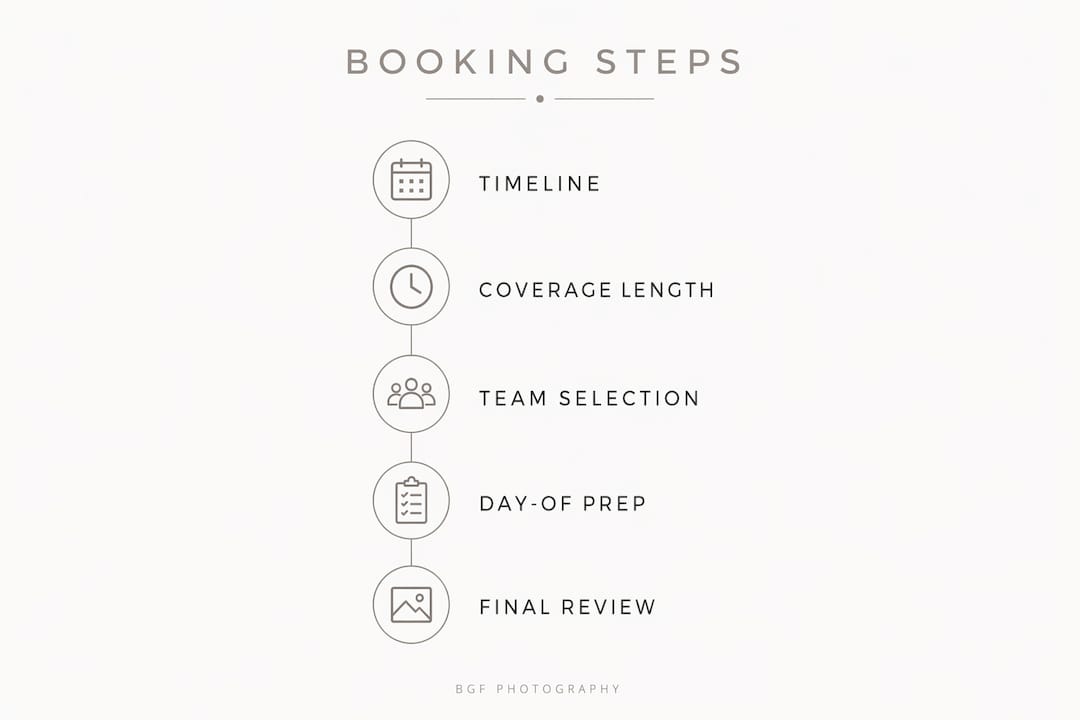
Coverage length directly affects what your final gallery and film contain. Full-day wedding coverage ranges from 8 to 12 hours, with most couples choosing 10-hour packages to capture every main phase without rushing. A 10-hour block typically runs from getting-ready shots through the last dances, giving the hybrid team time to document preparations, the ceremony, portraits, cocktail hour, and reception in full. Weddings with more than 150 guests often need the full 10 to 12 hours to manage transitions and capture the complete story.
Steps to book your hybrid team
-
Set your date and guest count first. Coverage length and team size depend on both. A 60-person intimate wedding needs less coverage time than a 200-person reception.
-
Review portfolios for both photo and video. A hybrid team’s photo gallery and film reel should share the same visual tone. Mismatched styles are a warning sign.
-
Confirm what equipment the team uses. Dual cameras and action cams allow simultaneous photo and video capture without compromising either medium.
-
Share your venue details early. Indoor venues like Buffalo’s historic theaters and outdoor settings near the waterfront each require different preparation. Give your team the floor plan and lighting conditions before the contract is signed.
-
Discuss your must-have moments. First looks, family formals, and specific reception traditions should be listed in writing before your wedding day.
-
Review the wedding video package options. Understand what deliverables are included: edited gallery, highlight film, full ceremony footage, or all three.
Pro Tip: Share a detailed day-of timeline with your hybrid team at least two weeks before the wedding. Buffalo’s weather can shift quickly, especially for spring and fall dates, so build 15-minute buffers around outdoor portrait sessions.
What to expect from a hybrid team on your Buffalo wedding day
A hybrid team arrives with a clear workflow: photography is the priority, and video captures the natural flow of the day in a documentary style. Hybrid coverage prioritizes photography quality while the video component documents candid moments. This is not a cinematic multi-camera film production. The footage is real, honest, and unscripted.
Equipment and how it shapes your coverage
Dual cameras and action cams give hybrid shooters the ability to be in two places at once without adding crew. One camera handles stills during the ceremony while a second records video from a fixed or moving position. Action cams placed at the altar or on a reception table capture wide angles that a single shooter cannot cover manually. This setup produces a complete visual record without the intrusion of a full video crew.
Typical shot types you will receive
-
Getting-ready moments: Candid interactions between the couple and their wedding party, detail shots of rings, shoes, and invitations.
-
Ceremony coverage: Full ceremony from processional to recessional, including vows, ring exchange, and guest reactions.
-
Portraits: Couple portraits and family formals, typically scheduled during cocktail hour to protect reception time.
-
Speeches and toasts: Both photo and video capture of every speaker, preserving the words and the emotional reactions in the room.
-
Reception highlights: First dance, parent dances, cake cutting, and open dancing documented in both mediums.
-
Candid guest moments: Unposed interactions that reveal the real energy of your celebration.
Pro Tip: Ask your hybrid photographer to walk the ceremony venue with you before the wedding day. Knowing where the light falls at your ceremony time, whether that is a noon church service or a 5 p.m. outdoor ceremony, allows them to position cameras for the best results in both photo and video.
How hybrid coverage benefits Buffalo couples vs. separate vendors
The clearest advantage of hybrid coverage is creative consistency. One team ensures photos and film feel like chapters of the same story rather than separate visions from two vendors who have never worked together. Color grading, editing tone, and storytelling pacing all align because one creative mind drives both mediums.
Logistics simplification is the second major benefit. Hybrid coverage reduces logistical burden by giving you one contact, one contract, and one coordinated editing style. Separate vendors require separate contracts, separate timelines, separate communication threads, and separate payment schedules. That complexity adds stress during an already demanding planning process.
The table below compares the two approaches across the factors that matter most to Buffalo couples.
| Factor | Hybrid coverage | Separate photo and video vendors |
|---|---|---|
| Creative consistency | One unified visual style across all deliverables | Two separate editing styles that may not match |
| Vendor communication | One contact for all coverage questions | Two vendors to coordinate, brief, and manage |
| Crew footprint at venue | One or two shooters | Three to five crew members minimum |
| Contract and billing | Single contract and payment | Two contracts, two payment schedules |
| Cost structure | Combined package pricing | Separate fees that often total more |
| Adaptability on the day | One team adjusts together in real time | Two teams may have conflicting priorities |
A smaller crew footprint matters more than most couples expect. Fewer crew members means less disruption to the natural flow of the day, which is especially valuable for intimate Buffalo weddings held in smaller venues or private estates. Guests stay relaxed, conversations stay genuine, and the moments your team captures are real.
Common challenges and how to avoid mistakes with hybrid coverage
The most common mistake couples make is expecting hybrid video to match the production quality of a dedicated cinematic videography team. Hybrid video is documentary in nature. It captures real moments with natural audio and honest framing. It does not include drone footage, multiple camera operators, or a full post-production film edit unless those are explicitly included in your package. Setting this expectation before you book prevents disappointment after the wedding.
Mistakes to avoid when planning hybrid coverage
-
Underestimating coverage hours. A large Buffalo wedding with multiple locations, a church ceremony, and a separate reception venue needs at least 10 hours. Cutting coverage short to save money risks missing the final hours of your reception entirely.
-
Skipping the venue walkthrough. Buffalo venues vary widely in lighting conditions. A venue walkthrough before the wedding day lets your hybrid team plan camera positions for both photo and video.
-
Making last-minute timeline changes. Hybrid shooters plan their camera transitions around your schedule. A ceremony that starts 30 minutes late compresses portrait time and can push the team into poor lighting conditions.
-
Not listing must-have moments in writing. Verbal agreements about specific shots are forgotten under the pressure of a wedding day. A written shot list protects both you and your team.
-
Choosing a team based on photo portfolio alone. Always review the video reel. A strong photo portfolio does not guarantee the video will meet your expectations.
Coverage duration is one area where couples consistently underestimate their needs. Larger weddings need longer coverage to manage logistics effectively. A 200-person reception with a full dinner service, multiple speeches, and a live band will fill 10 hours without any gaps. Build your coverage package around your actual guest count and schedule, not around a budget target.
Pro Tip: Review editing practices with your hybrid team before signing. Ask to see a full wedding gallery and a complete film from a past client. This shows you exactly how their photo and video work together as a finished product.
Key takeaways
Hybrid photo video coverage in Buffalo delivers the most consistent and stress-free wedding documentation when couples book early, set clear expectations, and choose a team whose photo and video work share a unified visual style.
| Point | Details |
|---|---|
| Book 8 to 12 months early | Buffalo’s peak season fills fast; early booking secures your date and enables full timeline planning. |
| Plan for 10 hours of coverage | Most couples need a full 10-hour package to capture every phase from preparations to reception. |
| Expect documentary-style video | Hybrid video is candid and natural, not a cinematic multi-camera production. |
| One team means one creative vision | Photos and footage share the same editing tone, producing a unified story rather than two separate products. |
| Communicate must-have moments in writing | A written shot list protects against missed moments and last-minute confusion on your wedding day. |
Why I think hybrid coverage is the right call for most Buffalo couples
I have photographed weddings across Buffalo, Rochester, and the surrounding region for years, and the pattern I see most often is this: couples who hire separate photo and video vendors spend the weeks before their wedding managing two different timelines, two different personalities, and two different creative visions. On the wedding day itself, those two teams sometimes pull in different directions. The videographer wants the couple in one spot for a hero shot. The photographer has already moved them somewhere else. The couple is stuck in the middle.
Hybrid coverage removes that friction entirely. When one team handles both mediums, the creative decisions are made once. The lighting setup works for both photo and video. The portrait session serves both deliverables. The ceremony is documented from positions that give you strong stills and honest footage without anyone getting in anyone else’s way.
The objection I hear most often is about video quality. Couples worry that hybrid video will look like an afterthought. That concern is valid if you hire a team that treats it that way. The hybrid teams that do this well, including the approach BGF Photography takes, treat the video as a natural extension of the photographic story. The footage is not trying to be a feature film. It is trying to be a true record of your day, with real audio, real reactions, and real moments. That is what you will actually want to watch ten years from now.
My honest advice: if you want a cinematic multi-camera film with drone footage and a full post-production score, hire a dedicated videographer and a separate photographer. But if you want your wedding documented completely, consistently, and without a crew of five people following you around all day, hybrid coverage is the right choice for most Buffalo couples.
— Billy
BGF Photography’s hybrid coverage for Buffalo weddings
BGF Photography offers hybrid coverage packages built specifically for Buffalo couples who want both photography and videography under one cohesive style. Every package combines candid documentary photography with natural video, edited together for a unified look and feel.
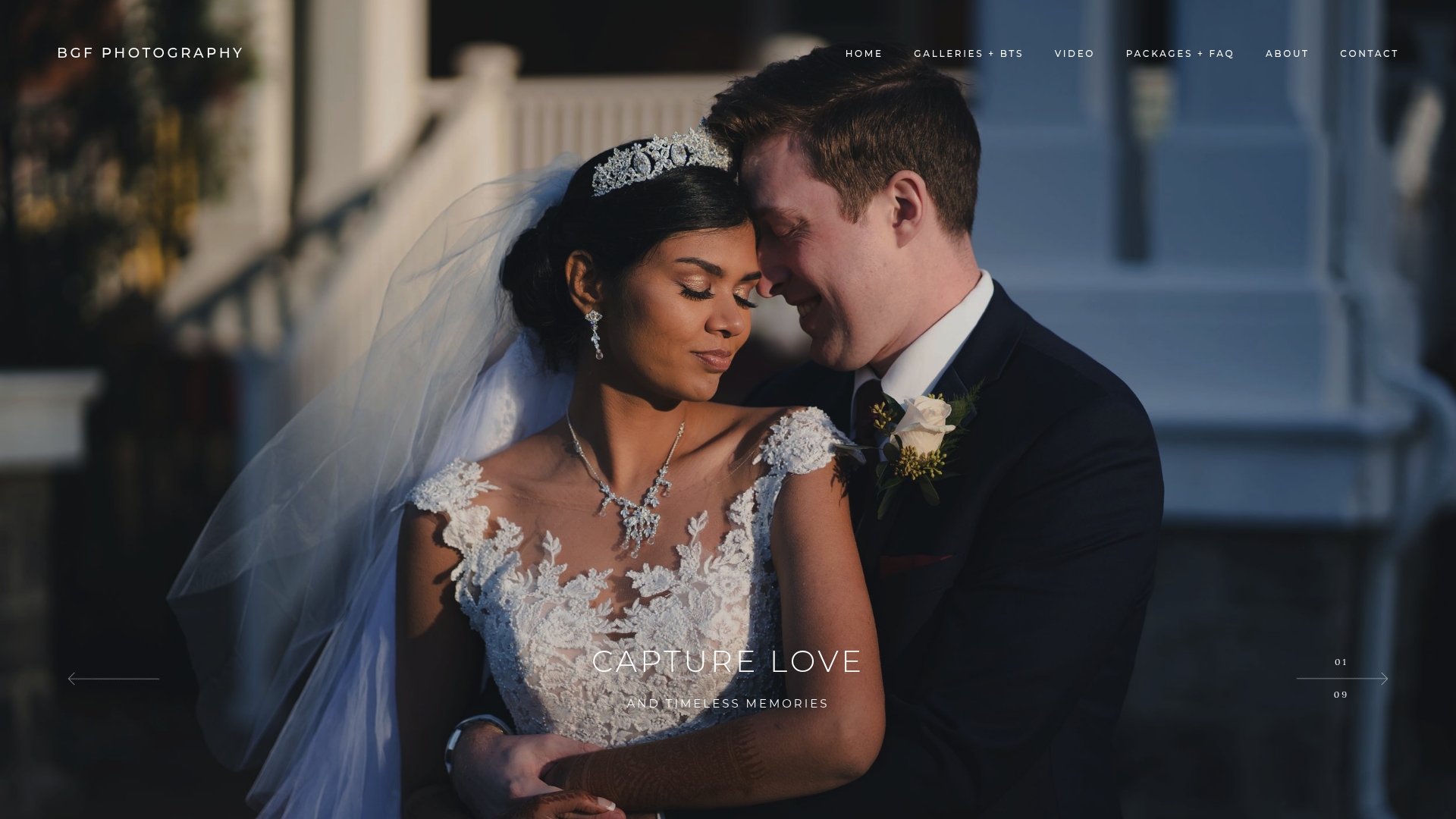
BGF Photography’s approach keeps the crew small and the coverage thorough, from getting-ready moments through the final reception dances. The Buffalo wedding planning checklist on the blog walks through the full booking timeline if you are still in the early stages of planning. To review package options, coverage hours, and pricing, visit the packages and FAQ page and schedule a consultation directly from there.
FAQ
What is hybrid photo video coverage for Buffalo weddings?
Hybrid photo video coverage is a service where one or two shooters capture both photography and videography on your wedding day under a single creative vision. The result is a photo gallery and a film that share the same visual tone and storytelling style.
How far in advance should Buffalo couples book hybrid coverage?
Booking 8 to 12 months before your wedding date is the standard recommendation, especially for peak season dates between june and october when availability fills quickly.
Is hybrid video the same quality as dedicated videography?
Hybrid video is documentary in style, capturing candid moments and natural audio rather than a cinematic multi-camera production. It is a complete and honest record of your day, not a feature-length film.
How many hours of hybrid coverage does a Buffalo wedding need?
Most couples choose 10-hour packages to cover all main wedding phases. Weddings with more than 150 guests or multiple locations often need the full 10 to 12 hours.
What is the difference between hybrid coverage and hiring separate vendors?
Hybrid coverage gives you one contract, one contact, and one unified editing style for both photo and video. Separate vendors produce two independent products that may not match in tone, color, or storytelling approach.