
TL;DR:
- Choosing a wedding videography package requires balancing coverage hours, style, and communication to capture your special day genuinely. Budget considerations should come after assessing coverage needs, editing preferences, and vendor reliability to ensure long-term satisfaction. Be sure to review full-length films, clarify delivery timelines, and ask about revisions to avoid disappointment with your final wedding video.
This wedding video package comparison guide will aim to simplify evaluating videography options by coverage hours, deliverables, editing style, and price so you choose a package that captures your day exactly as you lived it. Median US wedding videography costs sit around $2,400, with full-day packages ranging from $1,800 to $5,000 depending on experience and inclusions. That range is wide enough to cause real confusion. This guide cuts through it by giving you a clear comparison framework built around what actually determines long-term satisfaction: style match, coverage depth, and vendor communication.
What are the key components to compare in wedding videography packages?
Coverage hours are the foundation of any videography package. Most couples need 8–10 hours of coverage to capture getting ready through the first dances. Packages with fewer than 8 hours routinely miss key moments like the bouquet toss, cake cutting, or late-reception toasts.

The number of shooters matters just as much as hours. A second shooter captures simultaneous moments from different angles, which is especially valuable during the ceremony and reception when two things happen at once. A second shooter is consistently rated the highest-impact upgrade couples can add to any base package. The difference shows up most clearly in the final edit, where you get reaction shots, wide angles, and close-ups layered together rather than a single perspective.
Deliverables vary widely between packages, and the differences are significant. Here is what you will typically encounter:
-
Highlight reel: A 3–8 minute cinematic edit set to music. This is the version you will share most often and rewatch for years.
-
Feature reel: A 8-15 minute cinematic edit set to music but anchored by speeches and moments of emotion throughout the day.
-
Full length edit: 30-60 minute blend of cinematic edit and full recordings of first looks, ceremony, introductions, and speeches.
-
Full ceremony edit: An uncut or lightly edited version of your vows and processional. Longer and less polished, but complete.
-
Full reception edit: Covers toasts, first dances, and reception moments in sequence.
-
Raw footage: Unedited files from the entire day. Raw footage costs an extra $250–$500 and runs hours long. It is a useful archive but not a substitute for edited films.
-
Teaser clip: A 60–90 second social-ready preview, sometimes delivered within two weeks.
Music licensing is a detail couples frequently overlook until it causes a problem. Unlicensed music can get your video removed from Instagram or YouTube entirely. Confirm that your videographer uses properly licensed tracks through services like Musicbed or Artlist, or royalty-free libraries, before you sign anything.
Delivery timelines are another contractual detail worth scrutinizing. Standard final film delivery runs 8–16 weeks. Some premium vendors provide a teaser within a few weeks, but full edits can take up to four months. Your contract should state the exact delivery window, not just “a few months.”
Pro Tip: Ask every vendor how many revision rounds are included. Some packages allow zero changes after delivery. Others include two full rounds. Knowing this upfront prevents frustration later.
How do different wedding video package tiers compare?
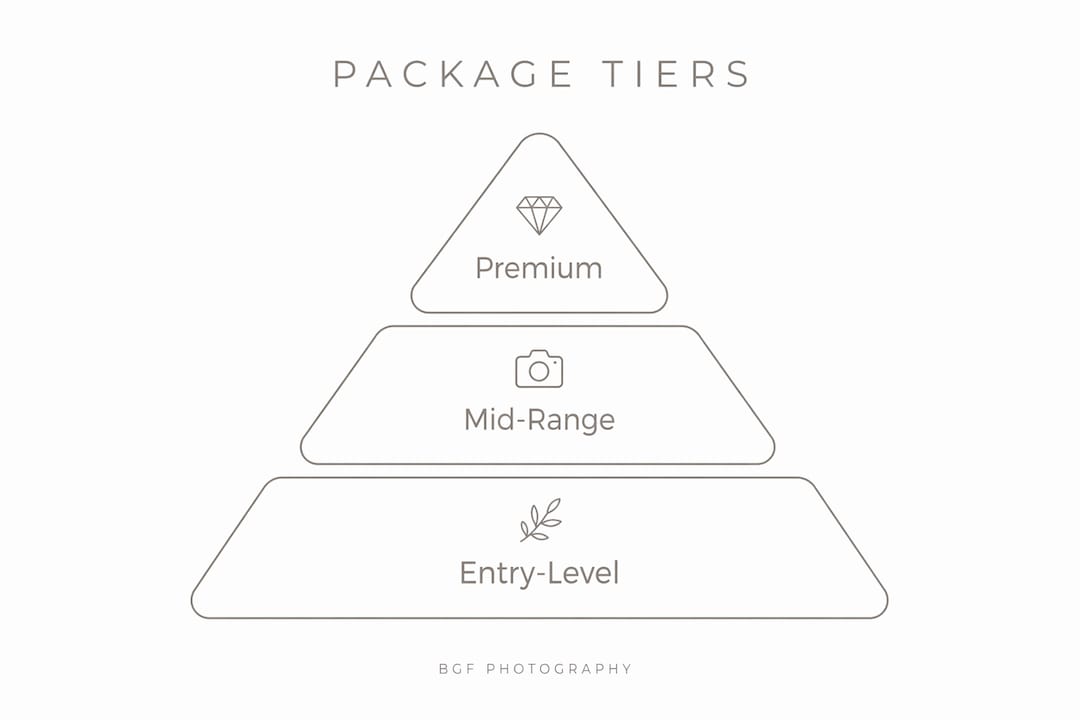
Understanding the three standard pricing tiers gives you a realistic baseline before you start requesting quotes. Prices vary by region and vendor experience, but the structure below reflects the current US market in 2026.
| Package Tier | Price Range | Coverage | Shooters | Key Deliverables |
|---|---|---|---|---|
| Entry Level | $800–$1,500 | 4–6 hours | 1 shooter | Basic highlight reel, limited edits |
| Mid-Range | $1,500–$5,000 | 8–10 hours | 1–2 shooters | Highlight reel, ceremony edit, standard delivery |
| Premium | $5,000+ | Full day+ | 2–3 shooters | Cinematic film, drone footage, color grading |
Entry-level packages: best for intimate weddings
Entry-level packages in the $800–$1,500 range work well for micro-weddings, elopements, or couples who want a record of the day without a large media budget. You typically get one shooter, limited hours, and a short highlight reel. The tradeoff is real: fewer hours means the videographer often arrives after getting ready and leaves before the reception ends. For a 20-person ceremony in a backyard, that coverage window is fine. For a 150-person ballroom wedding, it is not.
Mid-range packages: the most common choice
The $1,500–$5,000 tier is where most couples land, and for good reason. You get full-day coverage, at least one experienced shooter, and a highlight reel plus ceremony edit. Delivery timelines are standard, and vendors at this level typically have enough bookings to show you a consistent portfolio. Regional pricing affects this tier most. A mid-range package in Buffalo or Rochester, NY costs significantly less than the same coverage in New York City or Los Angeles.
Premium packages: cinematic storytelling at scale
Premium packages above $5,000 offer a fundamentally different product. Drone footage, color grading, multiple shooters, and a personalized creative process are standard at this level. The videographer functions more like a film director than a camera operator. You also get more flexibility on revisions, delivery formats, and creative input. For couples who want a film that feels like a short documentary of their day, this tier delivers. For couples who want a clean record of their ceremony and reception, it may be more than necessary.
How do you evaluate a videographer’s portfolio and style?
Portfolio review is the single most important step in choosing a videographer, and most couples do it wrong. Watching a two-minute highlight reel tells you almost nothing. Editing style and portfolio depth predict satisfaction far more reliably than price or online reviews alone. Ask to see at least one full-length wedding film before you book.
The two dominant styles in wedding videography are cinematic and documentary. Understanding the difference helps you ask better questions.
-
Cinematic style: Heavily edited, color-graded, and narrative-driven. Music carries the emotional arc. Moments are selected and sequenced for maximum impact rather than chronological order. If you want something that feels like a movie, this is it. Explore what cinematic wedding videography actually involves before deciding.
-
Documentary style: Chronological, natural-sounding audio, minimal color manipulation. The goal is an accurate record of the day as it happened. Less stylized, but often more emotionally raw.
Most videographers blend both approaches, but their portfolio reveals which direction they lean. Watch for consistency in color grading across different weddings. Inconsistent color work suggests the videographer is still developing their technical process. Also watch how they handle audio. Ceremony vows with clean, clear audio require proper microphone placement and sound mixing. A videographer who buries vows under music is making an editorial choice you may not love in ten years.
Pro Tip: Ask to see a full-length film from a wedding similar in size and venue to yours. A videographer who excels at outdoor garden weddings may not be the right fit for a dimly lit reception hall.
Questions worth asking every vendor before you sign:
-
How many weddings have you filmed at venues similar to mine?
-
What is your revision policy after delivery?
-
Who edits the footage, you or a third party?
-
How do you handle equipment failure on the day?
-
What happens if you get sick or have an emergency?
Knowing which questions to ask your videographer before booking is one of the most practical ways to avoid surprises later.
What budgeting strategies help you choose the right package?
Price alone is not a reliable indicator of value in wedding videography. Couples who prioritize price over style consistently report lower satisfaction with their final films. The videographer’s aesthetic and approach to storytelling determine how much you enjoy the video in five, ten, and twenty years. Budget matters, but it should be the last filter, not the first.
Here is a practical approach to budgeting for your wedding video:
-
Set a realistic range before you start contacting vendors. Know whether you are working with $1,500 or $4,000. This prevents you from falling in love with a $6,000 package when your budget is $2,500.
-
Identify your non-negotiables first. Full ceremony coverage? Second shooter? Drone footage? List these before you compare packages so you know what you are actually evaluating.
-
Consider a hybrid photo and video package. Hybrid packages covering both photography and videography can save couples 15–25% compared to booking separately. Coordinated teams also reduce shot-blocking and creative inconsistencies because both shooters work from the same vision.
-
Negotiate add-ons rather than upgrading tiers. If a mid-range package almost fits but you want a second shooter, ask the vendor what that costs as an add-on. It is often cheaper than jumping to the next tier.
-
Factor in the delivery timeline. A package priced $300 lower but with a 20-week delivery window may not be worth the wait if you want to share your film within two months of your wedding.
Lower-cost packages are not automatically bad choices. They become problematic when they sacrifice coverage hours during critical moments. Getting ready footage, the first look, and the send-off are the three moments most commonly cut from budget packages due to limited hours. If those moments matter to you, build them into your requirements before you compare prices.
BGF Photography’s approach to hybrid wedding coverage shows how combining photography and videography under one team creates a more consistent final product at a better overall value.
Key takeaways
Choosing the right wedding videography package comes down to matching coverage hours, editing style, and vendor communication to your specific day before price enters the conversation.
| Point | Details |
|---|---|
| Coverage hours matter most | Select packages with at least 8–10 hours to capture getting ready through reception. |
| Style match beats price | Portfolio and editing style predict long-term satisfaction more reliably than cost or reviews. |
| Second shooter is worth it | Adding a second shooter is the highest-impact upgrade for comprehensive story capture. |
| Hybrid packages save money | Combined photo and video packages can reduce total costs by 15–25% while improving creative consistency. |
| Contracts must specify timelines | Final film delivery runs 8–16 weeks; your contract should state the exact window. |
What I’ve learned after years of filming weddings
The most common mistake I see couples make is treating videography like a commodity. They compare packages by price per hour and pick the lowest number that checks the most boxes. That math feels logical. It almost always produces regret.
Here is what actually happens: you watch your wedding film for the first time six months after your wedding day. The flowers are gone. The dress is boxed. The cake is a memory. The film is what you have. If the editing style feels generic, the audio is muddy, or the color grading looks nothing like the warm afternoon light you remember, no amount of “but we saved $800” makes that feel okay.
I have also seen couples book the most expensive package available and still end up disappointed because they never watched a full-length film from that vendor. They saw a gorgeous two-minute reel and assumed the rest of the work matched. It did not. The reel was the best two minutes from twelve hours of footage, heavily processed and carefully selected. The full film was a different experience entirely.
The vendors I trust most are the ones who respond to inquiries clearly and quickly, who ask questions about your day before they pitch their packages, and who can show you complete films without hesitation. Videographer communication quality during the booking process is a direct preview of how they will handle your wedding day. Slow, vague responses before you book become missed cues and miscommunications on the day itself.
One more thing: always verify your contract covers the delivery timeline, the number of revision rounds, what happens if the videographer cannot attend, and who owns the footage. These are not paranoid questions. They are standard professional expectations, and any experienced vendor will answer them without hesitation.
— Billy
See how BGF photography handles wedding video packages
BGF Photography works with couples across Buffalo and Rochester, NY to build wedding video packages that fit their actual day, not a generic template. Every package is built around your coverage needs, editing style preferences, and budget, with clear contracts that specify delivery timelines and revision rounds upfront.
BGF Photography also specializes in hybrid coverage, pairing photography and videography under one cohesive creative vision so your photos and film feel like they belong together. You can review package details and pricing directly, or explore the full resource hub to find the right starting point for your planning. Consultations are straightforward, and the portfolio speaks for itself.
FAQ
What is included in a standard wedding video package?
A standard mid-range wedding video package includes 8–10 hours of coverage, a highlight reel, a full ceremony edit, and delivery within 8–16 weeks. Some packages also include a second shooter or a short teaser clip.
How much should you budget for wedding videography?
The median US wedding videography cost is approximately $2,400, with full-day packages typically ranging from $1,800 to $5,000. Entry-level packages start around $800 for limited coverage.
Is a second shooter worth the extra cost?
A second shooter is the highest-impact upgrade available in most packages. The additional coverage of simultaneous moments and alternate angles significantly improves the final film, especially during the ceremony and reception.
What is the difference between cinematic and documentary style?
Cinematic style uses heavy editing, color grading, and music-driven storytelling to create a film-like experience. Documentary style prioritizes chronological accuracy and natural audio over stylized presentation.
Do hybrid photo and video packages actually save money?
Hybrid packages can save couples 15–25% compared to booking photography and videography separately. They also reduce creative inconsistencies because both shooters work from the same vision and style.