
TL;DR:
- Ceremony filming captures live sound, movement, and atmosphere that photography alone cannot preserve. It offers an emotional replay of vows and reactions, which deepens memories over time. Buffalo professionals emphasize pre-wedding planning, local venue knowledge, and integrated photography and videography for the best results.
Ceremony filming is the practice of capturing live motion, sound, and emotion on your wedding day to create a lasting visual and audio record that photography alone cannot produce. The role of ceremony filming in Buffalo weddings goes far beyond documentation. It preserves the sound of your partner’s voice during vows, the laughter of your guests, and the atmosphere of your venue in real time. Buffalo couples increasingly treat professional wedding cinematography as a legacy investment, one that grows in emotional value over the years. BGF Photography and other local teams offer packages ranging from short highlight films to full documentary edits.
How does ceremony filming enhance wedding memories compared to photography alone?
Ceremony filming creates what wedding professional Lindsey Paradiso calls an “emotional replay” of vows and speeches that photography simply cannot match. A photograph freezes a single frame. A film plays back the full scene, including the tremor in your voice, the sound of the string quartet, and the reaction of your mother in the front row.
High-fidelity audio of vows is often the detail couples regret skipping most when they choose photography only. Audio anchors emotional memory in a way that visuals alone do not. You can look at a photo of yourself saying “I do,” but hearing yourself say it years later is an entirely different experience.
Cinematic wedding videography also preserves what one source describes as “Atmospheric Wealth”, the sound design, pacing, and ambient texture of the day. Social media clips lack this depth. A professionally produced ceremony film captures the full sensory environment, from the echo of a church ceiling to the outdoor breeze at Delaware Park.
“If storytelling, sound, and emotional replay matter most, ceremony film is considerably more meaningful than extra photos.” — Lindsey Paradiso
Couples consistently report that their ceremony video gains emotional significance over 5 to 20 years post-wedding. That timeline matters. The film you watch on your tenth anniversary carries weight that no album page can replicate.
The key sensory advantages of ceremony film over photography include:
-
Voice and audio. Vows, readings, and music are preserved with clarity.
-
Movement. The walk down the aisle, the first kiss, and the recessional all unfold in real time.
-
Atmosphere. Ambient sound and lighting conditions are recorded as they actually were.
-
Reactions. Guest expressions and candid moments play out across the full scene, not just a single frame.
-
Sequence. The ceremony’s emotional arc, from nervous anticipation to joyful celebration, is told in order.
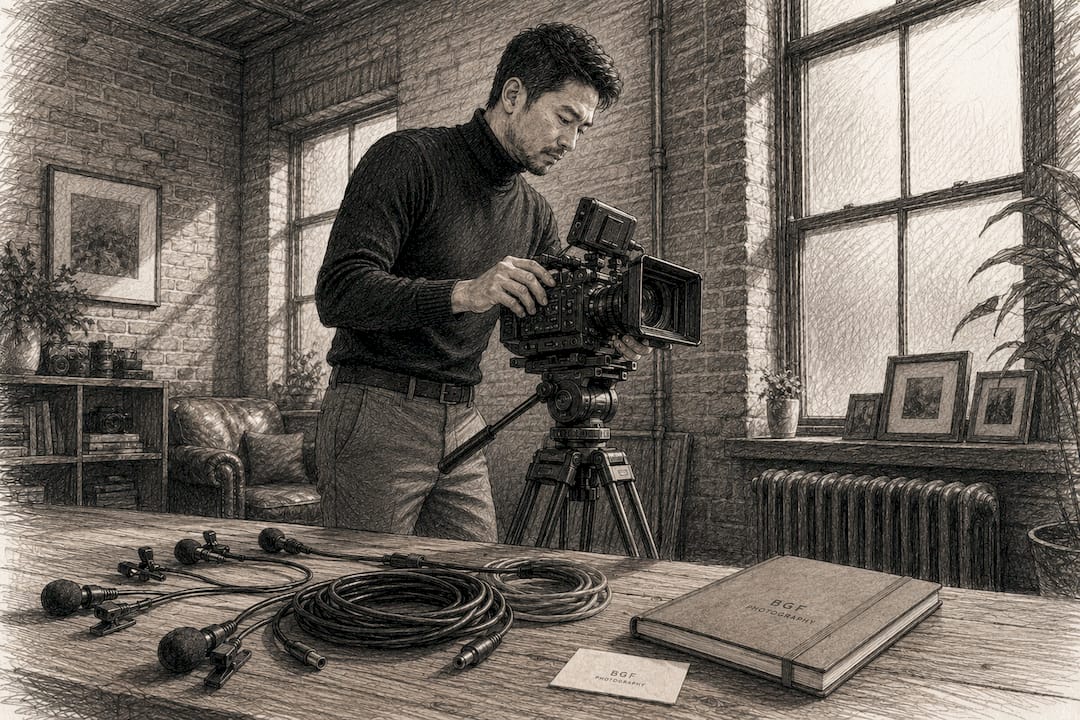
Pro Tip: Ask your videographer to use a dedicated lapel microphone on the officiant or groom. This single step produces dramatically clearer vow audio than relying on camera microphones alone.
What are the typical ceremony filming packages available in Buffalo?
Buffalo wedding videography packages follow a tiered structure that gives couples clear choices based on budget and coverage needs. Understanding what each tier includes helps you avoid paying for extras you do not need or missing coverage you will regret.
Most local packages fall into three broad levels:
| Package Level | Typical Inclusions | Best For |
|---|---|---|
| Entry level | 3–5 minute highlight film, single camera, ceremony only | Intimate or small weddings |
| Mid-tier | Highlight film plus full ceremony edit, two cameras, basic audio | Most Buffalo weddings |
| Premium | Full documentary edit, multiple shooters, raw footage, interview segments | Large or multi-day events |
Tiered packages like “Diamond” or “You & Me” appear across the local Buffalo market and offer various coverage levels for the ceremony, reception, and guest moments. The naming varies by studio, but the structure is consistent. Entry packages prioritize the highlight reel. Premium packages deliver a full-length documentary alongside it.

Add-ons worth knowing about include extra coverage hours, raw unedited footage, drone aerial shots, and short interview segments with the couple or family members. Not every studio offers all of these, so ask specifically during your consultation.
The most common mistake couples make is evaluating a videographer only by their highlight reel. A three-minute highlight film is a marketing tool. The full-length ceremony edit is what you will actually watch on your anniversary. Always request a sample of a full edit before booking.
Pro Tip: If your budget allows only one upgrade, choose the package that includes a full-length ceremony edit over a longer highlight film. The full edit preserves your complete vows and the ceremony’s emotional sequence.
BGF Photography offers hybrid packages that combine photography and videography under one cohesive style. Booking both services with one team eliminates the coordination problems that arise when two separate studios work the same event.
How do Buffalo videographers prepare for ceremony filming?
Professional ceremony video production depends on weeks of planning before the wedding day. The quality of the final film is largely determined by decisions made long before the camera rolls.
A well-prepared Buffalo videographer follows a clear preparation sequence:
-
Initial venue walkthrough. The videographer visits the ceremony location to assess lighting, acoustics, and camera placement options. Buffalo venues like Kleinhans Music Hall, the Buffalo History Museum, and Delaware Park each present distinct challenges.
-
Coordination with the wedding planner. A detailed timeline is shared and confirmed, including processional timing, officiant cues, and any restrictions on movement during the ceremony.
-
Shot list creation. Key moments are identified in advance: the first look, ring exchange, vow readings, and recessional. This list prevents missed shots and guides the second shooter.
-
Audio equipment setup. Lapel microphones are placed on the officiant and, when permitted, the groom. Backup audio recorders are positioned near the altar.
-
Camera placement testing. Positions are tested for sightlines, avoiding obstructions like floral arrangements, pillars, or guests standing in the aisle.
Multiple shooters coordinate to capture simultaneous angles and reactions without disrupting the ceremony. One camera holds a wide establishing shot while a second captures close reactions from the couple and guests. This multi-angle approach is what separates professional ceremony video production from single-camera documentation.
Venue-specific challenges in Buffalo require local knowledge. Outdoor ceremonies at Tifft Nature Preserve deal with wind noise and shifting afternoon light. Indoor ceremonies at historic venues often have low ambient light and strict restrictions on flash or additional lighting rigs. A videographer who has worked these spaces before knows how to adapt without scrambling on the day.
Pre-established shooting protocols between photography and videography teams prevent the spatial conflicts that ruin shots. When both teams agree in advance on who holds which position during the processional, neither team blocks the other. This coordination is not optional. It is the difference between clean footage and a ceremony film full of obstructed angles.
Pro Tip: Share your ceremony program with your videographer at least two weeks before the wedding. Knowing the order of readings, rituals, and musical interludes lets them anticipate movement and avoid missing transitions.
What advantages do Buffalo couples gain from local ceremony filming professionals?
Local Buffalo videographers bring a specific kind of knowledge that out-of-town teams cannot replicate quickly. Local knowledge creates ease and authenticity on camera without the scrambling that happens when a team encounters a venue for the first time on your wedding day.
The practical advantages of working with a Buffalo-based team include:
-
Seasonal lighting expertise. Buffalo’s light changes dramatically across seasons. A local videographer knows that a june afternoon at Canalside produces harsh overhead light, while an october ceremony at the same venue offers warm golden tones. They plan exposure and positioning accordingly.
-
Venue relationships. Local teams have existing relationships with coordinators at popular Buffalo venues. This means faster setup approvals, clearer communication on restrictions, and fewer surprises.
-
Cultural familiarity. Buffalo has a diverse wedding community. Local videographers have experience with Polish, Italian, Nigerian, and South Asian ceremony traditions common in the region, and they know how to film each one respectfully and completely.
-
Weather contingency planning. Buffalo weather is unpredictable. A local team has backup plans for outdoor ceremonies that account for the specific shelter options and lighting conditions at each venue.
-
Vendor network. Local teams know the florists, planners, and officiants working your wedding. That familiarity reduces friction on the day and improves overall coordination.
“Local videography teams familiar with Buffalo deliver more authentic and smooth ceremony filming experiences due to venue knowledge.” — Upstate Indie Weddings
BGF Photography’s experience across Buffalo and Rochester venues reflects exactly this kind of local depth. Their team has filmed ceremonies at a wide range of Western New York locations, which means they arrive knowing the space rather than learning it during your ceremony. For couples who want to preserve wedding memories for family across generations, that local expertise directly improves the quality of what gets recorded.
The cinematic approach to wedding videography also benefits from local knowledge. Knowing which corner of a venue catches the best natural light, or which outdoor angle frames the Buffalo skyline, produces a more visually compelling film than a generic wide shot from the back of the room.
Key Takeaways
Ceremony filming is the single most effective way to preserve the full emotional experience of your Buffalo wedding day, including voices, movement, and atmosphere that photography cannot capture.
| Point | Details |
|---|---|
| Audio is the most critical element | Clear vow audio anchors emotional memory more powerfully than any visual alone. |
| Full edits outperform highlight reels | Always request a full-length ceremony edit, not just a highlight film, before booking. |
| Local expertise improves quality | Buffalo-based videographers know venues, lighting, and vendor networks that out-of-town teams do not. |
| Pre-event planning determines results | Shot lists, venue walkthroughs, and team coordination protocols are set weeks before the wedding day. |
| Hybrid coverage eliminates conflict | Booking photography and videography with one team prevents spatial conflicts and produces cohesive results. |
Why I think most couples underestimate ceremony filming until it’s too late
I have filmed enough Buffalo weddings to know the pattern. Couples spend months choosing their florals, their venue, and their dress. They spend about forty-five minutes deciding on videography. Then, five years later, they are the ones telling their friends to prioritize the film.
The moment that changes most couples’ perspective is the first time they watch their ceremony film with a parent or sibling who could not attend. Photographs show what the room looked like. The film lets that person hear the vows, feel the music, and experience the ceremony as if they were there. That is not a small thing.
What I have learned from working with couples in Buffalo is that the audio investment matters more than most people expect. Couples often ask about camera angles and drone shots. Those are fine. But the detail that makes a ceremony film genuinely moving is hearing your own voice, clearly, saying the words you prepared for the most important moment of your life. A lapel microphone costs almost nothing relative to the rest of your budget. Skipping it is the most common regret I hear.
My honest advice on packages: do not let a beautiful highlight reel be the only thing you walk away with. The highlight film is what you share on social media. The full-length ceremony edit is what you watch privately, with your family, on anniversaries. If your budget forces a choice, protect the full edit. The cinematic storytelling approach that makes a highlight reel beautiful is only meaningful if the full ceremony is preserved underneath it.
One more thing: if you are booking separate photography and videography teams, have a direct conversation with both of them about positioning before the wedding day. Two talented teams working without a shared plan will get in each other’s way. Two teams with a clear protocol will produce work that looks like they were never there at all.
— Billy
BGF Photography’s approach to ceremony filming in Buffalo
BGF Photography works with Buffalo couples who want their ceremony filmed with the same candid, unobtrusive approach that defines their photography work.
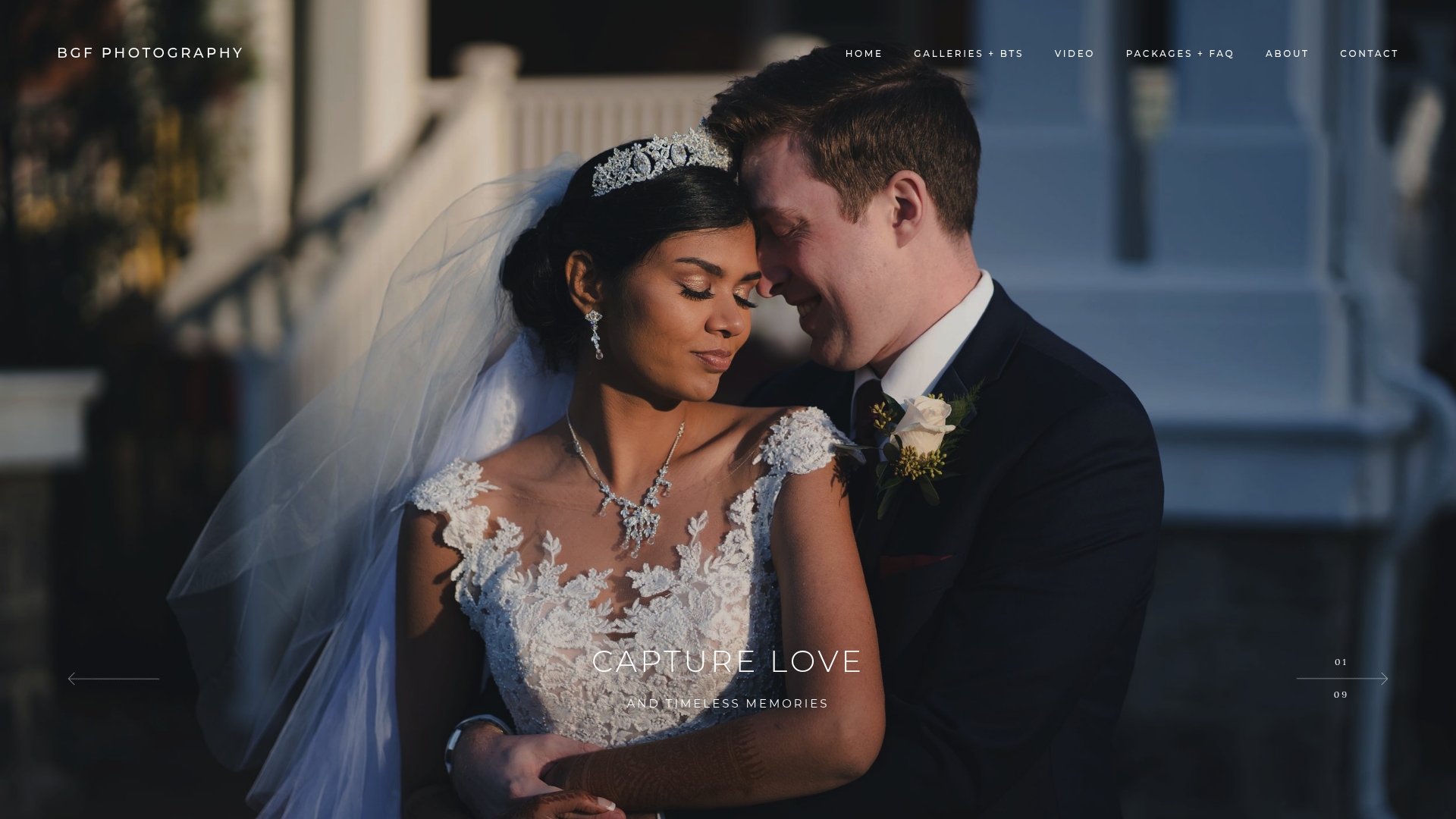
Their hybrid coverage model means your photography and videography are handled by one team with a shared vision. There is no coordination gap between two separate studios. The result is a ceremony film and a photo gallery that feel like they belong together. BGF Photography’s local knowledge of Buffalo and Rochester venues means they arrive prepared, not guessing. Their packages include options for full-length ceremony edits, highlight films, and additional coverage hours. Couples can review full package details and pricing directly to find the right fit for their wedding day.
FAQ
What does ceremony filming capture that photography cannot?
Ceremony filming captures live audio, including vows and music, along with movement and ambient atmosphere. Photography records a single frozen frame and cannot preserve sound or sequence.
How far in advance should we book a Buffalo wedding videographer?
Most Buffalo couples book their videographer 12–18 months before the wedding date, especially for popular summer and fall weekends. Popular local teams fill their calendars quickly.
Is a full-length ceremony edit worth the extra cost?
Yes. The full-length edit preserves your complete vows and the ceremony’s emotional arc. Couples report that ceremony films gain emotional significance over 5 to 20 years, making the full edit the most lasting part of your wedding investment.
What is the difference between a highlight film and a documentary edit?
A highlight film is a 3–5 minute edited reel set to music, designed for sharing. A documentary edit is a full-length recording of the ceremony as it happened, including all vows, readings, and rituals.
Does BGF Photography offer both photography and videography for ceremonies?
BGF Photography specializes in hybrid coverage, providing both photography and videography under one cohesive style. Couples can review available ceremony filming packages on their investment page.