
If your top priority is archival, print-quality images, hire a photographer. If you want fast, vertical, social-ready clips before the reception even ends, hire a wedding content creator? Want both a timeless gallery and same-day shareable content? Book both, and coordinate them early. Clients typically see photo galleries in four to eight weeks against content-creator teasers delivered in 24 to 48 hours.
TL;DR:
- Hiring both a photographer and a content creator ensures you get archival images for long-term memories and fast social clips for immediate sharing.
- Coordination planning is essential to prevent vendors from obstructing each other's shots during key moments like vows and ceremonies.
- Budgeting around $3,000 to $4,700 for photography is standard, with content creation often added as an extra rather than a standalone service.
- Consider your priority for archival quality versus social media presence to decide whether to hire a videographer, content creator, or both.
Table of Contents
- Wedding Content Creator Vs Photographer: What Each One Actually Does
- What Deliverables and Turnaround Times Should You Expect?
- How Much Should You Budget for Each Role?
- How Do You Decide Who To Hire?
- How Do You Coordinate Multiple Visual Vendors Without Chaos?
- What Couples Get Wrong About Choosing Between These Roles
- Book Hybrid Coverage That Actually Works Together
- Sources
- FAQ
Wedding Content Creator Vs Photographer: What Each One Actually Does
The confusion between these two roles comes down to one thing: they are solving different problems on the same day. A photographer is building an archive. A content creator is building a feed. Neither is doing the other's job, no matter how similar their cameras might look strapped around their necks.
A wedding photographer works with composed lighting, deliberate posing for portraits, and a technical eye trained on producing images that hold up decades from now. Expect a DSLR or mirrorless body, multiple lenses, off-camera flash or reflectors for tricky light, and a workflow built around retouching and color correction after the event. The photographer's job is to freeze specific, irreplaceable moments (the ring exchange, the first look, the grandparents dancing) in a format that prints beautifully at 16x20 and still looks sharp on a screen in 2046. A content creator works differently. According to ONE STORY WEDDINGS, the standard toolkit is a phone (often paired with a gimbal for smooth motion), shot vertically, edited fast, and posted before the cake is cut. There is no lighting setup, no posing direction, and often no formal shot list. The goal is behind-the-scenes texture: the nervous energy in the getting-ready suite, a candid laugh during toasts, a blurry, joyful dance-floor clip that feels like it was filmed by a friend, because in spirit, it was.
Videography sits in its own lane, closer to photography's mindset but with a completely different output. A videographer captures ceremony audio (vows, readings, live music), builds a narrative arc across the day, and typically needs weeks to cut a polished highlight film. That extended edit cycle is the tradeoff for cinematic quality: color grading, audio mixing, and pacing take real time.
Where do these roles overlap, and where do they not?
- Formal portraits and family groupings: photographer only. A content creator's phone footage cannot substitute for a posed, properly lit portrait session.
- Ceremony backup coverage: a photographer's second shooter or a videographer, not a content creator, since ceremony moments are unrepeatable and need dependable, high-quality capture.
- Same-day social buzz: content creator territory. Photographers and videographers are not built for 24-hour turnaround.
- Candid guest reactions: both roles can catch these, but a content creator's mobile approach tends to produce a higher volume of casual, in-the-moment clips throughout the day.
What Deliverables and Turnaround Times Should You Expect?
Deliverables are where the differences get concrete, and where a lot of couples get surprised after signing a contract without asking specifics.
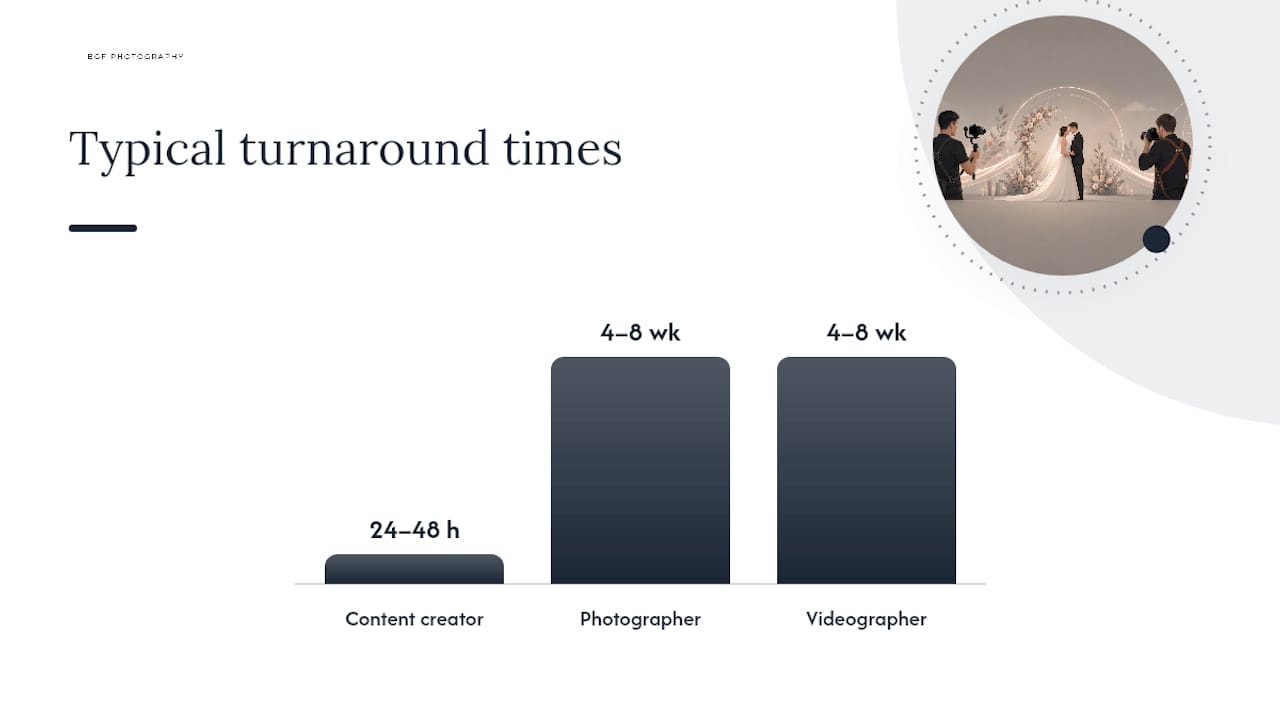
A photographer typically delivers a curated gallery, not every frame shot. Expect somewhere between 50 and 100 edited images per hour of coverage, depending on the photographer's style and the pace of the day. Retouching and color grading push turnaround to four to eight weeks for the full gallery, though many photographers send a handful of sneak peeks within a few days.
A content creator's output looks completely different: short vertical clips built for Instagram Reels and TikTok, often five to fifteen individual pieces from a single wedding, each fifteen to sixty seconds long. Turnaround is the headline feature here.
Content creators usually deliver teaser edits within 24 to 48 hours, while photographers commonly need four to eight weeks for a full gallery.
Videographers land in between on speed but ahead on production value. A highlight film (three to six minutes) usually arrives within four to eight weeks, similar to photo galleries, while a full ceremony recording or featurette can take longer depending on how much footage needs syncing and color correction.
A few practical details often get overlooked:
- Photographer files: print-ready JPEGs at full resolution, sometimes RAW files available at extra cost.
- Content creator files: vertical MP4s optimized for mobile viewing and direct upload, not built for large-format printing.
- Videographer files: finished highlight films plus, sometimes, raw ceremony audio and video separately.
- Music licensing matters more than couples expect. A content creator posting to TikTok or Instagram needs to use platform-approved audio to avoid a video getting muted or taken down, which can limit song choice compared to a videographer working outside social platform rules.
Ask every vendor upfront what file formats you are actually getting. "Digital gallery" can mean wildly different things depending on who you ask.
How Much Should You Budget for Each Role?
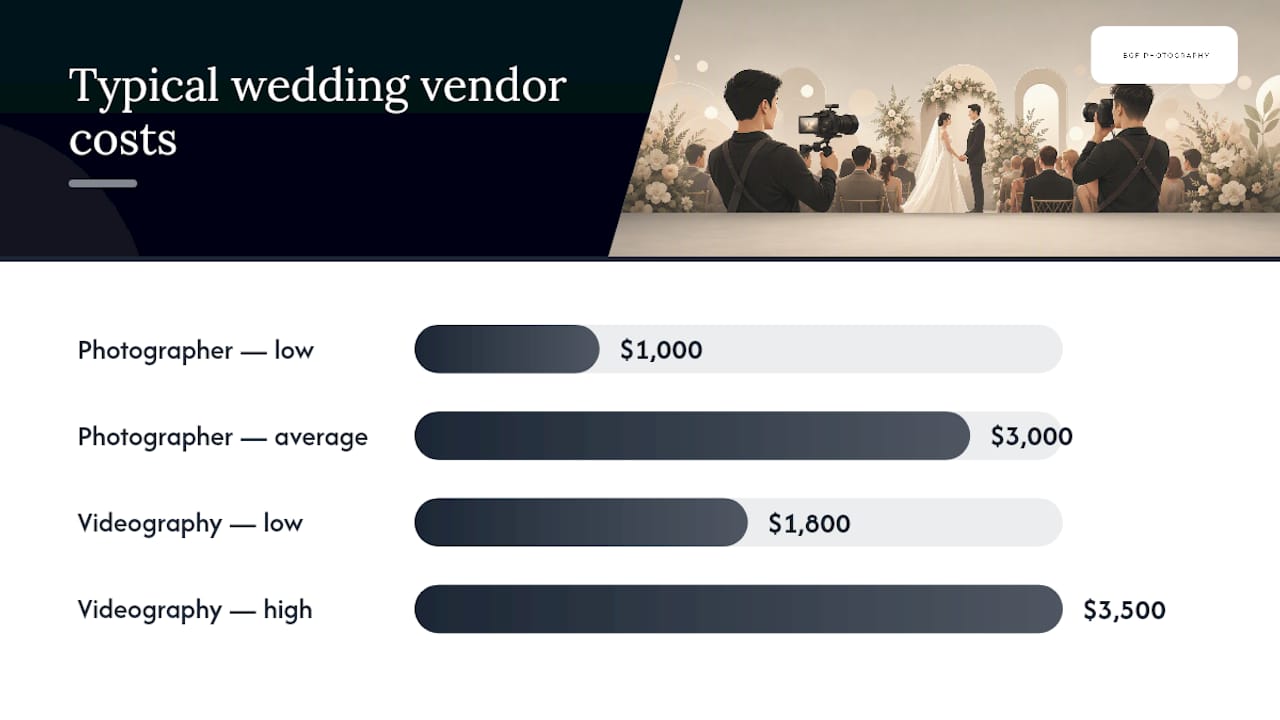
Photography pricing anchors most wedding budgets, and for good reason: it is usually the largest line item after venue and catering. National averages put wedding photographer costs around $3,000, with a realistic range from roughly $1,000 for entry-level coverage up to $7,000 or more for premium, full-day packages with a second shooter and albums included. Videography runs a bit lower on average, generally landing between $1,800 and $3,500 for a highlight film package.
Content creator pricing behaves differently because it is a newer, less standardized service. Rates vary widely by market and experience level, and add-ons (extra hours, multiple platforms, rush editing) increase cost quickly. Many couples now book content creators as an add-on to existing photo or video packages rather than as a standalone service, which keeps costs more predictable.
A few factors that move the total bill regardless of which vendor you hire:
- Additional shooters or a second content creator working simultaneously.
- Total coverage hours, especially anything beyond eight hours.
- Same-day edit requests, which require dedicated editing time on-site or immediately after.
- Add-on services like drone footage, film photography, or extra video deliverables.
Pro Tip: If your budget is tight, spend on the photographer first. Photos are the one deliverable you cannot recreate later. Video and content creation are valuable additions, but they are additions, not replacements, for a solid photography foundation.
Industry guidance consistently backs this order: book your photographer first, then layer in videography if audio and cinematic storytelling matter to you, then add a content creator if fast social content is a priority.
How Do You Decide Who To Hire?
Start with what you actually want to exist five, ten, and thirty years from now. That single question resolves most of the confusion.
- Identify your top priority. If it's a printed album your grandkids will flip through, prioritize the photographer. If it's your wedding going up on Instagram before your guests get home, prioritize a content creator.
- Check your budget ceiling. With $4,000 to $4,700 for full-day hybrid coverage, as with BGF Photography's Full Wedding Day package, you can often get both photography and video-style content under one team rather than paying two vendors separately.
- Decide if you need videography specifically. If ceremony audio (vows, readings) matters to you, a content creator's silent-friendly, platform-driven clips will not cover that need. You need a videographer.
- Consider guest privacy. Content creators posting live or same-day raise real questions about who appears in footage and where it ends up. Confirm posting permissions with your creator in writing.
- Map out overlap risk. If you are hiring a photographer, videographer, and content creator, all three will be shooting the same fifteen-minute ceremony. Without a plan, someone ends up in someone else's shot.
Before signing anything, ask each vendor:
- What is your turnaround time for previews and full delivery?
- What file formats and resolutions do I receive?
- Who owns the usage rights, and can I post the footage anywhere I want?
- How do you handle music licensing for social platforms?
- What happens if two of your vendors are shooting the same moment? Do you have a priority protocol?
Red flags worth walking away from: vague answers about deliverables, no written contract covering rights and licensing, or any vendor promising unusually fast turnaround with no explanation of how. Fast delivery is possible, as content creators prove daily, but it should come with a clear workflow explanation, not just a promise.
How Do You Coordinate Multiple Visual Vendors Without Chaos?
The single biggest practical failure point in hybrid coverage is not skill. It's positioning. Two shooters aiming for the same angle during the vows will end up in each other's frame, or worse, blocking each other entirely.
Defining who stands where during key moments (the vows, the first kiss, the ring exchange) before the day starts is the most effective way to prevent creators from stepping on photographers, and vice versa. This does not need to be complicated. A shared coverage map, agreed on during the planning calls, solves most of it.
What should be locked in before the wedding:
- A shared shot list covering must-have moments for every vendor involved.
- A coverage map showing where each person stands during the ceremony and key reception moments.
- A contact chain so vendors can reach each other directly on the day, not through the couple.
- A backup plan for weather, timeline delays, or a vendor running behind.
Hybrid coverage (photography, videography, and content add-ons under one team) is structured specifically to reduce this friction. When one team is coordinating photo, video, and social content together, there is no guesswork about who gets priority at the altar. Candid-first shooting techniques mean the team is already trained to work around each other rather than compete for the same three feet of space, and optional film photography adds a nostalgic layer without adding a fourth person to coordinate.
Pro Tip: Ask any multi-vendor team directly how many people will physically be present during the ceremony, and whether drone coverage requires a separate pilot or permit for your venue. Staffing surprises on the wedding day are avoidable with one email beforehand.
What Couples Get Wrong About Choosing Between These Roles
Most couples treat this as an either/or decision when it rarely is. In practice, the couples who end up happiest are the ones who figured out early which moments needed archival treatment and which ones just needed to exist online by dinner.
I've seen weddings where a content creator added real value specifically because the couple had a large out-of-town guest list who couldn't attend. Same-day clips let grandparents watching from another state feel like they were there, while the photographer quietly handled the portraits and ceremony that would matter in twenty years. That's the pairing working as intended, not two vendors competing for the same shot.
The mistake I see most is hiring multiple visual vendors with zero coordination conversation beforehand. Guests notice when three people are jockeying for the same angle during vows, and it changes how natural the day feels. A five-minute planning call fixes almost all of it.
— Billy
Book Hybrid Coverage That Actually Works Together
Hybrid packages give you photography and content creation from one coordinated team, so you are not stitching together two separate vendors and hoping their schedules and angles line up. That single-team structure is the direct fix for the overlap and coordination problems covered above: one shared plan, one point of contact, and a consistent candid style across every deliverable.
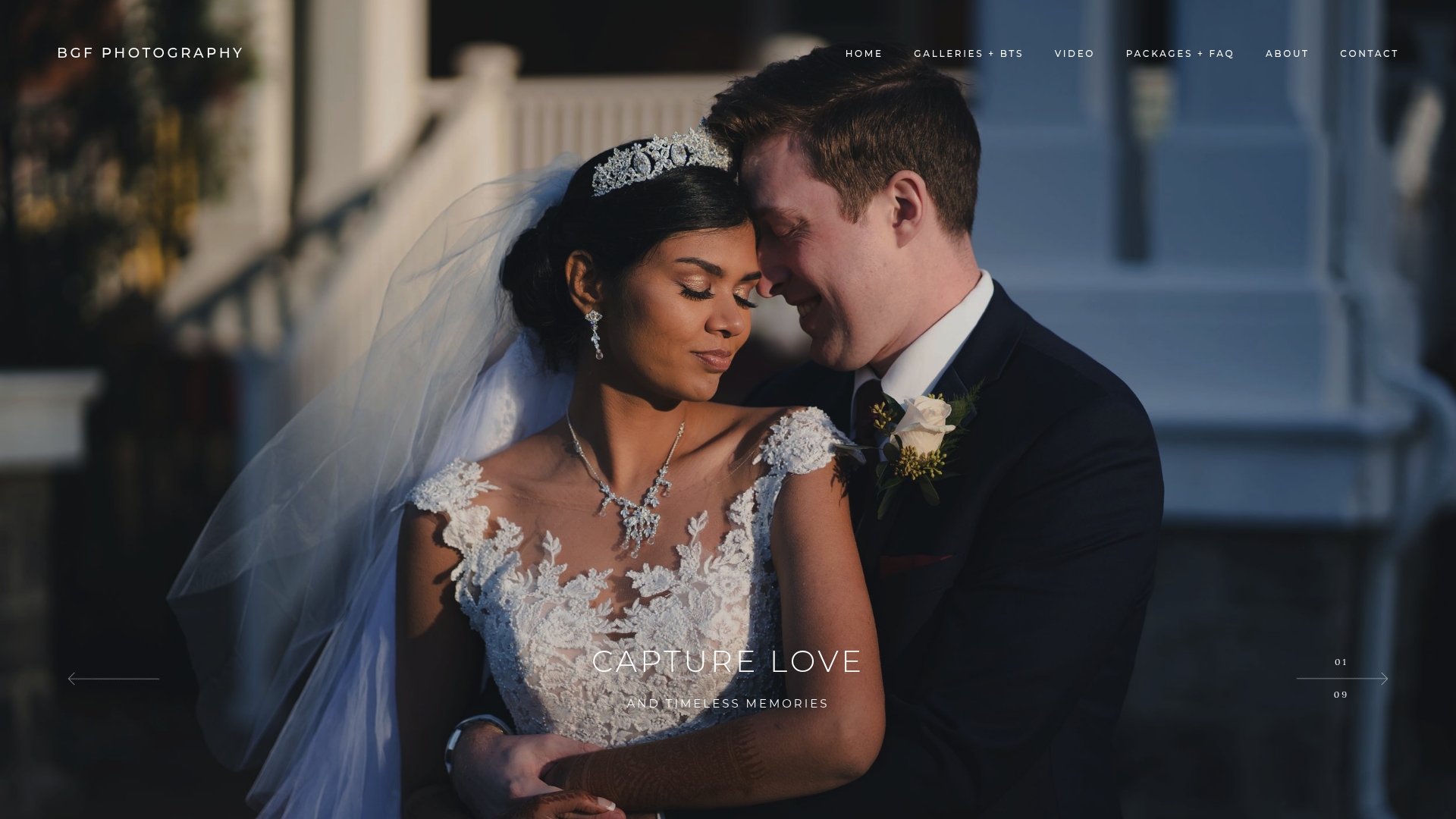
Couples booking the Full Wedding Day package get archival photography built on a natural, unobtrusive shooting style, with options to add Half Day or Full Day Content coverage for same-day social clips, plus optional medium format and 35mm film for a nostalgic layer traditional digital cameras cannot replicate. BGF Photography serves couples across Buffalo, Rochester, and the Finger Lakes region. If you want to see how hybrid coverage would work for your specific timeline, check availability for your date and ask about sample same-day edits before you book.
Sources
Pricing figures in this guide come from WithJoy's wedding photographer cost breakdown. Role definitions and turnaround comparisons draw on ONE STORY WEDDINGS and Zola's expert advice on hiring content creators. Trend context on why couples increasingly want social-first coverage comes from Vogue's reporting on wedding content creators.
- Wedding Content Creator vs. Photographer: Do You Really Need Both? — ONE STORY WEDDINGS
- Wedding Content Creator: What They Do & How to Hire One - Zola Expert Wedding Advice
- Wedding photographer cost in 2026: what couples actually pay — WithJoy
FAQ
Is a Content Creator Worth It for a Wedding?
It depends on your priorities. A content creator is worth it if you want fast, shareable clips and behind-the-scenes energy, but it works best as a complement to, not a replacement for, a photographer who handles archival images.
Is a Content Creator or Videographer Better for My Wedding?
If ceremony audio and a cinematic, edited story matter to you, choose a videographer. If speed and social-ready vertical clips matter more, a content creator fits better, and many couples now book both roles for different purposes.
Is $4,000 a Lot for a Wedding Photographer?
Not necessarily. National averages put photographer pricing around $3,000, with premium full-day packages regularly reaching $7,000 or more, so $4,000 sits within a normal mid-to-upper range. BGF Photography's Full Wedding Day package runs from $4,000 to $4,700, which typically includes hybrid photo and video coverage rather than photography alone.
How Much Does a Content Creator Make for Weddings?
Content creator rates for weddings vary widely by market and are less standardized than photography pricing, so there's no single reliable national figure. Many couples now book content creation as an add-on to existing photo or video packages rather than pricing it as a fully separate service.