
TL;DR:
- Candid wedding photography captures genuine, unposed moments that tell a heartfelt story of the couple’s day. It requires preparation, trust, and subtle guidance from the photographer to produce authentic and well-composed images. Balancing formal portraits with candid coverage creates a memorable gallery filled with emotional and natural moments.
Candid wedding photography is defined as the art of capturing genuine, unposed moments as they naturally unfold on your wedding day. The industry term for this approach is documentary wedding photography, and the two phrases describe the same core philosophy: real emotion over rehearsed poses. Unlike traditional portrait sessions, candid photography for weddings prioritizes storytelling, catching the tear on your father’s cheek before he walks you down the aisle or the burst of laughter between your bridesmaids. BGF Photography has built its entire approach around this style, blending documentary truth with a thoughtful artistic eye to produce galleries that feel alive. The result is a wedding album that reads like a story rather than a catalog of formal shots.
What is candid wedding photography and how does it work?
Candid wedding photography is documentary-style image capture focused on real, unposed moments and genuine emotions. The goal is not to eliminate the photographer’s presence but to make it invisible, so the people in the frame behave naturally. That distinction matters more than most couples realize when they start planning their coverage.
The style sits on a spectrum. At one end is fully unscripted coverage where the photographer observes and shoots without any input. At the other end is loosely guided candid work, where the photographer sets a scene or suggests a location but never scripts the interaction. Most professional photographers, including the team at BGF Photography, operate in the middle of that spectrum, combining documentary authenticity with editorial composition to produce images that are both natural and visually strong.
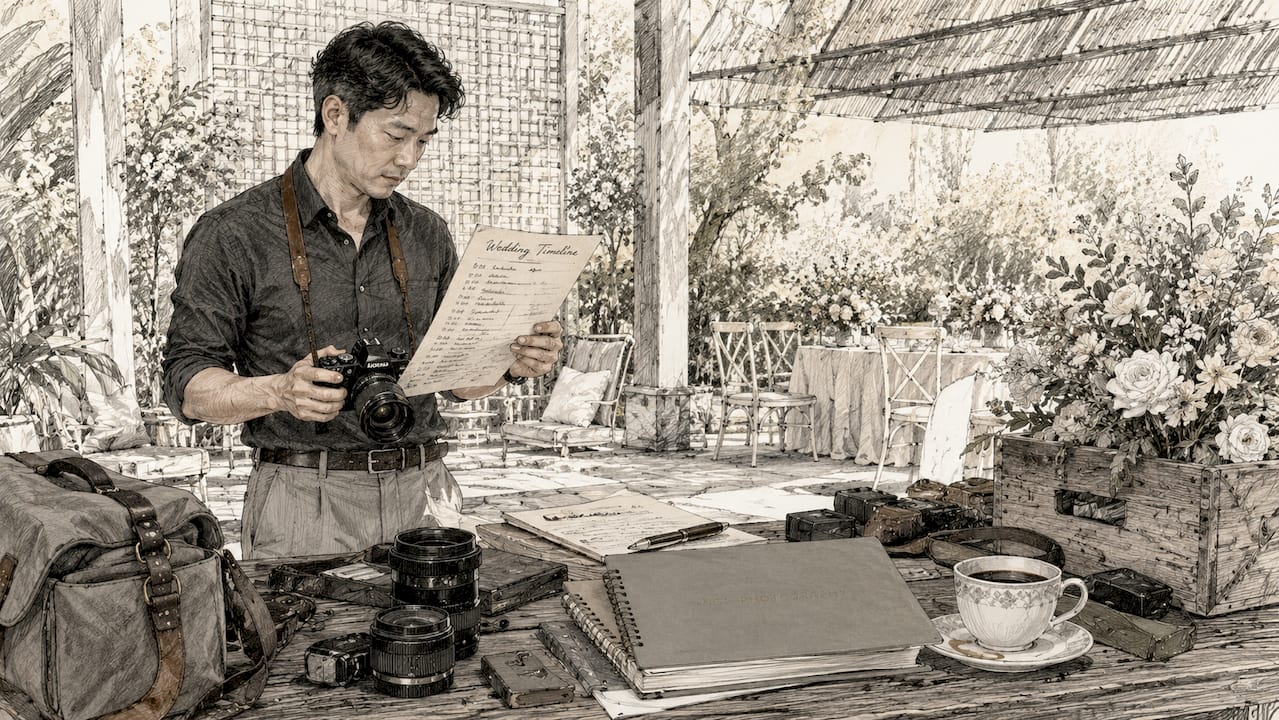
What separates a skilled candid photographer from a casual observer is preparation. Understanding the wedding timeline, knowing the family dynamics, and scouting the venue in advance allows a photographer to be in the right place before a moment happens. That preparation is what turns a lucky snapshot into a technically excellent photograph with real emotional weight.
How does candid photography differ from traditional and documentary styles?
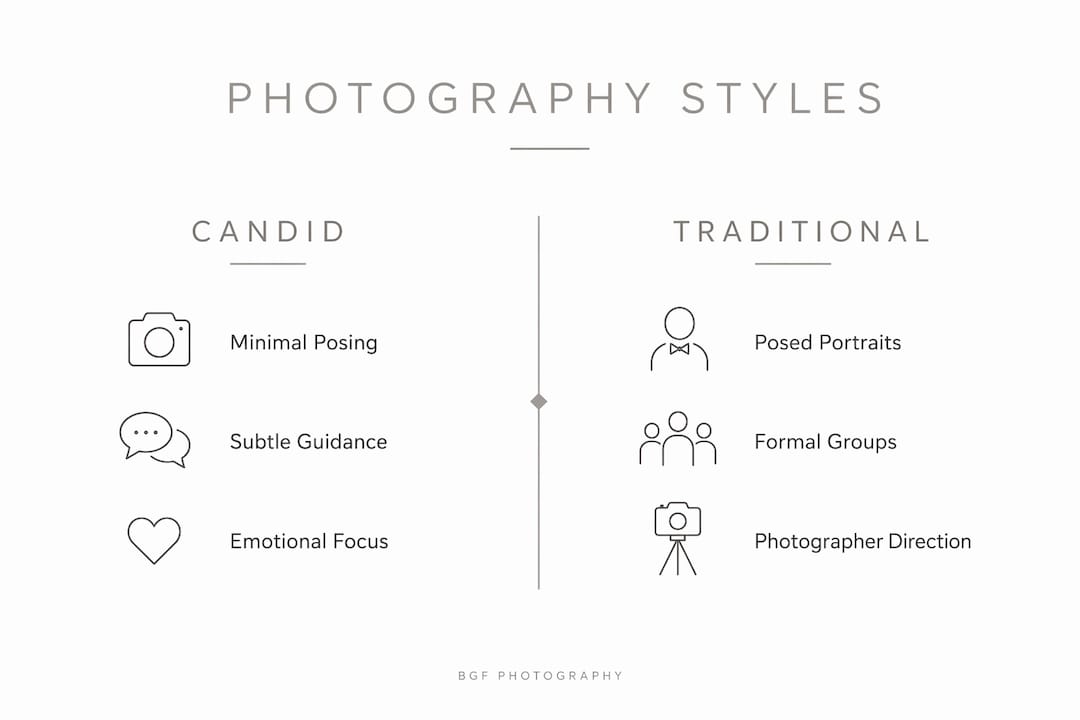
Traditional wedding photography centers on posed portraits and formal group shots. The photographer directs every element: where you stand, how you hold your hands, where you look. The results are clean and predictable, which many couples value, but they rarely capture the unguarded emotion that makes a wedding feel real in retrospect.
Documentary wedding photography sits at the opposite end. A strict documentary photographer never intervenes. No repositioning for light, no quiet suggestion to move closer together. The images are raw and honest, but the technical quality can suffer when lighting or composition is left entirely to chance.
Candid wedding photography occupies the space between those two approaches. It is the “sweet spot” that blends the emotional honesty of documentary work with enough subtle guidance to produce well-composed, well-lit photographs. A candid photographer might quietly move a couple two steps to the left to use better window light, but will never tell them how to hold each other or where to look.
The table below shows how these three styles compare across the characteristics that matter most to couples:
| Characteristic | Candid | Traditional | Documentary |
|---|---|---|---|
| Posing level | Minimal, subtle guidance only | Fully directed | None |
| Emotional authenticity | High | Moderate | Very high |
| Technical consistency | High | Very high | Variable |
| Storytelling quality | Strong narrative arc | Formal record | Raw narrative |
| Photographer intervention | Light environmental adjustments | Heavy direction | Zero intervention |
Pro Tip: Schedule your formal portrait session early in the reception, right after the ceremony. Getting structured shots done efficiently creates uninterrupted time for candid coverage during cocktail hour and the rest of the evening, when the most genuine moments tend to happen.
Formal portraits still have a place in a candid wedding day. Managing them efficiently creates breathing room for the rest of the day. Couples who try to eliminate formal portraits entirely often regret missing the clean family groupings they later want for framing. The goal is balance, not elimination.
What types of candid wedding moments matter most?
The moments that resonate most in a finished wedding gallery are rarely the ones couples plan for. They are the in-between seconds: the quiet breath before the ceremony begins, the way your partner’s face changes when they see you for the first time. These are the peak emotional moments that a prepared candid photographer anticipates and positions for in advance.
The following moment types consistently produce the most meaningful candid wedding photos:
-
The first look. Whether planned or spontaneous, the first time partners see each other on the wedding day produces raw, unfiltered emotion that no posed portrait can replicate.
-
Quiet anticipation. Getting ready, sitting alone before the ceremony, or a private moment between the couple and a parent. These images carry enormous weight in the final gallery.
-
Ceremony reactions. Tears, laughter, and wide-eyed surprise from guests and the wedding party during vows and ring exchanges tell the story of how the room felt.
-
Speech moments. The speaker’s face, the couple’s reaction, and the crowd’s response during toasts create a three-part emotional narrative within a single event.
-
Candid family moments. Children running between tables, grandparents watching the first dance, siblings sharing a private joke. These candid family moments at a wedding are often the images couples return to most.
-
Dance floor energy. Uninhibited movement and genuine joy on the dance floor produce some of the most visually dynamic images of the entire day.
The common thread across all of these is that they require the couple to be fully present and not performing for the camera. When you are genuinely absorbed in the moment, the photographer captures something true. That is the entire premise of the candid wedding photography style.
A useful way to think about it: the best candid wedding photo examples are the ones where you forget a photographer was in the room. You look at the image and feel the moment again rather than remembering the act of being photographed. That quality cannot be manufactured in a posed session. It can only be caught.
Pro Tip: Share a short list of must-have candid moments with your photographer before the wedding. A candid wedding photos must-have list helps your photographer prioritize without scripting the day.
How can couples prepare for candid wedding photography?
Preparation for candid coverage is less about what you do on the day and more about the mindset you bring to it. Couples who prioritize feeling present over looking perfect consistently end up with stronger galleries. That shift in focus is the single most effective thing you can do before the wedding.
Practical preparation still matters. The following steps make a real difference in the quality of your candid coverage:
-
Communicate your priorities early. Tell your photographer which relationships, moments, and parts of the day matter most to you. A good photographer will build their positioning strategy around that information.
-
Build a realistic timeline. Rushed timelines compress the space where candid moments live. Work with your photographer to build in buffer time, especially around the ceremony and cocktail hour.
-
Trust the process. Candid photography requires intense multitasking from the photographer: reading emotional cues, adjusting for light, and navigating family dynamics simultaneously. Your job is to let them work.
-
Limit camera awareness. Resist the urge to look for the camera or check whether you are being photographed. The moment you start performing, the authenticity disappears.
-
Understand subtle guidance. Your photographer may occasionally suggest a small adjustment, like stepping into better light or moving slightly for a cleaner background. That is not posing. It is the hybrid candid method at work, combining environmental awareness with hands-off observation.
Understanding the full range of wedding photography styles before you book helps you confirm that candid coverage is the right fit for your personality and vision. Couples who are uncomfortable with unposed images tend to feel more at ease once they understand that subtle guidance is always part of the process.
For a deeper look at what to expect on the day itself, the BGF Photography guide on preparing for candid wedding photos walks through timeline planning, communication strategies, and what to tell your guests about the photography approach.
Key Takeaways
Candid wedding photography produces the most emotionally authentic images when couples trust their photographer, stay present in the moment, and allow subtle guidance to enhance rather than replace genuine interaction.
| Point | Details |
|---|---|
| Candid is not unguided | Photographers use subtle environmental adjustments to improve light and composition without staging moments. |
| Preparation drives results | Timeline awareness and early communication with your photographer directly improve candid coverage quality. |
| Formal portraits support candid work | Scheduling structured shots efficiently creates uninterrupted space for genuine moments throughout the day. |
| Presence beats performance | Couples who focus on experiencing the day rather than looking good for the camera get stronger galleries. |
| Emotional moments are predictable | Key candid moments like the first look, ceremony reactions, and speech responses can be anticipated and positioned for in advance. |
Why I think most couples misunderstand what candid photography actually demands
Most couples assume candid wedding photography is the easy option. No posing, no direction, just a photographer wandering around with a camera. That assumption is wrong, and it leads couples to undervalue the skill involved.
Candid photography demands active observation at a level that traditional portrait work simply does not require. A portrait photographer can reset and reshoot. A candid photographer gets one chance at every moment. That means reading a room constantly, anticipating where emotion is about to peak, and being in position before it happens. The technical demands are just as high as any other style, and the margin for error is smaller.
What I have found in practice is that the couples who get the best results are the ones who understand this and extend genuine trust to their photographer. Not passive trust, where they just stay out of the way, but active trust, where they communicate openly, share what matters to them, and then let go of the outcome. That combination of clear communication and relaxed presence is what creates the conditions for images that feel true.
The other misconception worth addressing is that candid means no formal portraits. The two are not in conflict. Formal portraits, handled efficiently, actually protect the candid coverage by creating a defined window for structured shots. Once that window closes, the photographer can focus entirely on observation. The balance between formal and candid coverage is something every experienced photographer manages deliberately, not accidentally.
If you are drawn to candid photography because you want images that feel real, trust that instinct. Just know that getting those images requires a photographer who treats the work as seriously as any other discipline, and a couple willing to be fully present on their own wedding day.
— Billy
BGF Photography’s approach to candid wedding coverage
BGF Photography specializes in candid wedding photography and videography across the Buffalo and Rochester, NY areas, with a style built around documentary truth and artistic intention.
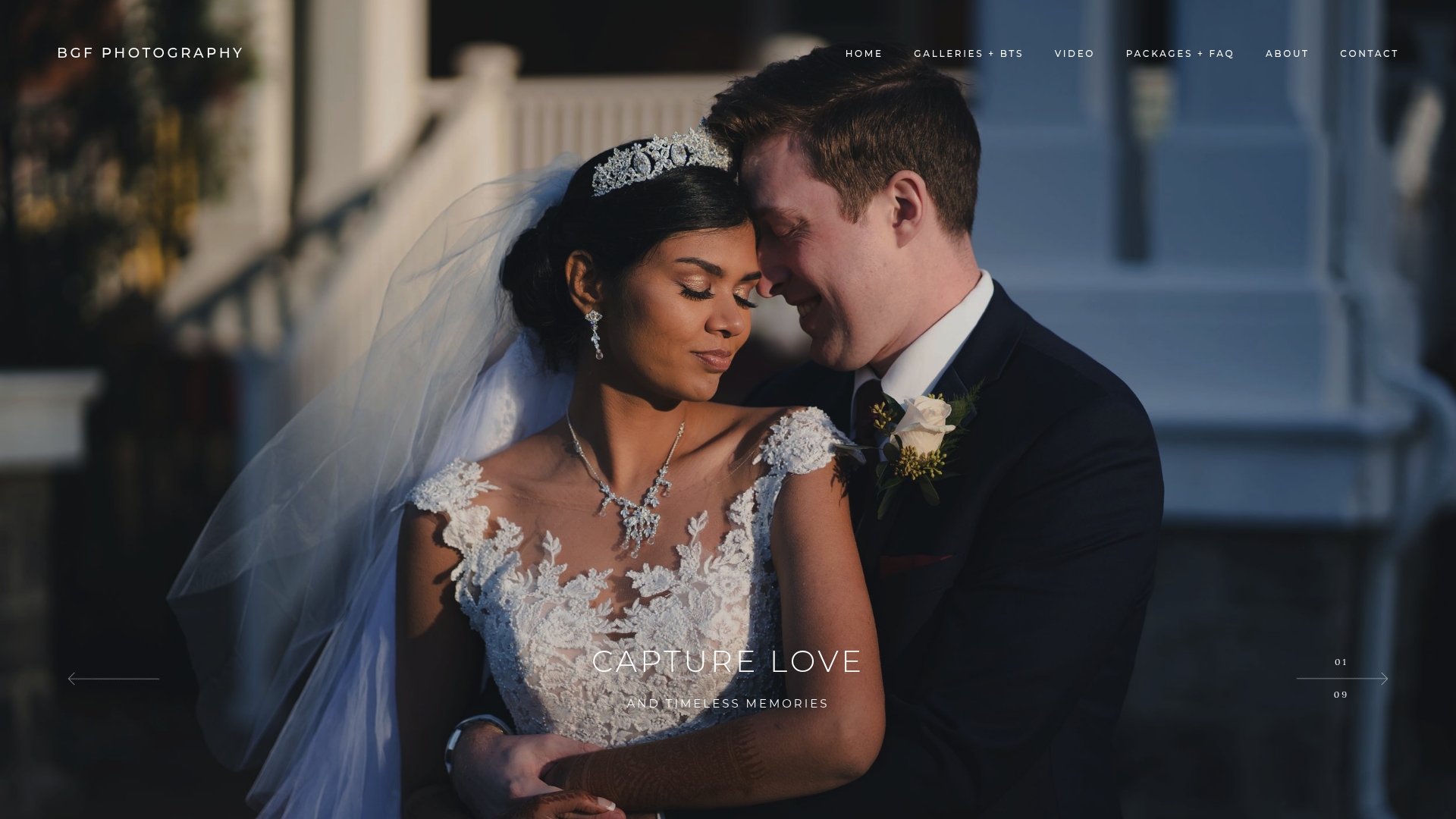
Every couple gets a personalized consultation to align on timeline, priorities, and the moments that matter most to them. BGF Photography’s hybrid approach combines film photography with digital coverage, adding a nostalgic quality that sets the final gallery apart. The option to book both photography and videography under one cohesive vision means your entire wedding day is documented with a consistent style and eye. Visit the packages and FAQ page to review coverage options and start a conversation about your wedding day.
FAQ
What is the difference between candid and documentary wedding photography?
Candid wedding photography uses subtle guidance to improve light and composition while keeping moments unposed. Documentary photography is strictly hands-off, with zero photographer intervention.
Does candid wedding photography include any posed shots?
Most candid photographers include a short formal portrait session for family groupings and couple portraits. The rest of the day focuses on unposed, naturally unfolding moments.
How do I choose a candid wedding photographer?
Review their portfolio for images that show genuine emotion rather than directed poses, and ask how they handle the balance between formal portraits and candid coverage. A photographer selection guide can help you ask the right questions.
What makes candid wedding photos look natural?
Natural-looking candid photos come from couples who stay present and trust their photographer. Subtle environmental adjustments by the photographer, like positioning for better light, improve quality without disrupting authenticity.
How should I prepare for a candid wedding photography style?
Share your priorities and timeline with your photographer early, build buffer time into your schedule, and focus on experiencing the day rather than performing for the camera.