
TL;DR:
Candid bridal portraits capture genuine emotion without posing, making them the most treasured images over time.
Pre-wedding shoots and moving 70% of body weight to the back foot help brides feel relaxed and produce natural-looking photos.
Candid bridal portraits are unposed, unscripted images that capture genuine emotion rather than a rehearsed expression. The industry term for this approach is documentary or photojournalistic bridal portraiture, and it produces the images most brides say they treasure most years after the wedding. The best candid bridal portrait tips for brides focus on two things: emotional comfort and physical ease. When you feel relaxed and trust your photographer, your face and body stop performing and start being. This guide covers exactly how to prepare, how to move, and how to work with your photographer so every frame reflects who you actually are.
What are the best candid bridal portrait tips for brides?
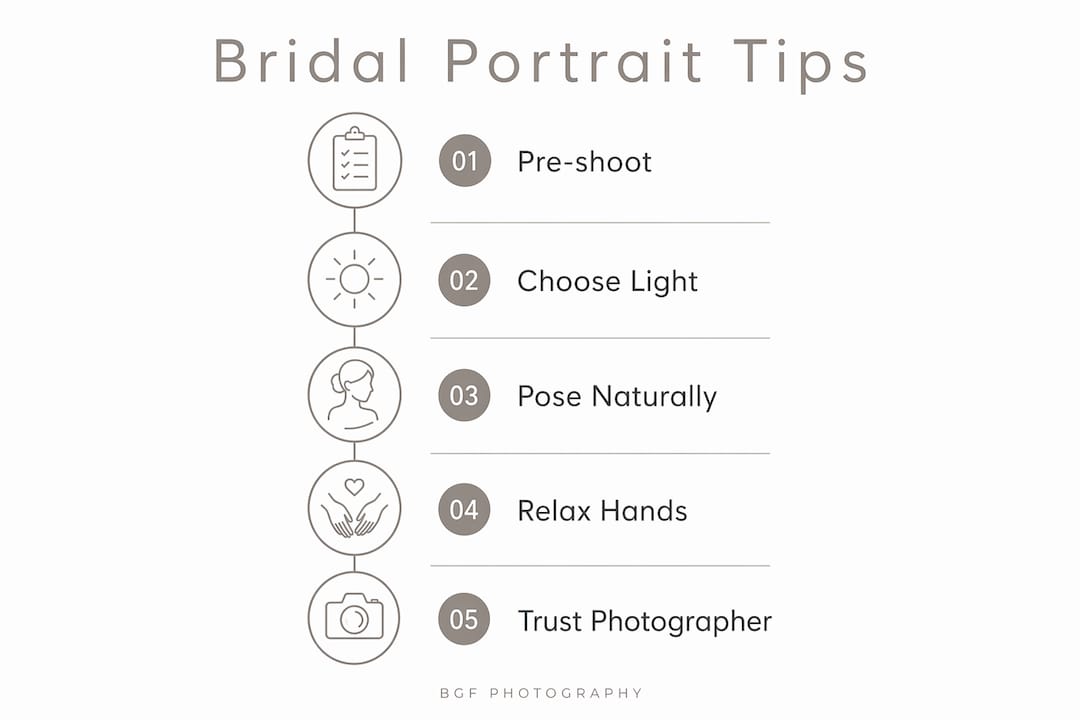
The single most effective preparation strategy is a pre-wedding shoot with your photographer before the wedding day. Pre-wedding shoots build rapport so that by the time your wedding morning arrives, the camera feels familiar rather than threatening. That familiarity is what allows a photographer to capture high-emotion candid moments instead of stiff, camera-aware expressions.
A balanced wedding album follows an approximately 70/30 split between candid and traditional images. That ratio matters because it means you still get the classic framed portraits your family expects, while the majority of your gallery tells the real story of your day. Experts recommend spending the first 10–15 minutes on a focused set of traditional poses before transitioning into candid movement. This structure removes the pressure of “getting the shot” and frees both you and your photographer to let moments unfold naturally.
Choosing the right location and light
Natural light is the most flattering and forgiving light source for bridal portraits. Position yourself a few feet back from a window rather than directly in front of it. Standing back from a window while doing something other than looking at the camera reduces self-consciousness and produces softer, more natural expressions. The light wraps around you instead of flattening your features, and your eyes have somewhere genuine to look.
Meaningful locations also help. A spot that connects to your relationship, your venue’s architecture, or a garden you love gives you something real to respond to. That emotional connection shows up in the final image in ways that a generic backdrop never can.
Preparing your mind and body
Mental preparation is as important as any physical tip. Before your portrait session begins, take three slow breaths and focus on one specific feeling: excitement about the day, love for your partner, or gratitude for the people around you. Anchoring to a real emotion gives your face something honest to express.
Wear your dress and shoes for at least 30 minutes before portraits start. Moving in your outfit before the camera appears removes the stiffness that comes from wearing something unfamiliar. Loose, relaxed hands are a direct result of a body that feels comfortable in its clothes.
-
Practice your bouquet hold. Hold it at belly button height with relaxed fingers, not a white-knuckle grip.
-
Loosen your jaw. Drop your shoulders and unclench your teeth before you walk into any portrait setup.
-
Wear your shoes in. Even 20 minutes of walking in your heels before portraits prevents the distracted, uncomfortable look that new shoes create.
-
Know your angles. Spend five minutes in front of a mirror the morning of your wedding so you arrive with confidence, not uncertainty.
Pro Tip: Tell your photographer your least favorite feature before the wedding day. A skilled photographer will naturally frame and light to minimize it without you ever having to think about it during the session.
How do posing techniques create natural-looking bridal portraits?
The most effective posing techniques for natural bridal portraits are almost invisible. They are small physical adjustments that prevent stiffness without making you look like you are trying to pose. The goal is to create gentle curves and a relaxed silhouette that reads as effortless in a photograph.
Shifting 70% of your body weight to your back foot is the single most transformative posing adjustment a bride can make. This weight shift softens your silhouette and eliminates the flat, boxy look that comes from standing with equal weight on both feet. Your hip naturally drops, your waist narrows, and your whole body looks more at ease.
Hands, arms, and small movements
Hands are the hardest part of any portrait. Stiff hands signal tension to the camera immediately. Keep a small gap between your arms and your body so your arms do not press flat against your sides. Bend your wrists slightly and let your fingers fall naturally rather than spreading them or pressing them together.
Small movements create dynamic, candid-feeling frames even during a posed session. Lift your veil gently, adjust a strand of hair, or look down at your bouquet for a moment. Giving yourself a natural task like adjusting your jewelry or shifting your bouquet dissolves performative tension and produces genuine expressions. The camera catches you in the middle of doing something real, and that is exactly what candid portraiture looks like.
-
Weight on the back foot. Drop your front hip slightly and let your body follow naturally.
-
Bend something. A bent elbow, a soft knee, or a tilted wrist breaks rigidity and creates elegance.
-
Look away from the lens. Direct eye contact with the camera triggers performance mode. Look at your bouquet, your hands, or a point just past the photographer’s shoulder.
-
Move between frames. Take a step, turn slightly, or look up from a downward gaze. Movement between shots produces the most natural candid images.
-
Breathe through your mouth. Breathing through your mouth just before the shutter clicks relaxes your jaw and softens your entire facial expression.
Pro Tip: Ask your photographer to use micro-direction: short, one-breath cues like “chin forward and down” or “soften your left hand.” Micro-direction is more effective than vague encouragement under the time pressure of a wedding day.
| Posing element | What to do | Why it works |
|---|---|---|
| Body weight | Shift 70% to back foot | Softens silhouette and narrows waist |
| Arms | Keep a small gap from body | Prevents flat, pressed look |
| Hands | Bouquet at belly button, relaxed fingers | Removes tension visible in close-up frames |
| Eyes | Look away from the lens | Avoids performance mode and forced expression |
| Breath | Breathe through mouth before click | Relaxes jaw and softens facial tension |
How do you work with your photographer for authentic candid portraits?
The photographer-bride relationship is the foundation of every great candid image. A photographer who knows your personality, your anxieties, and your preferences can anticipate moments before they happen. One who does not know you will spend the session reacting instead of predicting, and the difference shows in the final gallery.
Communicate your preferences well before the wedding day. Tell your photographer which side of your face you prefer, whether you dislike posed smiles, and any specific moments you want captured. Building familiarity early in the day allows the technical aspects of photography to fall naturally into place, because neither of you is spending energy on introductions.
Letting the photographer disappear
The best candid wedding photography happens when you forget the camera is there. Skilled photographers use positioning and movement to stay outside your direct line of sight. Avoiding direct eye contact with the photographer is the most effective way to prevent yourself from slipping into performance mode. Look at your partner, your bridesmaids, or the details of your dress instead.
Photographers who specialize in candid wedding photography often use a silent shutter and longer lenses to capture moments from a distance without interrupting them. An 85mm or 105mm lens, for example, allows a photographer to fill the frame with your expression from across the room without standing close enough to make you self-conscious. Understanding this technique helps you trust the process and stop scanning the room for the camera.
“The best portraits happen in the spaces between poses. When a bride stops waiting for the camera and starts living the moment, that is when the real images appear.”
-
Share your shot list early. A clear list of must-have moments removes day-of guesswork and reduces stress for both of you.
-
Spend time together in the morning. Even 15 minutes of casual conversation with your photographer before portraits begin builds the comfort that candid photography requires.
-
Trust the process. If your photographer asks you to look away or keep moving, follow the direction without asking why. The reasoning becomes clear in the final images.
-
Focus on your partner. The most powerful candid bridal portraits capture genuine connection. Look at your partner the way you actually look at them, not the way you think you should.
What mistakes make bridal photos look stiff or unnatural?
Treating portrait sessions like a performance is the most common mistake brides make. The moment you start performing for the camera, your expression closes off and your body tightens. The solution is to redirect your attention from the camera to something real: a memory, a feeling, or the person standing next to you.
Holding your breath is the second most common problem. Brides often inhale and freeze just before a shot, which locks the jaw and tightens the neck. Breathing through your mouth right before the shutter clicks is a simple fix that most brides never hear about until they see a stiff image and wonder what went wrong.
Keeping hands and face relaxed
Hands that have nothing to do look awkward in photographs. Keep your hands occupied with something natural: hold your bouquet loosely, touch a piece of jewelry, or rest one hand lightly on your hip. Natural tasks dissolve tension more effectively than any posing instruction because they give your body a reason to be in a position rather than a command to hold one.
Forced smiles are easy to spot and hard to fake convincingly. Genuine laughter, quiet thoughtful expressions, and soft smiles that reach the eyes are all more compelling than a held grin. If your photographer says something that makes you laugh, let it happen. Those unguarded moments produce the images that end up framed on walls.
-
Do not freeze between shots. Keep moving, adjusting, and breathing. Stillness reads as tension in photographs.
-
Avoid the “ready face.” The expression you hold while waiting for the shutter is almost never your best one. Stay in motion until the last possible moment.
-
Let imperfect moments happen. A genuine laugh with a slightly open mouth is more beautiful than a perfect smile that took three tries to achieve.
Pro Tip: If you feel self-conscious, look down at your bouquet for three seconds, then look up naturally. The upward glance produces a soft, genuine expression that no amount of posing instruction can replicate.
Key takeaways
Authentic candid bridal portraits require emotional comfort, physical ease, and a photographer you trust before the wedding day even begins.
| Point | Details |
|---|---|
| Build rapport before the day | A pre-wedding shoot with your photographer is the most effective preparation for natural, candid images. |
| Use the 70/30 structure | Start with 10–15 minutes of traditional poses, then let candid moments take over for the majority of the session. |
| Shift your weight | Moving 70% of your body weight to your back foot softens your silhouette and removes stiffness instantly. |
| Give your hands a task | Holding your bouquet loosely or adjusting jewelry dissolves tension and produces genuine expressions. |
| Breathe through your mouth | Releasing your jaw before the shutter clicks relaxes your face and prevents the frozen, stiff look. |
What I have learned about candid bridal portraits after years behind the lens
The brides who appear most natural in their portraits are almost never the ones who practiced the most poses. They are the ones who arrived emotionally present and willing to let go of the idea that every frame needs to be perfect. That shift in mindset is harder to teach than any posing technique, but it is the one that matters most.
I have watched brides spend weeks researching poses and then freeze completely when the camera appeared. I have also watched brides who said they were terrible in front of cameras produce stunning, genuine images because they trusted the process and stayed focused on the people they love. The difference is not skill. It is permission. Permission to look imperfect, to laugh too hard, to have a quiet moment that nobody staged.
The technical details matter too. Positioning near a window, using a longer lens, giving clear micro-direction, and building a session structure that moves from posed to candid all contribute to the final result. But none of those tools work if the bride is performing instead of being. My advice is always the same: spend time with your photographer before the wedding, tell them what makes you nervous, and then let them do their job while you focus on the day itself.
The images that brides contact me about years later are never the perfectly posed ones. They are the ones where something real happened and the camera was there to catch it. That is the whole point of candid wedding photography, and it is worth every bit of preparation it takes to get there.
— Billy
How BGF Photography helps brides capture genuine portraits
BGF Photography works with brides in the Buffalo and Rochester, NY areas to create wedding galleries that feel true to who they are. Every session begins with a conversation about your personality, your preferences, and what makes you feel at ease. That preparation is what separates a gallery full of genuine moments from one full of careful performances.
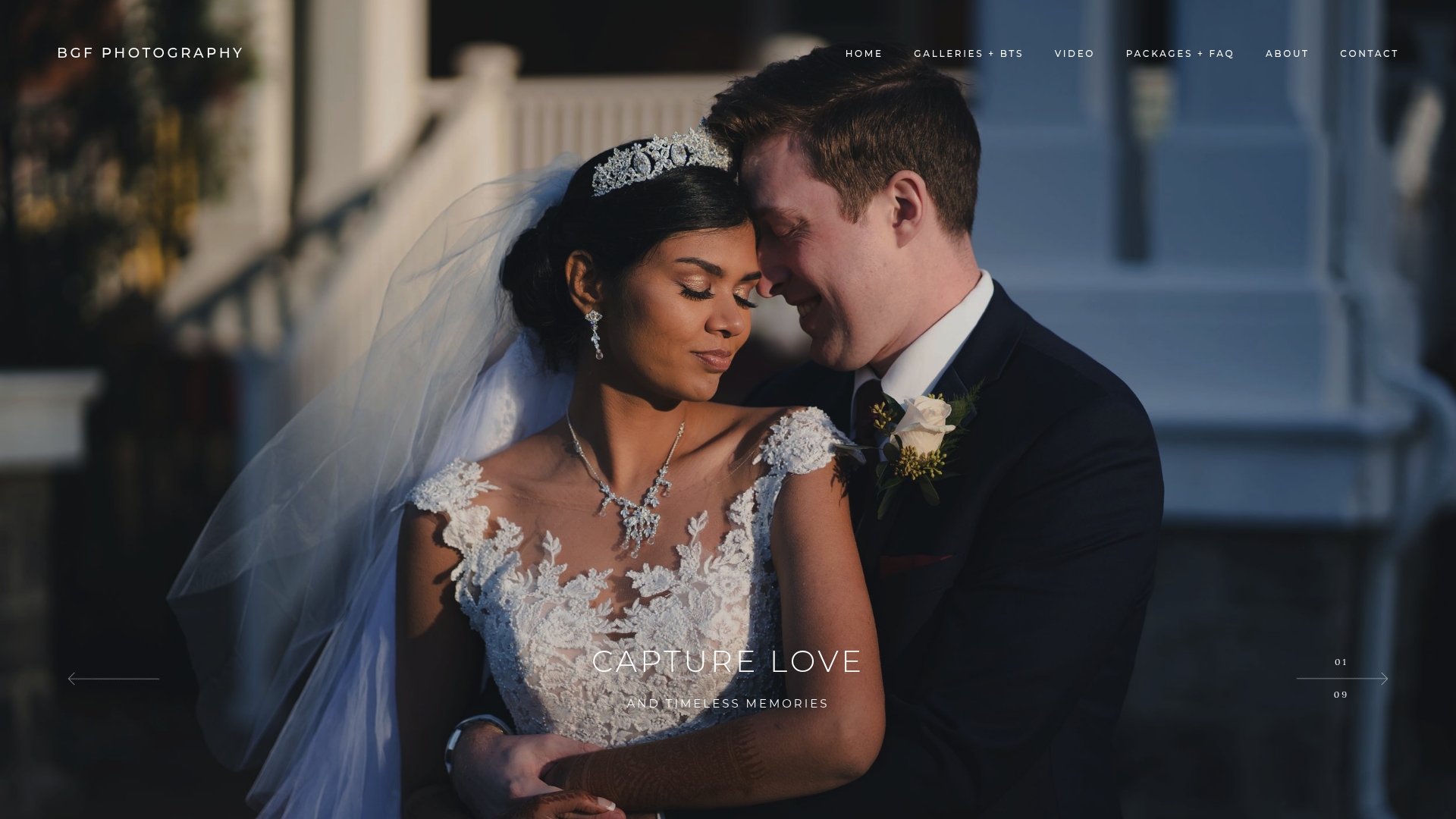
BGF Photography’s approach combines natural light techniques, unobtrusive positioning, and the kind of photographer-bride rapport that only comes from intentional preparation. Film photography adds a warmth and texture that digital alone rarely achieves. Hybrid coverage means your photography and videography share the same vision and style, so nothing feels mismatched. If you want portraits that look like you actually felt that way, explore the photography packages and options available and reach out to start the conversation.
FAQ
What makes a bridal portrait look candid?
A candid bridal portrait captures a genuine expression or moment rather than a held pose. The bride is typically engaged in a natural task or focused on something other than the camera.
How do I prepare for candid bridal photos?
Book a pre-wedding shoot with your photographer to build comfort and familiarity before the wedding day. Arrive emotionally present, wear your outfit in advance, and communicate your preferences clearly ahead of time.
Should I practice poses before my bridal portrait session?
Learning a few basic adjustments, like shifting your weight to your back foot and keeping your hands relaxed, is helpful. Rehearsing complex poses tends to make brides more self-conscious rather than less.
How do I stop looking stiff in wedding photos?
Breathe through your mouth just before the shutter clicks to relax your jaw, keep your hands occupied with a natural task, and avoid direct eye contact with the camera. Movement between frames also prevents the frozen look.
What ratio of candid to posed images should I expect in my wedding gallery?
A well-balanced wedding gallery follows roughly a 70/30 split, with candid images making up the majority. Most photographers recommend starting with a focused 10–15 minute block of traditional poses before shifting to candid coverage for the rest of the session.