
TL;DR:
Candid wedding photography captures genuine emotions and unscripted moments throughout your big day unobtrusively.
Choosing a photographer involves evaluating full galleries for consistency, style fit, and personal chemistry to ensure authentic, emotional images.
Candid wedding photography, known professionally as documentary wedding photography, is the practice of capturing genuine emotions and unscripted moments as they naturally unfold throughout your wedding day. The difference between a photographer who poses every shot and one who works invisibly is the difference between a wedding album that feels performed and one that makes you cry every time you open it. This choose candid wedding photographer guide walks you through exactly what to look for, what to ask, and what to confirm before signing any contract. Get this decision right, and your photos will tell the real story of one of the most important days of your life.
How to choose a candid wedding photographer: style first
Candid photography is not a single look. It spans a spectrum from pure photojournalism, where the photographer never directs a single moment, to a documentary-editorial blend that captures real emotions while occasionally guiding couples into flattering natural light. Understanding where you fall on that spectrum is the first decision you need to make in any wedding photographer selection guide.
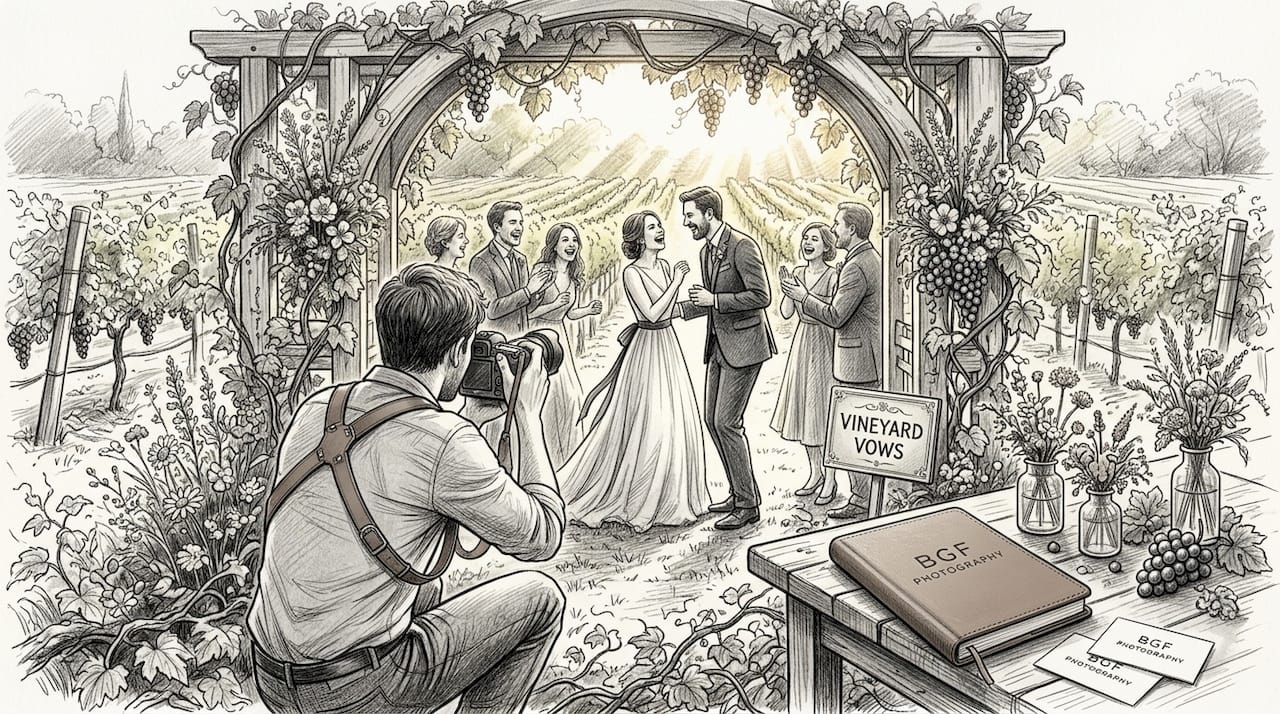
When reviewing portfolios, pay attention to the feeling of the images, not just the technical quality. Ask yourself whether the photos feel like they were happening or like they were staged. Documentary-style images often have imperfect framing, motion blur on dancing guests, or tears mid-sentence. These are features, not flaws. They signal a photographer who prioritizes truth over perfection.
Natural light usage is another style marker worth studying. Some candid photographers rely almost entirely on available light, which produces a warm, organic quality. Others blend flash with ambient light to handle low-lit receptions without losing the spontaneous feel. Neither approach is wrong, but they produce distinctly different results. BGF Photography, for example, incorporates film photography alongside digital capture, which adds a nostalgic, textured quality that separates their galleries from standard digital-only work.
Pro Tip: Ask to see photos from the ceremony, cocktail hour, and reception separately. Photographers who excel in one setting sometimes struggle in others. A full-day review reveals the truth.
-
Look for consistency in color grading across different lighting conditions
-
Check whether emotional moments like first looks, toasts, and parent reactions are captured naturally
-
Notice whether guests appear aware of the camera. Unaware subjects signal a truly unobtrusive approach
-
Review social media feeds alongside the portfolio since Instagram often shows only the best 1% of work
The Knot recommends loving a photographer’s full work and feeling a genuine personal connection, because you spend a significant portion of your wedding day with this person. Style fit and personal chemistry are not separate considerations. They are the same decision.
What to look for when reviewing photographer portfolios
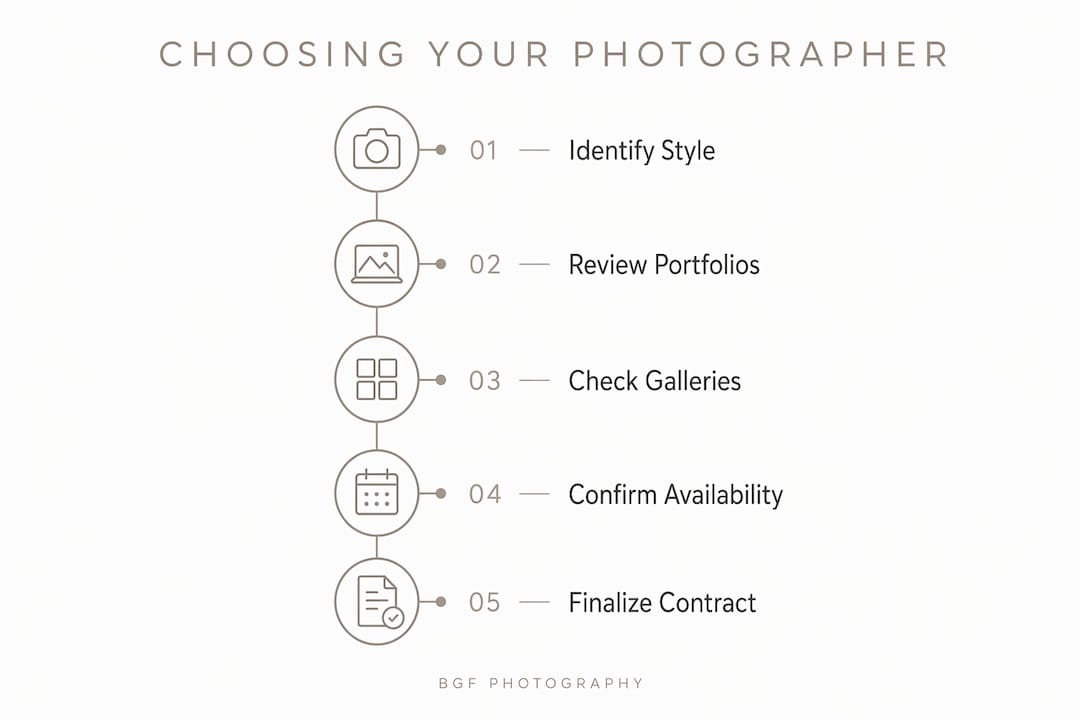
Reviewing a photographer’s portfolio is not the same as vetting one. Most photographers curate their best 30 images for their website. What you actually need to see is a complete wedding gallery from start to finish, including the getting-ready shots, the ceremony, the family formals, the reception, and the end-of-night moments.
Bespoke-Bride emphasizes that full galleries over highlights reveal true candid photo quality and style consistency. A photographer who produces 10 stunning images and 300 mediocre ones is not the same as one who delivers consistent quality across an entire 8-hour day. Request two or three complete galleries from real weddings, not styled shoots.
Here is a structured approach to portfolio review:
-
Request 2 to 3 full wedding galleries from real weddings similar in size and venue type to yours
-
Look for consistent exposure and color grading from morning preparation through evening reception
-
Confirm that candid moments appear throughout, not just during the ceremony
-
Check how the photographer handled low-light situations like candle-lit receptions or dark churches
-
Ask specifically who will shoot your wedding. Some studios send associate photographers after you book the lead
The last point matters more than most couples realize. Some high-volume studios book under one photographer’s name and then assign a different shooter to your date.
| What to check | What it tells you |
|---|---|
| Full gallery consistency | Whether quality holds across an entire wedding day, not just peak moments |
| Low-light performance | Whether the photographer can handle receptions, churches, and evening events |
| Who actually shoots | Whether the person you meet is the person who shows up on your wedding day |
| Venue familiarity | Whether the photographer knows your specific space and its lighting challenges |
| Refusal to share full galleries | A clear red flag that the work cannot withstand full scrutiny |
Refusing to share full wedding galleries is one of the clearest red flags in the vetting process. Any professional confident in their work will share complete galleries without hesitation. You can also explore a candid wedding photos must-have list to know exactly which moments to confirm a photographer has captured in their past work.
When should you book your wedding photographer?
Booking timeline is one of the most overlooked parts of choosing the right wedding photographer, and it is also one of the most consequential. Unlike a florist who can often accommodate late requests, a great candid photographer has exactly one body and one calendar. When that date is gone, it is gone.
Book your wedding photographer 12 to 18 months in advance, with peak-season Saturdays in major markets filling 18 to 24 months out. This means that if you get engaged in January and plan a September wedding the following year, your photographer search should begin within weeks of your engagement, not after you have chosen a venue and a caterer.
-
Start your photographer search before finalizing your venue. Many couples do this in reverse and lose their first-choice photographer as a result
-
Prioritize Saturday bookings in spring and fall, which are the most competitive dates in markets like Buffalo and Rochester, NY
-
Sign a contract and pay a retainer to lock in your date. A verbal agreement means nothing if a higher-paying client calls the next day
-
Build your wedding day timeline around your photographer’s recommendations, not the other way around
Pro Tip: If your first-choice photographer is already booked, ask them for referrals. Photographers in the same market know each other’s work and will only recommend people they trust.
Couples typically allocate 10 to 15% of their wedding budget to photography, with quality candid photographers commonly ranging from $3,000 to $6,000. Knowing this number before you start your search prevents the frustration of falling in love with a photographer whose pricing is outside your range.
What contract details should you confirm before signing?
A signed contract is not a formality. It is the document that protects you if your photographer gets sick, if your wedding runs long, or if your gallery arrives six months late. Every detail you fail to confirm in writing is a potential problem after your wedding day has passed.
Photographers typically deliver full edited galleries in 6 to 8 weeks, and your contract should state this explicitly. If a photographer cannot give you a written delivery timeline, that is a warning sign. Bespoke-Bride confirms that detailed contracts avoid misunderstandings and protect both parties in case of emergencies or changes.
Key contract elements to confirm:
-
Hours of coverage: Confirm start time, end time, and overtime rates if your reception runs long
-
Deliverables: Number of edited images, file resolution, and whether you receive digital files, prints, or both
-
Backup plan: What happens if the photographer is ill or has a family emergency on your wedding day
-
Equipment redundancy: Whether the photographer carries backup camera bodies and memory cards
-
Usage rights: Whether you can print images freely or whether the photographer retains commercial rights
-
Payment schedule: Deposit amount, final payment due date, and cancellation refund policy
Review wedding photography packages before your first consultation so you understand what standard packages include and what costs extra. Walking into a meeting without this knowledge makes it harder to compare photographers fairly.
Should you hire two photographers for your wedding?
A second photographer is not a luxury for large weddings. It is a practical tool for capturing simultaneous moments that one person physically cannot be in two places to shoot. When the groom sees the bride for the first time, one photographer captures his reaction while the other captures hers. That is a moment you cannot recreate.
Two photographers capturing alternate angles and moments improves gallery completeness for larger weddings. The coordination between them matters just as much as their individual skills. Clarifying the division of responsibilities between primary and second shooters prevents redundant coverage and reduces interruptions during candid moments.
Two photographers make the most sense when:
-
Your guest list exceeds 150 people
-
Your ceremony and reception are in separate locations requiring simultaneous coverage
-
You have multiple cultural or religious traditions happening in different spaces
-
You want comprehensive getting-ready coverage of both partners at the same time
For intimate weddings of 50 guests or fewer, a second photographer often adds cost without adding proportional value. One skilled candid photographer working an intimate venue can cover every meaningful moment without assistance.
Pro Tip: Ask whether the second photographer is a regular collaborator or a day-of hire. Photographers who work together regularly produce more cohesive galleries than strangers paired for a single event.
Key takeaways
Choosing the right candid wedding photographer requires evaluating style fit, vetting full galleries for consistency, booking early, and confirming every contract detail in writing before your date is locked.
| Point | Details |
|---|---|
| Style identification first | Determine whether you want pure documentary or an editorial blend before reviewing any portfolios. |
| Full galleries over highlights | Request 2 to 3 complete wedding galleries to assess consistency across the entire wedding day. |
| Book 12 to 18 months out | Peak-season Saturdays fill fast; secure your contract and retainer immediately after engagement. |
| Contract details in writing | Confirm delivery timeline, backup coverage, deliverables, and overtime rates before signing. |
| Second shooter decision | Hire two photographers for weddings over 150 guests or with simultaneous multi-location coverage needs. |
Why chemistry matters more than most couples expect
I have seen couples choose a photographer based entirely on a stunning Instagram feed and then spend their entire wedding day feeling stiff and self-conscious in front of the camera. The photos reflected it. Every image looked technically correct and emotionally hollow.
The real candid photo magic depends on the photographer’s ability to make you feel comfortable, not just on technical skill. This is not a soft, feel-good observation. It is a practical truth that shows up directly in your final gallery. When you trust the person behind the camera, you stop noticing them. That is when the real moments happen.
My honest advice is to treat the initial consultation like a first date. Notice whether the photographer asks questions about your relationship, your wedding vision, and what matters most to you. A photographer whose operational workflow matches your wedding day structure prevents excessive posing and preserves the candid moments you hired them to capture. If the conversation feels transactional, trust that instinct.
Engagement sessions are one of the most underused tools in this process. Getting in front of your photographer before the wedding day reduces camera-shyness and builds the kind of comfort that produces natural, unguarded images. You can browse engagement session style examples to understand what these sessions look like and whether they fit your personality. The couples who skip this step often wish they had not.
— Billy
See what authentic candid coverage looks like with BGF Photography
BGF Photography specializes in candid and documentary wedding photography and videography in the Buffalo and Rochester, NY areas, with a hybrid approach that lets couples book both photo and video under one cohesive style and vision.
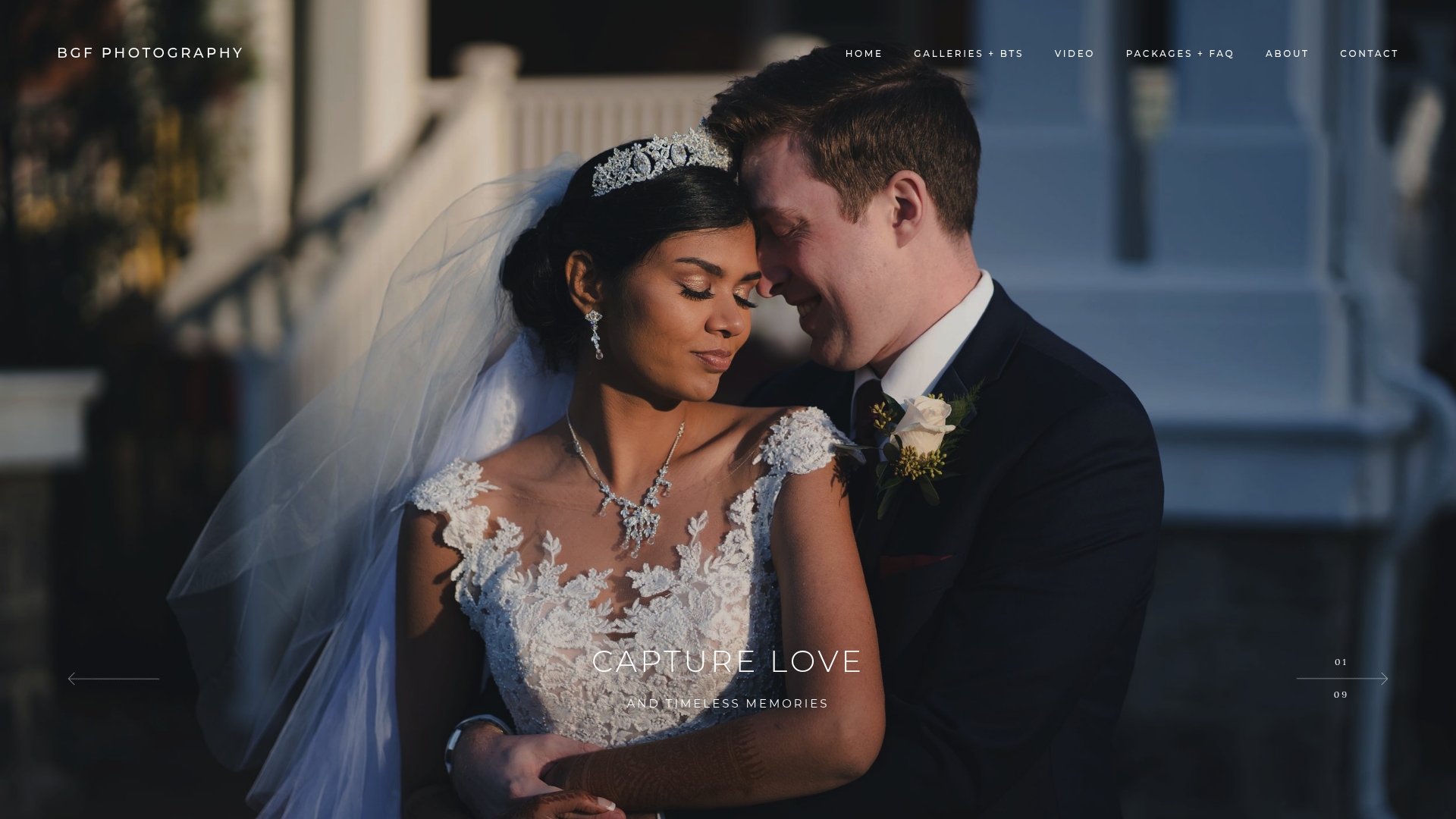
Every couple who works with BGF Photography gets a personalized consultation, full gallery delivery, and the option to add film photography for that nostalgic, timeless quality you cannot replicate with digital alone. If you are ready to see real wedding galleries, compare packages, and get answers to your most pressing questions, start with the BGF Photography packages and FAQ page. You can also explore past wedding galleries to see exactly how the candid documentary style translates across different venues, lighting conditions, and wedding sizes.
FAQ
What is candid wedding photography?
Candid wedding photography, also called documentary wedding photography, captures genuine emotions and unscripted moments as they naturally occur throughout the wedding day. The photographer works unobtrusively rather than directing poses.
How far in advance should you book a candid wedding photographer?
Book your photographer 12 to 18 months before your wedding date, with peak-season Saturdays in competitive markets filling 18 to 24 months out. Signing a contract and paying a retainer is the only way to secure your date.
What questions should you ask a candid wedding photographer before booking?
Ask to see 2 to 3 full wedding galleries, confirm who will actually shoot your wedding, ask about backup plans for illness or equipment failure, and clarify the edited gallery delivery timeline. These questions to ask photographers separate professionals from amateurs.
How many photos does a candid wedding photographer typically deliver?
Delivery varies by photographer and package length, but most candid photographers deliver between 400 and 800 edited images for a full-day wedding. Confirm the exact number and file resolution in your contract before signing.
Is a second photographer worth the cost for candid coverage?
A second photographer adds significant value for weddings with more than 150 guests, multiple simultaneous locations, or complex cultural traditions. For intimate weddings under 50 guests, one skilled photographer typically covers every meaningful moment without assistance.