
TL;DR:
- Timeless wedding photos capture authentic micro-moments and genuine emotion that remain meaningful over decades. They rely on natural light, classic aesthetics, deliberate pacing, and unobtrusive photography that prioritizes real interactions. Proper timeline planning and choosing venues, decor, and editing styles outside of trends ensure images age gracefully and preserve lasting memories.
Timeless wedding photography is defined by its ability to capture genuine human emotion and authentic moments that remain meaningful decades after the wedding day. What makes wedding photos timeless has nothing to do with the latest editing preset or the trendiest venue backdrop. It comes down to three core elements: real emotion, classic aesthetics, and deliberate pacing that gives authentic moments room to breathe. Photographers like Damien Vickers, writing for English Wedding, have spent years documenting exactly why some wedding galleries still feel alive ten years later while others look like artifacts of a specific cultural moment. The difference is almost always rooted in authenticity over performance.
What makes wedding photos timeless: the core principles
Timeless wedding photos capture micro-moments that cannot be staged. A genuine reaction during vows, an unguarded glance between partners, a parent's expression during the first dance. These images reflect real lived experience rather than a performance for the camera, and couples return to them again and again over the years precisely because they feel true.
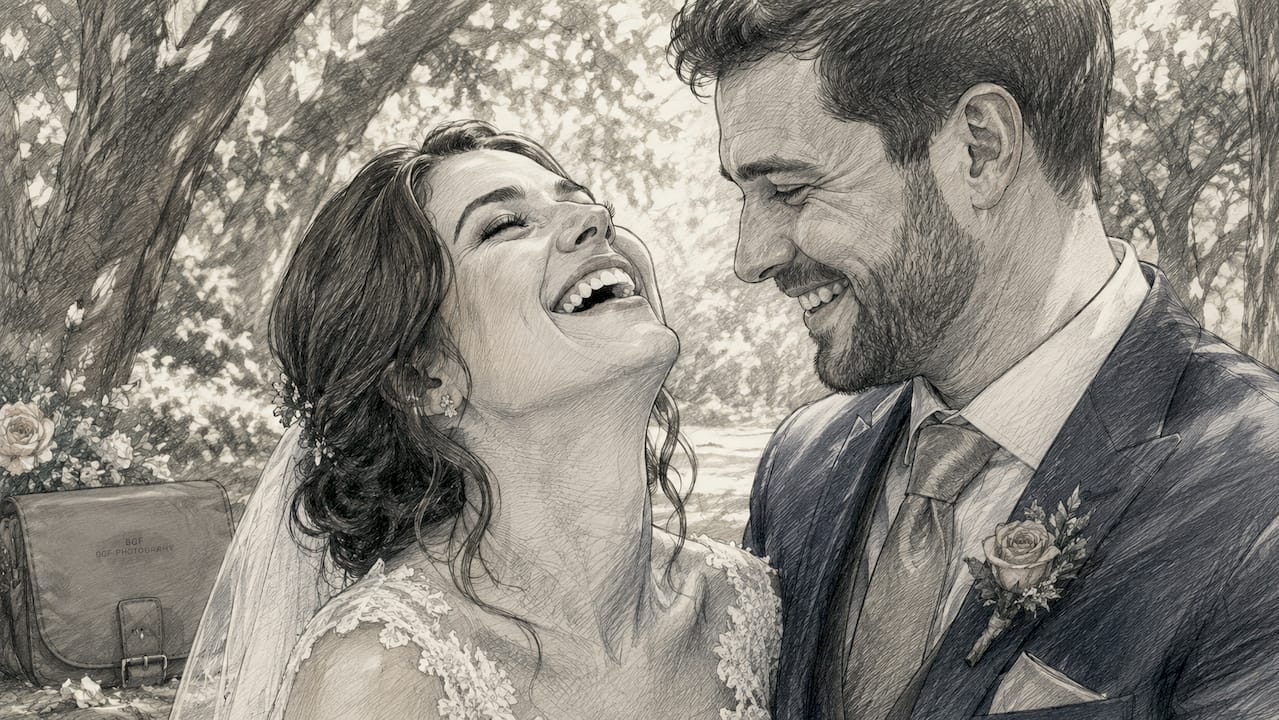
The industry term for this approach is documentary or photojournalistic wedding photography. It prioritizes observation over direction, and it treats the wedding day as a story unfolding rather than a series of poses to execute. This is the foundation that separates enduring images from forgettable ones.
Two additional factors shape longevity before a single photo is taken: editing style and aesthetic choices. Editing style is the biggest aging factor for any wedding gallery. Heavy color casts, extreme contrast, or trendy filter presets tie photos to a specific cultural moment the same way a haircut or a phone model does. Natural, true-to-life color grading ages gracefully because it references reality rather than a trend.
How does event pacing contribute to timeless wedding photos?
The operational side of timeless photography is underestimated by most couples. Pacing is not just a logistics issue. It is a creative one. When a wedding day is over-scheduled, photographers spend the entire day reacting to the clock instead of watching for the moments that matter.
Damien Vickers describes this as the concept of "margin." Adding about 20% extra time and keeping portrait sessions brief, around 15 to 20 minutes, creates the relaxed atmosphere needed to capture natural micro-moments. That margin is where warmth, honesty, and presence emerge. Without it, couples feel pressured and photographers feel rushed, and the resulting images show exactly that.
Here is what deliberate pacing looks like in practice:
- Build 15 to 20 minute buffers between major events so transitions feel relaxed, not frantic
- Keep formal portrait sessions short and focused rather than running through a 40-shot checklist
- Schedule the couple's portrait time during golden hour when soft, directional light does most of the work
- Allow unstructured time during cocktail hour so candid guest interactions unfold naturally
- Communicate the timeline to your wedding party in advance so no one is scrambling
Pro Tip: Schedule a dedicated photography planning meeting with your photographer at least four to six weeks before the wedding. Walk through the full day timeline together and identify where buffers can be added. This single conversation prevents the rushed, pressured energy that kills authentic moments.
Understanding why your timeline matters for photography is one of the most practical steps you can take before the wedding day. The couples who get the most enduring images are almost always the ones who gave their photographer room to work.
What artistic elements create enduring wedding photos?
Photography technique shapes how gracefully images age. The 7 Cs of photojournalism, including composition, contrast, clarity, candidness, cropping, color, and cutline, form the technical foundation of images that hold up over time. Understanding these principles helps you evaluate a photographer's portfolio with more precision than simply deciding whether you "like the vibe."
Here is how each artistic element contributes to longevity:
- Natural light. Soft, directional light from windows, open shade, or the golden hour before sunset flatters subjects without the harsh shadows that make photos feel dated. Avoid heavy flash-dependent setups that flatten faces and create that unmistakable "event photography" look.
- Minimal posing. Direction should feel like a gentle suggestion, not choreography. Photographers who emphasize candid storytelling and minimal direction capture moments that belong uniquely to the couple, which is the core of timelessness.
- True-to-life editing. Natural skin tones and subtle color grading age best. Strong filter or stylized color casts tie photos to a cultural moment and date them the same way a heavy Instagram preset from 2014 dates a personal photo today.
- Hybrid film and digital coverage. Combining film and digital formats produces both the organic quality of film grain and the reliability of digital volume. BGF Photography's hybrid approach delivers this balance, giving galleries a warmth that purely digital work often lacks.
- Consistent editing across lighting conditions. A photographer's skill shows not in their best shot but in their worst lighting situation. True timelessness depends on consistency across all lighting conditions, not isolated perfect shots.
Pro Tip: When reviewing a photographer's portfolio, ask to see a full wedding gallery rather than a curated highlight reel. Look at how they handle dim reception lighting, midday sun, and indoor ceremony spaces. Consistency across all three is the real test of editing quality.
The role of wedding aesthetic in photo longevity extends beyond the photographer's choices. Your own decisions about venue, decor, and attire shape the visual context of every image in your gallery.
What venue and style choices help photos stay timeless?
The backdrop of your wedding photos matters more than most couples realize. Venues with historical architecture or organic natural beauty create backdrops that don't date because they reference design principles outside of trends. A 900-year-old stone wall, a classic garden, or a mountain landscape looks as compelling in a photo taken today as it will in a photo taken 30 years from now. A neon sign installation or a flower wall backdrop does not.
The same logic applies to decor and florals. Classic floral arrangements with natural greenery, candles, linen tablecloths in muted tones, and vintage furniture age better than trend-driven decor. Modern art-inspired architectural backdrops are replacing floral walls as the more enduring choice for photography impact.
The table below compares timeless and trendy choices across the key visual categories:
| Category | Timeless choice | Trendy choice |
|---|---|---|
| Venue backdrop | Stone walls, gardens, natural landscapes | Flower walls, neon signs, themed installations |
| Florals | Natural greenery, white blooms, candles | Dried pampas grass, oversized balloon arches |
| Color palette | White, ivory, navy, forest green, burgundy | Millennial pink, dusty rose, ultra-violet |
| Attire silhouette | Classic cuts, clean lines, structured shapes | Heavily embellished, fashion-forward statement pieces |
| Editing style | True-to-life color, natural skin tones | Heavy presets, faded blacks, orange-teal color grading |
Colors chosen for personal meaning rather than current trends last longer in photos. White, ivory, green, navy, cream, burgundy, and forest green are rooted in nature and formality rather than a seasonal trend cycle. If a color palette feels exciting because it is everywhere right now, that is a signal it may feel dated in five years.
Classic attire silhouettes follow the same principle. Clean lines and structured shapes photograph well across decades. Heavily embellished or fashion-forward pieces can be stunning in person but often read as costume in photos ten years later.
How do authentic emotion and natural interactions elevate wedding photos?
Photos that evoke real, uncontrived emotion resonate over time more than highly stylized or heavily posed images. Emotion captured during authentic moments like laughter or nervous glances doesn't date the way fashion or decor does. This is the single most important quality of memorable wedding photography, and it cannot be manufactured after the fact in post-processing.
The most common mistake couples make is over-directing their own wedding day. Forcing scripted expressions or spending too much time on posed group shots creates a gallery full of performance rather than presence. The images that couples pull out to show their children are almost never the formal portraits. They are the unguarded ones.
Here are the candid moments every couple should trust their photographer to capture without interference:
- The private reaction when you first see each other during the first look or processional
- Laughter during speeches, especially the unexpected moments that catch everyone off guard
- Subtle physical touches between partners throughout the day, a hand on a shoulder, fingers intertwined
- Parents' and close friends' expressions during key moments like the first dance or cake cutting
- The quiet, in-between moments: fixing a veil, a deep breath before walking down the aisle, a shared look across the room
A photographer's unobtrusive approach is what makes these moments possible. When guests and the couple forget the camera is present, the images shift from documentation to storytelling. BGF Photography's candid wedding photography approach is built around exactly this principle. The goal is to be present without being intrusive, observant without being directive.
Preparing yourself to receive this kind of coverage matters too. Couples who prepare for candid photos by letting go of rigid shot lists and trusting their photographer's instincts consistently end up with more emotionally resonant galleries than those who try to control every frame.
Key takeaways
Timeless wedding photos require genuine emotion, deliberate pacing, classic aesthetics, and editing that preserves true-to-life color rather than chasing trends.
| Point | Details |
|---|---|
| Emotion over performance | Unscripted reactions and micro-moments outlast any stylistic trend in photo longevity. |
| Pacing creates space | Adding 20% time buffers and keeping portrait sessions to 15 to 20 minutes allows authentic moments to surface. |
| Editing style ages fastest | Natural, true-to-life color grading preserves photos across decades; heavy presets date them within years. |
| Classic venues and decor | Historical architecture, natural landscapes, and muted color palettes provide backdrops that never go out of style. |
| Trust your photographer | Minimal direction and an unobtrusive approach produce the candid images couples value most over time. |
What I've learned after years of shooting weddings
The couples who end up with the most enduring galleries are not the ones with the biggest budgets or the most elaborate decor. They are the ones who show up to their wedding day present, relaxed, and willing to let the day unfold. That sounds simple, but it requires real trust in your photographer and real discipline in how you plan the day.
I have watched couples spend months agonizing over centerpiece choices and then rush through their portrait session because the timeline was packed too tight. The centerpieces will not matter in ten years. The fifteen minutes you spent actually looking at each other during golden hour will.
The other thing I have come to believe strongly is that editing style is a commitment, not just an aesthetic preference. When you choose a photographer, you are choosing how your memories will look for the rest of your life. A heavily stylized preset might feel exciting in 2026. It will feel like a time capsule by 2031. Ask to see galleries from five years ago when you are evaluating a photographer's portfolio. If those images still feel fresh and emotionally alive, you have found someone whose work ages well.
Couple-photographer trust is also underrated as a creative factor. When couples feel comfortable with their photographer before the wedding day, they stop performing for the camera. That shift is visible in the images. An engagement session is not just a nice extra. It is a rehearsal for the kind of relaxed, authentic presence that produces timeless photos. BGF Photography builds this relationship deliberately, and it shows in the work.
The most honest advice I can give: prioritize atmosphere and presence over any shot list, any trend, and any decor decision. The images that will matter most in twenty years are the ones where you forgot the camera was there.
— Billy
Capture timeless memories with BGF Photography
BGF Photography specializes in candid, documentary-style wedding coverage in the Buffalo and Rochester, NY areas, with a hybrid film and digital approach that produces galleries with lasting warmth and authenticity.
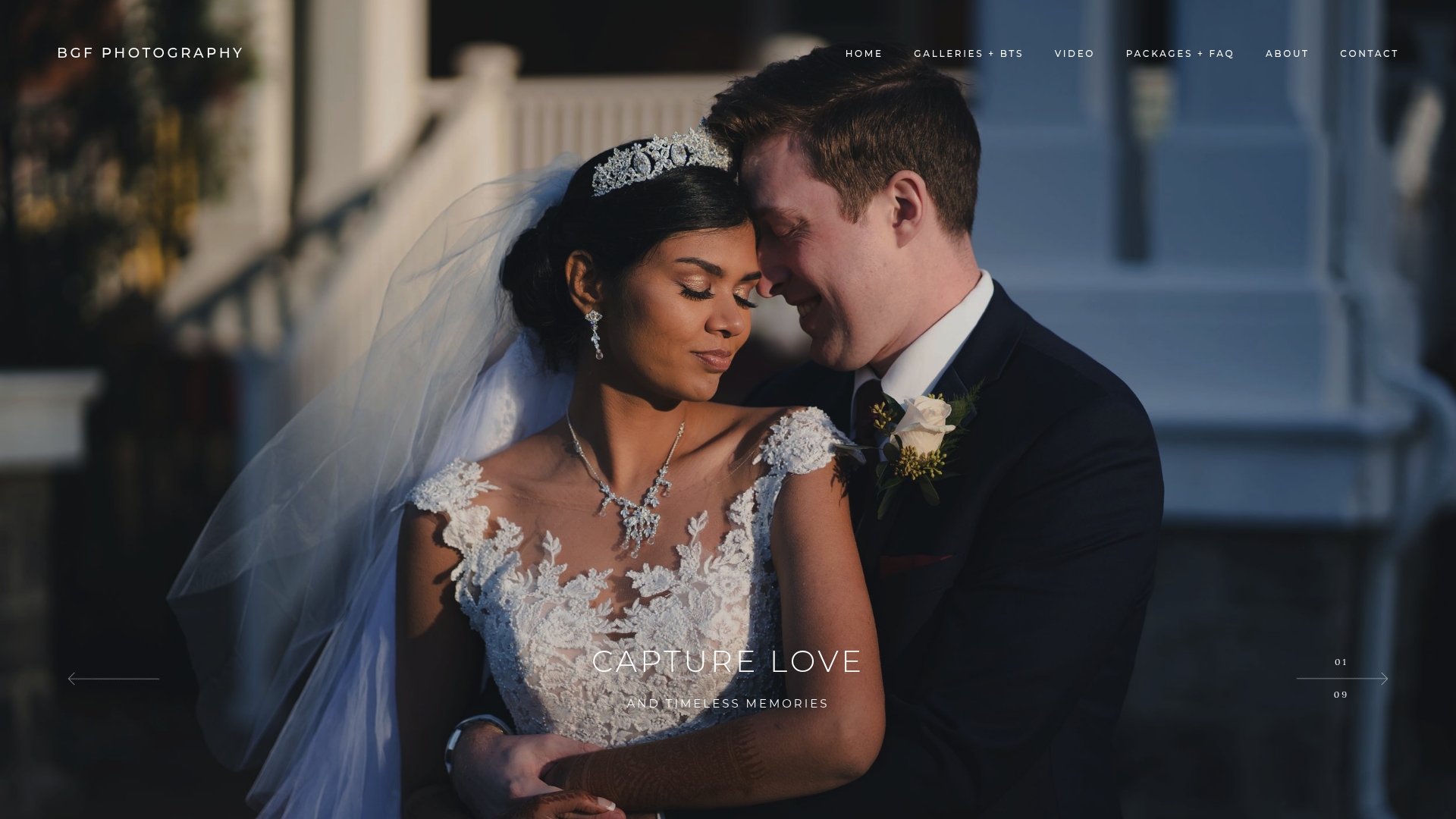
Every couple receives a tailored experience built around relaxed pacing, natural light, and the kind of unobtrusive presence that lets real moments unfold. BGF Photography also offers hybrid coverage combining photography and videography under one cohesive style, so your memories are preserved consistently across both formats. If you are ready to invest in wedding photos that will still feel alive decades from now, explore BGF Photography packages to find the right fit and get your questions answered before booking a consultation.
FAQ
What makes wedding photos timeless vs. trendy?
Timeless wedding photos prioritize genuine emotion, natural light, and true-to-life editing over stylized presets and trend-driven decor. Trendy photos are defined by their moment; timeless ones are defined by the people in them.
How long should a wedding portrait session be?
A focused portrait session of 15 to 20 minutes is enough to capture natural, elegant images without fatigue or forced expressions. Longer sessions often produce diminishing returns as couples grow self-conscious and stiff.
Does editing style really affect how long photos last?
Editing style is the single biggest aging factor in wedding photography. Galleries with natural skin tones and subtle color grading consistently outlast those with heavy filters or stylized color casts by years, sometimes decades.
What venues produce the most timeless wedding photos?
Venues with historical architecture, classic gardens, or natural landscapes create backdrops that reference design principles outside of trends. Stone walls, open fields, and formal gardens photograph well across decades without feeling dated.
Should couples give photographers a detailed shot list?
A short list of must-have moments is useful, but rigid, exhaustive shot lists limit a photographer's ability to observe and capture unscripted emotion. The most enduring images almost always come from moments no one planned.