
The most efficient bridal party photo order runs from Partner A's immediate family, into a hinge shot with both sets of parents together, then into Partner B's immediate family, followed by wedding party groupings and a full group shot. This sequence avoids reassembling the same people twice, which keeps older relatives and limited-mobility guests comfortable. Below, we break down the exact sequence, a sample shot list, and timing so your photographer can move through it fast.
TL;DR:
- The 17 grouping sample list takes about 50 to 85 minutes at 3 to 5 minutes per shot, so cut lower priorities first.
- Send a formally labeled shot list to the photographer and relatives one to two weeks ahead, and assign an organizer to gather each next group.
- A first look puts portraits before the ceremony and preserves cocktail hour for mingling; post ceremony portraits retain the traditional reveal but take up time.
- Keep the list near 10 to 20 groupings, rank parents, siblings, and grandparents first, then wedding party combinations, with extended family and friends last.
- Photograph guests with limited mobility early and let them sit; take children’s portraits first, and place late arrivals at the end rather than delaying everyone.
Table of Contents
- Step-by-Step Sequence to Run Portraits on the Day
- Copyable Sample List of Bridal-Party and Family Groupings
- When to Schedule Portraits and How to Stage Them
- How Many Group Photos to Choose and How to Prioritize
- Assigning Roles and Sending the Shot List Early
- Handling Mobility Issues, Divorced Parents, Kids, and Late Arrivals
- A Photographer's View on Running a Tighter Portrait Session
- How We Help You Plan a Smoother Portrait Session
- FAQ
- Sources
Step-by-Step Sequence to Run Portraits on the Day
Running portraits in the right order is what actually saves time, not a faster photographer. Organizing one side of the family at a time, then using a joint shot as a bridge, can effectively cut the time needed during cocktail hour compared to bouncing between groups.
- Start with the couple plus Partner A's immediate family: parents first, then siblings, then any other VIPs like grandparents.
- Add both sets of parents together for the hinge shot. This is the transition point that lets you release Partner A's side and pull in Partner B's side without starting over.
- Photograph the couple with Partner B's immediate family in the same order: parents, siblings, VIPs.
- Move into wedding party groupings: the full party together, the couple with each side of the party, then any smaller combinations like kids or ushers.
- If time allows, add extended-family or friend-group shots at the end, since these are the easiest to cut if the timeline runs tight.
Within each grouping, put taller people in the back row and kids or shorter guests up front. Whether to shoot the wedding party before or after family photos depends on your ceremony layout. If the wedding party is already gathered near the altar or aisle, knock those out first before family members scatter to find seats.
Pro Tip: Do wedding party shots immediately after the ceremony while everyone is still dressed and in place, then pull in family members who may have wandered toward cocktail hour.

Copyable Sample List of Bridal-Party and Family Groupings
Print this list or send it directly to your photographer and on-the-day organizer so everyone works from the same Photography SEO Services | Be Discovered & Book More Shoots plan. Using formal family names instead of first names avoids confusion when there are multiple "Mom" or "Dad" references in a group.
- Couple alone
- Couple + Partner A's parents
- Couple + Partner A's parents and siblings
- Couple + Partner A's grandparents
- Couple + both sets of parents (hinge shot)
- Couple + Partner B's parents
- Couple + Partner B's parents and siblings
- Couple + Partner B's grandparents
- Couple + officiant
- Full wedding party
- Couple + Partner A's side of the wedding party
- Couple + Partner B's side of the wedding party
- Couple + flower girls/ring bearers
- Couple + ushers or groomsmen only
- Couple + bridesmaids only
- Extended family group (aunts, uncles, cousins)
- Couple + close friends not in the wedding party
At roughly 3 to 5 minutes per grouping, a list of this length runs about 50 to 85 minutes total. Trim it down if your timeline is tighter, prioritizing the groupings nearest the top of this list first.
When to Schedule Portraits and How to Stage Them
Deciding between pre-ceremony and post-ceremony portraits shapes your whole day.
- First-look portraits before the ceremony free up cocktail hour for mingling with guests instead of standing for photos.
- Post-ceremony portraits during cocktail hour keep the traditional reveal moment but eat into guest mingling time.
- Either way, plan on 3 to 5 minutes per grouping and multiply that by your total number of shots to get a realistic time block.
- Choose one central, well-lit spot near where guests naturally flow, rather than moving the group across the venue between shots.
A straightforward shot list paired with a single staging area reduces downtime between groups, since the next group can be called and ready while the current one finishes. Assign someone to keep the next grouping "on deck" nearby. For outdoor portraits, pay attention to sun angle: shooting during golden hour softens light on faces, while harsh midday sun can wash out details and force unflattering squinting.
How Many Group Photos to Choose and How to Prioritize
Keeping your list to roughly 10 to 20 groupings protects time for candid moments and cocktail hour. Beyond that, formal portraits start to dominate a day that should also include unplanned, genuine interactions.
- Put immediate family and VIPs (parents, siblings, grandparents) at the top of the list since these are the shots you can't easily recreate later.
- Add wedding party essentials next: the full group, each side separately, and the couple with each side.
- Save extended family and friend groupings for last, since these are the easiest to skip if time runs short.
- Use the hinge technique (both sides together) to avoid calling the same people back for a second round.
Assigning Roles and Sending the Shot List Early
Someone other than the couple needs to run logistics on the wedding day itself.
- Designate an organizer: a planner, maid of honor, best man, or a reliable family member who knows most of the guest list by name.
- Send the shot list to your photographer and key family members one to two weeks before the wedding so nobody is reading it for the first time that morning.
- Label every group with formal family identifiers, like "the Miller family," instead of first names to avoid mix-ups.
- Keep a printed or texted copy of the list handy, and have the organizer keep the next group ready while the current shot is still being taken.
Pro Tip: Give your organizer a printed sheet with names next to each grouping label so they can find people in a crowd without guessing.
Handling Mobility Issues, Divorced Parents, Kids, and Late Arrivals
Real families rarely match a tidy template, so build in small adjustments ahead of time.
- Offer separate photos for divorced or separated parents if combined groupings would be uncomfortable for anyone involved.
- Photograph guests with limited mobility early, and let them sit rather than stand through multiple group changes.
- Shoot children's photos first, while they're still clean and cooperative, or schedule a short kids-only mini-session.
- Set a contingency plan for late arrivals, like slotting them in at the end rather than pausing the whole list to wait.
A Photographer's View on Running a Tighter Portrait Session
Our approach centers on candid, unobtrusive coverage, but a tightly run formal-portrait plan is what protects time for those genuine moments later in the day. One detail couples often miss: coordinating clothing tones and checking where the light falls before the first group steps in avoids reshoots caused by harsh shadows or mismatched color casts. Share your shot list and timeline with your photographer in advance so the plan is set before anyone lines up.
— Billy
How We Help You Plan a Smoother Portrait Session
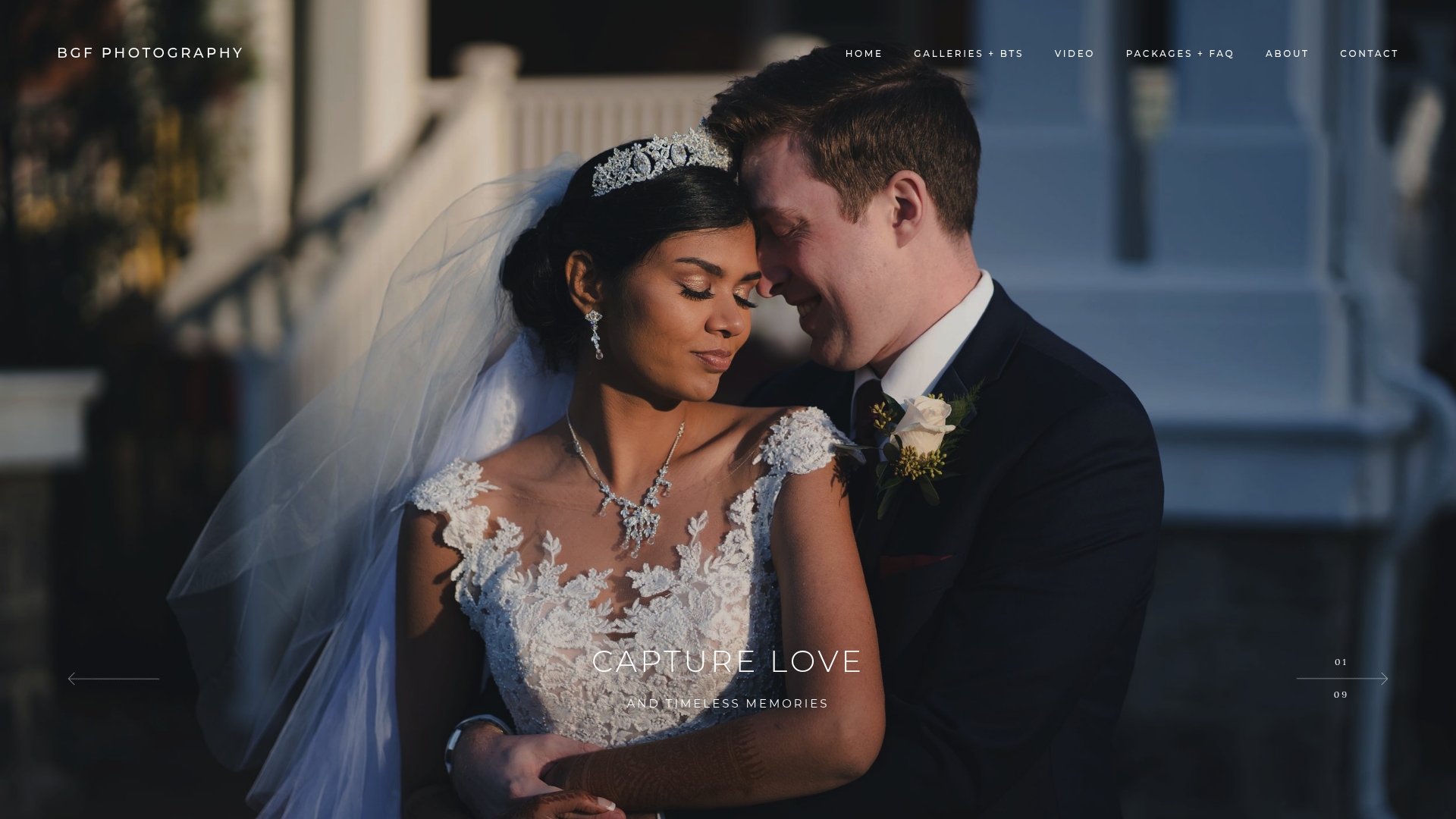
We focus on a candid, unobtrusive style to help keep formal portrait sessions efficient and prioritize genuine moments throughout the day. Clients receive shot-list templates and timeline guidance as part of the planning process, whether booking photography, videography, or both under a cohesive approach.
- Candid, natural coverage paired with a tightly organized formal-portrait plan.
- Offering photo and video services intended to have a consistent style.
- Offering optional film photography to provide a different visual texture.
- Shot-list and timeline support built into the planning process.
If you're ready to see how this fits your wedding day, view our packages and pricing to start the conversation.
FAQ
What are pictures before the wedding called?
Portraits taken before the ceremony are usually called "first-look" photos when they include the couple seeing each other early, or simply "pre-ceremony portraits" when they involve family and wedding party groupings. Both terms describe formal photography scheduled ahead of the ceremony rather than during cocktail hour.
How do I arrange people for a group photo?
Place taller people in the back row and shorter people, including children, in front so every face is visible. Keep couples or family units together within the arrangement, and angle bodies slightly toward the center rather than lining everyone up flat.
What is the 20 60 20 rule in photography?
This term is not a standard, universally defined photography rule, and definitions vary depending on the source. It's sometimes used informally to describe splitting attention between wide, medium, and close shots, but no consistent industry definition applies specifically to wedding portrait sessions.
Is $200 a good tip for a wedding photographer?
Tipping amounts vary widely and depend on your location, the service provided, and whether a gratuity is already included in your contract. Check your photography agreement first, since some packages address gratuity directly, and reach out to your photographer if you're unsure what's customary in your area.
Sources
- 18 key family photos to take at your wedding, according to photographers
- The family wedding photos shot list to show your photographer