
TL;DR:
- Rochester couples often overlook proper planning, leading to emotionally flat wedding videos. Proper timeline management and quality audio are essential to capturing meaningful moments and voices. Treat your videographer as a collaborator by communicating your story and building trust early.
The most damaging common videography mistakes at Rochester weddings are not technical failures. They are planning failures. Couples who invest in professional videography but skip the coordination, communication, and timeline work often end up with footage that looks polished on the surface but feels emotionally flat. Couples frequently underestimate video's value until after the wedding, when they realize photos cannot preserve voices, laughter, or the exact rhythm of a first dance. The industry term for this category of error is "production planning failure," and it covers everything from rushed schedules to ignored audio to a videographer who never learned what mattered most to you.
1. Common videography mistakes at Rochester weddings start with a broken timeline
Timeline mismanagement is the single most documented planning error in wedding videography. Rushed timelines consistently cause significant coverage compromises, forcing videographers to skip setups, cut short key moments, and abandon golden hour entirely. A Rochester wedding in october or november adds another layer of risk: the sun sets early, weather changes fast, and venue transitions between locations like the George Eastman Museum or Arbor Ridge can eat 20 minutes of travel time alone.
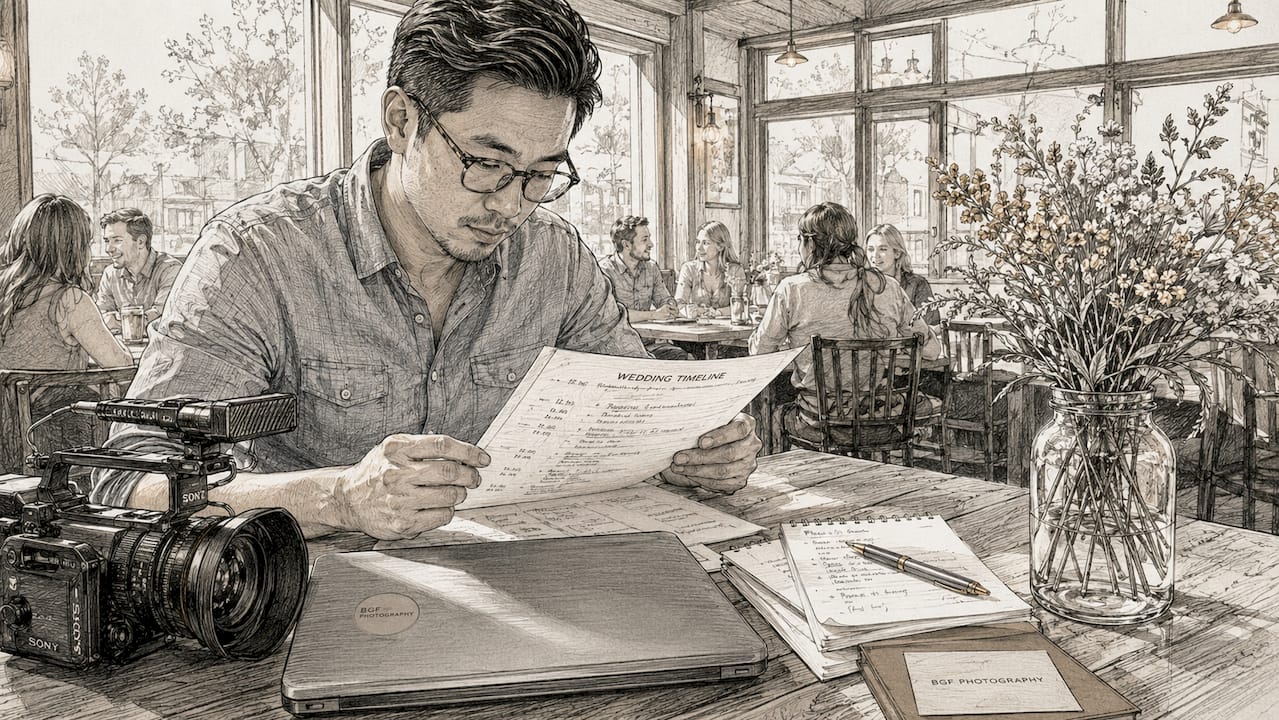
Buffer time is not padding. It is the margin that separates a film with breathing room from one that feels like a highlight reel of near-misses. Building buffer time into your schedule protects key moments like golden hour and creates space for unguarded, meaningful interactions that no amount of reshooting can replicate.
Rochester's unpredictable weather is a real scheduling variable. A light rain delay at an outdoor ceremony can cascade into a compressed cocktail hour, a late reception start, and a videographer scrambling to cover everything at once.
- Add 15–20 minutes of buffer between each major block: ceremony, portraits, cocktail hour, and reception
- Confirm travel times between venues before finalizing the schedule
- Share the full timeline with your videographer at least four weeks before the wedding
Pro Tip: Ask your videographer to review your timeline before you finalize it with your venue coordinator. They will flag gaps you did not know existed.
2. Ignoring audio planning destroys the emotional core of your film
Audio quality is the most common make-or-break element in wedding videos. Echo-filled venues and poor microphone setups degrade the emotional impact of vows and speeches in ways that no amount of post-production editing can fully fix. Couples often focus entirely on how their video will look, then watch the final film and realize they can barely hear their own vows.
Rochester has no shortage of acoustically challenging spaces. Stone churches, converted warehouses, and historic ballrooms with hard floors and bare walls all create echo problems that a camera's built-in microphone cannot handle. Dedicated lapel microphones for the couple are the standard solution in these venues, and skipping them is a mistake that cannot be undone in editing.
Poor audio is not just a technical problem. It is an emotional one. When you cannot clearly hear the words spoken at the most important moment of your wedding day, the film loses the very thing that made that moment matter.
The fix is straightforward, but it requires planning before the wedding day:
- Confirm your videographer uses dedicated wireless lapel microphones for the officiant and at least one partner
- Ask whether they carry a backup audio recorder as a redundancy
- Request that speeches be captured with a dedicated microphone, not just the camera's onboard audio
- Review ceremony audio planning specific to Rochester venues before your final vendor meeting
A professional audio setup is not a luxury. It is the foundation of a film worth watching ten years from now.
3. Choosing a videographer based only on highlight reels
Highlight reels are marketing tools. They show a videographer's best 90 seconds from dozens of weddings, set to a perfectly chosen song, with every weak shot removed. Booking based only on highlight reels misleads couples about the full quality of a videographer's work. Pacing problems, audio inconsistencies, and coverage gaps only appear in full-length films.
Before signing a contract, ask to watch a complete ceremony and reception film from a recent wedding. This reveals how the videographer handles real-time decisions, transitions between locations, and the quieter moments between the big ones. A full portfolio review tells you far more than a curated reel ever will.
Vendor selection errors also include:
- Waiting too long to book. Rochester's most experienced videographers fill their calendars 12–18 months out, especially for peak summer and fall dates.
- Skipping the consultation. Early booking and open communication give videographers the time to understand your story and tailor their approach before the wedding day.
- Ignoring vendor coordination. Separate photography and videography teams that have never worked together create friction on the day. They compete for angles, block each other's shots, and slow down the schedule.
- Overlooking editing style. Watch the types of wedding film editing available before committing to a videographer whose style does not match what you want.
- Choosing on price alone. The cheapest option rarely includes the equipment, experience, or time investment that produces a film you will actually want to rewatch.
BGF Photography offers hybrid coverage that puts photography and videography under one cohesive vision, which eliminates the vendor friction problem entirely.
4. Over-scripting the day and losing the moments that matter most
Over-scripting is a real and underappreciated risk. Couples who plan every minute of their wedding day with military precision often end up with footage that looks organized but feels manufactured. Over-scripting stifles the candid moments that define great wedding films. The unplanned laugh between a parent and child, the quiet moment a partner steals before walking down the aisle, the spontaneous dance floor moment at 9:00 PM. None of these can be scheduled.
Skilled videographers work best when couples give them room to observe. A relaxed presence combined with professional filming captures interactions that staged shots cannot replicate. This does not mean abandoning structure. It means building enough space around key events that real life can happen inside the frame.
- Leave at least 10 minutes of unstructured time after the ceremony for natural interactions before portraits begin
- Resist the urge to direct every family grouping during cocktail hour. Let your videographer move freely
- Trust that your videographer knows when to step back and when to move in closer
- Avoid announcing every moment on a microphone. Spontaneous reactions read better on film than cued ones
Pro Tip: Tell your videographer which two or three moments you care about most, then let them handle the rest. Specificity on priorities beats a rigid minute-by-minute script every time.
The best wedding films feel like they were lived, not performed. That quality comes from couples who trust their team and stay present in the day rather than managing it from the outside.
5. Failing to communicate your priorities and personal story
A videographer who does not know your story will film a generic wedding. Videographers rely on your input to prioritize what gets captured for emotional resonance. Without that context, they make educated guesses, and those guesses may not align with what actually matters to you.
Communication failures in this area are common and preventable. Couples assume their videographer will naturally know that the grandmother who raised one partner should be captured during the first dance, or that a sibling's toast is the emotional centerpiece of the reception. That assumption leads to flat footage and real regret.
Proactive communication before the wedding day makes the difference:
- Share a written list of the five to ten people your videographer must capture on film
- Flag any cultural or religious traditions that require specific camera positioning or timing
- Describe the emotional tone you want the film to carry. Joyful and energetic reads differently than intimate and quiet
- Identify any moments that are non-negotiable: a specific reading, a surprise performance, a meaningful ritual
Sharing details about vows and traditions with your videographer well in advance gives them the context to film with intention rather than instinct alone. A videographer who knows your story tells it. One who does not tells a version of it.
Key takeaways
The most preventable videography mistakes at Rochester weddings share one root cause: couples treat videography as a day-of service rather than a months-long collaboration.
| Point | Details |
|---|---|
| Build buffer time | Add 15–20 minutes between each major event block to protect key moments and golden hour. |
| Prioritize audio | Confirm lapel microphones and backup recording before signing any contract. |
| Review full films | Watch complete ceremony and reception footage, not just highlight reels, before booking. |
| Allow candid space | Leave unstructured time around key events so genuine moments can unfold naturally. |
| Communicate your story | Give your videographer a written list of must-capture people, moments, and traditions. |
What I have learned filming Rochester weddings
Rochester couples are thoughtful planners. They research venues, taste-test caterers, and spend months on florals. But videography often gets treated as the last checkbox, booked late and briefed even later. That pattern produces the most common filming issues I see: a videographer who barely knows the couple's names walking into a ceremony with no context and no lapel mic on the officiant.
The couples who end up with films they genuinely love share one habit. They treat their videographer like a collaborator, not a vendor. They share their story early, ask questions about audio and timeline, and build enough trust that the videographer can work freely on the day. That trust is what creates the footage that makes people cry at the ten-year anniversary screening.
Audio is the one I feel most strongly about. I have watched couples watch their own wedding film and strain to hear their vows because the venue had stone walls and nobody planned for it. That is a fixable problem. It requires one conversation before the wedding day. The fact that it still happens regularly tells me the industry needs to do a better job of setting expectations upfront.
Rochester's seasons also matter more than most couples realize. A june wedding at 7:00 PM has golden hour to spare. A november wedding at 4:30 PM does not. Your timeline needs to account for that, and your videographer should be the one raising the flag if it does not.
— Billy
How BGF Photography helps Rochester couples avoid these mistakes
Rochester couples who work with BGF Photography get more than a videographer. They get a team that handles photography and videography under one cohesive style, which eliminates the vendor friction that derails so many wedding films.
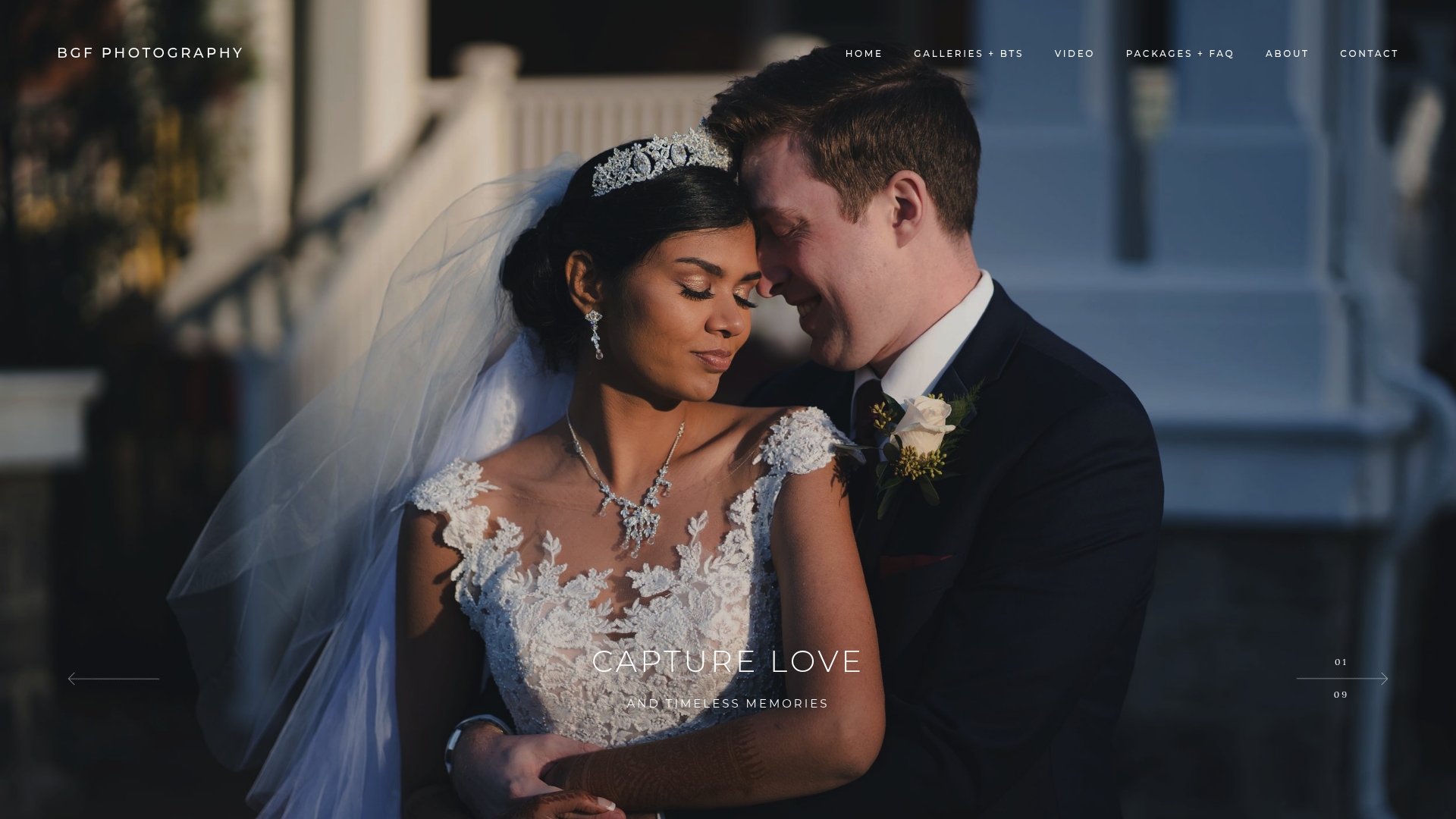
BGF Photography's process starts with a personal consultation focused on your story, your priorities, and your venue's specific challenges, including audio. Every package is built to address the planning gaps that cause the most common Rochester wedding filming mistakes: timeline coordination, audio setup, and candid storytelling. If you want to see what that looks like in practice, review the packages and investment options and reach out to start the conversation before your date is gone.
FAQ
What is the biggest videography mistake Rochester couples make?
The most common mistake is failing to build buffer time into the wedding day schedule. Rushed timelines force videographers to skip key setups and miss golden hour, especially during Rochester's shorter fall and winter days.
Why does audio matter so much in a wedding video?
Audio captures the vows, speeches, and emotional exchanges that photos cannot preserve. Echo-prone venues common in Rochester require dedicated lapel microphones to prevent audio failure that editing cannot fix.
Should I watch a full wedding film before booking a videographer?
Yes. Highlight reels only show a videographer's best moments. Full ceremony and reception films reveal pacing, audio quality, and how they handle real-time coverage across an entire event.
How early should I book a Rochester wedding videographer?
Book 12–18 months in advance for peak summer and fall dates. Early booking also creates the relationship-building time needed for a videographer to understand your story and film with intention.
How do I make sure my videographer captures the right people and moments?
Give your videographer a written list of must-capture people and moments at least four weeks before the wedding. Include cultural traditions, key relationships, and the emotional tone you want the film to carry.