
Wear well-fitting, comfortable clothes in a soft, coordinated palette, and pick fabrics with texture that move well. Skip tiny busy prints and very saturated colors near your face. Test your outfits in motion before the session, and keep outfit changes to one at most. That is an approach Billy at BGF Photography recommends.
TL;DR:
- Wear new clothes beforehand to catch discomfort or transparency, and avoid debuting new heels on session day, especially on grass or turf.
- In summer, linen or cotton handles heat, and muted tones near the face reduce color cast; in snow, darker layers add contrast.
- Choose shoes for the location: flat sandals suit wet beach sand, sturdy boots work on trails, and clean sneakers or flats help with city walks.
- For pets, choose colors close to their coat, avoid dangling accessories, and bring a lint roller; children need shoes they can run in.
Table of Contents
- 1. Which outfit rules matter most for your session?
- 2. How should your outfits change with the season and setting?
- 3. How can you coordinate without matching exactly?
- 4. How do you test and prepare your outfits before the shoot?
- 5. What outfit combinations are worth trying?
- 6. Which makeup and grooming choices photograph well?
- 7. How do you dress to reflect your story and personality?
- 8. What should you wear if pets or children join the session?
- 9. Billy's note on comfort and candid moments
- 10. Want help choosing outfits for your engagement session?
- FAQ
- Sources
1. Which outfit rules matter most for your session?
Most outfit problems come down to a handful of habits. Follow these and you will look like yourselves, only a little more polished.
- Skip small, busy prints and logos. Tiny, intricate patterns can cause visual distortion on camera, so stick to solids or larger, simple prints.
- Put comfort and fit first. Clothes you can move in look better on camera, and ill-fitting or restrictive garments show up in candid photos.
- Coordinate, don't match. Pick a coordinated palette and let each of you wear a different piece of it.
- Use texture and layering. A knit, a jacket or a scarf adds depth that flat fabric cannot.
- Limit outfit changes. One change is plenty for most sessions, and none leaves more time for actual photos.
- Plan your footwear around the location. Grass, sand and cobblestones all behave differently under a heel.
- Prepare everything the week before. Steam or iron your clothes, polish your shoes and wipe down your jewelry.
None of this is complicated. The point is that your clothes should never become the thing you think about during the session. If you are constantly adjusting a hem, your expression changes, and the camera catches it.
2. How should your outfits change with the season and setting?
The core tips stay the same, but fabric and color shift with the weather and the backdrop.
- Spring: Pastels and lightweight layers work well. Choose airy fabrics, and a floral accent can fit nicely if it suits your style.
- Summer: Go for breathable fabrics like linen and cotton. Lightweight, breathable fabrics suit warm settings, and muted tones near the face help avoid color casting onto your skin in strong sun.
- Fall: Richer textures shine here. Think wool blends, boots and earth tones, with a jacket or sweater you can layer on and off.
- Winter: Cozy knits and structured outerwear look great. Be careful with white in snow, since it can wash out faces, and add contrast with darker layers.
- Beach: Choose shorter or flowy hems that will not drag in wet sand, and plan to go barefoot or wear flat sandals.
- Mountain or trail: Wear sturdy shoes or boots, and bring a layer for wind.
- City: Comfortable flats or clean sneakers help on long walks between spots, and you can dress a little sharper to match the architecture.
If you are still deciding on a spot, our guide to matching engagement photo locations to your style and logistics can help you choose before you shop.
3. How can you coordinate without matching exactly?
Matching head to toe tends to look stiff. Coordinating looks natural, like two people who happen to share good taste.
- Share a palette, then express yourselves inside it. If your colors are cream, sage and navy, one of you can wear cream and navy while the other wears sage and cream.
- Let one printed piece guide the rest. A floral or striped dress can set the colors, and solids in those shades keep everything else calm.
- Match your formality level. A tuxedo next to a sundress feels like two different sessions. If one of you dresses up, the other should meet them partway.
- Vary texture and layers. A chunky knit next to a smooth button-down adds visual interest without clashing.
A good test is to lay both outfits side by side on the bed. If they look like they belong in the same story, you are in good shape. If one looks like it came from a different event, adjust one piece. For men specifically, the best outfits feel like a slightly more polished version of everyday style rather than a rigid formal look.
4. How do you test and prepare your outfits before the shoot?
A little rehearsal saves a lot of stress. Here is the order we suggest.
- Photograph yourselves in each outfit. Have a friend take photos while you walk, sit, kneel and hug, because clothing that looks fine standing still may bunch or reveal unwanted details when moving. Check for transparency in bright light too.
- Wear new pieces ahead of time. Avoid debuting brand-new clothing on the day, so you can spot comfort problems early.
- Steam or iron, then pack carefully. Use hangers or a garment bag so nothing wrinkles on the way.
- Choose sensible shoes. Avoid breaking in new heels on session day, and skip heels that sink into turf.
- Pack a small emergency kit. A lint roller, safety pins and stain wipes cover most surprises.
Pro Tip: Practice a few moves from our rehearsal-friendly engagement poses while you test outfits, so you learn which pieces actually move with you.
5. What outfit combinations are worth trying?
Here are concrete looks you can borrow, adjust or use as a shopping starting point.
- Women, warm weather: A flowy maxi dress moves beautifully and photographs well in a breeze.
- Women, polished: A slip satin dress or a tailored jumpsuit gives a cleaner, more modern line.
- Women, cooler months: Textured knits in cream, oatmeal or deep green pair well with a long coat.
- Men, warm weather: A linen or cotton button-down with chinos is easy and comfortable. Linen shirts are a common summer pick.
- Men, cooler months: A blazer or wool sportcoat over dark trousers looks sharp without feeling stiff.
- Paired, printed: A printed dress with neutral chinos and a plain button-down lets the print do the talking.
- Paired, neutral: Coordinated neutrals with one textured accent, like a scarf or jacket, feel quiet and timeless.
- Dressy vs. casual: Choose one dressier pairing and one relaxed pairing, then pick whichever matches the mood of your session.
You can see how these ideas look in real sessions in our engagement session style examples.
6. Which makeup and grooming choices photograph well?
Grooming should support your outfit, not compete with it. The goal is to look like a rested version of yourself.
Start with skin. Moisturize beforehand and drink plenty of water, since dry patches show up more in close portraits than in person. Wear the makeup you already know. A natural, slightly more defined version of your usual look beats a brand-new technique you have never tried. Matte products can look flat in soft light, so a touch of luminous finish on the cheekbones adds life. If you plan to wear a bolder lip, keep the rest of your face simple so the color feels intentional.
For hair, pick a style that holds up to wind and movement. Loose waves, a low bun or a half-up look all work, and a little hairspray goes a long way outdoors. If you are wearing a hat or scarf, try your hair under it first.
For men, a fresh haircut before the session gives the cut time to settle. Trim facial hair ahead of time, and use lip balm and a bit of moisturizer. Clean, trimmed nails matter more than people expect, because hands appear in many ring and hugging shots.
Finally, schedule a trial for any professional hair or makeup before the day. It is easier to fix a surprise at a trial than on the morning of your session.
7. How do you dress to reflect your story and personality?
The best engagement photos feel like you, not like a catalog. Start by asking what you actually wear on a good day together. If you love hiking, a flannel and boots belong in your session. If your first date was at a jazz bar, a dressier, moody palette fits. Outfits should not distract from the couple, so choose pieces that stand the test of time rather than chasing a passing trend.
Think about the setting that means something to you, then dress for it. A coffee shop where you met calls for something relaxed and layered. A family farm might call for denim, boots and soft cotton. Let the place and the feeling guide the clothing, and the palette will follow.
Small personal details help too. A vintage watch, a family piece of jewelry, or a favorite jacket adds meaning without needing explanation. If one of you is more casual and the other more formal, meet in the middle with shared colors rather than forcing the same style.
If you feel awkward in an outfit, it will show. Photographers say candid sessions work best when people feel relaxed, and confident clothing is a big part of that. A good rule is to choose the version of your style that you would be happy to see on your wall for years to come.

8. What should you wear if pets or children join the session?
Bringing a dog or kids into the photos adds warmth, but it changes your clothing needs.
For pets, think about fur. Dark pants and black dresses collect light-colored hair, so choose colors close to your pet's coat or keep a lint roller handy. Skip dangling jewelry and long, loose scarves that a curious dog might grab. Wear shoes with good grip, since pets pull and change direction fast. If your dog wears a bandana or collar, let it be the accent color and keep your own outfit simple.

For children, comfort comes first. Kids who are itchy, hot or tight in their clothes will let everyone know. Pick soft fabrics and let them wear shoes they can run in. Use the same palette you chose for yourselves, but do not match exactly. A child in a slightly different shade of the same family looks more natural than a mini copy of a parent.
For both, choose adult outfits that allow kneeling, crouching and picking things up. Fitted skirts and stiff jackets get in the way. Bring a change of top for yourselves if little hands or paws are likely to leave marks, and plan a short session window so everyone stays happy.
9. Billy's note on comfort and candid moments
In my experience photographing couples, familiar clothing helps people move and laugh naturally. Textures and simple, coordinated palettes give me room to catch real interactions without outfits stealing the frame. We also offer engagement sessions and can help you choose outfits before the day.
— Billy
10. Want help choosing outfits for your engagement session?
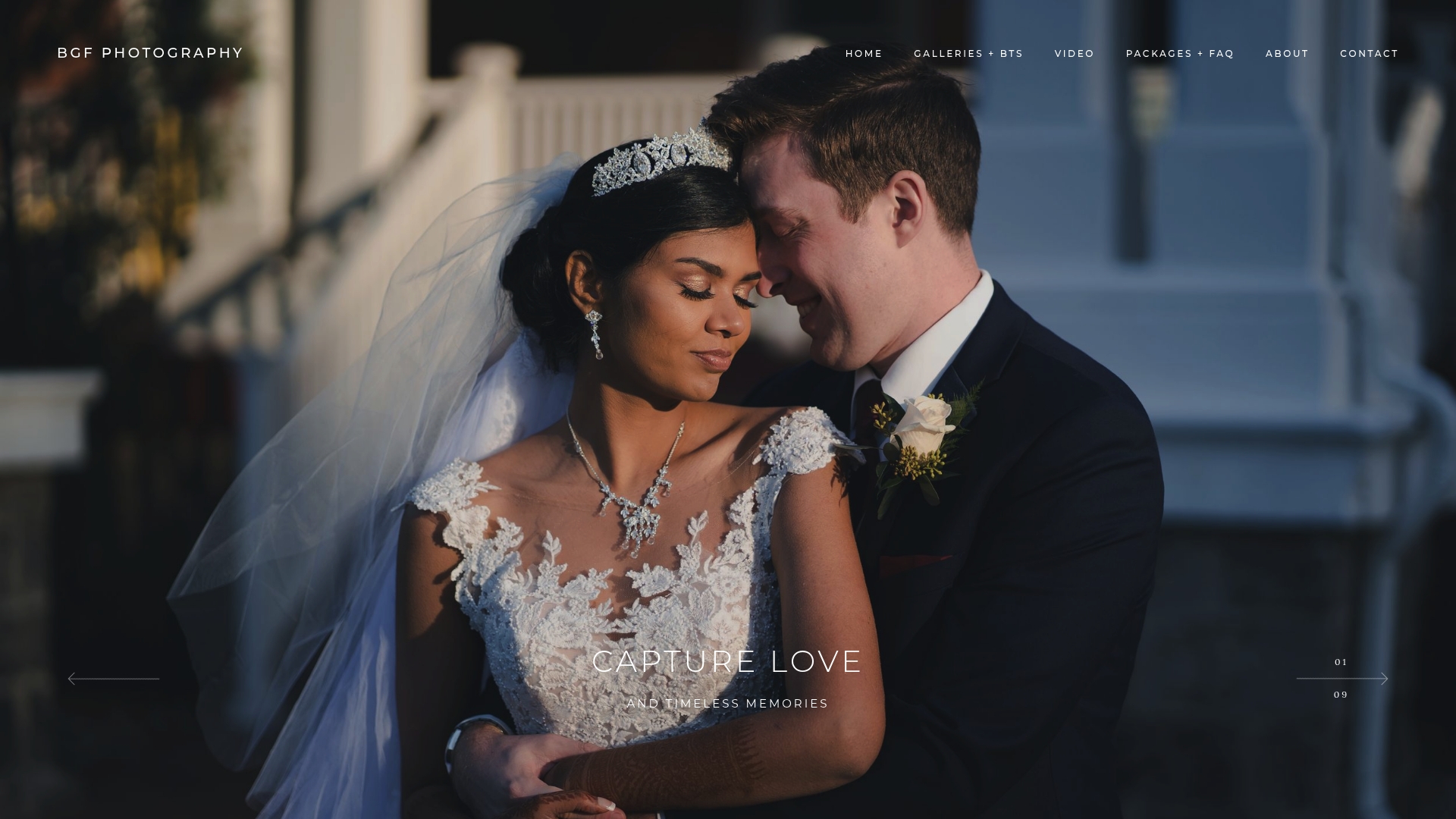
We offer engagement sessions and happily advise on outfits, locations and poses, so you arrive feeling ready instead of guessing. An engagement session with us is listed at $600, and you can see the full details on our investment page. If you want a guided, relaxed session, send us a message and we will take it from there.
FAQ
What colors look best in engagement photos?
Soft, neutral tones like beige, taupe, white and black look timeless on camera. Experts advise avoiding very bright, saturated colors near the face, because they can cast color onto your skin. If you love bold colors, use them in accessories or in a skirt or shoes.
Should we match our outfits exactly?
No. Coordinate a shared palette instead, so you look like a pair without looking identical. One printed piece with complementary solids is an easy way to do it.
How many outfit changes should we plan?
One change at most is a good rule for most sessions. Limiting changes to one or none leaves more time for actual photos. Extra changes usually mean less time with the camera.
Can we wear something brand new?
It is better to wear new clothes beforehand so you can spot discomfort, bunching or transparency. Debuting an outfit on session day often leads to adjusting it during the shoot, which shows in candid photos.