
For the most cinematic first dance video, choose a controlled low-key lighting setup with a soft rim light and a subtle background wrap, then run a short rehearsal with your videographer to test exposure and timing before guests take their seats. Dragging the shutter preserves the room's ambiance while keeping you lit. A lighting rehearsal is often included in a hybrid coverage timeline. Book one and schedule it now.
TL;DR:
- Using a low-key lighting setup with a warm key light and rim light enhances cinematic quality, but requires a prior lighting rehearsal to confirm placement and exposure.
- Matching the color temperature of all lighting fixtures prevents skin tone inconsistencies and is best achieved through testing during the rehearsal period.
- A 15 to 30-minute dry run with your videographer, including cueing music and testing effects, ensures lighting cues are perfectly synchronized with the dance.
- Low-light footage benefits from a slow shutter speed combined with moderate ISO to preserve ambiance and avoid grain, with careful stabilization and face lighting.
- Special effects such as fog, pyrotechnics, or drones demand venue approval, manufacturer-approved fluids, and proper positioning to minimize health risks and legal issues.
Table of Contents
- Which lighting styles photograph best for a first dance video
- Setting up the room: equipment and placement that actually work
- Briefing your videographer and timing the moment right
- Camera settings that keep the mood on video
- Keeping fog, pyrotechnics, and drones safe and legal
- Some lighting setups are commonly used in wedding coverage because they consistently read well on camera. For a low-light indoor dance, the recipe is a single warm key light at 30 degrees off camera, ISO raised just enough to keep the shutter around a quarter-second drag, and a rehearsal pass with the DJ to confirm the house lights dim exactly when the music starts. For a fairy-light backdrop, the string lights wrap three sides of the floor at roughly head height, the camera holds a wide aperture to turn the lights into soft background bokeh, and the couple is briefed to stay a few feet off the string-light wall so their faces don't fall into shadow.
- Why color temperature changes how the dance feels on camera
- Timing lighting cues to the music and the dance itself
- Getting usable footage when the room is genuinely dark
- Fixing and enhancing the lighting after the fact
- What I think couples get wrong about lighting
- How BGF Photography brings this lighting plan to life
- Sources
- FAQ
Which lighting styles photograph best for a first dance video
The style you pick shapes the entire mood of the footage, and some translate to video far better than others. Low-key lighting, favored for its dramatic contrast between light and shadow, suits intimate barns and exposed-brick venues where you want the couple to feel spotlighted against a dark room. High-key lighting does the opposite: it floods the space evenly, which reads bright and airy on camera and works well in white-walled ballrooms or daytime tents where you want an open, cheerful feel rather than drama.
Fairy lights and twinkle backdrops create a romantic glow that video cameras render as soft, warm bokeh behind the couple, a favorite for garden venues and rustic receptions. Spotlighting and rim lighting isolate the couple from the background, giving footage a cinematic, focused look that works almost anywhere, including rooftop receptions where you want the skyline to fall away into darkness. Cold sparklers add a few seconds of spectacle for a grand entrance or dance finale, best suited to ballrooms with high ceilings and no sprinkler sensitivity. Fog or haze gives beams of light something to catch, turning a plain spotlight into a visible shaft, ideal for tented receptions with dark corners. Drone-lit overheads, where a licensed pilot captures the dance floor from above, suit expansive venues like vineyards or event barns with open-air access.
A few style prompts to copy directly into a vendor brief:
- Low-key: "Single warm key light at 30 degrees, deep shadow fill, no overhead wash."
- Fairy light wrap: "String lights on three sides, camera-height twinkle, no direct spot on faces."
- Spotlight and rim: "Narrow beam from above, thin rim light behind for silhouette edge."
- Cold spark finale: "60 seconds of cold spark burst timed to the last chorus."
Setting up the room: equipment and placement that actually work
Once you know the style, the next question is what gear gets you there and where it goes. Budget matters here, and smaller setups can still look great on video.
For a minimal kit, battery-powered LED panels, warm-white string lights, and a pair of inexpensive uplights go a long way. They are wireless, quiet, and bright enough to register on camera without needing an electrician. For a premium cinematic result, pair full RGB LED panels with a Fresnel or soft-box source for the key light, DMX-capable uplights for color control across the room, and a haze unit used sparingly to add atmosphere without clouding the whole floor.
Placement makes or breaks the effect. A few setups to test:
Wrap string lights along three sides of the dance floor, leaving the fourth open for the camera's main sightline. 2. Place the key light at roughly 30 degrees off the camera axis for soft, flattering shadows, a placement Adobe's lighting guide recommends for cinematic results. 3. Add a thin rim light behind the couple to separate them from the background without overpowering the key. 4. Run power cables along walls, not across walkways, and confirm the venue has enough circuits before adding RGB panels. 5. Position any fog or haze machine along a side wall, aimed away from the dance floor and guest tables, not directly into the couple's path.

Heat, noise, and visibility are the tradeoffs to watch. Fresnel lights run hot in enclosed rooms, DMX uplights can hum faintly near a quiet microphone, and haze units need a few minutes to disperse evenly before they look right on camera. Avoid bright, uncontrolled house lights during the dance itself, since they flatten the shadows your key light just built, and skip unshielded strobes, which blow out footage and can trigger photosensitivity concerns for some guests.
Pro Tip: Test every light with your phone's camera before the wedding; what looks warm to the eye sometimes reads green or orange on video, especially under mixed bulb types.
Briefing your videographer and timing the moment right
Lighting only works if the people running it and the people filming it are on the same page. Walk your videographer through the look you want using reference photos, then confirm these specifics together:
- The exact song and its timing, including any cue points where lighting should shift (a key change, a chorus, a slow build).
- Where the main camera will stand and whether that position blocks any planned light source.
- Where power outlets and extension cords will run, so no cable crosses a camera sightline.
- Who gives the signal for house lights to dim, usually the DJ or emcee, and at what point in the song.
- Whether fog, haze, or drone work needs separate venue approval, and who is confirming that paperwork.
A 15 to 30 minute lighting dry run before guests arrive is worth the time; see this Interview Lighting Setup: Pro Results for Video Shoots for practical examples on placement and source size. Use it to check for blown-out highlights on the key light, confirm haze density actually looks like mist rather than a wall of white, and run the lighting cue at least once with music playing so the DJ and lighting operator sync the timing. BGF Photography's take on the first dance covers how this single dance often becomes the emotional center of the whole wedding video, which is reason enough to rehearse it.
A simple timeline snippet to drop into your reception schedule: "6:45 PM, lighting and sound check with DJ and videographer. 7:00 PM, guests seated. 7:05 PM, house lights dim, first dance begins."
Camera settings that keep the mood on video
Technique matters as much as the lighting itself. Dragging the shutter, a method where the videographer slows the shutter speed while raising ISO, keeps the warm ambient glow of the room visible in the background while the couple stays lit in the foreground. It introduces a touch of motion blur on fast movement, which actually reads as romantic rather than distracting during a slow dance, though it can look messy during a faster spin or lift.
For close-ups, a wide aperture in the f/1.2 to f/2.8 range produces the soft, shallow-focus look couples associate with romantic wedding films, separating the couple sharply from a blurred, twinkling background. Shutter speed needs to stay fast enough to avoid excessive blur on faster footwork, so videographers often split the difference: slower during a slow sway, quicker during a spin.
Low-light noise is the real enemy of a clean first dance video. Raising ISO to compensate for dim rooms introduces grain, and heavy noise reduction in post can smear fine details like lace or hair.
Adobe's wedding photography guidance recommends scouting the lighting ahead of time and adjusting shutter speed and ISO together to preserve venue ambiance rather than overexposing the scene with on-camera flash. A small, low-power fill light triggered carefully can rescue a shot without washing out the mood, but it should never be the primary light source during the dance itself.
In post-production, gentle shadow recovery brings back detail lost in the darkest parts of a low-key frame without flattening the contrast that made the lighting work in the first place. Contrast grading can deepen the cinematic feel further, but the goal is to preserve the mood captured on site, not manufacture one that was never there. A few habits worth building into any shoot:
- Shoot a quick test clip at the rehearsal to check for highlight clipping before the real dance starts.
- Keep a backup low-power fill light on hand but off unless the room reads darker than expected.
- Review footage on a larger screen before the reception ends, in case a reshoot of the kiss or final pose is needed.
Keeping fog, pyrotechnics, and drones safe and legal
Special effects look incredible on camera, but they come with real risk if handled carelessly. NIOSH and CDC health evaluations of theatrical smoke document respiratory and eye irritation among performers and stagehands exposed to fog and smoke effects, and the same reports recommend using only manufacturer-approved fog fluids, minimizing exposure time, and positioning machines so the release doesn't drift toward people rather than up and away from the dance floor.
Practical steps that keep the effect without the risk:
- Use only the fluid the machine's manufacturer approves, never a substitute product.
- Keep the machine along a side wall or behind a backdrop, never pointed at the dance floor or guest tables.
- Run it in short bursts rather than a continuous haze, which keeps density low and air clearer.
- Confirm with the venue whether a fire marshal sign-off is needed for any pyrotechnics or open-flame cold sparks.
- Ask any drone operator for proof of licensing and confirm the venue allows aerial filming before booking one.
Most venues will ask for proof of insurance before allowing haze machines, cold sparklers, or drones on the property, and some require a licensed operator's credentials on file in advance. If fog or pyrotechnics feel like too much paperwork, strong backlighting through a sheer curtain or an LED haze panel can produce a similar cinematic glow with far less risk and no permit chase.
Some lighting setups are commonly used in wedding coverage because they consistently read well on camera. For a low-light indoor dance, the recipe is a single warm key light at 30 degrees off camera, ISO raised just enough to keep the shutter around a quarter-second drag, and a rehearsal pass with the DJ to confirm the house lights dim exactly when the music starts. For a fairy-light backdrop, the string lights wrap three sides of the floor at roughly head height, the camera holds a wide aperture to turn the lights into soft background bokeh, and the couple is briefed to stay a few feet off the string-light wall so their faces don't fall into shadow.
Two decisions tend to separate a good first dance video from a forgettable one: choosing a key light placement before the room fills with guests, and testing the exact song cue with the lighting operator rather than assuming it will line up. Booking hybrid coverage from the same team can help ensure a consistent look across stills and footage, since one crew manages the lighting plan rather than two separate vendors.
Pro Tip: Share two or three reference photos or video clips with your lighting vendor and videographer ahead of time; a picture communicates "moody and warm" far faster than words do.
Why color temperature changes how the dance feels on camera
Color temperature, measured in kelvin, decides whether your first dance footage feels warm and intimate or cool and modern, and it has a direct effect on skin tones. Warm light in the 2700 to 3200 kelvin range, the glow of string lights and most tungsten fixtures, renders skin with a flattering golden cast and reads as romantic and timeless on video. Cooler light above 5000 kelvin, common in daylight-balanced LED panels, gives skin a cleaner but sometimes clinical look, better suited to a modern ballroom than an intimate barn dance.

Mixed color temperatures in the same shot cause the real problems. A room lit with warm string lights but a cool-white uplight in the background forces the camera's white balance to pick a side, leaving either the couple or the backdrop looking slightly off. Matching every fixture to a single color temperature, or deliberately splitting warm key light against a cool rim light for contrast, keeps skin tones consistent and avoids the greenish or orange cast that mismatched bulbs often produce on camera.
RGB LED panels solve part of this problem because they let a lighting operator dial in a precise kelvin value rather than guessing at a bulb's rating. Gels on fixed lights do the same job more cheaply, warming or cooling a light source to match the rest of the room. Whatever the choice, testing color temperature during the lighting rehearsal matters as much as testing brightness, since a mismatch that looks fine to the eye can still throw off skin tones once the footage is reviewed on a screen.
Timing lighting cues to the music and the dance itself
A lighting effect that fires a beat late looks like a mistake, not a moment. Lighting cues work best when they are mapped to specific points in the song, not guessed at live, which is why sharing the exact track and its timestamps with the lighting operator beforehand makes the biggest difference. A key change, a chorus, or the final few bars are natural points to shift from a static key light into a slow color change or a single burst of cold spark.
Choreographed dances benefit from an extra layer of planning, since a dip, lift, or spin needs the dance floor lit evenly enough that the move doesn't vanish into a dark patch. Walking the choreography once under the actual lighting, even briefly, reveals dead zones a lighting operator can adjust before guests arrive.
For an unchoreographed, simple sway, the cues can stay minimal: house lights down at the first note, a single spotlight holding through the verse, and perhaps one color shift near the end. The fewer moving parts in the lighting plan, the less that can go wrong when a nervous couple takes the floor. Whatever the complexity, a dry run that plays the actual song while watching the lights fire in real time is the only way to confirm the cues land where they should instead of a beat early or late.
Getting usable footage when the room is genuinely dark
Low light is where most first dance videos fall apart, not because the lighting design failed but because the camera settings never adjusted to it. A slower shutter paired with a modest ISO increase, the drag technique covered earlier, keeps grain manageable while still gathering enough light to show the room's ambiance rather than a black background. Pushing ISO too far without that shutter adjustment is usually what turns a romantic dim room into a grainy, unusable clip.
A few habits make a bigger difference than expensive gear in a dark venue. Stabilizing the camera, whether on a tripod, gimbal, or a braced shoulder rig, matters more at slow shutter speeds since any shake becomes amplified blur rather than a clean, soft drag. Framing the couple so at least one practical light source, whether a string light wall or a single spotlight, falls across their faces avoids the flat, underexposed look that comes from relying on ambient room light alone.
A monitor or even a phone screen checked in real time during the rehearsal catches problems a viewfinder sometimes hides, particularly whether the exposure is actually holding detail in the couple's faces rather than just looking acceptable on a tiny screen. BGF Photography's low-light shooting notes lay out similar no-flash techniques for photographing dim receptions, and the same logic carries over directly to video.
Fixing and enhancing the lighting after the fact
Even a well-lit first dance benefits from careful color and exposure work once filming wraps. Gentle shadow recovery pulls back detail that a low-key setup pushed into near-black without flattening the contrast that made the scene feel cinematic in the first place. Pushing shadow recovery too far undoes the whole point of a moody lighting design, so the goal in editing is restraint, not correction for its own sake.
Contrast grading and a light color correction pass can smooth out any mismatched color temperature that slipped through during filming, pulling a slightly green-tinted uplight back toward the warmth of the rest of the frame. White balance adjustments in post rescue footage where the camera's automatic setting guessed wrong on site, though it works far better when the original footage was reasonably well exposed to begin with.
Couples assembling their own highlight clips can use a tool like Adobe Express's wedding video templates for a quick, polished edit of raw first dance footage, useful when the plan is a simple share rather than a full cinematic edit. For a vendor-delivered film, the editing stage is where a slightly underexposed room gets its final warmth back, and where a lighting plan that looked good live gets polished into something that holds up on repeated viewing. BGF Photography's highlight reel planning guide breaks down which first dance moments tend to earn a spot in the final cut.
What I think couples get wrong about lighting
Couples spend months on flowers and seating charts and leave lighting as an afterthought, yet it shapes every frame of the one dance they will watch back for decades. Planning the light first, before the camera angle or even the song, tends to produce footage that feels like a decision rather than a lucky accident. Share two or three mood images with your vendors early, then book the dry run. It is the cheapest insurance your first dance video will ever get.
— Billy
How BGF Photography brings this lighting plan to life
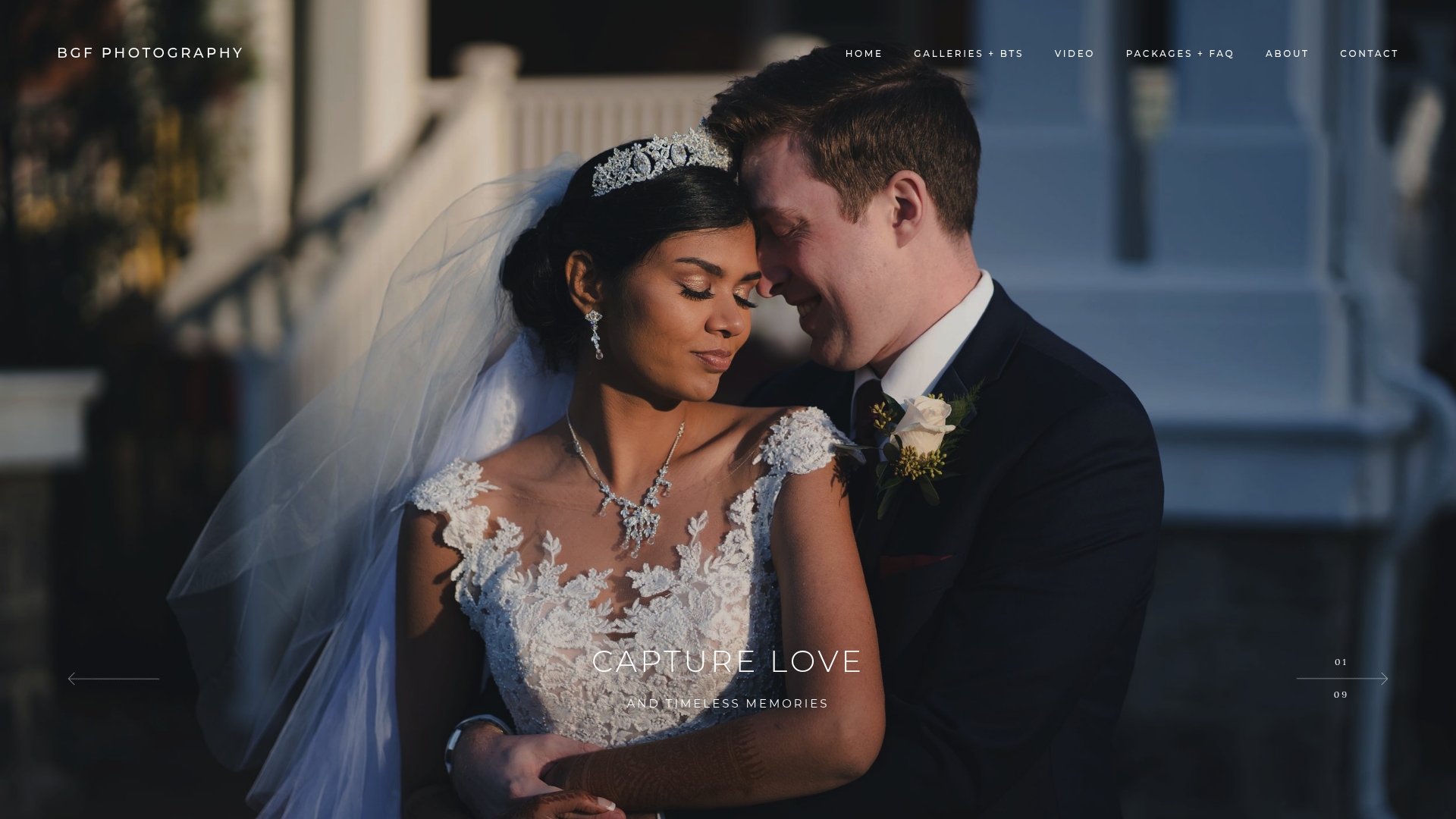
A first dance video only looks cinematic when the team filming it already knows the lighting plan inside out, which is exactly what hybrid coverage is built for. BGF Photography pairs photography and videography under one consistent style, so the same crew that scouts your venue's lighting also frames the footage, rather than two vendors coordinating blind on the day.
Booking with BGF Photography typically includes:
- A pre-wedding consult to talk through lighting style, reference photos, and your venue's layout.
- A short lighting rehearsal built into the day-of timeline, the same dry run covered earlier in this guide.
- Hybrid coverage options, from a highlight reel to a full-length film, so your first dance gets the edit it deserves.
Packages and current pricing are listed on the investment page, where you can see what's included before reaching out to check availability for your date.
Sources
- What is low-key lighting & high-key lighting in film | Adobe
- Health Hazard Evaluation Report: HETA 90-0355-2449: Actors’ Equity Association/the League of American Theatres and Producers, Inc., New York, New York
FAQ
What is the best lighting setup for a first dance video?
A controlled low-key setup with a single warm key light at roughly 30 degrees off camera and a soft rim light behind the couple tends to produce the most cinematic result, according to Adobe's lighting guide. Pairing it with a short lighting rehearsal confirms the look works with your venue's actual power and space before guests arrive.
Do I need a permit for fog or sparklers at my wedding?
Many venues require proof of insurance and sometimes a fire marshal sign-off before allowing fog machines, pyrotechnics, or cold sparklers on site, so this needs confirming directly with your venue. NIOSH and CDC guidance also recommends using only manufacturer-approved fluids and positioning any fog machine away from guests to limit irritation.
How do I keep my first dance video from looking too dark?
Dragging the shutter, which pairs a slower shutter speed with a modest ISO increase, keeps the room's ambient glow visible without relying on harsh on-camera flash. Adobe's wedding photography guidance recommends scouting the lighting ahead of time so your videographer can set exposure correctly before the dance starts.
Should I hire a separate lighting company or rely on my venue's house lights?
House lights alone are rarely flattering on video since they flatten shadows and wash out the mood a dedicated key light creates, so a small lighting kit or a specialist vendor usually produces a noticeably better result. Battery-powered LED panels and string lights are an affordable starting point if a full lighting company isn't in the budget.
What should I ask my videographer about lighting before the wedding?
Share your desired look through reference photos, confirm the exact song and any cue points for lighting changes, and schedule a short rehearsal to test exposure and fog density if you're using either. BGF Photography's notes on the first dance cover why this single dance often carries the most emotional weight in the finished video, which makes the extra planning worthwhile.