

TL;DR:
- The groom’s reaction during the processional, paired with clear wireless audio for vows, is essential for a heartfelt wedding film. Preparing a detailed shot list and timeline before the wedding ensures coverage of key moments and prevents gaps. Coordinating with your videographer and sharing these details early helps capture genuine emotions and high-quality footage.
Your wedding video needs these shots, in order of priority: groom detail shots (watch, cufflinks, shoes, rings), groom reaction during the processional, vows with dedicated wireless audio, ring exchange, first kiss, first dance, key reception moments (entrance, speeches, cake cutting, send-off), and the grand exit. Hand that list to your videographer before the wedding day.
Must-have shots at a glance:
-
Groom detail shots: watch, cufflinks, shoes, suit, rings on invitation
-
Private letter reading (alone or with groomsmen stepping out)
-
Candid groom prep and pre-ceremony toast with groomsmen
-
Groom reaction during the processional (primary camera priority)
-
Vows with wireless lav audio on the groom
-
Ring exchange close-up
-
First kiss
-
Reception entrance, speeches with reaction cutaways, first dance, cake cutting, parent dances, candid dance floor footage
-
Grand exit / send-off
Pro Tip: If your crew has only one camera operator, tell them to lock on the groom’s face during the processional. The bride will appear in other footage. The groom’s first reaction cannot be recreated.
Table of Contents
-
What does a groom’s wedding video shot list look like stage by stage?
-
How can you prepare to help your videographer get better footage?
-
What BGF Photography’s approach to groom coverage actually looks like
What does a groom’s wedding video shot list look like stage by stage?
Getting ready
The morning sets the emotional tone of the entire film. Detail shots of the watch, cufflinks, shoes, and suit jacket take 15–20 minutes when done properly, so block that time deliberately. Bring everything in a small box so the videographer can arrange items against a clean background without hunting around the room.
-
Must: Watch, cufflinks, shoes, suit jacket, rings on the invitation or a flat lay
-
Must: Private letter reading (ask groomsmen to step out for 5–10 minutes)
-
Must: Candid getting-dressed moments and mirror shot
-
Nice-to-have: Pre-ceremony toast with groomsmen
-
Nice-to-have: First look with a parent or sibling
Reading the letter privately matters more than most grooms expect. Asking the room to clear for a few minutes is the single most reliable way to get a genuine emotional reaction on camera.
Ceremony
The ceremony is where audio quality separates a good film from a great one. Every shot below assumes a wireless lav on the groom as the default.
-
Must: Groom reaction during the processional (primary camera on groom’s face)
-
Must: Full vows with clean wireless audio
-
Must: Ring exchange close-up
-
Must: First kiss
-
Must: Wide safety shot of the full venue before guests arrive
-
Nice-to-have: Reaction cutaways from family during the processional
-
Nice-to-have: Aerial or elevated venue shot if the location permits
Pro Tip: Ask your videographer to arrive 30–45 minutes before guests to capture empty-venue b-roll. Editors rely on those wide, quiet shots to open the film and set the scene.
Portraits and family formals
Family formals eat time fast. Photograph the largest groups first (full immediate family on both sides together), then break into smaller combinations. A printed list of every grouping, handed to a designated family point person, keeps the session efficient and organized.
-
Must: Immediate family combinations (both sides)
-
Must: Wedding party group shot
-
Nice-to-have: Candid behind-the-scenes footage during the photo session setup
-
Nice-to-have: Golden-hour couple portraits (at least 20 minutes of couple-alone time)
Editors need at least 90 seconds of couple-alone footage to build the emotional core of a highlight reel. That time is almost always worth protecting on the schedule.
Reception
-
Must: Grand entrance
-
Must: Speeches and toasts with reaction cutaways to the couple and guests
-
Must: First dance (wide establishing shot, then a push-in close-up)
-
Must: Cake cutting
-
Must: Parent dances
-
Nice-to-have: Candid dance floor footage
-
Nice-to-have: Cultural traditions or surprise performances
-
Must: Grand exit / send-off
Venue and décor detail shots before guests arrive are the b-roll editors use between reception moments. If your videographer skips them, the edit will feel choppy.

How long does each phase take? A sample timeline
Build your timeline backward from the ceremony start. The table below uses a 4:00 PM ceremony as the anchor.
| Phase | Suggested Start | Time to Allocate | Notes |
|---|---|---|---|
| Videographer arrival / vendor setup | — | 30–45 min | Empty-venue b-roll, equipment check |
| Groom detail shots | — | 15–20 min | Bring items in a small box |
| Groom getting ready / candids | — | 45 min | Letter reading included here |
| First look (if applicable) | 1:30 PM | 30 min | Private location, minimal crew |
| Family formals | — | 30 min | Use a printed list and a point person |
| Golden-hour couple portraits | — | 20–30 min | Protect this time on the schedule |
| Ceremony | 4:00 PM | Per officiant | Wireless lav check before guests arrive |
| Cocktail hour b-roll | 5:30 PM | 20–30 min | Candid guest footage, décor details |
| Reception | — | Per itinerary | Entrance through send-off |
A few things go wrong on almost every timeline. Family formals run long when there is no designated person gathering relatives. The first look runs short when the location is not scouted in advance. Golden-hour portraits get cut entirely when formals overrun. Protect those three phases with hard stop times, not soft suggestions.
-
Designate one family member (not the planner) to gather relatives for formals
-
Scout the first-look location the week before so setup takes minutes, not 20
-
Put golden-hour portraits on the printed schedule as a non-negotiable block
A shot list paired with a realistic timeline prevents the most common coverage gaps. Share both documents with your videographer, photographer, and planner at least two weeks before the wedding.
What audio and equipment decisions actually matter?
Wireless audio for vows
Clear, high-quality audio is as important as camera placement for vows and speeches. Camera mics placed 10–20 feet away pick up ambient noise, chair scrapes, and wind. A wireless lav on the groom (or clipped to the officiant) captures clean, intimate audio that holds up in the edit. Confirm with your videographer who is responsible for wiring the groom: the videographer, the venue’s PA team, or a sound tech.
For vows capture, the standard setup is a wireless lav on the groom and a second lav on the officiant. If budget allows only one mic, the officiant position typically captures both partners’ voices more reliably than a single groom lav.
Second shooter and camera coverage
A second shooter changes what the edit can do. With one camera, the operator must choose between the groom’s face and the bride’s walk. With two cameras, both are covered simultaneously, and reaction cutaways from guests become possible during speeches.
-
Single shooter: Lock the primary camera on the groom’s face during the processional; use a wide safety shot on a tripod for the full scene
-
Two shooters: Primary on the groom, second on the bride’s walk and guest reactions
-
Speeches: A second camera on the couple’s reactions while the primary covers the speaker
The role of each camera should be agreed on before the ceremony, not improvised in the moment.
Backup plans
-
Duplicate memory cards (two cards recording simultaneously) protect against card failure
-
Spare batteries for cameras and wireless audio systems
-
A locked wide shot on a tripod as a safety net if the primary operator needs to reposition
-
Drone footage: check venue rules and FAA regulations before assuming aerial shots are possible; many indoor venues and some outdoor sites prohibit drone use entirely
Pro Tip: Run a full audio check during vendor setup, before guests arrive. Confirm the wireless lav is transmitting cleanly and that the groom knows when and how it will be attached.
How can you prepare to help your videographer get better footage?
The groom’s behavior on the day affects the footage more than most people realize. A few simple actions before and during the wedding make a measurable difference.
Before the wedding day:
-
Pack a small box with detail items: rings, watch, cufflinks, boutonniere, invitation suite, and any meaningful small objects
-
Print the shot list and timeline and give a copy to your videographer, photographer, and planner
-
Confirm a quiet room for the letter reading, away from the main getting-ready area
-
Scout the ceremony venue with your videographer if possible, especially for lighting conditions
On the wedding day:
-
Ask groomsmen to step out for the letter reading so the camera captures a genuine reaction
-
During the processional, look at your partner’s face, not the camera; the videographer will find your angle
-
Stand slightly turned toward the guests during the ceremony so your face is visible from the aisle side
-
During family formals, designate one person (a sibling or close friend) to call names and gather groups so the videographer does not spend time organizing people
-
Know when couple portraits are scheduled and protect that block; do not let cocktail-hour socializing push into portrait time
Venue and lighting coordination:
-
Share the venue’s layout and any restrictions with your videographer at least two weeks out
-
Ask the venue coordinator about candle or uplighting schedules for the reception so the videographer can plan exposure settings
-
If the ceremony is outdoors, note the sun direction at ceremony time; backlit subjects are harder to expose correctly
Cultural and family traditions:
-
List any traditions that involve the groom specifically (handfasting, ring warming, unity ceremonies) and mark them as must-capture on the shot list
-
Give the videographer the name and a photo of any family member who should be featured in reaction cutaways
What should you ask your videographer before booking?
A short vendor-question checklist prevents the most common post-wedding disappointments. Copy these into an email or your pre-wedding meeting notes.
Coverage and staffing:
-
How many hours of coverage are included, and what is the overtime rate?
-
Is a second shooter included, or available as an add-on?
-
Who specifically will be the lead videographer on the day?
Audio and technical:
-
What is your audio plan for the vows? Will you mic the groom, the officiant, or both?
-
Do you carry backup wireless audio systems?
-
What is your backup plan if a camera or audio system fails during the ceremony?
Deliverables:
-
What is included: highlight reel only, or a full ceremony edit as well?
-
How long is the highlight reel, and can the length be adjusted?
-
Is raw footage available, and if so, for how long is it stored?
-
What file formats are used for delivery, and how is the video delivered (download link, USB, both)?
Editing and music:
-
How many revisions are included in the editing process?
-
Who selects the music, and is the licensing cleared for online sharing?
-
What is the typical editing turnaround time?
Shot-list specifics:
-
Which shots are guaranteed must-gets versus best-effort?
-
Have you filmed at this venue before, and are there any known restrictions?
These vendor questions should be answered in writing before you sign a contract. A videographer who cannot answer the audio and backup questions clearly is a risk worth noting.
Why the groom’s reaction is the shot that defines the film
Most clients assume the bride’s entrance is the emotional centerpiece of the wedding film. Production guidance consistently points the other direction: the groom’s reaction is the moment editors anchor the entire film around. It is the shot that makes guests cry when they watch the highlight reel. It cannot be recreated, restaged, or approximated in post-production.
The practical implication is straightforward. When a crew is small, the primary camera belongs on the groom’s face during the processional. The bride will appear in other footage. The groom’s first look at his partner walking toward him happens once.
Securing that shot requires three things working together: a camera positioned on the groom’s face before the processional begins, a wireless lav capturing clean audio of the vows, and a videographer who arrives early enough to set both up without rushing. When all three are in place, the ceremony edit almost writes itself.
Pro Tip: BGF Photography’s Billy recommends doing a quiet walkthrough of the ceremony space the morning of the wedding, before the suit goes on. Note where the light falls at ceremony time, confirm the lav placement with the videographer, and take one slow breath at the altar. Grooms who have stood at the altar once before the ceremony tend to look far more present when it counts.
A candid, unobtrusive approach to filming means the groom does not need to perform for the camera. The job is to be present. The videographer’s job is to be ready.
Key Takeaways
A complete wedding video checklist for grooms centers on three priorities: the groom’s reaction shot during the processional, clean wireless audio for the vows, and a printed shot list shared with every vendor at least two weeks before the wedding.
| Point | Details |
|---|---|
| Groom reaction is the priority shot | Place the primary camera on the groom’s face during the processional; it cannot be recreated. |
| Wireless audio is non-negotiable | A wireless lav on the groom or officiant captures vows clearly; camera mics at distance do not. |
| Detail shots need dedicated time | Block 15–20 minutes for editorial detail shots and bring items in a small box for the videographer. |
| Share the shot list early | Give a printed checklist and timeline to your videographer, photographer, and planner two weeks out. |
| BGF Photography covers both | BGF Photography’s hybrid photo and video coverage keeps groom-centered shots and audio under one coordinated plan. |
What BGF Photography’s approach to groom coverage actually looks like
Most wedding films are built around the bride. BGF Photography’s team builds around both partners equally, and in practice that means the groom’s reaction, audio, and morning prep get the same deliberate attention as any other part of the day.
The unobtrusive method matters here. When a videographer is not hovering or directing, the groom’s letter reading looks like a letter reading, not a performance. The processional reaction is real because nobody cued it. That is the footage that holds up ten years later.
BGF Photography publishes detailed guidance on highlight reel planning and ceremony audio setups on the blog, so grooms can read deeper on any section of this checklist before the wedding day.
BGF Photography covers every shot on this list
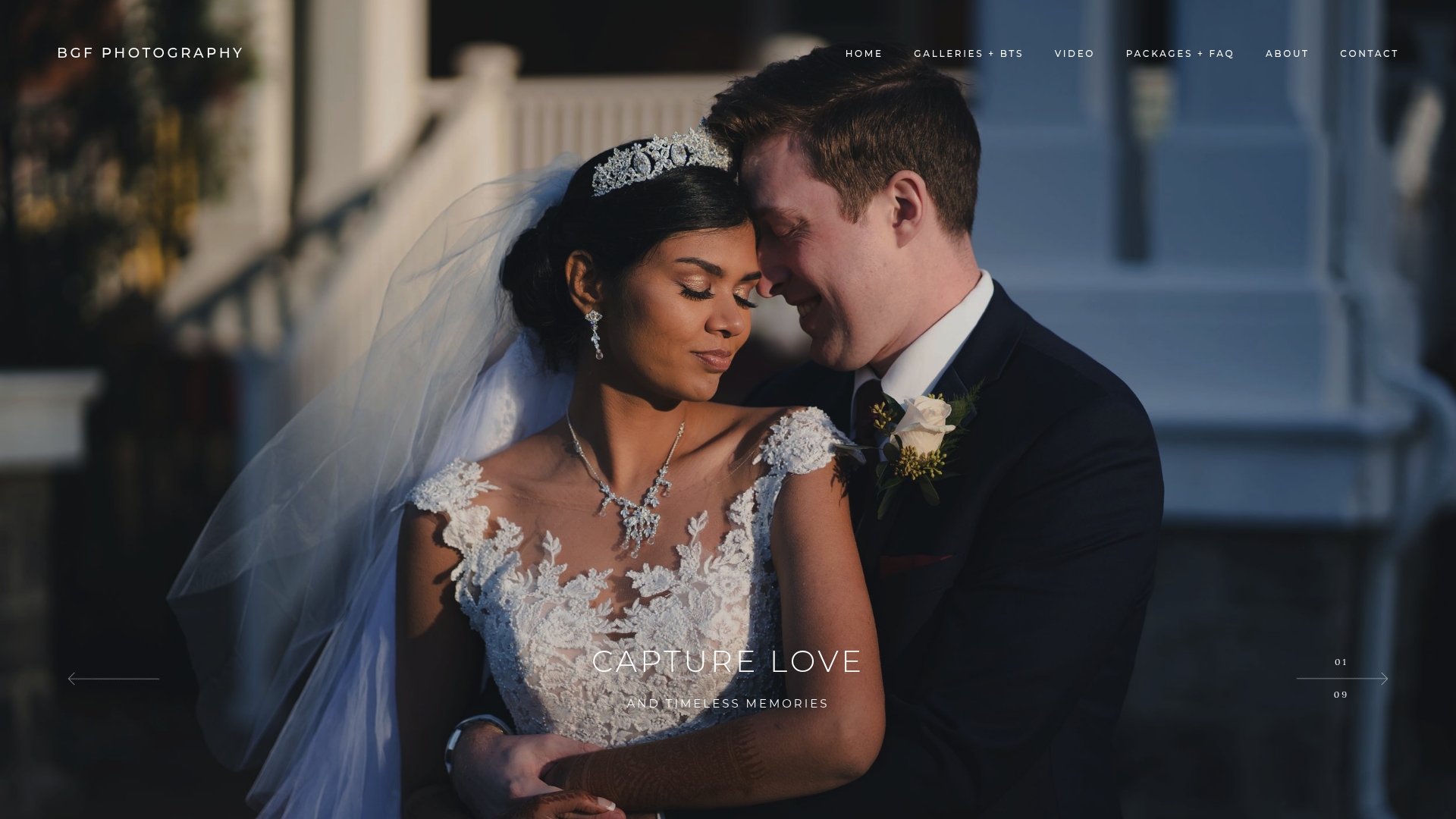
BGF Photography’s hybrid photo and video coverage means the groom’s detail shots, reaction, vows audio, and reception moments are all captured under one coordinated style, with no gaps between what the photographer and videographer are each covering.
Every package includes a pre-wedding consultation where the shot list and timeline are reviewed together, audio plans are confirmed, and second-shooter options are discussed. Grooms who book hybrid coverage get a single point of contact for both photo and video, which eliminates the coordination problems that come from hiring two separate vendors who have never worked together.
BGF Photography serves couples in the Buffalo and Rochester, NY areas. To see package details, coverage hours, and what each level includes, visit the packages and investment page and request availability for your date.
FAQ
What shots should a groom always include on the video checklist?
The non-negotiables are groom detail shots (watch, cufflinks, shoes), the groom’s reaction during the processional, vows with wireless audio, ring exchange, first kiss, first dance, and the grand exit. Share this list with your videographer in writing before the wedding day.
Why does the groom’s reaction matter more than the bride’s entrance?
Editors consistently use the groom’s reaction as the emotional anchor of the highlight reel because it is unrepeatable and visually powerful. When a crew has only one camera, placing it on the groom’s face during the processional captures the moment that makes the film.
How do I make sure my vows are captured with clear audio?
Ask your videographer to use a wireless lav mic on the groom or the officiant rather than relying on camera mics. Confirm the audio plan in writing before the wedding and run a transmitter check during vendor setup, before guests arrive.
Do I need a second shooter for my wedding video?
A second shooter allows simultaneous coverage of the groom’s reaction and the bride’s walk, plus reaction cutaways during speeches. For a single-shooter setup, a locked wide shot on a tripod acts as a safety net while the primary operator covers the groom’s face.
When should I share the shot list with my videographer?
Share the printed shot list and full timeline at least two weeks before the wedding, and confirm receipt. Give copies to your photographer and planner at the same time so all vendors are working from the same schedule.