Wedding vows are the emotional backbone of any cinematic wedding film. They do more than record what was said at the altar. In a well-crafted film, they become the thread that ties every visual, every reaction shot, and every quiet in-between moment into a coherent love story. Here is what that actually means in practice:
- Vows give footage context, turning beautiful images into a story with meaning.
- They establish pacing and emotional rhythm across the film's arc.
- Editors often place vow audio non-chronologically, layering lines over preparation scenes to build anticipation before the ceremony even appears on screen.
- Clean, authentic audio capture of vows is non-negotiable. Without it, the film's primary storytelling tool disappears.
- Personalized vows reflect each couple's specific relationship, making the film feel like theirs rather than a generic highlight reel.
- Cinematic wedding films typically run 3–10 minutes, prioritizing emotional resonance over full chronological documentation.
Why vows hit so hard emotionally in cinematic films
The emotional power of vows on film is not accidental. Research by LaBar and Cabeza shows that emotionally charged memories are stored and recalled with greater vividness than neutral ones. When couples watch their vow footage years later, they are not simply remembering words. They are reliving a neurochemical experience, one that audio-visual media reconstructs in ways that photos alone cannot.
Psychologists describe a phenomenon called "anticipatory nostalgia," where people begin forming emotional memories of an event even as it unfolds. Wedding films built around vows tap directly into this. Couples experience what researchers call co-regulation, synchronizing emotions together while watching, which deepens their relational bond over time.
Sound design amplifies all of this. Deliberate silence before or after a powerful vow draws viewer focus and creates space for emotional processing. Non-verbal audio cues, a shaky breath, a laugh that breaks the tension, a long pause before a promise, carry as much weight as the words themselves. Professional sound design balances clarity with natural room tone so the film feels immersive rather than sterile.
Pro Tip: Let silence do the work. Resist the urge to fill every moment with music. A vow delivered into near-silence, with only the ambient hum of the venue underneath, often lands harder than one buried under a swelling orchestral track.
How vows shape the narrative structure and pacing of a film
Vows function as narrative pillars. A well-edited wedding film follows a three-act structure: exposition through preparation footage, rising action through the ceremony build, and an emotional climax at the vow exchange. Vows anchor each of those transitions.
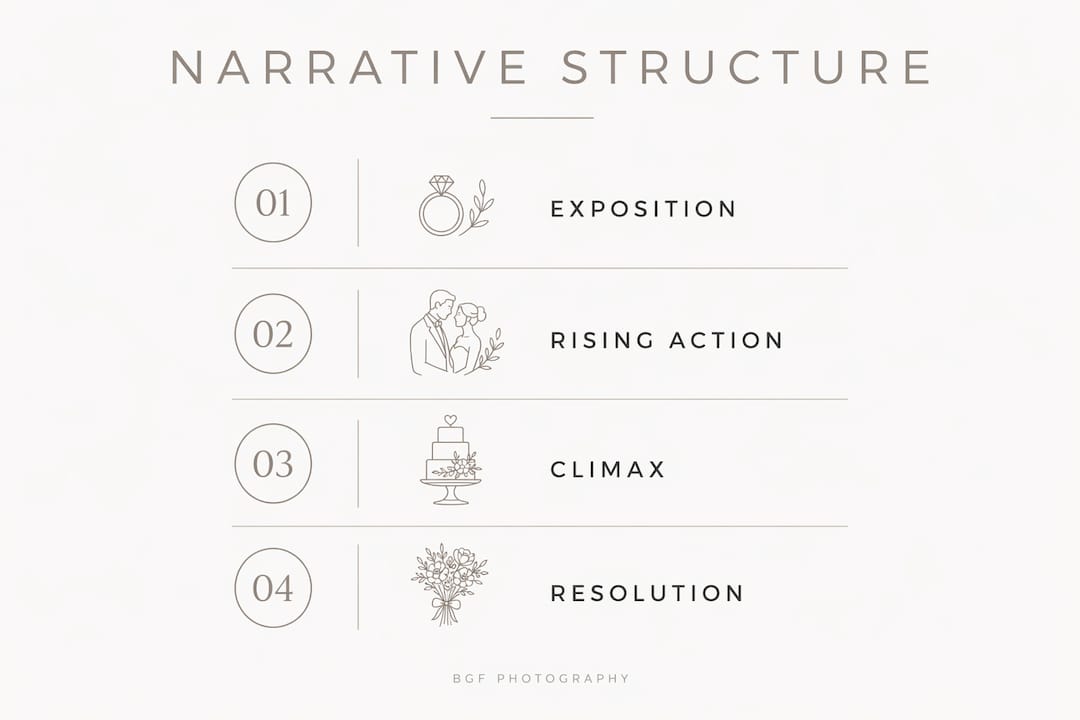
Experienced editors do not use full vow speeches. They select vow fragments strategically, choosing lines that support the emotional arc rather than documenting every word. A single sentence, "I choose you in every season," can carry through shots from morning preparations to the first look and into the ceremony itself. The film stops being a schedule and starts being a story about commitment.
Key narrative roles vows serve within an editing framework:
- Exposition anchor: A vow line introduced early establishes the emotional tone before the ceremony appears.
- Rising action driver: Vow audio layered over parallel preparation footage builds tension between the two partners.
- Climax marker: The full vow exchange, held until the right moment, delivers the film's emotional peak.
- Pacing counterweight: A heartfelt line slows the film at exactly the right moment; a playful promise adds warmth to a formal sequence.
- Thematic thread: Recurring language from vows can echo through later scenes, giving the film cohesion.
The difference between standard coverage and story-driven editing comes down to this: standard coverage captures vows from start to finish, which is valuable. Story-driven editing asks which lines support the arc, which visuals pair with those lines, and where silence should be left intact rather than filled. Restraint is part of the craft. If every emotional line is used at once, the film feels over-edited. If none of the vows are woven through the edit, the story feels flat.
Filmmaking techniques that make vows land on screen
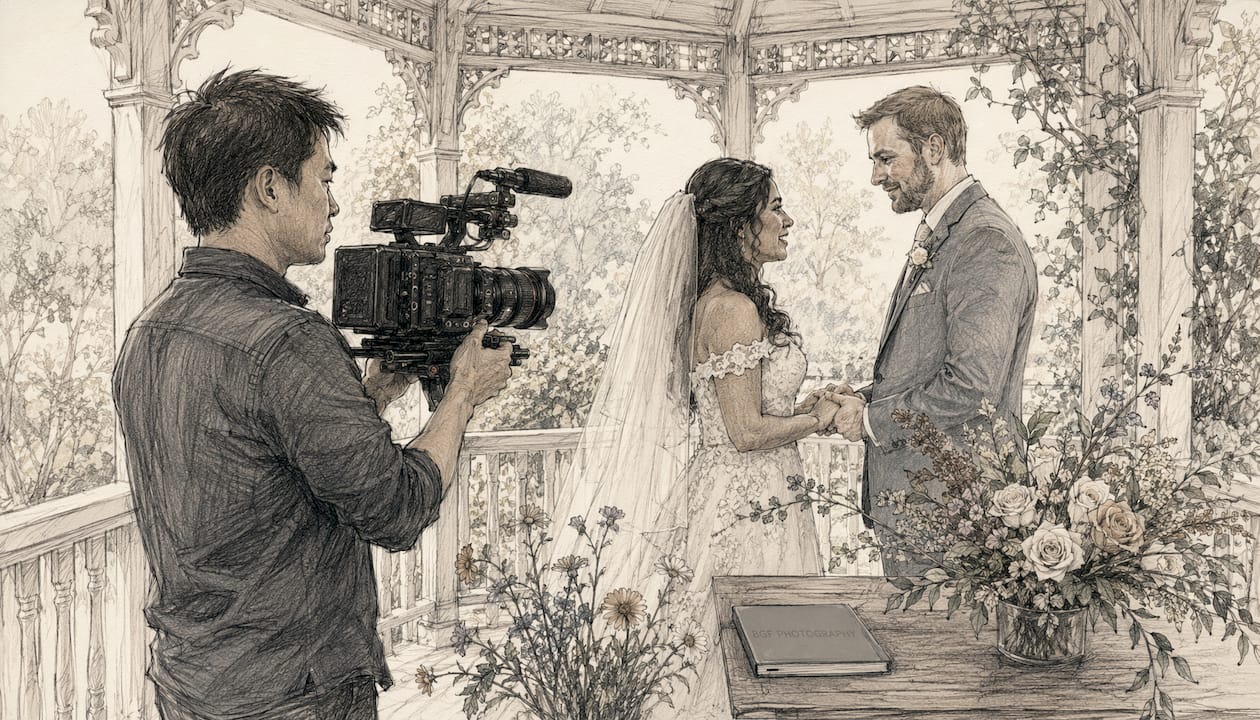
Capturing vows well starts before the ceremony. Professional wireless lavalier microphones placed on the officiant and couple, with a shotgun mic as backup, ensure clear audio even in windy outdoor venues or large ceremony spaces. Redundancy matters. Missing the vows is not recoverable in post-production.
Key techniques for highlighting vows in the final film:
- Layer vow audio over varied visuals. Hearing a vow line while watching a close-up of hands, or a parent's expression, creates emotional depth that a straight ceremony shot cannot.
- Preserve room tone. Over-polishing audio removes the natural ambiance that makes a film feel alive. The collective breath of a room, the creak of a pew, the distant sound of wind outside — these details ground the viewer in the moment.
- Avoid lyrics during spoken vows. Instrumental music supports vow audio without competing with it. Lyrics during dialogue create confusion and pull focus from the words.
- Use silence as a transition tool. Pulling all sound except the speaker's voice at a key moment focuses the viewer completely on what is being said.
- Map vow audio to narrative beats. Withhold emotional peaks until the climax rather than exhausting them early. The payoff depends on the build.
Pro Tip: Before the wedding day, ask your couple which vow lines matter most to them. Knowing those in advance lets you time camera moves and audio emphasis to hit those moments cleanly.
Premium sound design uses 7–10 audio layers including environmental sounds and foley work for a cinema-quality experience. Standard approaches use 2–3 layers. For outdoor venues or large ceremony spaces, the premium approach is worth it.
Why private vows and letter readings change the film
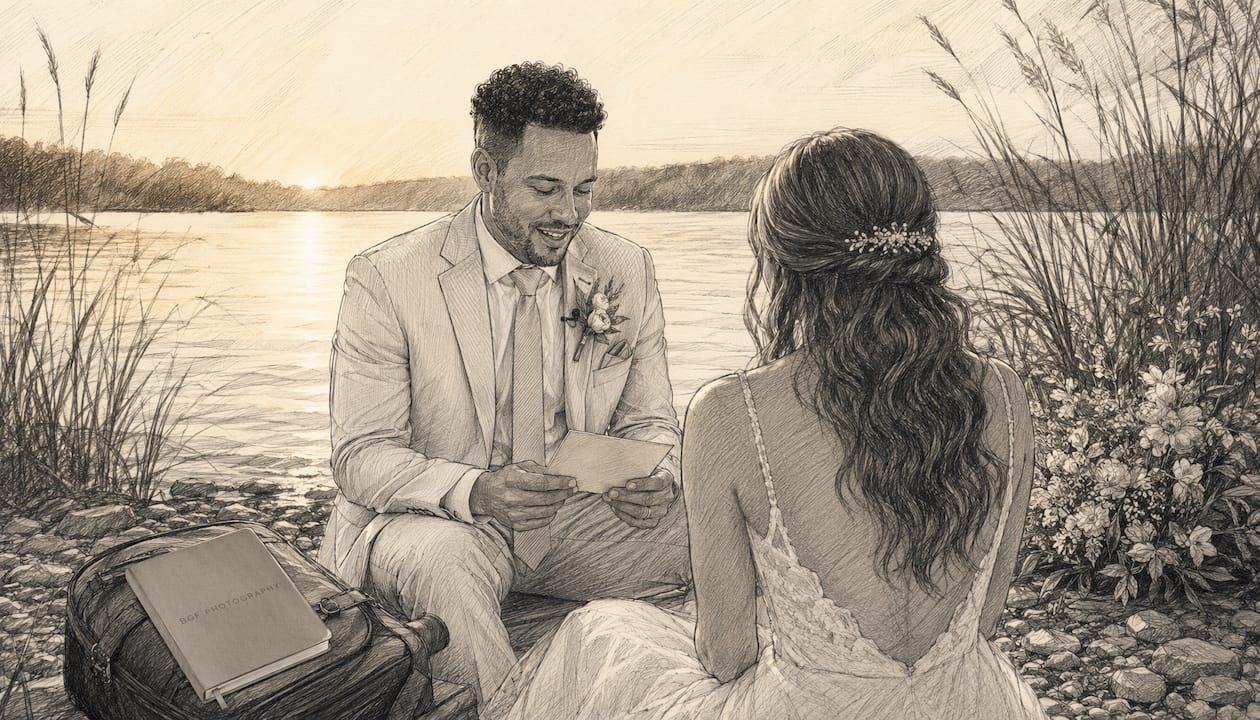
Private vow readings outside the ceremony tend to feel more natural and emotionally raw than altar vows. With no audience watching, couples speak more freely. That freedom shows up in the audio. The result is often the most intimate footage in the entire film.
These recordings work beautifully layered over getting-ready footage, first looks, and quiet portrait sequences. A groom reading a letter to his bride while she stands just out of frame, her reaction visible in a mirror, creates a scene that no posed shot can replicate.
Best practices for filming private vows and letter readings:
- Choose a quiet location away from catering staff, DJ setup, and guest traffic.
- Schedule enough time so the moment does not feel rushed. Pressure kills authenticity.
- Place a lavalier mic on the reader and position a second recorder nearby as backup.
- Let the couple finish without interruption. Do not call cut early.
- Capture reaction shots separately. A partner's face while listening is often the most powerful visual in the film.
The preservation value here extends beyond the film itself. Private vows capture uncensored promises in the speaker's own voice, at the exact emotional pitch of that day. Years later, that recording carries a weight that even the couple may not anticipate when they are writing the words.
How to make your vows work harder on film
Authenticity beats polish every time. Vows that sound like a screenwriter wrote them tend to feel distant on film. Vows that sound like the actual person saying them, with their specific memories, their humor, their honest fears, land with force.
Tips for making vows camera-ready:
- Use specific memories, not general statements. "You made me laugh on our worst day" hits harder than "you make me happy."
- Write in your natural speaking voice. Read the draft aloud. If you would never say it in conversation, rewrite it.
- Include both reflection and forward-looking commitment. Looking back at the relationship and forward into the marriage gives the film narrative range.
- Practice the pacing. A line that looks short on paper can feel rushed when spoken. Build in natural pauses.
- Do not rush through emotion. If your voice breaks, let it. That pause is often the moment the editor builds the scene around.
Pro Tip: Balancing one specific memory with one clear promise gives your vows a natural two-part structure that editors can work with. It creates a built-in emotional arc within a single speech.
Practicing vow delivery aloud helps couples find their authentic rhythm and allows emotional beats to breathe. From a film perspective, those pauses give the filmmaker room to shape the scene. A vow delivered clearly and at a measured pace gives the editor options. A rushed vow gives them very few.
How wedding vows in film have evolved over time
Early wedding films from the mid-20th century were largely documentary in nature, capturing ceremonies from a fixed camera position with limited audio. Vows, when audible at all, were incidental. The visual record was the point.
The shift began in the 1980s and 1990s as consumer video technology improved and couples began expecting more than a static record. Vows started appearing as deliberate audio elements, though still mostly in chronological, full-ceremony format. The cinematic wedding film as a genre, with non-linear editing, layered audio, and narrative structure, emerged more fully in the 2000s alongside DSLR video capabilities and affordable editing software.
By the 2010s, the vow exchange had become the acknowledged emotional centerpiece of the cinematic form. Editors began treating vow lines as voiceover material, a technique borrowed directly from documentary filmmaking. Today, in 2026, audio storytelling is a recognized trend, with couples actively choosing videographers based on their ability to capture and use spoken words, not just visuals. The vow has moved from background element to primary narrative driver.
How cultural variations in vows shape cinematic wedding films
Vows vary widely across cultures, and those differences produce genuinely distinct films. Traditional Christian ceremonies often use fixed liturgical vows, which give editors a predictable structure but less personalized audio. Jewish ceremonies center the ketubah and ring exchange, with spoken commitments that vary by denomination. Hindu weddings feature the Saptapadi, seven steps around a sacred fire, each representing a specific promise, giving filmmakers a built-in seven-beat narrative structure.
South Asian and West African ceremonies often involve extended family participation in the vow ritual, which expands the emotional cast of the film beyond the couple. The reactions of parents, grandparents, and community members become part of the vow story. In contrast, secular ceremonies in the United States increasingly feature fully personalized vows, which give editors the richest and most varied audio material to work with.
The cinematic portrayal of these variations requires cultural fluency. A filmmaker unfamiliar with the Saptapadi risks missing the significance of each step. One unfamiliar with the role of the officiant in a Black church ceremony may not anticipate the call-and-response moments that carry enormous emotional weight. Documenting wedding vows across cultural contexts demands preparation, not just technical skill.
Key Takeaways
Wedding vows are the primary narrative and emotional driver of any cinematic wedding film, and how they are captured, edited, and delivered determines the film's lasting power.
| Point | Details |
|---|---|
| Vows anchor the narrative arc | They serve as exposition, rising action, and climax markers within a three-act film structure. |
| Audio quality is non-negotiable | Professional wireless lavalier mics plus backup ensure vows are captured clearly in any venue. |
| Selective editing beats full coverage | Editors use curated vow fragments, not full speeches, to maintain pacing and emotional impact. |
| Private vows add intimacy | Off-ceremony readings feel more natural and layer beautifully over preparation and portrait footage. |
| Delivery pace shapes the edit | Speaking clearly with natural pauses gives editors the room to build scenes around emotional beats. |
FAQ
Why do wedding vows matter more on film than in photos?
Film captures voice, timing, and reaction in real time. A photo can freeze a tear, but only a wedding film holds the shaky breath before a promise, the pause when someone loses their place, and a partner's face in that exact moment.
What is the "30-5 minute rule" for weddings?
This is not a formally standardized rule, but the phrase generally refers to keeping ceremony vows and speeches concise. Cinematic wedding films typically run 3–10 minutes, so editors work with focused, emotionally resonant vow fragments rather than extended speeches.
What are traditional wedding vows?
Traditional Western wedding vows typically include a promise to love, comfort, honor, and keep a partner in sickness and in health, forsaking all others, for as long as both shall live. Many couples today blend traditional language with personal additions.
Should couples write personal vows for their wedding film?
Personal vows almost always produce stronger film material. Specific memories, honest promises, and natural language give editors more emotionally distinct audio to work with than fixed liturgical text.
How do filmmakers handle vow audio in loud or outdoor venues?
Professional wireless lavalier microphones placed directly on the couple, combined with a shotgun mic as backup, capture clear vow audio even in windy or acoustically challenging spaces. Preserving some natural room tone alongside the cleaned dialogue keeps the film feeling authentic rather than over-produced.
At BGF Photography, vows are treated as the emotional center of every wedding film, not an afterthought. The hybrid photography and videography approach BGF Photography uses in the Buffalo and Rochester, NY areas means one cohesive team captures both the visual and audio story of your day. If you want a film where your words carry as much weight as the images, explore wedding packages built around that exact priority.