

Hire a photographer whose full galleries already show same-sex couples in real, unposed moments, and whose booking process asks for your pronouns before you ever have to bring it up. Those two signals tell you more than any Pride-flag graphic on a homepage. BGF Photography is one option worth evaluating against that same standard, alongside any other candid, LGBTQ-affirming photographer serving your area.
TL;DR:
- Photographers should showcase full, unposed galleries of same-sex weddings to prove genuine experience, not just use rainbow branding or vague language.
- Ask direct questions about experience with queer couples, pronoun collection procedures, and handling trans or nonbinary clients during consultations.
- Style choices matter: candid storytelling suits relaxed couples, while curated or film photography appeal to those preferring more direction or nostalgic effects.
- Contracts must explicitly confirm pronoun use, image rights, and accessibility accommodations to ensure respectful and inclusive coverage.
- BGF Photography emphasizes unobtrusive, authentic moments, offering hybrid packages and transparent processes tailored to each queer couple’s needs.
Table of Contents
- Why Same Sex Wedding Photography Requires More Than a Rainbow Logo
- How to Choose the Right Same Sex Wedding Photographer
- Choosing a Style and Posing Approach That Fits Your Relationship
- Booking Checklist: Contracts, Coverage, and Day-Of Logistics
- Where BGF Photography Fits Into This Picture
- Centering Queer Joy Is the Job, Not an Add-On
- Book With BGF Photography for Your Wedding Day
- Sources
- FAQ
Why Same Sex Wedding Photography Requires More Than a Rainbow Logo
A couple who feels genuinely safe in front of a camera photographs differently than a couple who is bracing for an awkward moment. That is the entire argument for treating inclusive practice as a technical requirement, not a marketing nicety. When photographers center chosen family, skip gendered posing defaults, and ask instead of assume, clients relax, and relaxed people make better photographs. Kathryn Blair Photography's research on inclusive wedding photography found that photographers who build this kind of trust get stronger, more authentic storytelling images because the couple stops performing for the camera.
The gap between performative and real inclusion usually shows up in small details:
- A homepage with rainbow branding, but a portfolio with zero same-sex weddings in it.
- Inquiry forms that ask for "bride" and "groom" instead of names or pronouns.
- Vague answers when you ask directly about queer wedding experience.
- Posing language built entirely around one partner "leading" the other.
Rangefinder's reporting on LGBTQIA+ allyship in wedding photography points to the same fix every time: non-gendered language, direct pronoun questions, and portfolios that actually reflect diverse couples. Representation on a website is not decoration. It is the fastest way for a couple to know whether a photographer has done this work before or is improvising.
How to Choose the Right Same Sex Wedding Photographer
Interviewing photographers is where most couples either catch a mismatch early or get burned later. Treat the consultation like a working interview, because it is one.
- Ask directly about experience with queer weddings. Not "are you LGBTQ friendly," which invites a yes with no substance behind it, but "how many same-sex weddings have you shot, and can I see full galleries from two or three of them?"
- Request full galleries, not highlight reels. A hero shot proves nothing about how someone handles a full day. Lillian's Lens notes that asking for complete galleries is one of the clearest ways to separate genuine experience from a photographer who has shot one same-sex wedding and is leaning on it hard.
- Ask how they collect pronouns and names. A photographer with a real process has already built this into their intake form. If they look surprised by the question, that is data.
- Ask specifically about trans and nonbinary clients. Experience with cisgender same-sex couples does not automatically translate to comfort photographing trans or nonbinary partners with care.
- Ask how they handle unsupportive family members or safety concerns. A photographer who has done this before will have an actual answer, not a shrug.
- Ask about accessibility. Ramps, seating breaks, and quiet spaces matter for guests and for couples managing chronic conditions or anxiety.
Red flags cluster around evasiveness. If a photographer's site still says "bride and groom" everywhere, if their queer portfolio consists of one wedding they mention constantly, or if they get defensive when you ask about pronouns, keep looking. Paul Phipps Williams' guide to choosing a photographer for queer weddings makes the point plainly: representation and process cues on a vendor's site reduce friction for queer couples specifically because so many vendors still make them do extra emotional labor just to get a straight answer.
Pro Tip: Ask every photographer the exact same five questions in the exact same order. The differences in confidence and specificity between their answers will tell you more than their portfolios will.
Choosing a Style and Posing Approach That Fits Your Relationship
Style is not just aesthetic preference. It determines how much of your day gets shaped by the photographer versus how much unfolds naturally in front of them.
- Candid or documentary style follows the day as it happens, catching reactions instead of manufacturing them. This tends to suit couples who want the emotional truth of the day over a curated look.
- Editorial style leans into intentional composition and directed moments, which can work well for couples who enjoy being styled and posed together.
- Film photography adds a warmer, more nostalgic texture and forces a slower, more deliberate pace since there is no instant preview to chase.
Good posing for same-sex couples avoids assigning one partner a "masculine lead" and the other a "feminine follow" by default. Instead, Kathryn Blair's approach to inclusive posing favors prompts that invite genuine connection, walking together, laughing at something real, holding on to each other during a quiet second, rather than slotting each partner into a traditional gendered role neither of you actually occupies.
A short pre-wedding session solves more problems than people expect. It gives you both a low-stakes chance to feel out how a particular photography style fits your dynamic, and it gives the photographer a chance to learn your body language before the pressure of the actual day.

Pro Tip: If you feel stiff or self-conscious during your engagement session, say so on the spot. A photographer worth booking will adjust immediately rather than push through the same pose three more times.
Booking Checklist: Contracts, Coverage, and Day-Of Logistics
Once you have picked a photographer, the contract is where good intentions either get locked in or quietly disappear.
- Confirm pronoun and name usage in writing. This should appear in the contract itself, not just in email conversation.
- Clarify image usage rights. Know exactly what the photographer can post publicly, what stays private, and whether you need to approve gallery use before it goes on their site or social media.
- Review rescheduling and cancellation terms line by line. Ask what happens to your deposit and date if either side needs to change plans.
- Confirm hours of coverage and whether a second shooter is included. Longer days and larger guest lists usually need two shooters to cover both partners getting ready simultaneously.
- Build private moments into the timeline. A first look, a quiet exit, or a moment with chosen family should be scheduled, not squeezed in as an afterthought.
- Plan for accessibility and safety. Confirm breaks, private spaces for family with complicated dynamics, and a clear plan if you need a moment away from certain guests.
Lillian's Lens' guidance on inclusive photography operations recommends building pronoun fields and inclusive language into intake forms and contracts as a standard practice, not a special accommodation you have to request. If a photographer's paperwork still defaults to heteronormative language, that is worth raising before you sign.
Where BGF Photography Fits Into This Picture
BGF Photography built its entire approach around candid, unobtrusive storytelling, staying out of the way so real reactions happen instead of manufactured ones. That philosophy matters more, not less, for same-sex couples who want their day documented as it actually happened rather than filtered through someone else's template.
BGF Photography offers hybrid coverage, meaning couples can book photography and videography together under one cohesive style, along with optional film photography for couples who want that warmer, slower aesthetic discussed earlier. Packages are built around each couple's actual day rather than a one-size format.
Before booking anyone, including BGF Photography, request:
- Full wedding galleries, not just highlight reels.
- Testimonials specifically from queer couples if available.
- A sample contract showing usage rights and cancellation terms in plain language.
Ask direct questions and expect direct answers. That standard should apply everywhere you look.
Centering Queer Joy Is the Job, Not an Add-On
The mistake I see baked into a lot of wedding photography advice is treating inclusive practice as an extra layer bolted onto "normal" service. It is not extra. Asking for pronouns, building galleries that actually show queer couples, and skipping gendered posing defaults is just what competent, current wedding photography looks like in 2026.
Use the checklist in this article without apologizing for it. Asking a photographer pointed questions about their experience is not being difficult, it is protecting a day you cannot redo. If someone gets defensive at question two, you have your answer already.
— Billy
Book With BGF Photography for Your Wedding Day
If you want a photographer whose entire approach is built around catching real moments instead of staged ones, consider photographers offering candid photography, videography, hybrid packages, and optional film coverage in your area.
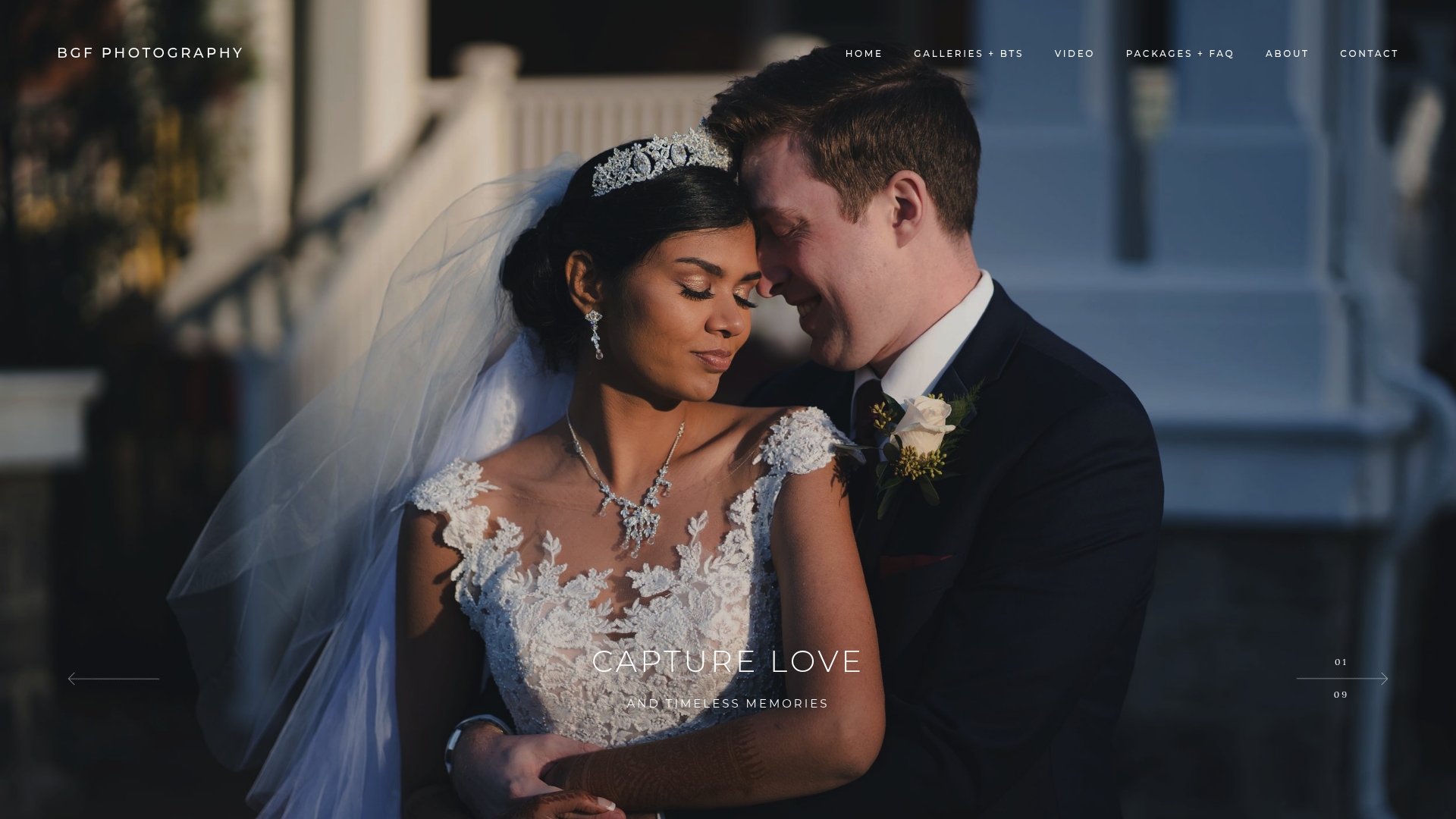
When you reach out, include your wedding date, venue, desired coverage hours, and a request to see full galleries and a sample contract. That is exactly the kind of direct ask this article recommends making of any photographer, and BGF Photography would rather answer it upfront than have you guessing. Check current packages and pricing details to see what fits your day, and get your date locked in before it books elsewhere.
Sources
- Queer Wedding Photography: Tips for LGBTQIA+ Allyship — Rangefinder
- 10 Questions to Ask Your Wedding Photographer if You’re Queer — Lillian's Lens
- Inclusive wedding photography: How to find a photographer who honors your story — Kathryn Blair Photography
- Same sex and queer weddings - how to choose a photographer! — Paul Phipps Williams
FAQ
What Should I Look for First in a Same-Sex Wedding Photographer?
Check their full galleries for real same-sex wedding coverage, not just a single highlight photo, and see whether their booking process asks for pronouns without you having to prompt it.
How Many Same-Sex Weddings Should a Photographer Have Shot?
There is no fixed number, but a photographer should be able to show multiple full galleries and speak specifically about their experience rather than pointing to one wedding repeatedly.
What Questions Reveal Whether a Photographer Is Truly Inclusive?
Ask how they collect pronouns, how they handle unsupportive family members, and whether they have specific experience with trans or nonbinary clients, then judge the confidence and detail of their answers.
Does BGF Photography Offer Both Photography and Videography?
Yes, BGF Photography offers hybrid coverage so couples can book photography and videography together under one cohesive style, with an optional film photography add-on.
What Contract Terms Matter Most for Same-Sex Couples?
Confirm pronoun and name usage in writing, image usage rights, cancellation and rescheduling terms, and coverage hours before signing anything.