

TL;DR:
- Sharing your emotional and visual preferences clearly helps your photographer create authentic wedding images. Providing logistical details early and maintaining ongoing communication ensure smooth coordination and personalized results. Focusing on your wedding's vibe and meaningful moments leads to a gallery that feels genuine and memorable.
Communicating your wedding photography vision means sharing your desired style, mood, and key details clearly with your photographer so the final images genuinely reflect your day. This is not about memorizing technical terms or building a perfect shot list. The most effective approach combines emotional language, visual references, and logistical detail shared early in the planning process. Photographers like those at BGF Photography rely on this kind of open dialogue to translate your personality into images that feel real, not staged. When you communicate your vision well, your photographer stops guessing and starts creating.
How to communicate vision to your wedding photographer through style
Your wedding photography style is the single most important thing to define before your first photographer meeting. Style shapes every creative decision, from how your photographer positions themselves during the ceremony to how they edit the final gallery. The good news is that you do not need to know the technical name for what you want. You just need to describe how you want your photos to feel.
The most common wedding photography styles fall into a few clear categories:
- Candid or documentary: The photographer blends into the background and captures moments as they happen, with no posing or direction.
- Classic or traditional: Formal portraits, clean compositions, and timeless editing. Think structured family photos and elegant couple portraits.
- Editorial: High-fashion, magazine-style images with dramatic lighting and intentional posing.
- Boho or fine art: Soft, airy tones with a romantic, organic feel. Often paired with outdoor or natural light settings.
- Vintage or film: A nostalgic, warm aesthetic that mimics the look of analog photography. BGF Photography's use of actual film photography delivers this quality authentically.
- Modern: Clean lines, bold contrast, and a contemporary editing style.
Most couples land somewhere between two of these styles. Saying "I want something candid but with a few clean family portraits" gives your photographer a clear creative direction. Emotional descriptors work just as well. Phrases like "warm and relaxed," "moody and romantic," or "bright and joyful" communicate photo style preferences faster than any technical term.
Visual references are the most powerful tool you have. Build a mood board on Pinterest or save images from photographer portfolios that match your taste. When you show your photographer ten images you love, patterns emerge. They will notice whether you gravitate toward wide environmental shots or tight emotional close-ups, whether you prefer warm golden tones or cool, airy edits. A guide to photography styles can help you put names to the looks you already love.
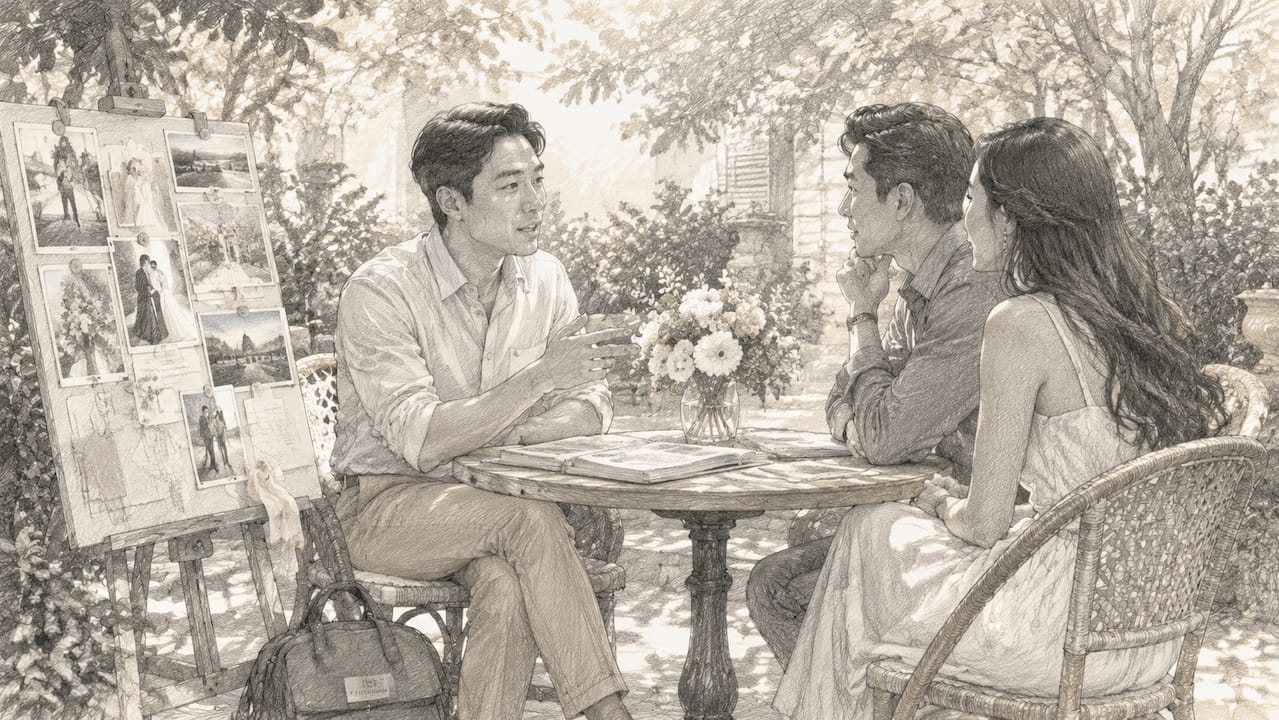
Pro Tip: When building your mood board, include one or two images you actively dislike. Telling your photographer "I don't want anything that looks like this" is just as useful as showing them what you do want.
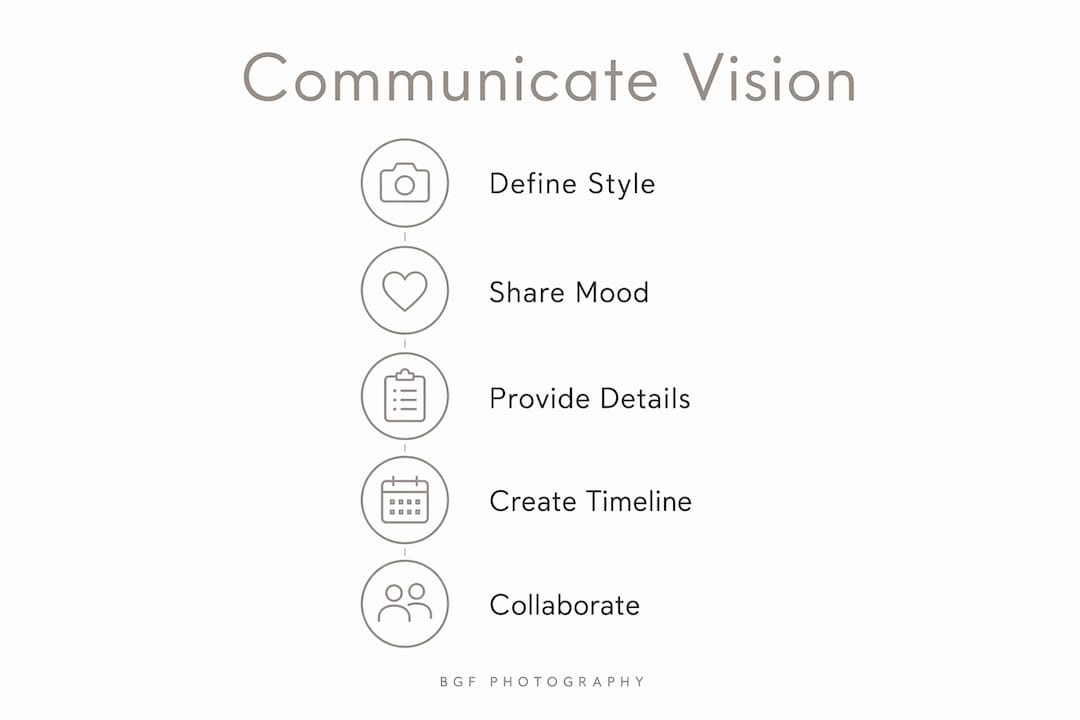
How do you convey the emotional atmosphere of your wedding day?
The vibe of your wedding day is harder to define than style, but it matters just as much. Discussing your wedding's vibe predicts photography satisfaction better than any fixed shot list. That finding points to something real: photographers work best when they understand the emotional temperature of the day, not just the schedule.
Start with simple emotional descriptors. Ask yourself how you want guests to feel when they walk into your reception. Words like romantic, joyful, relaxed, intimate, lively, or elegant all give your photographer a clear emotional target. These words shape how they move through the space, when they step back, and when they move in close.
Your personality and lifestyle matter here too. Share details that seem unrelated to photography. Do you and your partner love live music and dancing? Tell your photographer. Are you a quiet, introverted couple who values stillness and small moments? That changes everything about how they approach the day. Small, natural interactions enable photographers to translate personality and energy into images. The more context they have, the more personal the photos become.
"Instead of a rigid shot list, share a 'vibe list.' Tell your photographer: I want to feel the quiet moment before I walk down the aisle. I want to see my grandmother's face when she sees me in my dress. I want the chaos and joy of the dance floor. These emotional priorities free your photographer to respond organically rather than check boxes."
Thinking about your wedding as a community gathering also deepens the storytelling. Capturing family bonds and guest interactions creates imagery that goes beyond couple portraits. When you tell your photographer that your college friends are the loudest people in the room, or that your parents have been married for 40 years and will cry at the ceremony, you give them the narrative threads that make a gallery feel complete.
What practical details should you share with your photographer?
Clear logistics are the foundation that makes creative vision possible. A photographer who knows the venue layout, the timeline, and the key players can focus entirely on capturing moments. One who is figuring out logistics on the fly will miss them.
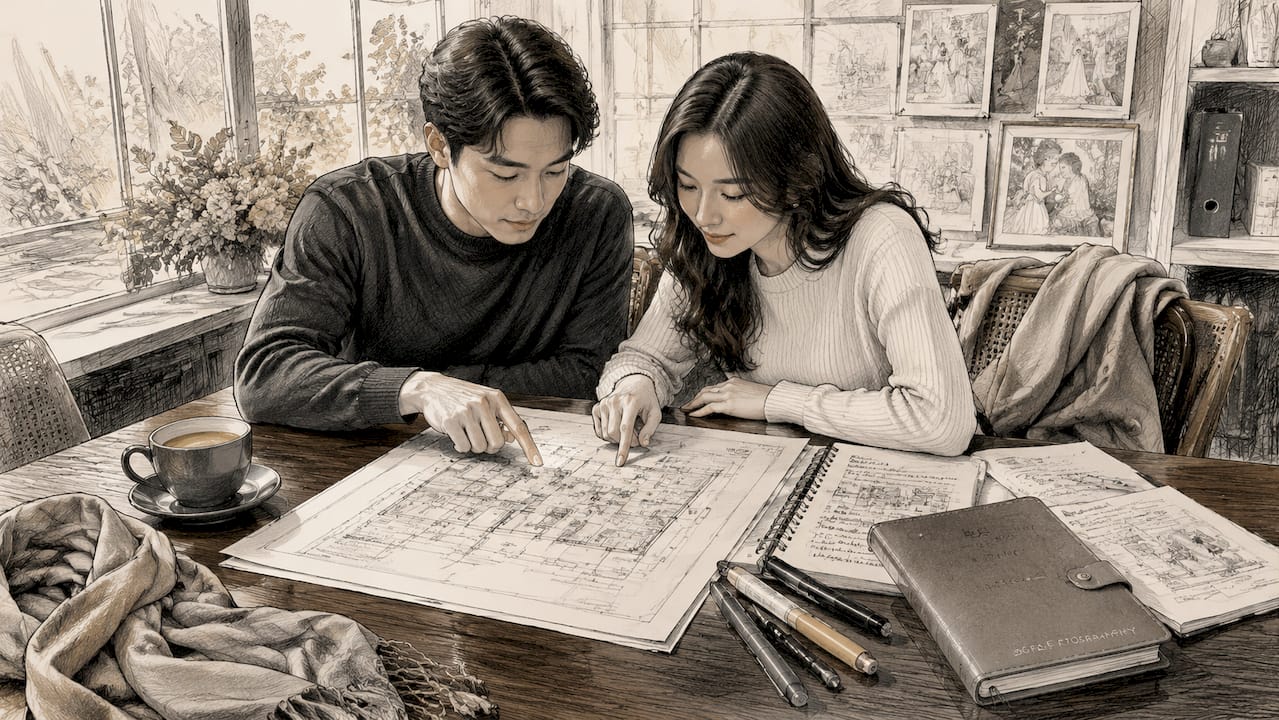
Share your detailed timeline, venue floor plans, and key family member lists one to two months before the wedding. This gives your photographer time to prepare, scout the space mentally, and flag any potential issues before the day arrives. Early logistical sharing allows 30–60 minutes for photographers to prepare and ensures calm, focused coverage.
The table below summarizes the key details to share and when to share them:
| Detail to share | When to share it | Why it matters |
|---|---|---|
| Wedding day timeline | 1–2 months before | Allows photographer to plan coverage and flag conflicts |
| Venue floor plan or layout | 1–2 months before | Helps identify lighting challenges and key locations |
| Family groupings for portraits | 2–4 weeks before | Speeds up group photos and reduces confusion |
| Sensitive family dynamics | As early as possible | Prevents awkward moments and guides grouping decisions |
| "Must-have" photo moments | Initial consultation | Sets expectations and ensures nothing critical is missed |
| Vendors and key contacts | 1 month before | Allows coordination with florist, planner, and venue |
Sharing family dynamics and sensitive groupings helps photographers prepare for social complexities during the shoot. If your parents are divorced and cannot stand next to each other, your photographer needs to know that before the family portrait session, not during it.
Creating breathing room in your timeline is the most effective way to ensure your photographer captures organic, high-quality images. A packed schedule forces rushed photography. Build in buffer time after the ceremony, before dinner, and during the cocktail hour so your photographer can work without pressure.
Pro Tip: Assign a trusted family member or wedding coordinator to help gather people for group portraits. This single step saves 15–20 minutes during the portrait session and keeps the day on schedule.
How can couples collaborate with their photographer throughout planning?
Collaboration is not a one-time conversation. The best wedding photography results come from an ongoing dialogue that starts at the initial consultation and continues through the wedding day itself.
The initial consultation sets the tone for everything that follows. Use it to share your mood board, describe your vibe, and ask your photographer how they work. If you are unsure about your vision, that is completely normal. A 30–60 minute consultation helps uncover couple preferences even when initial ideas are unclear. Photographers trained in discovery conversations will ask open-ended questions about your lifestyle, your relationship, and what matters most to you on the day.
Here are five ways to build a strong collaborative relationship with your photographer:
- Schedule a planning meeting two to four weeks before the wedding. Use it to review the timeline, confirm logistics, and address any last-minute changes. A wedding photography planning meeting is the single best way to align on expectations before the day.
- Share your mood board and vibe list in writing. A shared document or email thread creates a reference both of you can return to.
- Ask your photographer what they need from you. Every photographer works differently. Some want detailed timelines. Others prefer a loose structure and creative freedom. Knowing their preference prevents friction.
- Trust their expertise on the day. When your photographer suggests a location or a moment, follow their lead. Capturing authentic moments requires trust and flexibility rather than rigid posing. You hired them for their eye. Let them use it.
- Communicate changes immediately. If your timeline shifts or a key family member cannot make it, tell your photographer as soon as you know. Real-time updates allow them to adapt without missing coverage.
The role of your wedding aesthetic extends beyond décor. It informs how your photographer frames every shot. Couples who share their aesthetic vision early give their photographer a consistent creative thread to follow across the entire day.
Key Takeaways
Couples who share their style, emotional priorities, and logistical details early give their photographer everything needed to create images that are personal, authentic, and worth keeping for a lifetime.
| Point | Details |
|---|---|
| Style before the meeting | Define your photography style using emotional words and visual references before your first consultation. |
| Vibe over shot lists | Share emotional priorities and a "vibe list" instead of a rigid shot list for more authentic results. |
| Logistics shared early | Provide timelines, venue details, and family dynamics one to two months before the wedding. |
| Breathing room matters | Build buffer time into your schedule so your photographer can work without rushing. |
| Ongoing collaboration | Treat communication as a continuous process from consultation through the wedding day itself. |
What I've learned about couples who get the best photos
Most couples come into their first consultation worried about the wrong things. They want to know if they will look awkward in photos, whether they need to practice poses, or whether they should bring a list of every shot they want. My honest answer is always the same: none of that is what makes the difference.
The couples who walk away with the most meaningful galleries are the ones who told me the real stuff. They told me that the groom's father passed away two years ago and that the first dance song was his favorite. They told me the bride's grandmother flew in from across the country and had never seen her in a wedding dress. They told me their friends are loud and ridiculous and that the dance floor will be absolute chaos by 9 PM. That context is what I work with. It tells me where to be, when to step back, and when to move in close.
Shifting focus from perfect poses to emotional presence results in more meaningful photos that hold up over time. I have seen couples spend hours rehearsing poses and end up with galleries that feel cold. I have seen other couples show up with zero preparation and end up with images that make them cry every time they look at them. The difference is always presence, not perfection.
If you are unsure what to share, start with this: tell your photographer what you are most afraid of losing. That answer will tell both of you exactly what matters most.
— Billy
How BGF Photography works with your vision from day one
Knowing what you want from your wedding photos is one thing. Finding a photographer who listens, asks the right questions, and builds a plan around your answers is another.
BGF Photography approaches every wedding with a consultative process designed to draw out your vision, even when you are not sure how to describe it. From the first conversation through the final gallery delivery, the focus stays on your story. BGF Photography's hybrid coverage model means your photography and videography share one cohesive style, so every image and every frame tells the same story. Couples in the Buffalo and Rochester, NY areas can explore packages and details to find the coverage that fits their day. The first step is a conversation.
FAQ
What should I bring to my first photographer meeting?
Bring a mood board of images you love, a rough wedding day timeline, and a short list of emotional moments that matter most to you. Visual references and emotional context give your photographer more to work with than any shot list.
How do I explain my wedding theme to a photographer?
Use emotional and sensory language rather than décor descriptions. Saying "warm, relaxed, and intimate with a lot of laughter" communicates your theme more clearly than listing color palettes or floral choices.
Is a shot list necessary for wedding photography?
A short list of must-have moments is helpful, but a rigid shot list can limit your photographer's creativity. A "vibe list" of emotional priorities produces more authentic results than a checklist of poses.
When should I share logistical details with my photographer?
Share your timeline, venue layout, and family groupings one to two months before the wedding. This gives your photographer time to prepare and reduces stress on the day itself.
What if I don't know what photography style I want?
Start by saving images you love from any source, not just wedding photos. A guide to photography styles can help you identify patterns in what you are drawn to, and your photographer can help you name it from there.