

Charge the actual trip costs plus a fee for the time you lose to travel, or use a clear radius-plus-per-mile rule for anything driveable. Local jobs inside 30 to 50 miles usually stay free or near-free; regional trips run $75 to $300 in added fees; multi-day destination weddings can add $1,000 to $5,000 or more once flights, lodging, and blocked calendar days enter the math. The right number always traces back to your day rate and how many people you’re bringing.
TL;DR:
Travel fees should be based on the total day rate and opportunity cost rather than only per-mile calculations or fixed rates.
Most wedding travel costs, including flights, lodging, and transportation, range from around $1,000 to over $5,000 depending on distance and duration.
Clear contract language should specify who books travel, who bears additional costs, and include cancellation, delay, and disruption policies upfront.
Building contingency buffers into quotes is essential to cover delays, cancellations, or plan changes, avoiding disputes and last-minute renegotiations.
Pricing travel as a percentage of the actual blocked days and opportunity loss simplifies negotiations, rather than relying solely on mileage or fixed per-mile rates.
Table of Contents
What Counts as Wedding Photography Travel Fees?
Wedding photography travel fees are the charges you add to a package when a wedding takes you outside your normal service radius. They’re distinct from your creative fee. Your creative fee pays for the images and the skill behind them; the travel fee pays for what it costs you to physically get there and the income you give up by blocking that day. Four methods dominate how working photographers set this number.
-
Per-mile rate. You charge a set amount for every mile beyond your studio or a fixed starting point. Photographer forums show real-world figures ranging from about $0.57 to $2.00 per mile, depending on market and vehicle costs.
-
Radius plus per-mile. You build in a free zone (commonly 50 to 80 miles) and only start charging once a couple’s venue falls outside it. This avoids nickel-and-diming local clients over short drives.
-
Flat travel-day fee. You charge one number for a defined “travel day,” regardless of exact mileage. Useful when trips reliably fall into a few predictable tiers.
-
Bundled destination quote. For flights and overnight stays, you roll airfare, lodging, and time into one lump sum rather than listing every line item.
Simple per-mile or radius pricing works best when most of your bookings are regional drives with a predictable cost curve. Flat and bundled pricing works better once you’re flying, since itemizing every incidental cost invites haggling over things you can’t fully control anyway. The real decision driver isn’t taste, it’s frequency: photographers who travel often build a documented policy once and stop negotiating it trip by trip, which is exactly the kind of repeatable pricing structure that keeps quotes defensible under scrutiny.
How Do You Calculate a Wedding Photography Travel Fee?
A defensible formula looks like this: transportation cost + travel-time charge + assignment-specific expenses. That structure comes straight from industry pricing guidance, and it holds up whether you’re driving forty minutes or flying across three states.
Pro Tip: Use the current IRS business mileage rate as your internal cost benchmark for vehicle wear and gas, not as the number you quote the client. Your quoted rate should also cover the income you lose sitting in a car.
Here’s what actually belongs in the total:
-
Mileage or airfare
-
Baggage and equipment-transport fees
-
Lodging (per night, per required stay)
-
Ground transport, parking, and tolls
-
Permits (park fees, venue-required insurance riders)
-
A travel-time charge for hours you can’t book other work
Travel expenses for wedding photographers commonly range from $1,000 to $5,000 or more once you cross into flight territory, covering airfare, bags, hotel, ground transport, and meals combined.
Driving example: A venue sits about 100 miles from your studio, outside your free travel zone. You’ll charge for the billable miles, tolls, parking, and a travel-time fee based on your opportunity cost rate, totaling a reasonable travel fee.
Short regional flight example: Airfare runs $280 round trip, one checked bag adds $35 each way, one hotel night runs $160, and you assign a half-day travel-time fee of $400 to account for the wedding-eve you can’t book locally. That totals $960, which you can present as a single travel-fee line rather than an itemized breakdown, since a single number is easier for a couple to approve than seven small ones.
How Should You Price a Destination Wedding?
Quote destination weddings by total days, not miles. That means travel day out, a scouting or rehearsal day if needed, the coverage day itself, and a buffer day for flight delays or weather. Destination pricing guidance recommends adding a 25 to 40 percent uplift to your local day rate specifically because you’re blocking that many consecutive dates on your calendar, not just one wedding day.
Beyond the day-rate math, a few add-ons show up in almost every destination quote:
-
A second-shooter fee if the venue or coverage plan requires backup
-
A gear-protection or equipment-insurance line, particularly for international travel
-
Business insurance coverage that addresses liability and equipment loss while working outside your home state
-
Visa or permit costs where the destination requires them
-
Ancillary costs like childcare or pet boarding you’d otherwise handle locally, plus a small buffer for price volatility on flights booked far in advance
Three quick frameworks show how this scales. A regional short-haul trip (say, a 4 hour drive with an overnight stay) might run your normal day rate plus $400 to $700 in lodging, mileage, and one blocked evening. A flight-in destination wedding, the kind that sends photographers to warm-weather resort markets, often adds a 30 percent day-rate uplift plus $1,500 to $3,000 in flights, lodging, and second-shooter costs. A long haul, multi-day wedding with a rehearsal dinner and welcome party can push total billable days to four or five, which is where opportunity cost for the entire blocked week becomes the biggest line item in the quote, bigger than the flight itself.
What Contract Language Protects Your Travel Fee?
Your proposal should state exactly what the travel fee covers and who’s responsible for booking. Vague language here is where disputes start.
-
Specify that the quote is valid for a set window, commonly 15 to 30 days, since flight and hotel prices shift.
-
State clearly whether you or the couple books flights and lodging, and who eats the cost if plans change.
-
Include a cancellation clause covering nonrefundable travel costs already paid on the couple’s behalf.
-
Note whether you’re charging a flat per diem for meals or billing actual receipts.
Communicating the travel policy before the contract is signed matters more than the exact number you land on. Adding a travel charge after signature is one of the fastest ways to damage trust with a couple who already committed their date to you.
Pro Tip: Build your travel-day buffer into the wedding day timeline discussion early, so the couple understands why an extra day is on the invoice before they see the number.
On payment timing: collect a deposit that covers nonrefundable travel bookings (flights, deposits on hotel blocks) at signing, with the travel-fee balance due alongside your final photography balance, typically 30 days before the wedding.
How Billy Applies These Rules at BGF Photography
Travel is commonly bundled into a single line for most regional bookings, then itemized for anything requiring flights or multi-day coverage. That split keeps quotes simple for couples getting married an hour away while still protecting margin on trips that eat a whole weekend.
A couple booking a Finger Lakes vineyard wedding two hours from base pays a flat travel-day add-on. A couple flying us out of state pays that same logic scaled up: transportation, lodging, and a travel-time fee that reflects the wedding we had to turn down to take theirs.
The most common mistake seen in this business is treating travel as pure reimbursement instead of pricing the blocked day itself. Fixing it starts with knowing your day rate cold before you quote anything.
— Billy
What Should You Do About Travel Delays and Plan Changes?
Build a contingency line into every travel quote, not just destination ones. Flight delays, canceled connections, and last-minute venue changes are common enough that treating them as edge cases is a planning mistake, not bad luck.
Start by padding your arrival buffer. If a flight gets you in the night before, build in enough margin that a three-hour delay doesn’t put you at the rehearsal dinner instead of well-rested for the ceremony. For driving jobs, add a weather or traffic buffer to your travel-time estimate rather than quoting the shortest possible drive time.
On the cost side, keep a standing estimate of “worst case” numbers: a same-day rebooked flight, a last-minute hotel night if a flight cancels, or a rental car upgrade if your original reservation falls through. You don’t need to quote these upfront, but knowing the range means you’re not caught flat when it happens.
Set expectations in writing for who absorbs an unforeseen cost if the couple changes the wedding date or venue after you’ve already booked nonrefundable travel. That single clause resolves more disputes than any pricing formula. Finally, keep a small percentage, often 5 to 10 percent of the travel line, as a built-in contingency rather than trying to itemize every possible disruption. It’s easier to defend one buffer line than to renegotiate mid-planning.

The Real Problem With How Photographers Price Travel
Most advice on this topic fixates on the wrong variable. Photographers ask “what’s a fair per-mile rate” when the better question is “what’s my day worth, and how much of it does this trip actually consume.” A $2 per-mile rate might undercharge a photographer whose day rate is $3,000, and a $0.60 rate might overcharge one whose day rate is $800. The mileage number is almost incidental.

The gap in conventional wisdom is treating travel fees as reimbursement math when they’re really a proxy for lost opportunity. A wedding two states away doesn’t just cost gas and a hotel room, it costs the local booking you had to turn down to take it. Once you price the day, not the miles, the whole conversation gets simpler and more defensible when a couple pushes back.
Prioritize knowing your true day rate before you touch a mileage chart. Everything else, radius policies, flat fees, bundled destination quotes, is just packaging around that one number.
Get a Custom Travel Quote From BGF Photography
BGF Photography builds travel into every quote up front instead of leaving it as a surprise line item later, whether that’s a short regional drive through the Finger Lakes or a full destination weekend. Couples booking hybrid photo and video coverage get one clear number that covers the day and the travel it takes to get there.
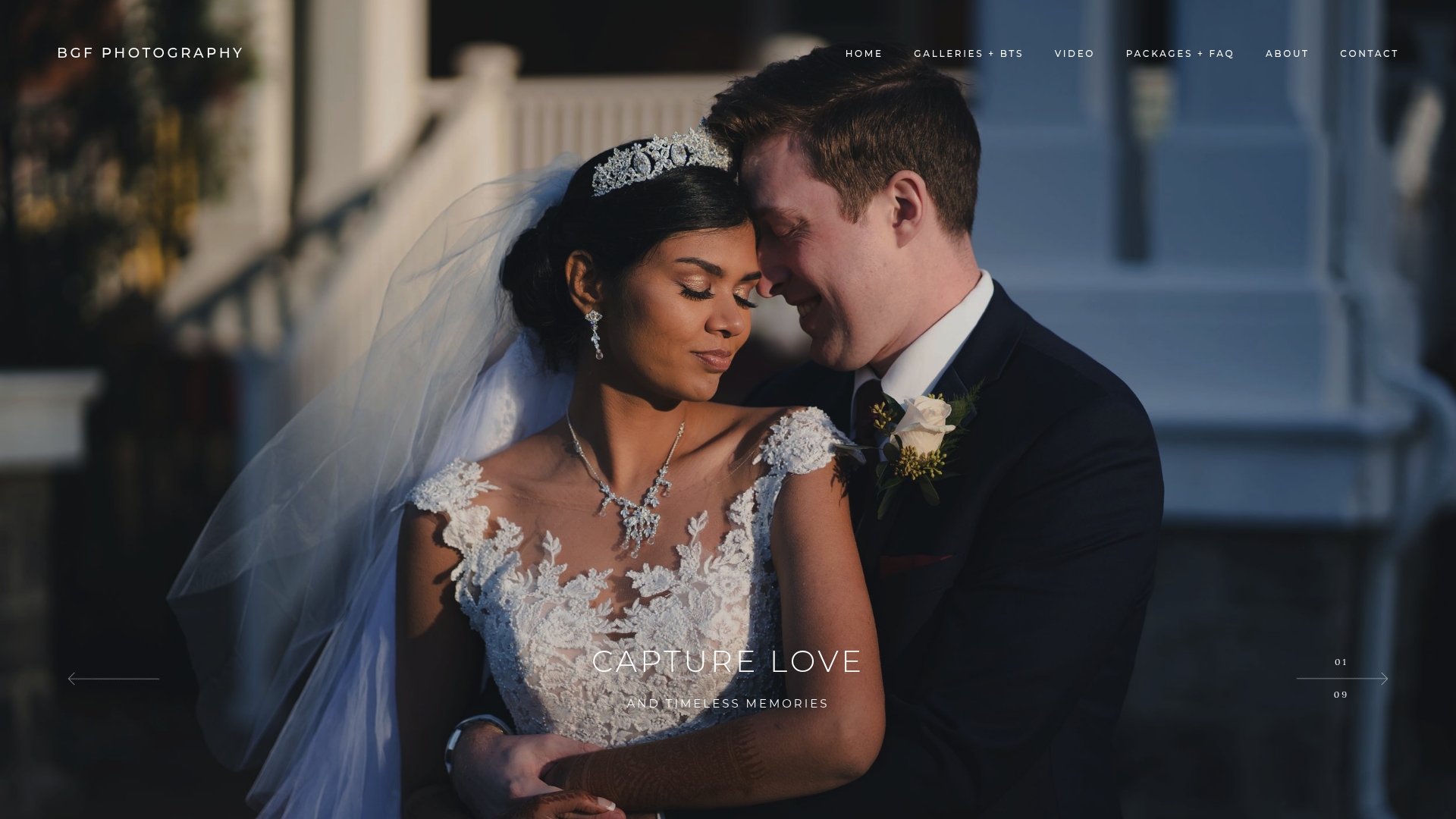
If your wedding falls outside the Buffalo or Rochester area, or you’re already weighing a destination venue, the smartest move is asking for a real number instead of guessing from a generic per-mile chart. Review the Packages + FAQ page to see how coverage tiers work, then request a custom travel estimate built around your actual venue and date.
Sources
-
The Traveling Fee for Photographers You Need to Account For (The Knot)
-
Pricing Photography Travel Fees Without Losing Your Shirt (AAAPresets)
-
How to Correctly Price Destination Weddings (Behind the Shutter)
FAQ
How do I calculate my photography travel fee?
Add your transportation cost (mileage or airfare), a travel-time charge that reflects the day or half-day you’re blocked from other bookings, and any assignment-specific expenses like lodging or baggage fees. That three-part formula, recommended across the industry, scales from a short local drive to a multi-day flight.
How do you charge a travel fee for photography?
Present it as either a single bundled line (best for flights and destination weddings) or a short itemized estimate (best for regional drives where mileage and tolls are easy to break out). Either way, state the fee in writing before the contract is signed, since adding it after signature creates avoidable disputes.
How much does a photographer typically charge per mile for travel?
Real-world figures range from about $0.57 to $2.00 per mile, though many photographers prefer a radius policy instead, offering a free zone of 50 to 80 miles and charging per mile only beyond it. BGF Photography builds travel into a custom package quote rather than a fixed per-mile rate, since day-rate math tends to reflect true cost more accurately than mileage alone.