
Book 8 to 10 hours of coverage for a full Catholic wedding Mass, with portraits split between a pre-ceremony window (first look or getting-ready detail) and a post-ceremony or golden-hour session. Elopements or short Masses need closer to 2 to 4 hours. Confirm your parish's specific rules with the priest or wedding coordinator before you finalize any schedule.
TL;DR:
- Full wedding coverage for a Catholic Mass typically requires 8 to 10 hours, including preparation, portraits, the ceremony, and reception.
- Key moments like the processional, vows, and communion should be highlighted with specific, protected photography time within the Mass.
- Parish restrictions such as no flash and limited movement must be confirmed beforehand and written into the photographer’s contract.
- Shorter events like elopements need only two to four hours, focusing on essentials like getting ready, the ceremony, and brief portraits.
Table of Contents
- Coverage blocks and priorities for Catholic wedding photography
- Detailed sample full-Mass timeline couples can adapt
- Portrait strategy: first look vs traditional aisle reveal
- Church rules and permissions photographers must check before the wedding
- Three copyable timeline templates
- BGF Photography workflow: staying unobtrusive while capturing the Mass
- Balancing reverence and storytelling
- How BGF Photography helps you execute this timeline
- Authoritative resources for ceremony structure and planning
- Sources
- FAQ
Coverage blocks and priorities for Catholic wedding photography
A Catholic wedding photography timeline works best when it is broken into distinct blocks, each with its own purpose. Getting ready, a first look if you choose one, pre-ceremony portraits, the Mass itself, family formals, cocktail hour, and reception highlights each need their own allotted time rather than one blurred stretch of coverage.

The Mass block deserves the most protection in your schedule because it cannot be rushed or restaged. The USCCB describes the wedding Mass as a sacramental, liturgical celebration, which means the ceremony's pace is set by the rite, not by the photography plan.
Within that block, a few moments matter most:
- The processional, which sets the visual tone for the entire album.
- The exchange of vows and the ring blessing, the sacramental center of the day.
- Communion, if it is a full nuptial Mass, since it often runs 10 to 15 minutes longer than a ceremony without Mass.
- The nuptial blessing and the recessional, which bookend the liturgy visually.
As a general guideline, plan one to two hours for getting ready, 30 to 45 minutes for a first look and pre-ceremony portraits if used, one hour to 90 minutes for a full Mass, and 45 minutes to an hour for family formals immediately after.
Detailed sample full-Mass timeline couples can adapt
Here is a sample schedule for a wedding with a 1 PM Mass, written so you can shift the times to match your own ceremony start.
- 9:00 AM: Hair and makeup begins, photographer arrives for detail and candid shots.
- 10:30 AM: Photographer documents dress, rings, invitations, and getting-ready candids.
- 11:00 AM: First look and couple's portraits, if scheduled, in a 20 to 30 minute window.
- 11:45 AM: Bridal party portraits, then travel to the church.
- 12:30 PM: Arrival at church, guests seated, groomsmen and ushers in position.
- 1:00 PM: Processional begins; full Mass typically runs 60 to 90 minutes depending on music and homily length.
- 2:15 to 2:30 PM: Recessional, followed by receiving line or exit photos.
- 2:30 to 3:15 PM: Family formals and remaining bridal party shots at the church or a nearby location.
- 3:15 PM: Travel to reception venue.
- 3:30 PM: Cocktail hour begins; photographer documents candid guest moments.
- 4:30 PM onward: Reception coverage through toasts, dances, and cake cutting, with sunset portraits worked in if light allows.
Build in a 15 to 20 minute buffer between every travel segment and a similar cushion after the Mass, since blessings, photos with the priest, and a receiving line often run longer than planned. Share exact times with the officiant, ushers, the maid of honor or best man, your planner, and your photography and videography teams so nobody is guessing where to be.
Portrait strategy: first look vs traditional aisle reveal
Choosing between a first look and a traditional aisle reveal shapes your entire timeline. A first look shifts most formal portraits before the Mass, which reduces pressure afterward and gets you into cocktail hour sooner. Waiting for the aisle preserves the traditional reveal moment but compresses portrait time into a tighter post-ceremony window, which matters if your parish limits access after Mass.
Many photographers recommend breaking portraits into shorter sessions of about 15 to 25 minutes rather than one long block, since attention and light both shift quickly during the day. A workable split looks like this:
- Window one (pre-ceremony, 20 minutes): couple portraits or first look.
- Window two (post-ceremony, 20 minutes): immediate family formals.
- Window three (golden hour, 20 minutes): romantic couple portraits at the reception venue.
For family formals, group by side of the family first, then by generation, and have a designated relative call names so the photographer never has to search a crowd.
Pro Tip: Print your family formals list in the order you'll shoot it and hand a copy to whoever is rounding up relatives.
Church rules and permissions photographers must check before the wedding
Catholic parishes vary, but several restrictions come up often enough that they should be checked before your wedding day, not during it. USCCB guidance on covering the Mass notes common limits that photographers should expect and plan around.
- No flash photography during the Mass, particularly during the consecration.
- Limited or no movement in the sanctuary itself.
- Restricted aisle walking during the processional and recessional.
- Designated photography positions, often at the side aisles or back of the nave.
If you want more movement than the parish typically allows, ask the pastor directly or reach out to the diocesan media office well ahead of the date rather than assuming flexibility on the day. Whatever is agreed should be written into your contract and repeated at the final planning meeting so both the photographer and the parish staff have the same expectations in writing.
Three copyable timeline templates
Template A, first look: Getting ready from 9 to 10:30 AM, first look and couple portraits from 11 to 11:30 AM, bridal party portraits until noon, travel and staging until ceremony start, then Mass, recessional, family formals, and straight into cocktail hour with minimal post-ceremony delay.

Template B, traditional aisle reveal: Getting ready and detail shots in the morning, no first look, ceremony at the scheduled time, then a condensed 45 minute post-ceremony window for family formals in this order: immediate family, extended family, bridal party, then the couple alone before heading to the reception.
Template C, elopement or short Mass: Two to four hours total. Cover getting ready for 30 to 45 minutes, a short ceremony of 20 to 30 minutes, then 45 minutes to an hour of couple portraits at one or two locations, ending with a brief toast or dinner if the day includes one.
BGF Photography workflow: staying unobtrusive while capturing the Mass
During Mass, we station at the side aisle or back of the nave and use pre-agreed movement windows to capture vows, the ring exchange, and communion without stepping into the sanctuary. Before the wedding, we ask about parish permissions, vendor meal timing, an emergency contact for the day, and a final sign-off on the timeline.
- Confirm flash restrictions and approved photographer positions with the parish.
- Agree on limited movement windows for vows and the blessing.
- Decide how film or hybrid video coverage fits without adding extra equipment noise or movement during the liturgy.
Balancing reverence and storytelling
Respecting the Mass is not a constraint on good photography, it is what makes the images honest. A ceremony photographed with restraint reads as more emotional, not less, because the couple and their families are reacting to the liturgy instead of a camera. That same care carries into how we coordinate with family leads and other vendors throughout the day.
— Billy
How BGF Photography helps you execute this timeline
Wedding photography timelines can be built around the Mass rather than the camera. Full Wedding Day coverage and hybrid photo and video packages, including optional Medium Format and 35MM Film, can fit into the templates above without disrupting the liturgy.
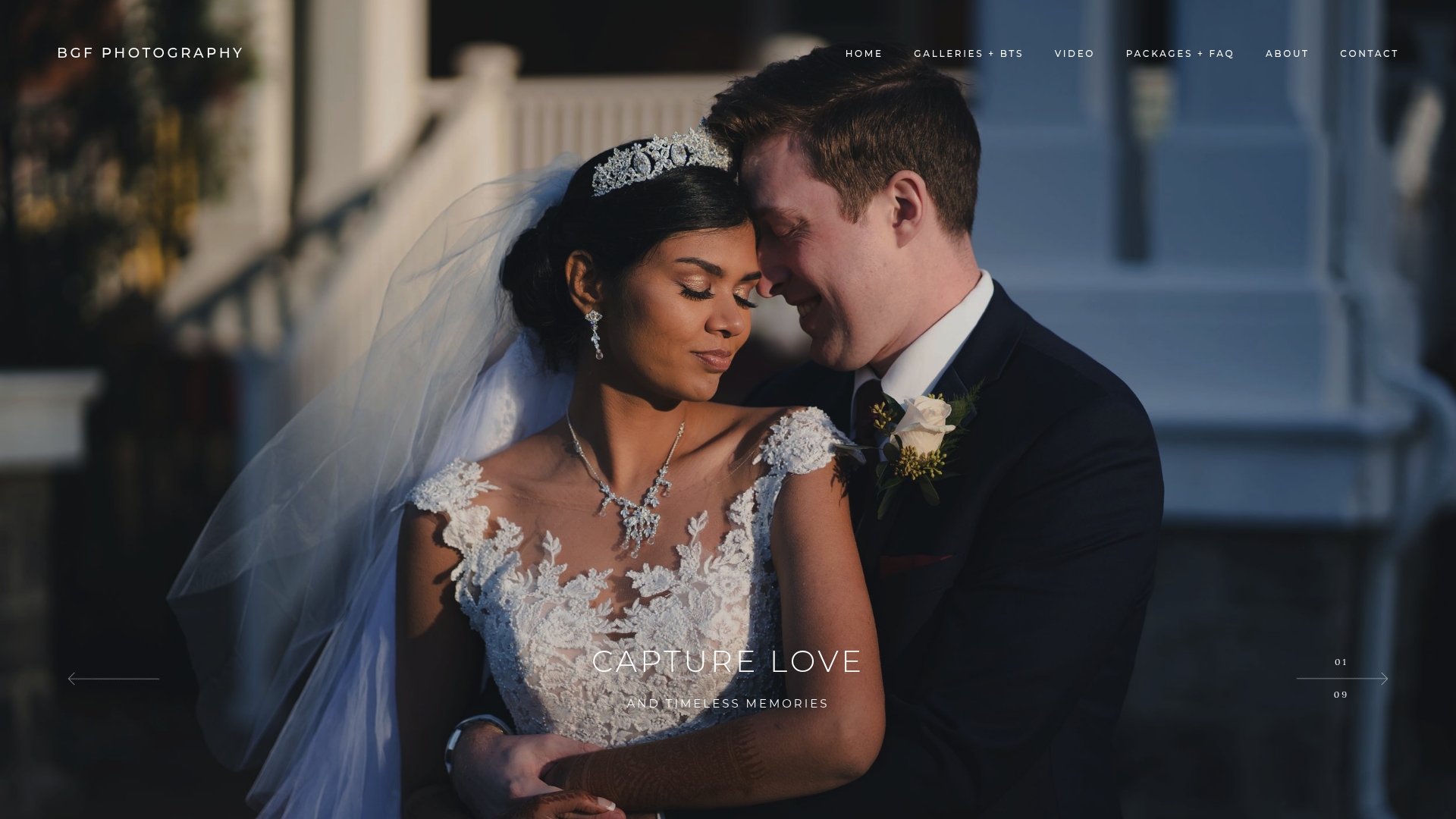
- Full Wedding Day coverage suitable for an 8 to 10 hour Mass wedding.
- Hybrid photography and videography offered under one cohesive style, including highlight and full-length film options.
- Optional film photography available alongside digital coverage.
Bring your parish's rules, your ceremony start time, and your family formals list to your planning meeting, and we will help fit the rest of the day around them. Check available dates and packages on our investment page.
Authoritative resources for ceremony structure and planning
- USCCB's wedding ceremony guidance explains the structure and sacramental meaning of the Rite of Marriage.
- The Knot's photographer cost data offers budgeting context for coverage hours.
- Our own timeline building guide and family photo checklist offer formatting help.
- Scheduling a first look walks through timing a pre-ceremony portrait block.
Sources
FAQ
What is the typical timeline for a Catholic wedding ceremony?
A full Catholic wedding Mass typically runs 60 to 90 minutes, depending on music, readings, and the homily. A ceremony without a full Mass is usually shorter, often closer to 30 to 45 minutes.
What is the 30-5 minute rule for weddings?
There is no universally recognized "30-5 rule" tied to official wedding planning standards, so definitions vary depending on the source. Some planners use informal versions of this idea to describe buffer time between events, but couples should rely on their own vendor-confirmed timeline rather than a fixed rule.
What is a good timeline for photography at a wedding?
For a full Catholic Mass wedding, 8 to 10 hours of coverage generally allows time for getting ready, a first look or post-ceremony portraits, the full Mass, family formals, and reception highlights. Shorter events, like elopements, typically need only 2 to 4 hours.
Is $4,500 a lot for a wedding photographer?
The Knot's Real Weddings Study reports the average cost of a professional wedding photographer at roughly $3,000, so $4,500 sits above that average. Price depends heavily on coverage hours, region, and whether the package includes a second shooter or hybrid video, so it is worth comparing what is included rather than the number alone.