

Documentary wedding videography captures your day as it actually happens, following real conversations, unscripted reactions, and full ceremony and speech audio without staged setups or repeated moments. It suits couples who want their vows, their best man’s shaky voice during a toast, and the way their grandmother laughed at cocktail hour, not a highlight reel built around poses.
You will typically get three things from a documentary-led package: a chronological edit that plays out close to the actual timeline, a shorter highlight reel for sharing, and clean audio from the ceremony and toasts. If you want the raw, real version of your day preserved rather than a heavily stylized short film, this is your format.
-
A chronological, feature-length edit of substantial length
-
A shorter highlight reel (3 to 10 minutes) for easy sharing
-
Full ceremony vows and speech audio, captured cleanly
-
Minimal direction or staged re-creations during the day
Keep reading for the hiring checklist, the interview questions that separate observational filmmakers from staged ones, and how to spot red flags in a portfolio before you sign anything.
Key Takeaways
Documentary wedding videography works best when couples prioritize real audio and vendor coordination over stylized visuals alone.
| Point | Details |
|---|---|
| Watch full films first | Judge style and consistency from complete wedding films, not short highlight clips. |
| Confirm audio capture method | Ask specifically how vows and toasts are recorded, not just whether they are recorded. |
| Second shooters add coverage | A second angle captures reactions a solo shooter physically cannot get simultaneously. |
| Match pricing to crew size | Expect solo coverage around $1,500 to $2,500 and dual-shooter, full-day packages from $3,000 upward. |
| Choose a hybrid, coordinated team | BGF Photography pairs documentary capture with cinematic finishing under one vendor relationship. |
Table of Contents
-
Documentary Vs. Cinematic Wedding Video: What’s the Real Difference?
-
What Happens on the Wedding Day With a Documentary Filmmaker?
-
Spotting Genuine Documentary Work (and the Red Flags to Avoid)
What Documentary Wedding Videography Actually Means
Documentary wedding videography is an observational capture method. The filmmaker follows the day as it unfolds, recording real audio and letting moments happen without directing them. There is no “look at me and laugh” setup, no re-staged first kiss for a better angle. Packages built this way tend to prioritize chronological, archival storytelling with real ambient sound over a music-driven, tightly edited short.
Most videographers who work this way offer a few standard deliverables:
-
A documentary edit — the longest cut, often sequential, preserving full speeches and ceremony dialogue.
-
A highlight reel — a 3 to 10 minute cut for social sharing, still built from real, unstaged footage.
-
A ceremony-only edit — useful for family who could not attend, focused purely on vows and the processional.
-
A full-day edit — a hybrid option some couples add, blending the archival documentary footage with a more cinematic highlight.
Runtime choices usually come down to what you want to relive later. Couples who want to hear their officiant’s exact words in five years lean toward the longer documentary cut. Couples who mainly want something to post and share lean toward the highlight reel. Most people end up wanting both.
Documentary Vs. Cinematic Wedding Video: What’s the Real Difference?
The confusion between “documentary” and “cinematic” trips up almost every couple during the hiring process, and it is worth untangling early. Documentary describes how the day is filmed. Cinematic describes how the footage is edited afterward. They answer different questions, and a strong videographer usually blends both.
Documentary refers to the observation happening during capture, while cinematic refers to the editorial choices made in production. One is about presence on the day. The other is about pacing, color, and music once the footage is in the edit bay.
-
Documentary prioritizes real audio, sequence, and unscripted moments as they happened.
-
Cinematic prioritizes stylized visuals, deliberate pacing, and a soundtrack built to match emotional beats.
-
Hybrid workflows capture the day observationally, then shape select scenes into a polished, music-driven highlight during post.
A typical hybrid package might hand you a full documentary edit for the archive and a cinematic highlight reel for sharing, both cut from the same raw footage. Cinematic editing techniques like color grading and paced music cues do not require staged footage. They simply reshape real moments into a more polished narrative.
Pro Tip: Ask every videographer you interview whether “cinematic” describes their filming style or just their editing style. The answer tells you exactly what kind of day you are signing up for.
What Happens on the Wedding Day With a Documentary Filmmaker?
A documentary-style videographer works quietly. They are watching for the moment your dad tears up before you walk down the aisle, not asking you to walk down it twice for a better shot. Expect them to move around the room rather than direct it, staying close enough to catch a reaction but far enough to stay out of your photographer’s frame.

Most weddings benefit from more than one person behind the camera. A second shooter covers a second angle during the ceremony, guest reactions during the first dance, or the groom’s face while the bride walks in, all things a single shooter physically cannot capture at once. Watching full films rather than short highlight clips is one of the clearest ways to judge whether a videographer actually delivers this kind of multi-angle coverage, since polished 90-second reels can hide a lot of missed footage.
Audio deserves particular attention here. Vows and toasts are the two moments couples say they regret losing most when audio comes out muffled or missing. Ask specifically how your videographer captures speeches, whether that means a lavalier microphone on the officiant, a plugged-in feed from the DJ’s soundboard, or a dedicated audio recorder placed near the toast table.
-
Confirm whether a second shooter is included or an optional add-on.
-
Ask how ceremony and speech audio gets captured, not just recorded.
-
Request a “quiet window” in your timeline where no other vendor announcement overlaps the vows.
-
Coordinate your photographer and videographer ahead of time so neither blocks the other’s shot.
Poor or missing audio during vows and toasts is one of the most common regrets couples report after their wedding, which makes it worth asking about before you ask about anything else.
How Do You Choose a Documentary Wedding Videographer?
Hiring the right person comes down to three things: what you see in their past work, what is written in the contract, and what they say when you ask direct questions. Here is the order to work through them.
-
Watch full films, not just reels. A 90-second highlight can be cut from three good minutes out of an eight-hour day. Ask for two or three complete films from real weddings.
-
Listen to the audio. Play back a ceremony or toast segment and pay attention to clarity, not just visuals.
-
Check consistency. Compare three or four different weddings in their portfolio. Does the pacing, color, and storytelling hold up across different venues and lighting conditions?
-
Review the contract. Confirm deliverables, turnaround time, usage rights, backup equipment, and what happens under a cancellation or extreme weather event.
-
Ask direct questions about their approach and reliability before you book.
A few questions consistently separate a genuinely observational filmmaker from someone who just calls themselves one:
-
“Can you walk me through how you’d cover our ceremony without directing it?”
-
“What’s your backup plan if your gear fails mid-day?”
-
“How long is your turnaround, and what’s included in that estimate?”
-
“Have you worked with our photographer before?”
Pricing varies with crew size and add-ons more than anything else. Basic solo-shooter coverage with a short highlight often runs $1,500 to $2,500, dual shooters with a polished highlight tend to land between $3,000 and $5,000, and full-day teams with a documentary-plus-cinematic package usually start above $5,000. A second shooter or drone coverage is typically what pushes a quote from the low end to the middle tier.
Spotting Genuine Documentary Work (and the Red Flags to Avoid)
Real documentary footage looks unforced. Guests are mid-laugh, not posed. You can hear the room, not just a music track laid over silence. The story moves in order, from getting ready to the last dance, rather than jumping around to hit only the “prettiest” shots.
Watch for these warning signs before you book:
-
Ceremony audio missing entirely, or replaced with music where speech should be.
-
Every sample film feels staged, with couples looking directly at the camera repeatedly.
-
Wildly inconsistent editing quality across different sample weddings, suggesting one strong outlier and a lot of weaker work.
-
Turnaround times stretching six months or longer with no interim check-in.
-
No willingness to share references or confirm they have worked alongside other vendors before.
Ask whether the videographer has coordinated with your photographer on a previous wedding. Two vendors who already know how to share a room without stepping on each other’s shots make a measurable difference in how smooth your actual day feels.
Why Trust This Guide?
This guide is written by Billy, a photographer and videographer at BGF Photography who specializes in candid, hybrid wedding coverage across Buffalo, Rochester, and the Finger Lakes region of New York. That hybrid focus, shooting both photography and video under one unified style, means the observational approach described above is not theoretical. It is how BGF Photography’s weddings get filmed week to week.
A few things worth checking if you want to see this in practice:
-
Full wedding galleries and behind-the-scenes footage on the BGF Photography weddings page show consistency across real events, not just curated highlights.
-
Client testimonials from couples in Buffalo and Rochester speak to reliability and comfort with an unobtrusive shooting style.
-
Educational content, like the videographer interview question guide, gives couples a head start before vendor calls.
-
An optional film photography add-on gives some couples a nostalgic texture alongside standard digital coverage.
What Most Couples Get Wrong About Documentary Style
Most engaged couples assume documentary and cinematic are opposing choices, as if picking one rules out the other. That framing costs them. The real distinction is capture versus finish, and treating it as a style war leads couples to either overbuy a stylized package they will find too polished and impersonal, or underbuy a raw archival cut with none of the emotional pacing that makes a highlight reel worth rewatching on an anniversary.

The advice that gets skipped most often is the audio check. Couples spend hours comparing visual styles on Instagram and almost no time asking how vows will sound. That is backwards. A slightly less polished visual cut with crystal-clear ceremony audio outlasts a beautifully graded highlight with muffled speeches, because the words are what you will actually want to hear again in ten years.
If you are choosing between documentary-only and a hybrid approach, prioritize vendor coordination and audio capture first, portfolio polish second. A team that already knows how to work alongside your photographer, and has a real plan for capturing your officiant’s voice clearly, will serve you better than one with a prettier reel and no plan for either.
— Billy
Book Documentary and Cinematic Coverage Under One Vision
BGF Photography is the option for couples who want the candid, real moments of their day preserved without sacrificing a polished highlight to share afterward. Because BGF Photography handles photography and videography together, you are not coordinating two separate vendors who have never met, one of the exact vendor compatibility issues this guide flags as a common source of missed shots and awkward overlap.
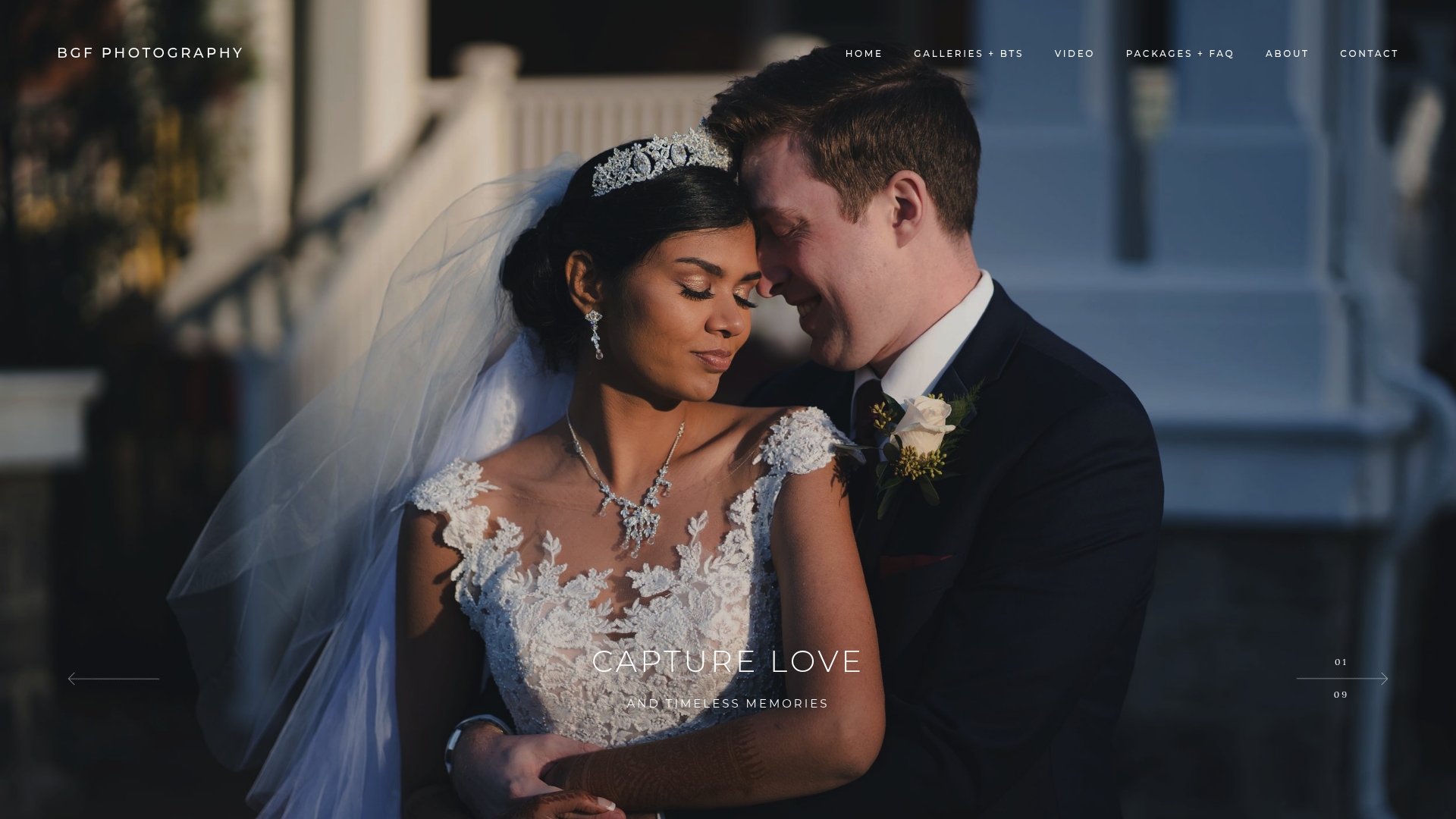
Couples across Buffalo, Rochester, and the Finger Lakes region get a hybrid package built around observational capture on the day and a cinematic finish in the edit, plus an optional film photography add on for a more nostalgic texture. You get one cohesive style across your entire day instead of two vendors working from different playbooks. Check current packages, pricing examples, and available dates on the BGF Photography investment page to see what fits your wedding.
Sources
FAQ
What Is the Documentary Style of Wedding Videography?
Documentary style is an observational filming approach that captures real moments and audio as they happen, with minimal staging or direction, then typically delivers a chronological edit alongside a shorter highlight reel.
What Is the Difference Between a Documentary Wedding Video and a Cinematic Wedding Video?
Documentary refers to how the footage is captured, through real-time observation and authentic audio, while cinematic refers to editorial choices made afterward, like pacing, color grading, and music. Many packages combine both.
Who Is Considered the World’s Best Wedding Videographer?
There is no single agreed-upon “best” wedding videographer worldwide since quality depends heavily on style fit, budget, and location. Couples get better results focusing on portfolio consistency and audio quality for videographers serving their own area, like BGF Photography does across Buffalo and Rochester.