
A print release gives you non-exclusive permission to print, share, and display your wedding images for personal use. It does not hand over copyright, which almost always stays with your photographer unless a separate written agreement says otherwise. Keep that release document with your digital files, because a print lab may ask for it before running your order.
TL;DR:
- Most print releases only grant personal reproduction rights, allowing you to print, share, and display images for non-commercial use while copyright remains with the photographer.
- To print high-quality wedding images, always use original full-resolution files provided by the photographer and choose a professional, ICC color-managed lab supporting archival materials.
- Keep a signed print release PDF and proof of permission with your files to avoid issues at print labs or years later when ordering enlarged or framed prints.
- Preserve wedding prints long-term by storing originals in a cool, dry place with UV protection, and regularly digitize and rotate framed photos to prevent damage.
- For broader usage, such as commercial licensing or removing watermarks, negotiate a specific license with your photographer before the wedding rather than relying on standard release terms.
Table of Contents
- Copyright vs. Print Release Wedding Photos: What's the Difference?
- What Does a Print Release Actually Allow?
- How Do You Get a Print Release From Your Photographer?
- Where Should You Print Wedding Photos for the Best Quality?
- How Do You Preserve and Display Wedding Prints for Decades?
- A Photographer's View on Releases and Printing
- Get Print-Ready Files and Clear Permissions From Day One
- Sources
- FAQ
Copyright vs. Print Release Wedding Photos: What's the Difference?
Copyright and a print release sound similar but do very different jobs. Under federal law, copyright exists the moment your photographer's camera captures the image. It belongs to the photographer automatically, whether or not anyone registers it, and it stays that way unless there's a signed transfer agreement saying otherwise.
Copyright is a bundle of rights. It covers the ability to reproduce a photo, distribute it, create derivative works from it (cropping, editing, compositing), and display it publicly. A print release carves out one narrow slice of that bundle for you: personal reproduction. Here's what that split typically means in practice:
- You can print, share, and display the images you were given.
- You generally cannot license the photos to a magazine, use them in an ad, or sell prints of them.
- The photographer can still use the images in their own portfolio, website, or marketing unless your contract restricts that.
- If you want to remove a watermark, alter a photo significantly, or resell prints, you need permission beyond a standard release.
The U.S. Copyright Office confirms that protection begins the instant the image is fixed, and registration mainly matters if the photographer wants stronger legal remedies later. For you, the couple, the practical takeaway is simple: possessing the files isn't the same as owning them.
What Does a Print Release Actually Allow?
Most print releases follow a predictable template, but the fine print varies by photographer. Here's what you'll typically find:
- Personal printing rights. You can order prints for your home, make copies for parents and grandparents, and build an album without asking permission each time.
- Non-commercial sharing. Posting images to social media, sending them to family group chats, or using one as a phone background is almost always covered.
- No resale or commercial licensing. You can't sell prints, use a photo in a business ad, or license an image to a third party without separate written permission.
- Attribution requirements. Some photographers ask that you tag their studio when sharing online, especially on Instagram or Facebook.
- Watermark and edit restrictions. Altering a photo beyond basic cropping, or stripping a watermark, often violates the release terms even though you're allowed to print the image.
If you want broader rights (say, to use an engagement photo in your own small business branding), that's a conversation to have before the wedding, not after delivery. Ask the photographer directly whether an expanded commercial license is available and what it costs. Most studios will negotiate this rather than refuse outright, since it's a reasonable ask tied to a specific use case.
How Do You Get a Print Release From Your Photographer?
Start by checking your original contract. Many photographers build the print release language directly into the agreement you signed months before the wedding, and it's easy to forget it's in there. Next, search your delivered gallery or download folder. Studios often bundle a signed release PDF alongside the images themselves.
If you can't find one, contact your photographer in writing. Here's sample wording you can adapt:
"Hi [Photographer Name], we're planning to order prints of our wedding photos and want to confirm we have a print release for personal use. Could you send the signed document, or confirm in writing that we have permission to print and share the images non-commercially? Thank you!"
A reasonable photographer reply looks something like: "You're all set. Attached is your print release. You have permission to print, share, and display the images for personal use. Just let us know if you ever want to use them commercially."
Once you have that in hand, save three things: the signed release PDF, the invoice line item referencing print rights (if one exists), and a note on which file formats (usually high-resolution JPEGs) your photographer delivered for printing.
Pro Tip: Save the release as a PDF in the same folder as your photo downloads, and email yourself a backup copy. Labs sometimes ask for proof of permission years after your wedding, long after you've forgotten which cloud account holds it.

Where Should You Print Wedding Photos for the Best Quality?
Not every printer treats your files the same way. Consumer retailers (drugstores, big-box photo counters, and most app-based printing services) run automated color correction that can wash out skin tones or shift whites toward blue or yellow. Professional labs use ICC color-managed workflows, which means the lab calibrates its printers to match the color profile embedded in your file rather than guessing.
That difference matters most for heirloom-quality prints you plan to frame or pass down. According to Imagely's lab comparison guide, professional labs support pigment-based inks and archival papers, options like Kodak Endura or cotton rag stock, that hold color and resist fading far longer than standard consumer prints.
A few practical steps before you order:
- Upload the original full-resolution files your photographer delivered, not screenshots or downloads pulled from social media, since social platforms compress images and strip detail.
- Ask the lab whether it offers ICC soft-proofing so you can preview color accuracy before printing.
- If a lab flags your order and asks for proof of permission, have your print release ready to send, since labs can and do refuse jobs when ownership looks unclear. Reviewing true-to-color wedding photography practices can help you spot whether a gallery was color-corrected properly before you print it.
How Do You Preserve and Display Wedding Prints for Decades?
Framed prints and stored originals face different threats, and treating them the same way is the most common mistake couples make. Light damage builds up over time and can't be reversed, so the Library of Congress recommends displaying a reproduction while keeping your original safely stored, especially for a print you'll cherish for fifty years.

For storage, keep prints in a cool, stable spot, ideally around 70°F or below with relative humidity between 30 and 50%, according to the Library of Congress's photo care guidelines. Avoid attics and basements entirely; both swing too far in temperature and moisture across the seasons.
A few concrete habits protect your prints for the long run:
- Use PAT-tested (photo-safe) sleeves and acid-free, buffered boxes for anything you're not displaying.
- Frame important pieces with UV-filter glazing and preservation matting to slow light exposure.
- Rotate framed photos periodically rather than leaving one print in direct light for years straight.
- Digitize your prints and refresh the file format every few years so a corrupted drive doesn't become your only backup.
Our own guide to preserving wedding memories walks through album and storage choices in more detail if you're building a long-term system rather than framing a single piece.
A Photographer's View on Releases and Printing
Most studios, BGF Photography included, deliver a signed print release alongside your gallery so there's no ambiguity about what you can do with your images. When you're sending files to a lab, high-resolution JPEGs print beautifully for anything up to a 16x20, while larger statement pieces benefit from the original capture resolution your photographer can provide on request.
— Billy
Get Print-Ready Files and Clear Permissions From Day One
Skip the scramble to track down a release months after your wedding. The studio builds print permissions and full-resolution deliverables into every package from the start, so you leave with files ready for a professional lab and paperwork ready for your records. Whether you book the Full Wedding Day coverage, a hybrid photo and video package, or add nostalgic film photography to the mix, you get a cohesive gallery and clear guidance on what you can print, share, and frame.
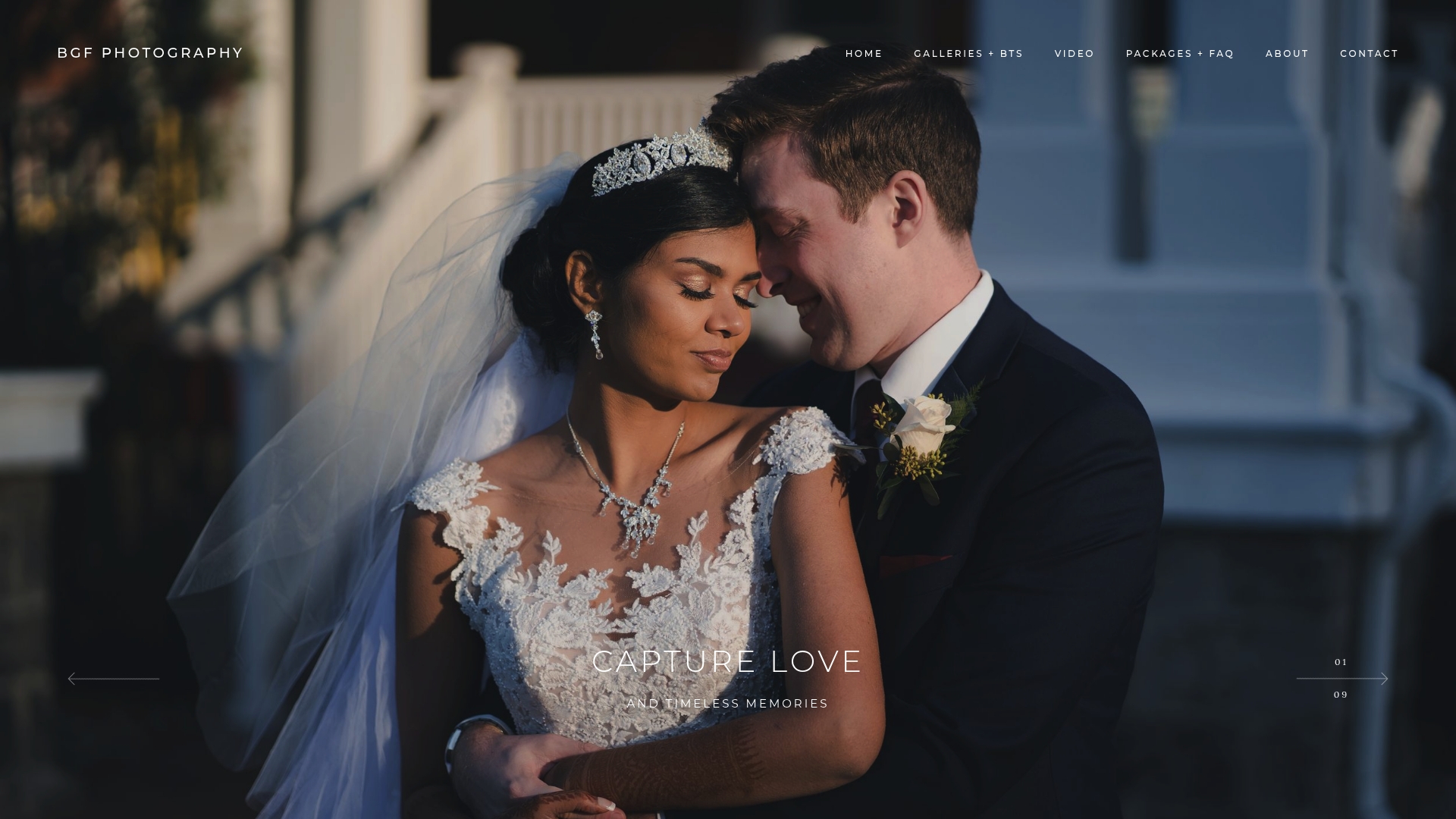
That includes practical advice on lab selection, since choosing between standard versus raw file delivery changes what a lab can actually do with your images. If you're planning a wedding in Buffalo, Rochester, or the Finger Lakes region and want your prints to look right the first time, check current packages and pricing on the BGF Photography investment page and reach out to confirm what's included in your deliverables.
Sources
For legal questions about copyright and permissions, the U.S. Copyright Office publishes plain-language FAQs. For preservation and handling, the Library of Congress covers storage conditions in detail. For printing workflow questions, Imagely's pro lab guide breaks down what separates archival labs from consumer counters.
- Fair Use (FAQ) | U.S. Copyright Office
- How to choose a pro lab | Imagely
- Preservation guidelines for matting and framing | Library of Congress
FAQ
Where Is the Best Place to Get Wedding Photos Printed?
Professional labs that support ICC color management and archival papers generally produce more accurate, longer-lasting prints than consumer retailers or drugstore kiosks. Look for labs offering pigment-based inks and named archival stock, and always upload the original high-resolution files your photographer delivered rather than a social media download.
Is $4,000 to $4,700 a Lot for a Wedding Photographer?
Pricing varies widely by market and package inclusions, so there's no universal answer. BGF Photography's Full Wedding Day coverage runs 4000-4700 USD, which reflects full-day documentation, hybrid photo and video options, and personalized coverage rather than a bare-bones package.
What Is the Best Way to Print Out Wedding Photos?
Start with your full-resolution files, not compressed copies pulled from Instagram or Facebook, since social platforms strip detail during upload. Send those files to a professional lab that offers ICC-managed color and archival paper options, and keep your print release on hand in case the lab asks for proof of permission.
What Is the Best Wedding Photo Upload Site for Sharing?
The right platform depends on whether you're sharing casually with family or ordering prints. For casual sharing, private cloud galleries or group messaging apps work fine and keep files at higher resolution than most social feeds. For printing, skip social platforms entirely and upload directly from your original delivered files to the lab's own ordering system.