
Most wedding photographers don’t hand over raw wedding photos, and that’s standard practice, not a red flag. Raw files are unprocessed camera data, not finished pictures, so the edited gallery you’re paying for is the actual product. If your contract is silent on this, ask before your wedding date, not after. If your photographer says no, ask about expanded galleries or archival options instead.
TL;DR:
Most wedding photographers exclude raw files from standard packages because editing and culling are integral to their craft and contractual obligations.
Raw files provide unprocessed sensor data with higher dynamic range, but they appear flat and require specialized software and expertise to edit effectively.
Requesting raw photos often prompts negotiations on licensing, additional costs, and delivery formats, and photographers typically only offer them as a costly, separate add-on.
Couples seeking raw files should clarify the photographer’s policy, licensing terms, and whether raw access aligns with their needs for long-term archival or professional editing.
Trusting the photographer’s editing process usually yields more polished results than attempting to edit raw files independently without proper skill or software.
Table of Contents
What Are Raw Wedding Photos, Really?
A raw wedding photo file is essentially unprocessed sensor data straight off the camera, sometimes called a digital negative. It hasn’t been color corrected, sharpened, or cropped. Open one straight from the memory card and it usually looks flat, slightly gray, and underwhelming compared to the polished shot you saw in a preview gallery.
That flatness isn’t a mistake. Raw files preserve far more dynamic range and color information than a finished JPEG, which gives an editor room to recover shadow detail or pull back a blown highlight without destroying the image. A few things separate raw from the edited photo you’d actually frame:
-
Raw files require dedicated software to open and process, unlike JPEGs, which display anywhere.
-
They hold significantly more tonal and color data, which is why editors can make deeper adjustments non-destructively.
-
Professional retouchers and photographers use raw files specifically because that flexibility matters for their trained editing process, not for casual viewing.
Why Do Photographers Withhold Raw Wedding Files?
Ask a wedding photographer why they won’t hand over raw wedding photos, and you’ll hear the same handful of reasons every time. None of them are arbitrary.
The biggest concern is reputation. If a couple takes unedited raw files and runs them through a phone app or a cheap online filter, those images can end up online tagged with the photographer’s name. Poorly edited third-party work can misrepresent a photographer’s actual style and skill, which is a real problem when future clients are judging a portfolio built on consistency.
Culling is the other piece people underestimate. A wedding day might produce 3,000 to 6,000 frames, and a huge share of those are duplicates, blinks, or test shots. Sorting and editing that volume is, according to industry commentary, part of the paid service itself, not a separate favor.
A few more practical realities stack on top:
-
Raw files are large, often many megabytes each, which makes bulk delivery slow and storage expensive.
-
Editing raw files requires specialized software most clients don’t own or know how to use.
-
Contracts commonly state the photographer retains copyright and delivers only finished files as the contracted product.
When Should You Ask for Raw Wedding Files?
There are legitimate reasons to want raw wedding photos, but they’re narrower than most people assume. If you’re a trained retoucher, work with a professional editor, or need long-term archival backups beyond the delivered gallery, that’s a real case. Wanting raw files purely to save money by skipping the edit is a different conversation, and most photographers will treat it that way, since requesting raw files is often read as asking for unfinished work and discounting the editing craft entirely.
If you decide to ask, come prepared:
-
Ask whether raw access is offered at all, and if so, at what fee.
-
Ask what license comes with the files (personal archive only, no public posting, no re-editing for sale).
-
Confirm delivery format and timeline separately from your edited gallery.
-
Ask directly about their culling process, so you understand what’s already been removed before raw files reach you.
Propose narrow terms if you do negotiate: a personal-archive-only license, no public attribution to the photographer on unedited images, and no commercial use.
Pro Tip: Instead of insisting on raw files, ask for a larger edited gallery, TIFFs of your favorite shots, or a few additional custom edits. You get more control without the flat, unfinished look.
How Do You View and Edit Raw Wedding Photos?
If you do end up with raw files, whether as a couple with permission or a photographer building a workflow, the software and storage side matters more than people expect.
Software: Adobe Lightroom and Capture One are the industry standards, and both require specific raw processing support tied to camera model. Free alternatives like Darktable or RawTherapee work but have steeper learning curves. Check that your camera’s raw format is supported before buying anything.
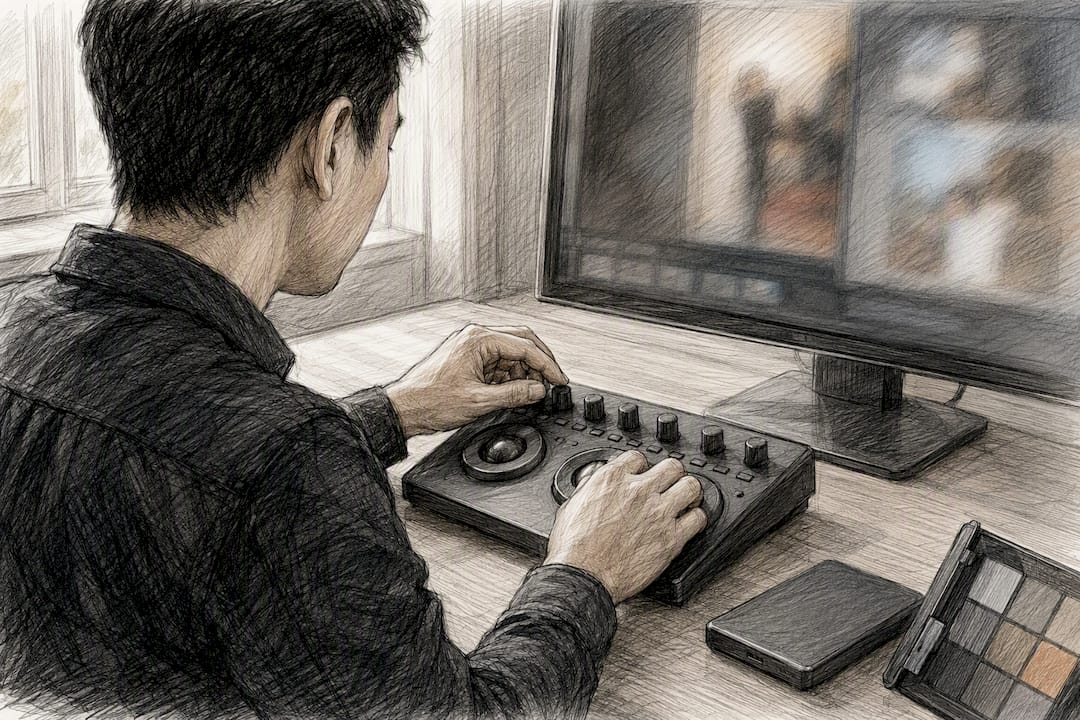
Basic workflow: Cull first, keeping only usable frames. Set a baseline exposure and color correction across similar shots. Move to local adjustments (skin tones, highlights, background distractions). Export as JPEG or TIFF only once you’re satisfied, never distribute the raw file itself as a finished image.
Storage: Budget for size. A single wedding’s raw files can run into hundreds of gigabytes.
| Consideration | What to expect |
|---|---|
| Average raw file size | Several dozen MB per image |
| Full-day wedding raw set | Can be hundreds of GB total |
| Backup approach | External SSD plus a cloud backup, not either alone |
| Download bandwidth | Plan for hours, not minutes, on a home connection |
One more thing worth saying plainly: don’t post an unedited or badly edited raw file and present it as the photographer’s finished work. It’s misleading to anyone viewing it, and it can create real friction with the person who shot your wedding. For a deeper look at how final color choices define a gallery, this piece on wedding aesthetic and lasting photos is a useful companion read.
What Do Raw Files Cost, and What Should Your Contract Say?
Full raw delivery is uncommon, and when it’s offered, it tends to come at a real cost. Photographers who do provide raw access typically treat it as a separate, often pricier product, reflecting the storage, transfer time, and licensing risk involved.
Before signing anything, check your contract for these specific terms:
-
Does it state a raw-file policy at all, or just describe “final edited images”?
-
How many edited images are guaranteed in the delivered gallery?
-
What’s the turnaround time for final delivery?
-
What usage rights do you get: personal printing, social sharing, or full commercial use?
If raw isn’t offered or the fee feels steep, negotiate for an expanded edited gallery, TIFF exports of key moments, or an archival package instead. Reviewing a photographer’s past editorial choices before booking often solves the underlying worry anyway: if you love their finished style, you won’t need the raw files to feel confident in the result.
How BGF Photography Handles Raw-File Requests
BGF Photography shoots candid, unobtrusive wedding coverage across Buffalo, Rochester, and the Finger Lakes, often paired with hybrid photo and video packages built around one consistent style. Billy and the team hear raw-file questions regularly, and the approach is straightforward: the edited gallery is the delivered product, because culling and color work are where the actual craft happens.
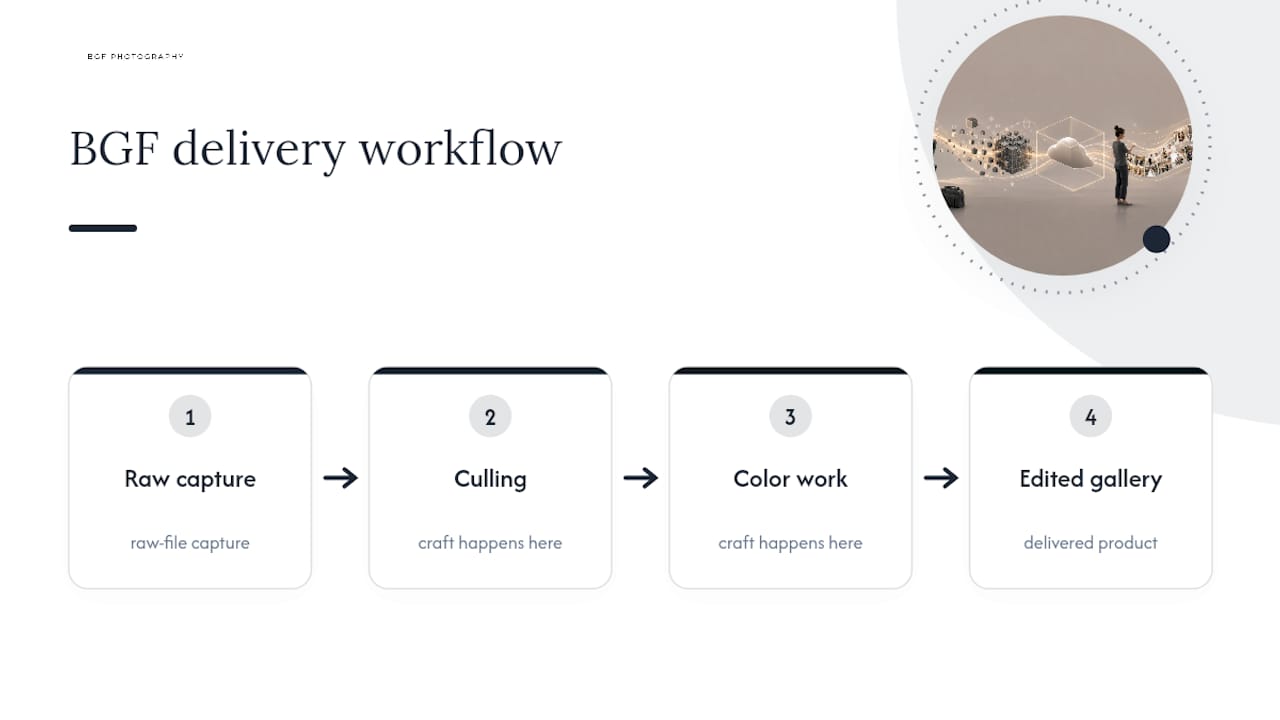
Instead of raw access, couples can talk through expanded gallery sizes or archival delivery options during booking. A good sign in any photographer relationship is a clear answer to a direct question. A vague one, or a policy that only surfaces after you ask twice, is worth noticing before you sign anything.
Why Workflow Matters More Than the File Format
The honest rule I’d give any couple: ask about deliverables before you book, not after the wedding is over. Editing is a skill built over thousands of images, not a filter you apply in five minutes, and the difference shows up the moment someone tries to fix a raw file without training. Trust the process you’re paying for, and if you genuinely want originals for archiving, ask about a paid add-on upfront rather than negotiating after delivery.
— Billy
Get Polished Wedding Coverage Without Chasing Raw Files
This photographer gives couples a clear, finished deliverable instead of a raw-file negotiation. Packages often pair candid, unobtrusive coverage with a consistent editing style across photo and video, so you’re not stuck wondering what an unedited frame will look like months later.
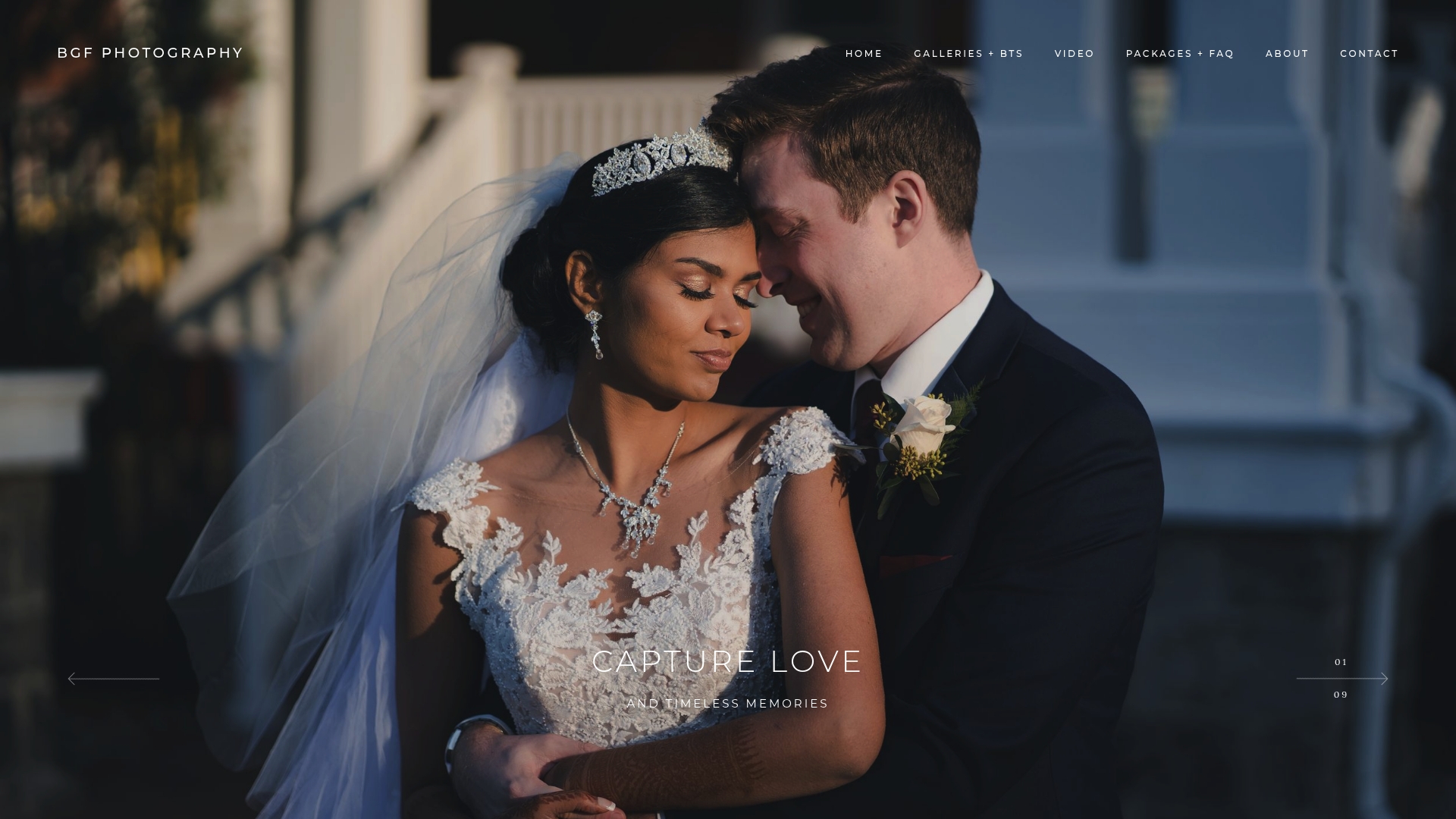
Couples who want more than the standard gallery can ask about expanded deliverables, film photography add-ons, or archival packages when booking, rather than requesting raw files after the fact. If you’re planning a wedding date and want to see what’s included, check BGF Photography’s packages and pricing and start the conversation about deliverables early. That single step avoids nearly every raw-file disagreement before it starts.
Sources
For a closer technical look at raw versus finished images, this breakdown of raw and edited differences covers the dynamic range issue in more depth. Photographers and students working on their own post-processing skills can also learn from foundational post-processing principles that apply well beyond landscape work.
-
Why Wedding Photographers Don’t Give RAW Files — Montreal Wedding Photographer - CM Images
-
Do Wedding Photographers Give All Photos? The Truth About RAW Files, Culling, and Your Contract
-
Do You Need the RAW Files From Your Wedding Photographer? (Hint: The Answer Is No)
FAQ
Do wedding photographers give out raw photos?
Most don’t include raw files in standard packages, since culling and editing are considered part of the paid service; some offer raw access as a separate, often costly, add-on.
Is raw better than JPEG for wedding photos?
Raw files hold more color and dynamic range for editing purposes, but they look flat unedited and need specialized software, so they’re better for the editor’s workflow, not for final viewing.