

Buffalo couples chasing candid, documentary-style wedding coverage should look for a hybrid photo and video team rather than piecing together separate vendors. BGF Photography fits that description directly, pairing unobtrusive candid photography with videography under one creative vision, plus an optional film add-on for couples who want a nostalgic edge. Check the comparison below, then jump to booking steps when you’re ready.
TL;DR:
Full-day wedding packages in Buffalo typically include eight to ten hours of coverage, with options for second shooters and additional add-ons like drone or film photography.
Booking nine to twelve months in advance is recommended, especially for peak wedding season from May to October, to secure preferred dates and vendor availability.
Reviewing full wedding galleries and asking detailed questions about backup equipment and ownership rights are crucial to ensure reliability and transparency from vendors.
Photo booth rentals usually cost more with enclosed setups, additional printing options, and extended hours, requiring careful comparison of package details and vendor references.
Expect deliverables like edited photos within six to ten weeks and highlight videos a few weeks afterward, with timelines varying based on the vendor and added services.
Table of Contents
What Does a Wedding Photo Booth in Buffalo Really Mean?
Search results labeled “wedding photo booth Buffalo” mostly point to prop booths and instant print machines. That’s not what most engaged couples in this region actually need most from their wedding-day investment. The bigger decision, and the one with more lasting impact on your memories, is how you’re covering the real moments of your day: the vows, the first dance, your grandmother crying during the toast. That’s where candid, documentary-style photography and hybrid photo+video coverage come in, and it’s the focus of this guide.
BGF Photography leads that category for Buffalo, Rochester, and Finger Lakes couples. Here’s how the main service formats compare when you’re choosing how to cover your wedding day.
BGF Photography (hybrid photo + video team)
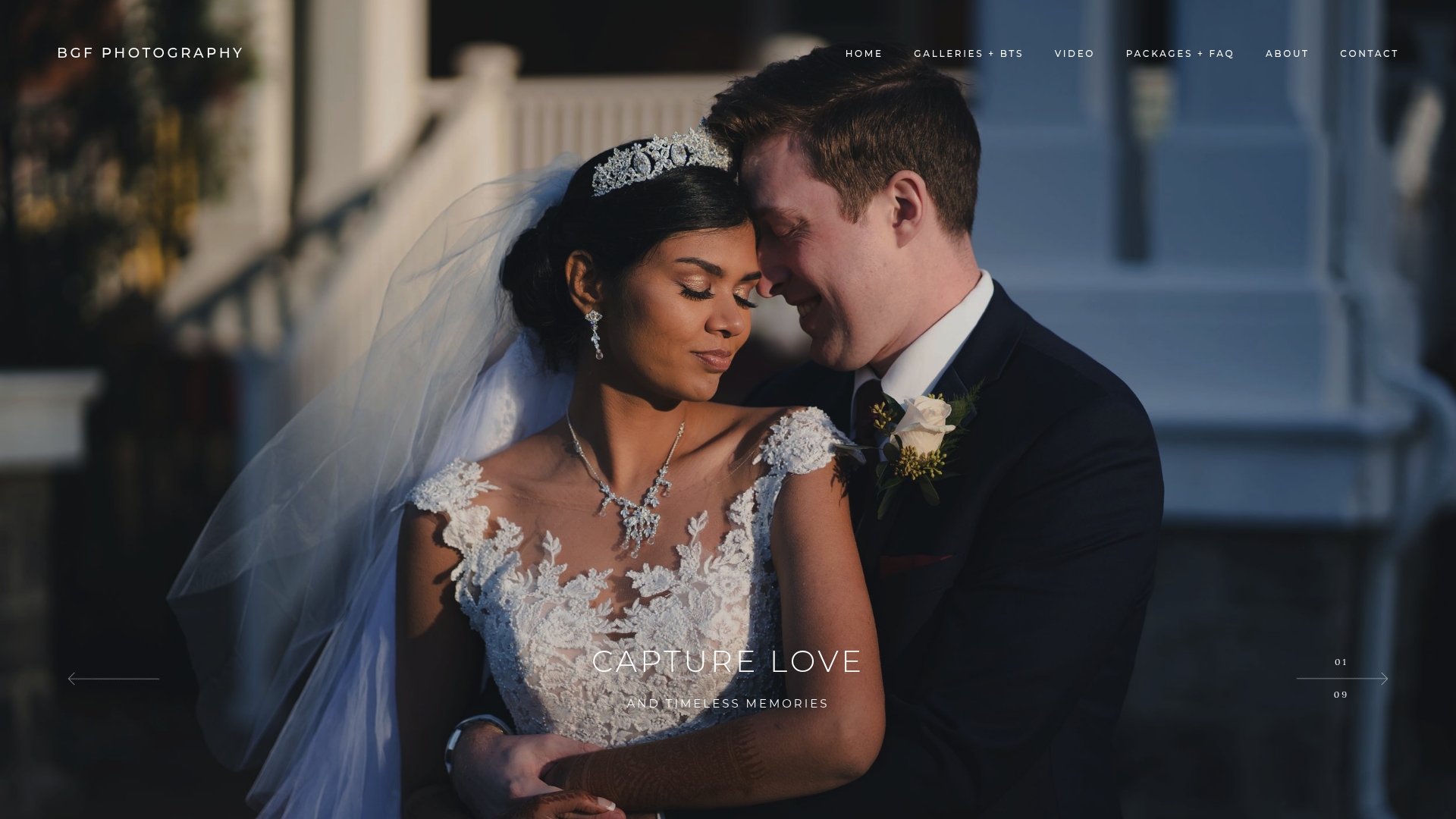
BGF Photography shoots weddings with a low-footprint, observational style rather than staging every frame. A candid wedding photographer works by reading the room and anticipating emotion instead of interrupting it, which means less posing and more real reactions in your final gallery. BGF Photography bundles that photo style with videography, adds an optional film photography package for a nostalgic look, and can bring drone coverage for aerial shots of venues like waterfront properties or vineyard estates. Full-day coverage and local experience across Buffalo, Rochester, and the Finger Lakes round out the offering.
-
Best for: couples who want one cohesive creative vision across photo and film deliverables
-
Coverage: full-day options with second shooter availability
-
Add-ons: film photography, drone/aerial, custom albums
Independent photographer who also shoots video
Some photographers offer both services personally or with a small in-house team. Hiring one team for both photo and video can create a cohesive storytelling experience and reduce crew crowding around you during key moments. The tradeoff: a single photographer switching between a camera and a video rig during the ceremony may miss angles a dedicated two-person team would catch. Ask how they physically manage both roles during fast-moving moments like the recessional.
Separate photographer and dedicated videographer
Hiring two specialists means each vendor focuses entirely on their craft. That depth can pay off in highly technical video work, like cinematic drone reveals or multi-camera ceremony audio. The downside shows up in coordination: when a photographer and videographer share the same documentary approach, they collaborate smoothly, but mismatched styles can conflict unless you coordinate their timelines and shot lists ahead of time. More people also means more visible crew during intimate moments.

Whichever route you consider, look for the same baseline proof: hours of coverage, second shooter availability, full sample galleries from real weddings (not just highlight reels), and clear delivery numbers for edited images and highlight film length.
What Questions Should You Ask Before Booking?
A good consultation separates a reliable hire from a risky one fast, if you ask the right things. Start with the portfolio: does it show consistent quality across an entire wedding day, not just a handful of polished shots? Ask to see full wedding galleries, not just highlight reels, since anyone can curate 20 perfect images from a bad day.
Bring these questions into every consultation:
-
Are you available for our exact wedding date, and what’s your rebooking policy if something changes?
-
Who personally shoots our wedding, and is a second shooter included?
-
What’s your backup equipment policy if a camera or memory card fails mid-day?
-
Can I see three or four complete wedding galleries, start to finish?
-
What’s the delivery timeline for photos and video, and how many edited images should we expect?
-
Who owns the raw files and finished images, and what usage rights do we get?
Watch for vague answers, especially around backup gear. A photographer who can’t describe a specific equipment failure plan hasn’t thought it through. BGF Photography documents this kind of backup equipment planning as standard practice, not an afterthought.
Pro Tip: If a photographer hesitates when you ask to see a full gallery instead of a highlight reel, that hesitation is itself information. Confidence in the full day, not just the best 20 shots, is what separates experienced vendors from newer ones still building a portfolio.
Also confirm contract basics before signing anything. Photographers typically require a retainer to hold your date, along with a signed contract outlining coverage hours and deliverables. That’s standard, not a red flag, but the contract should spell out exactly what happens if hours run long or weather forces a schedule change.
How Much Should You Budget, and When Should You Book?
Wedding photography and videography packages in the Buffalo area typically scale by coverage hours, number of shooters, and deliverables rather than a flat rate. A half-day package covering ceremony and reception basics costs less than a full-day package that includes getting-ready shots, a second shooter, and a full highlight film. Adding film photography or drone coverage moves the price up further, as those are specialized add-ons rather than baseline inclusions.
Most couples book their photography and videography team well in advance of their wedding date, particularly for Saturdays in the popular May to October wedding season. Popular Buffalo-area venues fill weekend dates quickly, and photographers with strong reputations book out just as fast. If your date falls during peak wedding season, don’t wait past the venue booking to start photographer conversations.
Timeline-wise, expect delivery of a full edited photo gallery within six to ten weeks after your wedding, with a highlight video often following a few weeks after that. Full ceremony and reception footage, if included in your package, may take longer to edit than a three-to-five-minute highlight film. Ask about these timelines directly during your consultation rather than assuming a standard turnaround, since it varies by vendor and season. A written wedding planning checklist can help you map these deadlines against other vendor deposits.
What Happens on Your Actual Wedding Day?
Coverage typically starts during getting-ready and runs through the first dance or send-off, depending on your package hours. An eight to ten hour coverage window is common for full-day packages, covering everything from bridal prep through key reception moments.
A second shooter matters more than couples expect. While one photographer stays with you during getting-ready, a second can capture your partner’s side simultaneously, so you’re not missing half the story. During the ceremony, a second angle also catches guest reactions your primary photographer can’t see while focused on you at the altar.
Gear backups run quietly in the background all day. Professional teams carry backup camera bodies, multiple memory cards, and extra batteries, because a single equipment failure shouldn’t cost you irreplaceable moments. Ask your vendor directly how they handle this; a specific answer beats a vague reassurance every time.
Working with one team for both photo and video reduces the chance of vendors competing for the same angles during key moments like your first kiss or cake cutting. Fewer people directing you around also means a more relaxed, natural day, which supports the whole point of choosing a candid, documentary approach in the first place.
If you’re marrying at a lakefront venue or somewhere with dramatic natural light, ask your photographer how they’ve handled that specific setting before. Niagara Falls and similar waterfront venues create unique lighting and backdrop opportunities that reward local experience.
Evaluating Photo Booth Add-Ons for Your Reception
If you’re weighing an actual photo booth rental as a reception add-on separate from your photography package, a few practical factors decide whether it’s worth the money. Booth type matters first: open-air booths work better for larger group shots and fit more easily into tight reception spaces, while enclosed booths offer more privacy and a classic strip-photo feel but need more floor space.
Prop quality and customization also separate a memorable booth from a forgettable one. Curated, wedding-specific props tend to photograph better than a generic grab-bag of novelty items, and some rental companies let you customize print templates with your names, date, and a color scheme matching your reception decor. Ask to see actual sample strips from recent weddings, not just stock marketing photos, before you commit.
Attendant service is another factor worth confirming directly. A booth with a dedicated attendant running props and troubleshooting the printer tends to run more smoothly across a four-hour reception than an unattended setup guests have to figure out themselves.
Comparing Photo Booth Packages: What Actually Varies
Photo booth rental packages differ mainly on four things: guestbook options, print quality, digital sharing, and session length. A physical guestbook where guests paste a printed strip and write a note next to it has become a popular add-on, though it typically costs extra on top of the base booth rental.

Print quality varies more than most couples expect. Some rental companies use basic consumer-grade printers that produce softer, lower-contrast prints, while others use professional dye-sublimation printers that hold color and detail better over time. If preserving prints matters to you, ask specifically what printer and paper stock a company uses.
Digital sharing is now close to standard. Most Buffalo-area rental companies include instant digital delivery through text, email, or a shareable online gallery link, in addition to printed strips. Some also offer unlimited reprints during your event window, letting the same photo strip get printed multiple times for different guests, while others cap prints per session. Confirm this detail before booking, since it directly affects your per-guest cost math if your reception has a large guest count.
Space and Setup Needs for Reception Booths
Photo booths need more planning around physical space than most couples anticipate when booking a Buffalo-area venue. Enclosed booths typically need a footprint of roughly six by six feet, plus clearance for guests to queue nearby without blocking walkways to the bar or dance floor. Open-air setups need less enclosed space but still require enough backdrop width to fit larger groups in frame.
Electrical access is a detail that gets missed until setup day. Confirm with your venue coordinator exactly where outlets are located relative to your planned booth placement, since some historic Buffalo venues and converted barn spaces have limited electrical capacity in certain rooms. Ceiling height matters too for enclosed booths with any kind of canopy or curtain backdrop.
Timing setup around your other vendors also avoids reception-day headaches. Booth companies typically need thirty to sixty minutes to set up and test equipment before guests arrive, so coordinate that window with your caterer’s own setup and your DJ’s sound check if space is tight. A venue walk-through tool can help you and your vendors map out placement before the actual event day, reducing surprises when everyone arrives with equipment at once.
What Do Buffalo Wedding Photo Booth Rentals Cost?
Photo booth rental pricing in the Buffalo area scales mainly with hours of service, booth type, and included extras like a guestbook or unlimited prints. Enclosed booths with a full prop selection and an attendant typically sit at the higher end of the range, while simpler open-air setups without a dedicated attendant cost less. Add-ons like custom print templates, a physical guestbook, or extended service hours each add to the base rental price.
Booking further ahead sometimes secures better availability and pricing, particularly for popular Saturday dates during peak wedding season between May and October. Ask any rental company for a written quote breaking down the base rate versus each add-on, since bundled “premium package” pricing can obscure what you’re actually paying for individually. That transparency also makes it easier to compare two different rental companies against each other on equal footing.
How Long Does a Photo Booth Typically Run?
Most wedding photo booth rentals run for three to four hours during the reception, timed to overlap with cocktail hour through the middle of dancing. That window captures guests while energy is high, without running so long that the booth sits empty during dinner service or speeches.
Some couples extend coverage to a full reception window if their guest count is large enough that lines would otherwise form during the busiest hours. Others scale down to a two-hour block placed strictly during cocktail hour, treating it as an icebreaker activity rather than an all-night feature. Either approach works; the right length depends on your guest count and how central you want the booth to be to your reception flow.
Confirm setup and breakdown time separately from active service hours when comparing quotes. A “three-hour” package that includes an hour of setup and breakdown beforehand gives guests less actual usable time than a company that quotes three hours of pure operating time.
Local Photo Booth Companies Worth Researching
Buffalo has a growing number of rental companies specializing in wedding photo booths, and reputation varies by what couples actually needed from their event. Some companies specialize in the classic enclosed strip-photo booth with a curated prop selection and an on-site attendant for the full reception. Others focus on open-air setups with larger backdrop options built for bigger group shots and higher guest counts.
When researching a rental company, look past the star rating and read a handful of actual written reviews for specifics: did the attendant show up on time, did the printer jam repeatedly, did the digital gallery link actually work after the event. Those details matter more than an aggregate score. Ask each company directly for references from a wedding similar in size and venue type to yours, since a booth that worked well at a 60-guest backyard wedding may not scale cleanly to a 250-guest ballroom reception.
Why Candid Coverage Matters More Than People Expect
Most couples spend more time picking a venue than picking how their day gets documented, and I think that’s backwards. Your venue disappears the moment the reception ends. Your photos and video are what you actually have left five, ten, twenty years out, and candid coverage is what keeps those memories feeling like your actual wedding instead of a stock photo shoot.
BGF Photography built its approach around staying out of the way. The film photography option adds something digital alone can’t quite replicate: a grain and warmth that reads as timeless rather than trendy the moment you look back at it in a decade. Buffalo weddings bring their own challenges, dim reception halls in February, unpredictable lake-effect light near the water, barn venues with mixed indoor and outdoor moments, and each one demands a photographer who’s actually worked those conditions before, not just read about them.
— Billy
Ready to Book Your Buffalo Wedding Coverage?
BGF Photography serves couples throughout Buffalo, Rochester, and the Finger Lakes with hybrid photo and video packages built around candid, documentary-style coverage. That means one cohesive creative vision instead of two vendors working from different playbooks, plus the option to add nostalgic film photography or drone shots to your package.
Full package details, pricing structure, and answers to common booking questions live on the Packages + FAQ page. If your date is still open, check availability now and request a quote before your preferred Saturday gets booked by someone else. Peak season fills fast, and the sooner you lock in your date, the more flexibility you’ll have with add-ons like film photography or a second shooter.
Sources
For more on how candid photography works day-of, see what to expect with a documentary-style photographer, or explore hybrid photo and video coverage for Buffalo weddings specifically.
FAQ
How Many Hours of Coverage Do Most Buffalo Wedding Packages Include?
Most full-day packages cover eight to ten hours, starting with getting-ready photos and running through early reception moments like the first dance.
Does BGF Photography Include a Second Shooter?
Second shooter availability depends on the package selected; BGF Photography offers this option so both sides of the wedding party can be documented simultaneously during getting-ready and the ceremony.
Is Film Photography an Add-On or Included by Default?
Film photography is typically an add-on option rather than a standard inclusion, since it requires separate equipment and processing beyond digital coverage.
Why Does Wedding Photography and Videography Pricing Vary So Much?
Pricing scales with coverage hours, number of shooters, and add-ons like film or drone footage rather than a single flat rate, so a half-day package costs less than a full-day one with extras.
How Far in Advance Should We Book Our Photographer?
Most couples book nine to twelve months ahead, especially for Saturday weddings during peak season between May and October, when strong local vendors fill their calendars fastest.