

Expect a teaser within one to three weeks, a highlight reel in four to twelve weeks, and eight to sixteen or more weeks for a feature or full-length edit. Timelines shift with how much footage there is, how complex the edit is, and how busy your studio's calendar happens to be. If you want certainty, ask your videographer to put a deliverable schedule directly into your contract before you sign.
TL;DR:
- Most wedding highlight reels are delivered within four to twelve weeks, while feature films can take eight to sixteen weeks or more, depending on complexity.
- Longer turnaround times are usually caused by large footage volume, high editing complexity, seasonal backlogs, or multiple revision requests.
- Rush delivery options are limited to teasers or highlight reels, often available within 48 hours to three weeks, for additional fees.
- Clear contractual terms for deadlines, revisions, and communication schedules help prevent delays, with recommended updates every four to six weeks during editing.
- Delays beyond two missed deadlines without updates are red flags; studios that provide proactive communication tend to deliver more reliably.
Table of Contents
- Typical turnaround by wedding video deliverable
- Why a wedding video takes the time it does
- What makes turnaround longer or shorter
- Rush delivery options and what they cost you
- Questions to ask and contract clauses that protect your timeline
- How often you should hear from your editor
- If your wedding video is late
- What working with couples has taught me about delivery timelines
- How BGF Photography handles delivery timelines
- Tools to plan and document your delivery timeline
- Sources
- FAQ
Typical turnaround by wedding video deliverable
Each deliverable takes a different amount of work, so it helps to know what you are actually waiting for. A sneak peek or teaser is a short clip, often under a minute, built quickly from a handful of standout moments. A highlight reel runs a few minutes and tells a fuller story of the day, while a feature or short film runs longer and usually includes speeches, vows, and more layered editing. Full-length or raw footage delivery includes hours of ceremony and reception video with minimal editing.
Common studio windows look like this:
- Sneak peek or teaser: within a few weeks, sometimes faster.
- Highlight reel: generally delivered within a few weeks to a few months.
- Feature or short film: delivery can take several weeks to several months depending on complexity.
- Full-length or raw footage: often delivered last, with timing that varies by studio workload.
A highlight reel usually finishes faster than a feature because it needs fewer minutes of finished, color-graded footage. Peak wedding season, typically late spring through early fall, stretches every one of these windows as editors work through backlogs, and a smaller studio with one or two editors will naturally queue projects differently than a larger production house.
Why a wedding video takes the time it does
Editing a wedding film involves more steps than most couples expect, and each one adds time before a final video is ready.
- Ingest and backup all footage from every camera and audio source.
- Sync multicam footage and audio tracks so angles line up correctly.
- Build a rough story edit that sequences the day's key moments.
- Choose music and set pacing to match the emotional arc of the edit.
- Refine the fine cut based on the story structure.
- Apply color grading for a consistent, cinematic look.
- Mix and clean audio, including vows and speeches.
- Add titles, graphics, or any requested effects.
- Render the final file and run quality control before delivery.
Most of the time gets spent on the story edit and on revisions, since narrowing hours of footage into a coherent story takes far longer than the technical steps around it. Ingest, syncing, and rendering can often happen in parallel with other projects in the queue, but story editing and revisions cannot be rushed without cutting quality.
Pro Tip: Limit your revision requests to one clear round with specific timestamped notes. Vague or repeated revision rounds are the single biggest reason a "finished" video slips past its deadline.
What makes turnaround longer or shorter
Several variables explain why one couple waits four weeks and another waits four months for the same type of video.
- Deliverable scope and creative complexity, including video length, cinematic grading, and special effects, add editing hours.
- Raw footage volume, driven by the number of cameras and total hours recorded, increases sync and review time.
- The number of audio sources, like lavalier mics on both partners plus a soundboard feed, adds mixing work.
- Editor availability and studio staff size determine how many projects run at once.
- Seasonal queue length during peak wedding months pushes every delivery date back.
- Client-side delays, such as slow review responses or repeated revision requests, extend the timeline on the couple's end.
Rush delivery options and what they cost you
Some studios offer expedited turnaround for couples who need footage sooner, often for a vow renewal, an anniversary, or a same-day parent screening. A rushed teaser can sometimes land in 48 to 72 hours, and an expedited highlight reel might be possible in one to three weeks. Full feature edits are harder to rush meaningfully without sacrificing quality, so studios tend to offer limited rush options there.
Rush pricing usually takes one of two forms:
- A flat rush fee added to the base package price.
- An hourly premium charged for the editor's expedited time.
Faster delivery often means fewer review cycles, simplified color grading, and lighter audio polish. Accepting a rush makes sense when you have a fixed event deadline, but if there is no hard date, a realistic standard timeline usually protects the quality you paid for.
Questions to ask and contract clauses that protect your timeline
The clearest way to avoid delivery surprises is to put expectations in writing before the wedding. A wedding videographer contract template typically includes fields for first-draft and final delivery deadlines, payment schedule, and data-retention or backup clauses, which gives couples a starting point to adapt rather than negotiate from scratch.
Ask your videographer to specify:
- Deadlines for the first draft, the highlight reel, and the final delivery.
- The number of included revisions and the review window for each.
- Delivery formats, such as a private streaming link versus a downloadable file.
- A rush fee schedule and a clear definition of what counts as "final" delivery.
- Backup and data-retention terms in case of equipment failure or loss.
One contract clause worth adding: requiring periodic status updates or sneak peeks at set intervals keeps both sides accountable without either party needing to chase the other for news.
How often you should hear from your editor
A reasonable communication rhythm looks like a sneak peek within one to three weeks, followed by a status update every four to six weeks until the full edit is delivered. Your contract should name a first draft date and a review window, commonly seven to ten days, so feedback does not stall the project indefinitely.
- Request a sneak peek or teaser within the first one to three weeks.
- Expect a status update roughly every four to six weeks during editing.
- Agree on a first draft date with a defined review window, often seven to ten days.
Transparent milestone emails and small sample exports reduce rework because they catch style or pacing concerns early, before the full edit is locked.
Pro Tip: Decide upfront whether you want a private link or a downloadable file for delivery. Sorting that out before editing finishes avoids a last-minute scramble over file size or platform access.

If your wedding video is late
Editor backlogs and hardware failures happen, and a brief delay with a clear explanation is different from silence.
- Ask for a written status update naming a revised delivery date.
- Request a partial deliverable, such as the highlight reel, while the feature edit continues.
- Check your contract for refund or partial refund clauses tied to missed deadlines.
- Escalate to mediation or small claims only after documented, unresolved delays.
Red flags include more than two missed deadlines with no status update, or evasive answers when you ask direct questions about timing. A studio that communicates proactively, even with bad news, is behaving normally. One that goes quiet is not.
What working with couples has taught me about delivery timelines

Most delivery anxiety comes from vague expectations, not from editors working slowly. Couples who get a specific date range at booking, and a sneak peek within a few weeks of the wedding, rarely feel anxious about the wait even when the final feature takes three months. The studios that struggle are the ones that never put a number on the calendar in the first place.
Some studios set delivery windows at booking and check in with a short update every few weeks, so couples always know where their video stands rather than guessing.
— Billy
How BGF Photography handles delivery timelines
Waiting for your wedding video should not feel like waiting in the dark. Our packages, including the 3-6 Minute Highlight, 9-15 Minute Featurette, and 30-60 Minute Full Length edits, each come with a stated delivery window and a defined revision policy written into the contract before your wedding day.
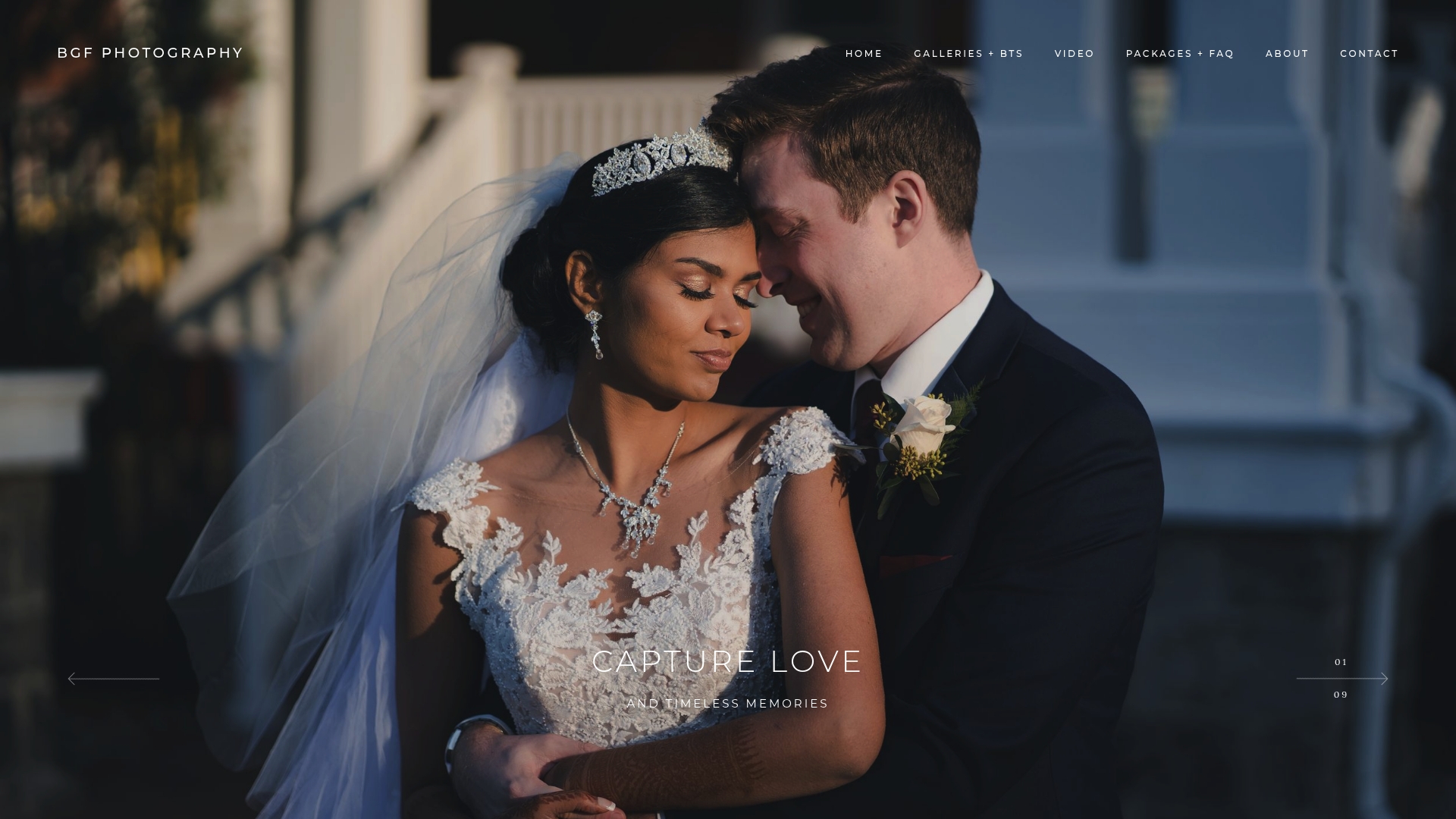
- Sneak peeks and status updates are built into our standard process, not an upgrade.
- Rush options are available when feasible and quoted clearly, with no surprise fees.
- Every package specifies delivery format and revision count upfront.
If you want to see which package fits your day, check the full breakdown on our investment page or browse our video services overview to compare deliverables side by side before you book.
Tools to plan and document your delivery timeline
A few resources can help you lock in expectations before your wedding:
- A video editing hours calculator to understand editor workload.
- Our own highlight reel planning guide and videographer question checklist.
FAQ
What is the average turnaround time for a wedding video?
Most couples receive a highlight reel within four to twelve weeks, while a feature or full-length edit can take eight to sixteen or more weeks. Sneak peeks typically arrive within one to three weeks of the wedding.
What is the 50/20/30 rule for weddings?
This rule generally refers to budget allocation rather than video delivery, splitting wedding spending across broad categories like venue, attire, and vendors. It does not set a standard for video turnaround, so ask your videographer directly for their delivery schedule instead.
How long is it normal to wait for a wedding video?
A wait of six to twelve weeks for a highlight reel and longer for a full feature edit is typical, especially during peak wedding season. If your contract specifies a shorter window and that date passes without a status update, it is reasonable to ask for one.
What is the 30-5 minute rule for weddings?
This term is not a standardized industry rule, and definitions vary depending on the source. Some use it loosely to describe pairing a short highlight reel of a few minutes with a longer feature closer to thirty minutes, but couples should confirm exact deliverable lengths with their own videographer's package details.