
The most authentic wedding moments happen in the same handful of windows every time: getting ready, the first look, the seconds right after "I do," the beat after a speech ends, and the last dance. The method that reliably catches them isn't a checklist of poses. It's anticipation paired with a photographer who knows how to stay invisible. When shooters watch for pre-reaction cues and position themselves before a moment breaks, candid photography stops depending on luck.
Three things you can do today:
- Ask your photographer how they handle the 60 seconds after the ceremony ends, not just the ceremony itself.
- Build 10 to 15 minutes of unscheduled time into your day for reactions to unfold.
- Brief your family and wedding party so they stop performing for the camera and start just being there.
Key Takeaways
Authentic wedding moments come from timeline margin, an unobtrusive photographer, and a few smart prompts, not from more posing.
| Point | Details |
|---|---|
| Watch the aftermath | The seconds after a vow, kiss, or speech often carry more honest emotion than the moment itself. |
| Pad the timeline | Add 10 to 15 minutes around ceremony, speeches, and golden hour so reactions have room to unfold. |
| Brief, don't direct | Share a short must-have list with your photographer, then let them roam during everything else. |
| Practice anticipation | Reading eye-lines and body language before a reaction is a trainable skill, not luck. |
| Choose hybrid coverage | BGF Photography pairs unobtrusive photo and video under one team to keep the story consistent. |
Table of Contents
- Where Authentic Wedding Moments Actually Happen
- How Photographers Spot a Moment Before It Happens
- Building a Day That Makes Room for Real Moments
- Setting a Shot List That Still Leaves Room for Surprise
- Let BGF Photography Capture Your Day As It Actually Happens
- Sources
- FAQ
Where Authentic Wedding Moments Actually Happen
Real brides asked to name their favorite memories keep circling back to the same list: getting ready, the first look, ceremony reactions, speeches, unplanned guest moments, and the dance floor, according to a roundup of real-bride favorites from WeddingWire. That consistency matters. It tells you where to point attention, both as a couple planning the day and as a photographer working it.
Here's the full rundown, in the order they tend to happen.
- Getting ready. Nerves, laughter, and quiet moments with parents show up here because nobody's performing yet. A 35mm or 50mm lens close to the action, shot in window light, captures the texture of the room. Give your photographer ample time here, not just a brief segment.
- The first look or reveal. The genuine reaction, before either of you has time to compose your face, is the whole point. Photographers should shoot from an angle that catches both faces, not just a profile. Skip the reveal if you'd rather save that reaction for the aisle.
- Ceremony reactions. Vows, the kiss, and the ten seconds after are where real emotion peaks. A long lens from a distance lets the photographer stay out of sightlines while still framing tight on faces.
- Family and parent moments. A father's face during the processional or a mother dabbing her eyes during vows carries weight because it's involuntary. Position a second shooter near the front row specifically for this.
- Speeches and toasts, plus what happens right after. The applause, the hug, the exhale, that aftermath often reveals more honest emotion than the speech itself. Stay on the couple briefly after the mic drops.
- Guest interactions and surprises. Old friends reuniting, a kid stealing cake, an uncle who can't dance but tries anyway. Wander with a 35mm and let it happen; briefing a few close friends to "just be normal" helps.
- Golden hour and the just-married glow. Soft, directional light around sunset flatters skin and mood at once. Schedule 20 minutes here even if it means shuffling the timeline.
- Dance floor and exit. Unfiltered joy peaks late. A discreet off-camera flash or bounced on-camera flash keeps energy without freezing the room.
- Details and decor. Rings, the dress on a hanger, table settings shot in context give candid images a place to live. These aren't candid themselves, but they anchor the story around the emotion.
How Photographers Spot a Moment Before It Happens
Anticipation is a trained skill, not an instinct some photographers are born with. Experienced shooters read eye-lines, breathing changes, and the half-second pause before someone tears up or laughs, then position themselves ahead of the reaction instead of chasing it. That kind of pattern recognition is what turns a lucky shot into a repeatable one.
The practical toolkit looks like this:
- Two camera bodies, one with a 35mm or 50mm for close, intimate framing, one with a 70 to 200mm for distance work during ceremony and speeches.
- An 85mm for portraits that need separation without closing the physical gap between photographer and subject.
- Discreet fill flash for dark receptions, held back entirely during ceremonies and vow readings.
- Deliberate movement, not standing still. Walking the edges of a room reveals angles a static position never will.
Pro Tip: Practice anticipation somewhere low-stakes, like a family dinner or a friend's birthday. Watch for the half-second before a laugh lands, and you'll start seeing it everywhere, including at 4:45 PM on someone's wedding day.
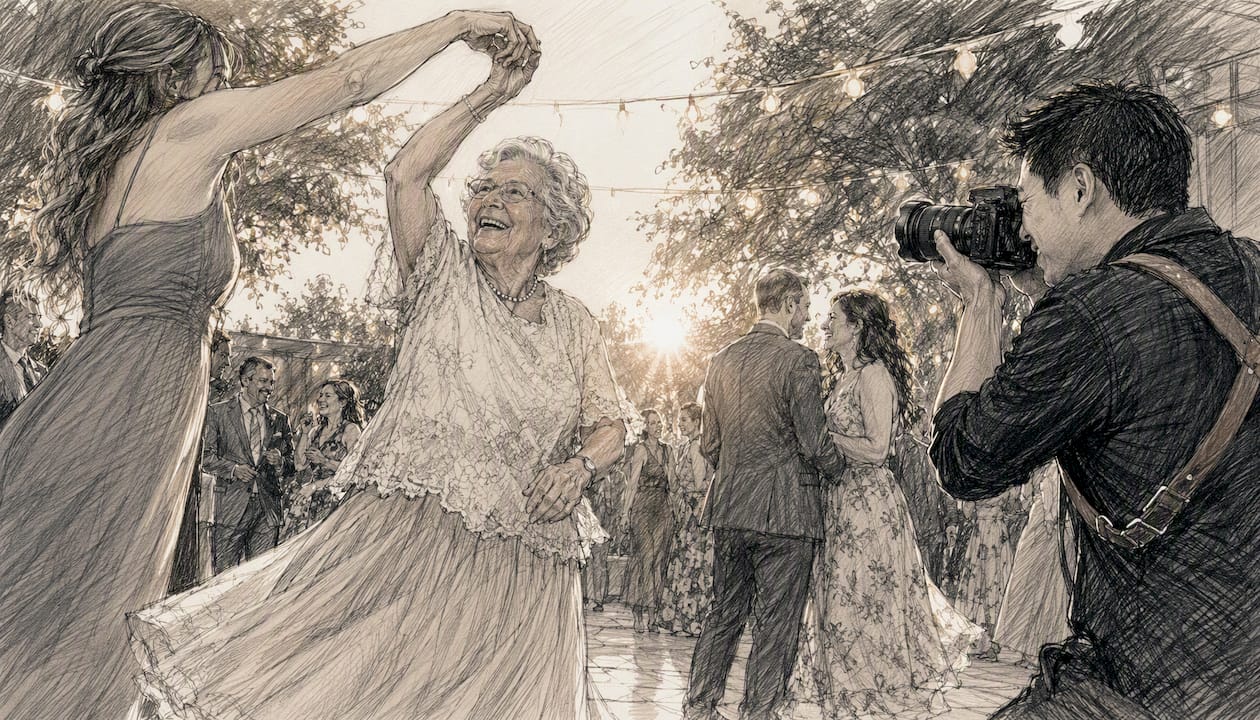
One pattern shows up again and again: a photographer who camps near the edge of the dance floor rather than in the middle catches the exact instant a grandmother gets pulled in to dance. That's not luck. That's a photographer who has learned where the real moment tends to start.
Building a Day That Makes Room for Real Moments
Timeline design does more for authenticity than any single shooting technique. A schedule with breathing room produces calmer guests and more natural interactions, while a rushed one raises everyone's stress and flattens the emotion out of every shot, something photographers who shoot dozens of weddings a year notice consistently.
- Pad the timeline by 10 to 15 minutes around ceremony, speeches, and golden hour so aftermath has room to happen.
- Group family formals into an efficient block early, freeing the rest of the day for observation.
- Carve out a few private moments for just the two of you, right after the ceremony or before the reception starts.
Before the day, brief your officiant, parents, and MC on what "candid coverage" actually means, so nobody starts posing the second a camera lifts. Reviewing how to build a relationship with your photographer before the wedding ahead of time also helps everyone relax once the day starts. Do let the photographer roam during dinner and cocktail hour. Don't schedule a "candid photo session" as its own block. The label alone kills the effect.
Setting a Shot List That Still Leaves Room for Surprise
A short brief protects the must-haves without boxing in the day. Include the absolute non-negotiables (first kiss, family portraits, rings), a few nice-to-haves, and a list of people to prioritize if time runs short. Just as important: name a few windows, like the getting-ready room or the newlywed exit, where you want your photographer to stay back and simply watch.
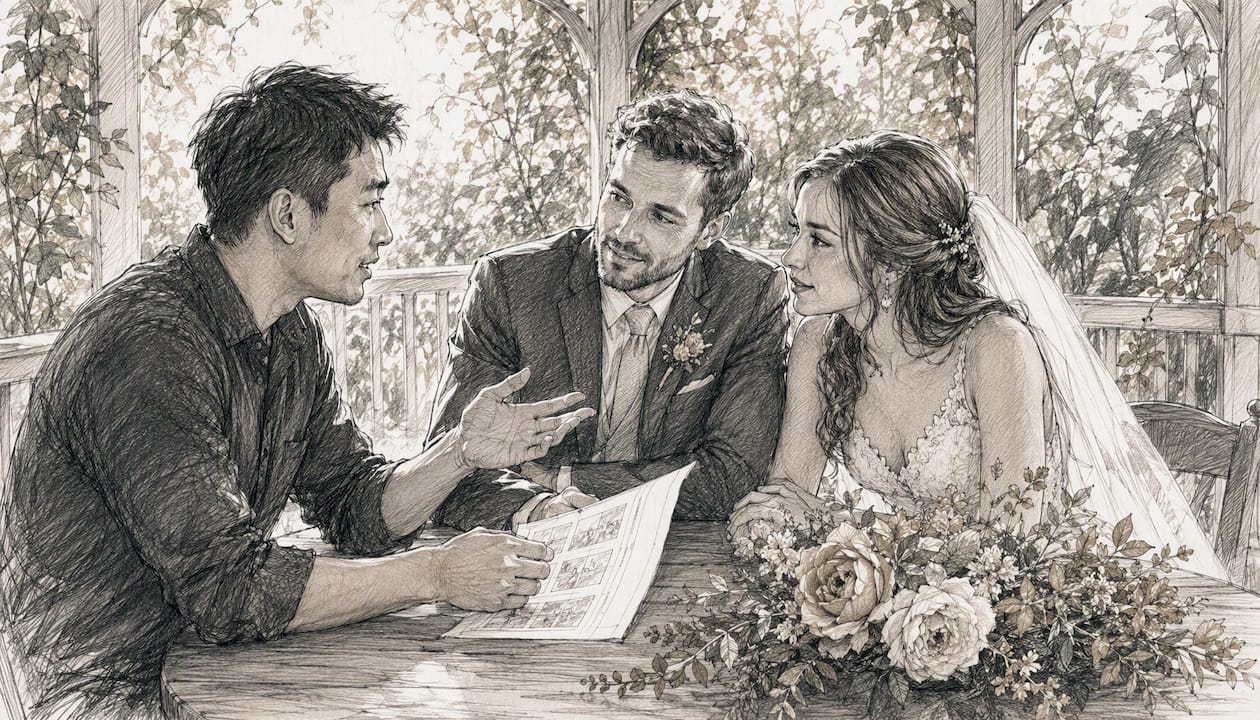
Ask your photographer directly how they balance posed and observational work. A hybrid style, where a few formal portraits sit alongside mostly unposed coverage, tends to produce galleries couples actually love years later. If a photographer's answer leans heavily toward orchestrating every shot, that's a signal candid moments will suffer. Trading five formal portrait minutes for five more minutes of open coverage during cocktail hour is usually a good trade. Building a simple must-have list before the big day keeps that conversation short and clear.
Small Prompts That Don't Feel Staged
A few low-effort prompts generate real reaction without ever feeling like direction. Try asking a couple to take 60 seconds alone right after the recessional, or have the best man say "tell them how you met" before he starts his toast. The rule: prompt the setup, never the emotion. Avoid asking anyone to "act natural," which almost always backfires.
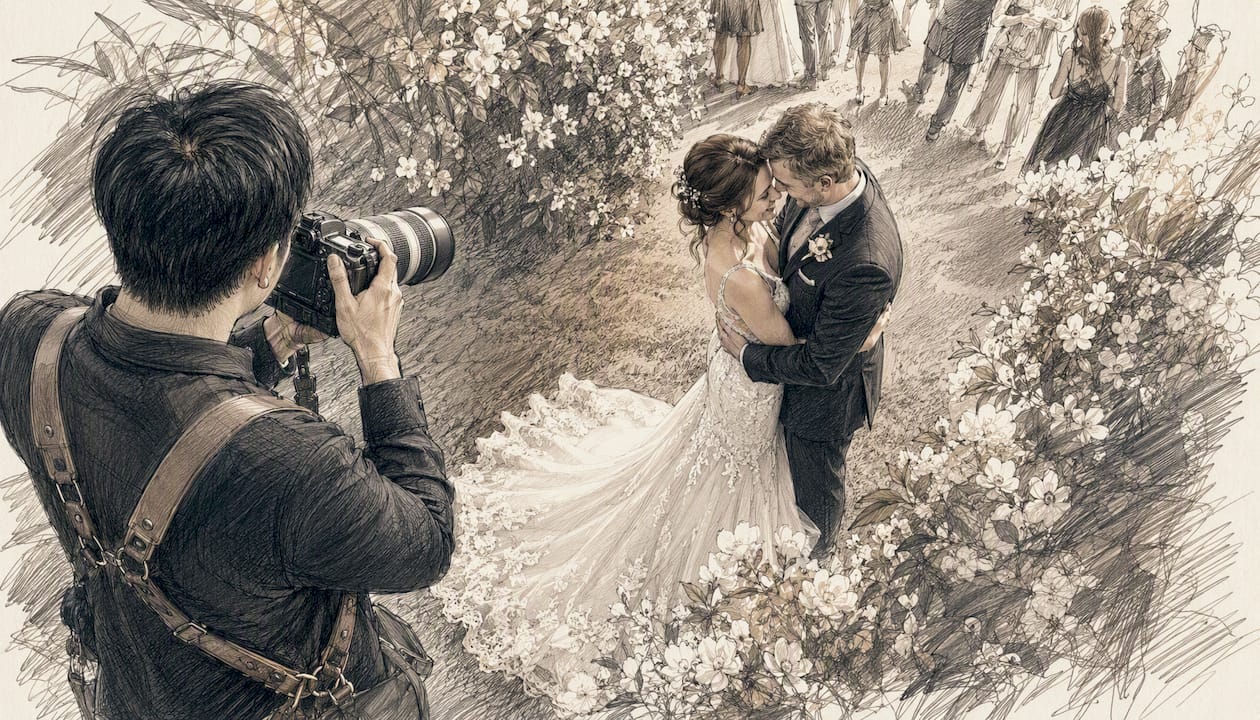
Pro Tip: Pair a prompt with positioning. If you ask the couple for a private moment, have your photographer already standing at a distance with a long lens before you say a word.
Why Candid Coverage Is the Whole Point
Every wedding I've studied and every photographer's account I've read points to the same truth: the moments couples replay years later are almost never the posed ones. They're the reaction nobody planned. That's the entire premise behind hybrid photo and video coverage that watches more than it directs, letting the day's real texture, including a slightly blurred hand or an off-center frame, stay in the final gallery because those imperfections carry the story. Shooting photo and video together under one unobtrusive approach means the emotional through-line doesn't get lost between two separate crews with two different instincts.
Let BGF Photography Capture Your Day As It Actually Happens
BGF Photography built its entire approach around staying out of the way. Couples across Buffalo, Rochester, and the Finger Lakes hire us specifically because we don't stage a wedding to look candid. We watch for it.
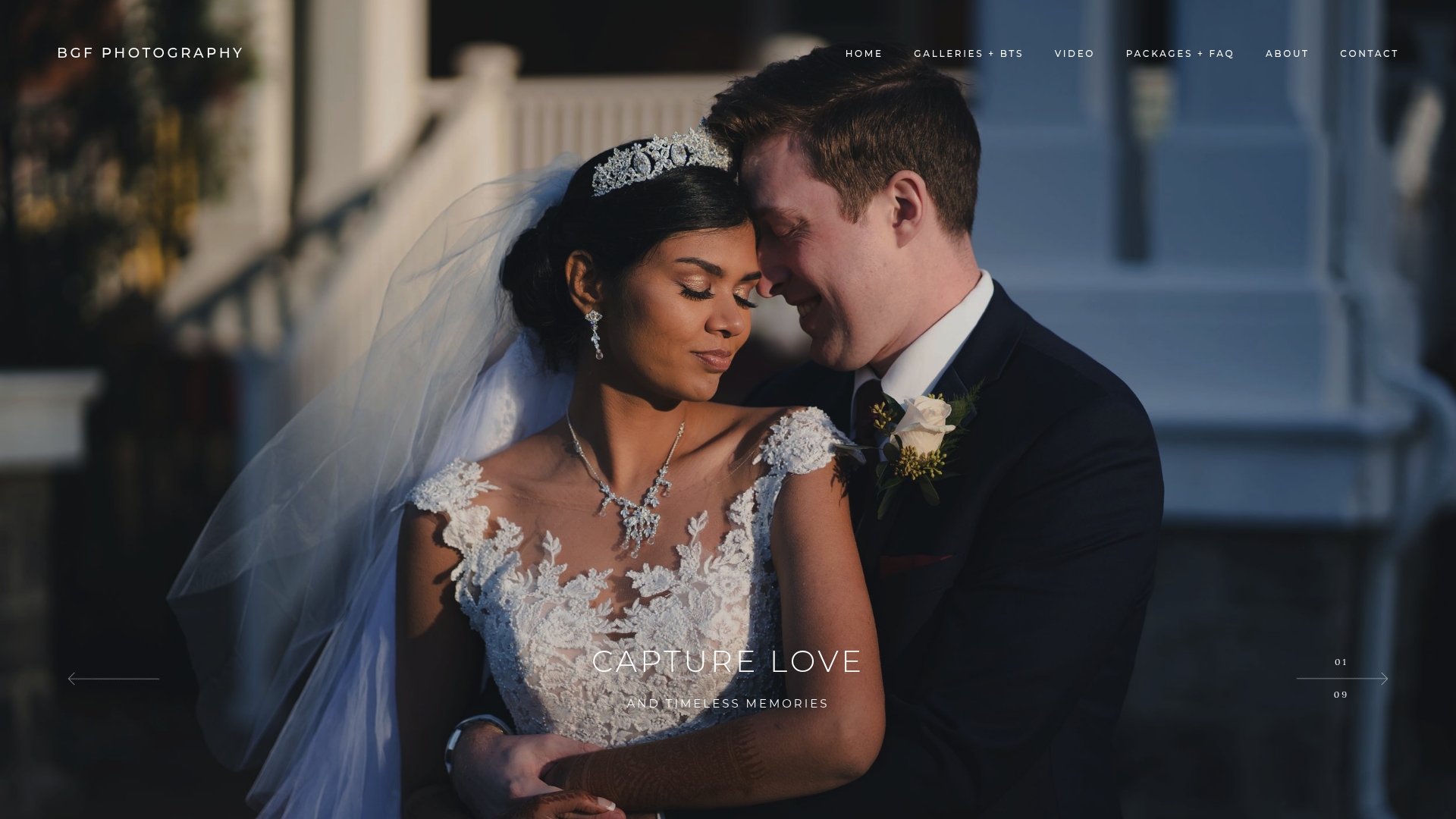
That means a hybrid photo and video team working from the same unobtrusive playbook, so your gallery and your film tell one consistent story instead of two competing ones. A few reasons couples choose this approach:
- Years of experience reading rooms and anticipating reactions before they happen, not chasing them after the fact.
- Hybrid photo and video coverage under one team, one vision, and one invoice.
- Optional film photography for a nostalgic layer alongside your digital gallery.
If you want a wedding day documented the way it actually felt, not the way it looked posed for an hour, check available dates and coverage details on our investment and packages page.
Sources
- How capture more meaningful candid wedding photos — Fstoppers
- 10 Favorite Wedding Moments From Real Brides — WeddingWire
FAQ
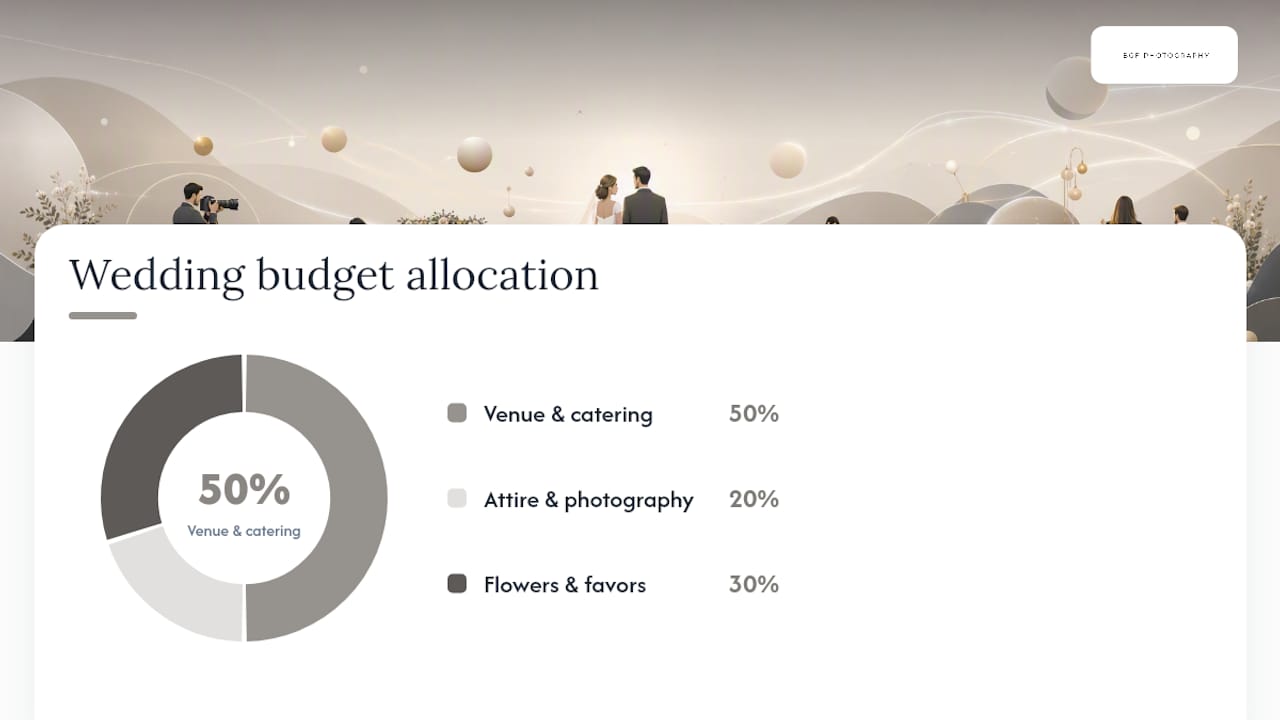
What is the 50/20/30 rule for weddings?
It's a budgeting guideline some planners use, generally allocating roughly half the budget to venue and catering, a smaller share to attire and photography, and the rest to extras like flowers and favors. Definitions vary by planner, so treat it as a starting framework rather than a fixed rule.
What are all the traditional wedding events?
The typical sequence runs engagement, bridal shower, bachelor and bachelorette parties, rehearsal dinner, ceremony, cocktail hour, reception, and send off. Each event carries its own candid opportunities, but the ceremony, speeches, and reception produce the bulk of authentic wedding moments couples remember.
What is the most memorable moment couples experience at a wedding?
Real brides most often cite the first look, ceremony reactions, and unscripted guest interactions as their most memorable moments. The common thread is surprise. None of these moments were rehearsed in advance.
What is the 30-5 minute rule for weddings?
It generally refers to giving the couple five private minutes after the ceremony and some protected time during the day, away from guests, to reset and be present with each other. Photographers use this window to capture some of the most genuine, unguarded shots of the day, since BGF Photography's approach leans on exactly this kind of unscripted quiet time.