

Rain won't ruin your wedding photos. It often makes them more cinematic. Clear umbrellas, backlit raindrops, and puddle reflections turn a soggy forecast into some of the most striking images from the entire day. BGF Photography has shot enough rainy Buffalo and Rochester weddings to know the difference between a photographer who panics and one who's ready.
TL;DR:
- Clear umbrellas and puddle reflections are the most reliable and striking rainy wedding photo ideas, especially when shot with a wide aperture and low angle.
- Weather protection like rain sleeves, microfiber cloths, and sealed backups are essential for maintaining camera gear in wet conditions, regardless of camera seal ratings.
- Backlighting rain with an off-camera light or flash enhances raindrop visibility and makes puddles and reflections more dramatic.
- Location scouting for covered spots and flexible scheduling enable quick outdoor shoots during brief rain breaks, minimizing weather-related delays.
- Couples who embrace rain with a positive attitude and relaxed posing produce more authentic, joyful photos, highlighting intimacy over perfection.
Table of Contents
- Rainy Wedding Day Photo Ideas That Actually Work
- What Camera Gear Protects Against Rain?
- How Do You Use Rain to Improve Lighting?
- Where Should You Shoot Wedding Photos in the Rain?
- Posing Ideas That Look Good in the Rain
- How Do You Keep the Couple Relaxed When It Rains?
- BGF Photography's Approach to Rainy Wedding Days
- Posing for Wet Clothing and Hair Without Losing the Flattering Look
- Editing Rain Photos to Enhance the Mood
- Staying Safe During a Rain Shoot
- Why Rainy Wedding Days Stay With Me
- Book a Photographer Who Isn't Afraid of a Forecast
- Sources
- FAQ
Rainy Wedding Day Photo Ideas That Actually Work
Every rainy wedding has a handful of shots that consistently outperform sunny-day standards. The trick is knowing which ones to ask for and why they work.
Rain photos succeed because they add texture and mood that a clear sky can't fake. Rain is traditionally considered to bring good luck on a wedding day, and the resulting images (mist, puddles, shared umbrellas) look moody and intimate in a way dry weddings rarely achieve. Here's the shot list worth requesting:
- Umbrella portraits. A close couple under one clear umbrella, foreheads touching, rain visible around the edges. Clear plastic domes let light wrap around faces instead of casting a dark shadow, which is why clear umbrellas are the tool most professional photographers reach for first. Shoot at a wide aperture (f/2.0 to f/2.8) so the background blurs into soft gray streaks.
- Puddle reflections. Find a flat puddle near the ceremony site and shoot low, almost at ground level, to capture the couple mirrored in the water. This works best right after a shower stops, when the surface is still and undisturbed.
- Doorway and porch frames. Position the couple in a covered entryway with the rain falling just outside the frame. The architecture acts as a natural border, and the dry foreground against wet background creates instant depth.
- Backlit night rain. After dark, place a light source (string lights, a sparkler, an assistant with a flash) behind the couple so raindrops catch the light and appear to glow. This is one of the most requested rainy-wedding looks because it transforms something ordinary into something that looks staged, even though it isn't.
- Candid guest moments under cover. Grandma laughing under a tent flap, kids stomping in rain boots, the wedding party huddled together laughing at the weather. These unscripted moments often become guests' favorite photos from the whole gallery.
Two ideas earn a repeat mention because they simply produce results more consistently than anything else on this list: clear umbrellas for portraits, and puddle reflections for a creative wide shot. If a couple asks for just one addition to their must-have list, those are it.
Execution matters as much as the idea. A 35mm or 50mm lens keeps the couple sharp while letting rain streaks blur naturally in the foreground and background. Shooting toward a light source, rather than with it behind the camera, is what makes droplets visible at all. Skip the flash for daytime umbrella shots (it flattens the mood) but use it deliberately for anything after sunset.

What Camera Gear Protects Against Rain?
You don't need a weather-sealed camera body to shoot a rainy wedding well, but you do need a plan for keeping equipment dry between shots.
Weather-sealed bodies (many professional-grade mirrorless and DSLR cameras carry some level of sealing) handle light rain and humidity without extra protection. But sealing varies by model and rarely covers a downpour, so most working photographers treat covers as mandatory rather than optional. Rain sleeves, microfiber cloths, and plastic bags for backup gear are standard kit items, not luxuries.
A practical rainy-day bag includes:
- Rain sleeves or dedicated camera covers for each body in use
- Microfiber cloths (at least four or five, since wet ones stop working fast)
- A couple of full-size towels for gear and for drying hands between shots
- Silica gel packets tucked into camera bags to fight condensation
- A backup body sealed in a waterproof bag, ready to swap in if the primary camera gets soaked
- Lens hoods on every lens, since they block a surprising amount of direct rain from hitting the glass
Pro Tip: Keep one microfiber cloth for the lens only and a separate one for your hands and body. Cross-contaminating a smudged, wet cloth onto glass creates streaks that show up in every frame until you clean it properly.
None of this requires the newest camera on the market. It requires discipline: check gear between every set, dry hands before touching lenses, and never assume a five-minute break in the rain means you can leave the cover off.
How Do You Use Rain to Improve Lighting?
Rain changes how light behaves, and photographers who understand that shift can turn a gray, flat day into something with real depth.
Backlighting is the single most useful technique for rainy-day photography. Placing a light source, whether off-camera flash or a porch light, behind the couple makes individual raindrops sparkle instead of disappearing into a gray blur. Here's how to set it up in practice:
- Position the light behind the subject, angled slightly downward so it catches falling rain without blowing out the couple's faces.
- Choose your shutter speed with intent. A fast shutter (1/500 or quicker) freezes individual drops as crisp streaks. A slower shutter (around 1/60) blurs the rain into soft vertical lines, which reads as more atmospheric and less literal.
- Shoot wide open (f/2.0 to f/2.8) to keep the couple sharp against a softly blurred rain curtain, using a clear umbrella to keep faces evenly lit without blocking the drops from view.
- Adjust white balance manually. Overcast light skews cool and can make skin look flat gray; warming the white balance by a few hundred Kelvin brings back natural tone.
- Consider a black-and-white conversion for the moodiest frames. High-contrast rain scenes, especially backlit ones, often look more dramatic without color pulling focus.
One detail surprises a lot of couples: overcast skies act like a giant diffuser, softening shadows across the whole scene, which is part of why rain photos often look more flattering in even light than a harsh midday sun ever does.
Where Should You Shoot Wedding Photos in the Rain?
The best rainy-day photos usually come from locations scouted before the wedding, not discovered in a scramble when the sky opens up.
Covered porches, stone archways, greenhouse-style venues, and window-lit hallways all double as backup portrait studios when the ceremony space floods. Scouting these covered areas ahead of the wedding day means the photographer already knows where the light falls best at a given hour, instead of testing angles while guests wait.

Timeline flexibility matters just as much as location. Build short outdoor portrait windows, often five to fifteen minutes, and be ready to move the moment a break in the rain appears. Some photographers call this the "30-5 minute" approach: plan the day so there's a 30-minute buffer somewhere in the schedule, but be ready to execute an entire outdoor portrait set in as little as five minutes when the weather cooperates. A flexible timeline built around short portrait windows beats a rigid schedule that assumes perfect weather.
Before the wedding day, ask the venue:
- How much notice do they need to move the ceremony or portraits indoors?
- What indoor spaces have good natural light for portraits (lobbies, staircases, sunrooms)?
- Are any covered exterior spots, like porticos or breezeways, accessible without a full venue change?
- Who makes the final call on moving locations, and how fast can that decision happen?
Venues that have hosted weddings through a full Buffalo or Rochester winter and spring usually have answers ready. The ones that don't are worth a follow-up call before booking.
Posing Ideas That Look Good in the Rain
Wet weather photos read best when the couple is close, moving, and reacting to each other rather than posing stiffly for the camera.
Tight, connected poses work better than wide, formal stances when rain is falling. A forehead-to-forehead moment under one umbrella, a cheek pressed close, hands laced together while sheltering side by side; these compositions naturally frame out empty background and keep the focus on the couple's faces.
Movement produces the most authentic reactions:
- Walking together, laughing, as rain hits the umbrella
- A slow dip or spin that shows motion in clothing and hair
- Jumping over (or into) a puddle on purpose
- A quick kiss shared while ducking under a shared umbrella
Staging emotion matters more than staging perfection here. A slightly messy, joyful moment beats a technically flawless pose where the couple looks tense about getting wet.
Hair and makeup hold up better than most couples expect, especially with quick touch-ups between sets. Keep a towel on hand for drying hands and dabbing faces, duck under cover between shots rather than lingering in open rain, and remember that a little dampness in the hair often reads as romantic rather than disheveled once it's captured in a photo.
How Do You Keep the Couple Relaxed When It Rains?
Attitude shapes the entire gallery. Couples who treat rain as an inconvenience tend to look stiff and distracted in photos; couples who lean into it produce images that feel genuinely joyful. A positive, flexible attitude tends to lead to more authentic, relaxed photos, and setting that tone starts well before the ceremony.
A few phrases that reset the mood fast:
- "This is going to make your photos completely unique. Nobody else's wedding will look like this."
- "We've got fifteen minutes of dry window coming. Let's move now and have fun with it."
- "Bring the umbrella in close. This is exactly the shot I want."
Coordinating with other vendors matters too: a quick check-in with the planner or coordinator about timeline shifts keeps everyone moving together instead of working against each other.
Pro Tip: Show couples a rainy-wedding gallery during the planning meeting, not just on the wedding day itself. Seeing real examples in advance removes the fear and lets couples walk into the day already excited about the possibilities.
BGF Photography's Approach to Rainy Wedding Days
BGF Photography built its style around candid, unobtrusive coverage, which happens to be exactly the mindset rainy weddings reward. Genuine reactions to weather (a laugh, a shared umbrella, a spontaneous dash indoors) are the moments that read as most authentic in a finished gallery, and they're the moments a documentary-style photographer is trained to catch without staging them.
Hybrid coverage means couples booking BGF Photography get photography and videography working from the same rainy-day plan, so the footage and the stills tell a consistent story instead of two disconnected versions of the day. The optional film photography add-on gives rainy scenes an extra layer of grain and warmth that pairs naturally with overcast light.
Real examples from past rainy wedding day galleries show how this plays out in practice, including specific setups couples have requested after seeing a similar shot online.
Posing for Wet Clothing and Hair Without Losing the Flattering Look
Wet fabric clings differently than dry fabric, and it's worth adjusting posing slightly to account for it. Structured pieces like suit jackets and fitted gowns tend to hold their shape fine in light rain, but flowing skirts and veils can go heavy and lose movement once soaked.
A few adjustments help: angle the body slightly rather than facing the camera head-on, since a straight-on stance shows clinging fabric more than a three-quarter turn does. Keep hands and arms slightly away from the torso instead of pressed flat against wet clothing. For veils, lift and toss them gently right before the shutter clicks rather than letting them hang limp; a veil in motion photographs far better wet than one sitting still.
Hair reads differently wet, too, but not necessarily worse. Loose curls tend to relax into soft waves rather than frizz, which often looks more natural on camera than an overly perfect blowout. Tucking hair behind the ear or gathering it slightly to one side keeps rain drips from streaking straight down the face in every frame. A quick towel pass and a hand mirror between locations lets the couple check themselves and feel confident, which matters more for the final images than any single hair adjustment.
The goal isn't to hide the fact that it rained. Slightly damp hair and a fabric cling here or there is part of what makes these photos feel real instead of staged in a studio.
Editing Rain Photos to Enhance the Mood
Post-processing rain photos calls for a different approach than a standard sunny-day edit. The instinct to correct for the gray, flat light of an overcast sky can accidentally strip out the mood that made the shot worth taking in the first place.
Boosting contrast, converting select frames to black and white, and protecting skin tone warmth are the three moves that consistently improve rainy-day images in editing. Overcast light already flattens color saturation somewhat, so pushing contrast back in gives the image the depth that a raw file often lacks straight out of the camera.
Black and white conversions work especially well on backlit rain shots, where the sparkle of individual drops and the graphic quality of streaks matter more than color information. Color edits, meanwhile, should lean warm rather than cool. It's tempting to correct overcast blue tones toward a neutral gray, but pushing warmth back into skin tones keeps couples looking healthy and glowing instead of washed out.
One more adjustment worth making: sharpen selectively around the couple's faces and hands while leaving background rain slightly softer. That contrast in sharpness draws the eye exactly where it should go, and it mimics how the human eye actually perceives a rainy scene in person.
Staying Safe During a Rain Shoot
Rain shoots carry real risks that go beyond ruined shoes, and a good photographer plans around them rather than pretending they don't exist.
Wet stone, tile, and grass turn slippery fast, especially around water features, docks, or uneven pathways couples might not think twice about on a dry day. Scouting locations in advance means identifying which spots to avoid entirely once rain starts, not just which ones look pretty in good weather.

Lightning changes the calculation completely. Any hint of thunder means moving everyone indoors immediately, full stop, regardless of how good the shot might have been. No portrait is worth the risk, and a photographer who hesitates on this point isn't doing their job.
Electrical gear deserves the same caution as people. Off-camera flashes, wireless triggers, and battery packs should stay under cover between uses, and cables should never sit in standing water. A quick equipment check between every set catches problems before they become expensive ones.
Communicating these boundaries to the couple and wedding party ahead of time, rather than announcing them mid-shoot, keeps everyone calm and cooperative when a location genuinely needs to be skipped for safety.
Why Rainy Wedding Days Stay With Me
Some of the most memorable weddings I've been part of came with a forecast everyone dreaded. One couple spent their morning convinced the day was ruined, then spent their evening looking through a gallery full of umbrella kisses and puddle jumps, unable to stop smiling. That shift, from dread to delight, is what keeps me showing up early with extra towels and a clear umbrella in the trunk.
Rain doesn't take anything away from a wedding. It adds a mood no sunny afternoon can fake. If you're worried about your forecast, look through a real rainy-wedding gallery before you assume the worst.
— Billy
Book a Photographer Who Isn't Afraid of a Forecast
A rainy forecast shouldn't mean settling for a photographer who treats bad weather as a problem to survive. BGF Photography treats it as part of the creative brief, showing up with weatherproof gear, a scouted backup plan, and the hybrid photo-video coverage to document every umbrella kiss and puddle jump without missing a beat.
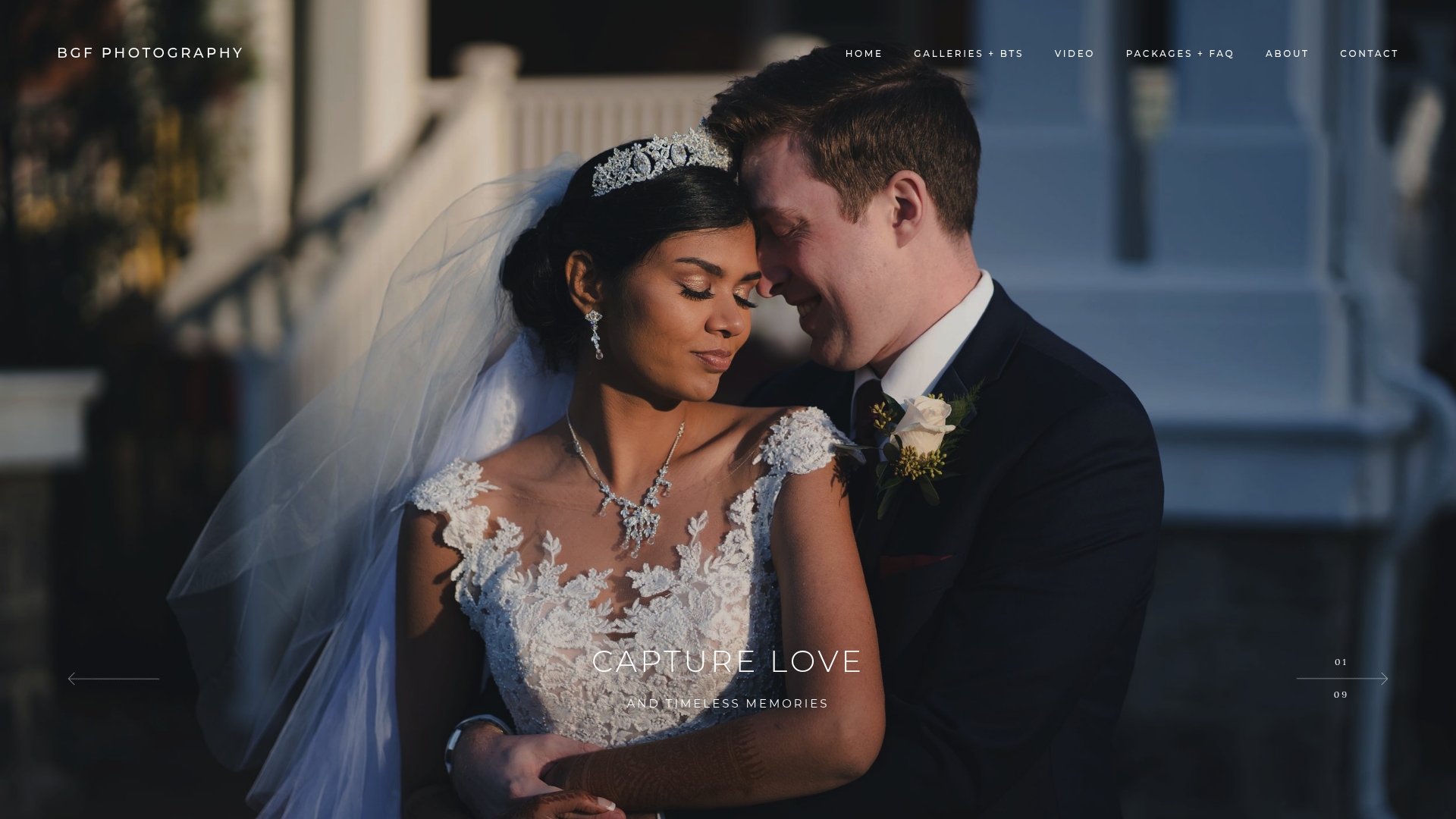
Couples across Buffalo, Rochester, and the Finger Lakes region can book candid coverage that includes optional film photography for a warmer, nostalgic feel, plus full-day documentation that pairs stills and video under one cohesive style. If a rainy date has you nervous, that's exactly the kind of wedding BGF Photography plans for best. Whether the day calls for a full outdoor timeline or a fast, five-minute portrait window between showers, the same flexible approach applies rain or shine.
Also worth a look for date-night inspiration between now and the wedding: this roundup of rainy day date ideas offers a few playful ways to make the weather work in your favor long before the big day arrives.
Check available dates and package details on the Packages + FAQ page to start planning coverage that works no matter what the sky decides to do.
Sources
- What To Do If It Rains On Your Wedding Day — The Knot
- 8 rainy day wedding photography tips you need to know — SLR Lounge
- Wedding photos in the rain — Aftershoot
FAQ
What Should You Do If It Rains on Your Wedding Day?
Lean into it rather than fight it: scout a covered backup location, keep a clear umbrella on hand for portraits, and build short flexible windows into the timeline so you can step outside the moment a break in the rain appears.
Where Should You Take Wedding Photos If It's Raining?
Covered porches, stone archways, greenhouse venues, and window-lit interiors all work well as backup portrait spots, and scouting them before the wedding day means the photographer already knows where the light falls best.
What Is the 30-5 Minute Rule for Weddings?
It's the idea of building a roughly 30-minute buffer into the timeline while staying ready to shoot a full outdoor portrait set in as little as five minutes whenever the rain briefly lets up.
Is Rain on Your Wedding Day Actually a Good Thing?
Many cultures treat rain on a wedding day as a symbol of good luck, and practically speaking, it produces moody, intimate images through puddles, mist, and shared umbrellas that a sunny day simply can't replicate.
Does BGF Photography Have Experience Shooting Weddings in the Rain?
Yes. BGF Photography's candid, hybrid photo-and-video approach is built around capturing genuine reactions to whatever the day brings, including real rainy-wedding galleries showing the umbrella portraits, reflections, and backlit rain shots couples ask for most.