

For a small wedding, prioritize candid emotion and a short, prioritized shot list over chasing dozens of formal setups. A guest list under 50 gives your photographer closer access to real moments, and photography stays a fixed cost regardless of headcount, so it deserves protection in your budget. A candid, hybrid approach is one working model for how that priority plays out on the day.
TL;DR:
- For small weddings, prioritize candid moments and a short shot list over formal setups, with a guest count under 50 to enhance intimacy and access.
- Focus on key moments like vows, a quick couple portrait session after the ceremony, and a few small-group shots to maximize limited time.
- Build a wedding day timeline using the 30-5 rule, allocating at least 20-30 minutes for ceremony coverage and 20 minutes for couple portraits, with additional time for small groups and details.
- Budget for small wedding photography typically ranges from $1,500 to $5,000, representing 10 to 12 percent of total wedding costs, with options to save by trimming hours or booking off-season.
- When choosing a photographer, ask about their experience with small weddings, inclusions like film, and request a brief shot list to ensure coverage of essential moments without surprises.
Table of Contents
- Small Wedding Photography Ideas Organized by Moment
- Must-Have Shot Checklist for Small Weddings
- How to Build a Photography-Friendly Timeline
- What Does Small Wedding Photography Cost?
- Choosing and Briefing a Photographer for an Intimate Wedding
- How BGF Photography Approaches Small Weddings
- Book Small Wedding Photography With BGF Photography
- Sources
- FAQ
Small Wedding Photography Ideas Organized by Moment
Micro weddings reward photographers who can move fast and read a room, not ones running through a checklist of forty formal poses. Smaller guest counts give photographers more room to catch candid interactions that get lost in the chaos of a 200-person reception. Here's a moment-by-moment catalog to pull ideas from.
Getting ready
- Hands adjusting a boutonniere or clasping a necklace, shot close with a 50mm or 85mm lens in window light.
- A quiet reaction shot when the dress or suit goes on, captured from the doorway rather than posed.
- Shared laughter between the couple and the one or two people helping them get ready.
Intimate portraits and first look
- A first look in open shade, 20 minutes before the ceremony, to bank calm portraits before nerves take over.
- Forehead-to-forehead moments shot from a slightly low angle to isolate the couple against sky or foliage.
- A walking-away shot down a path or aisle, taken from behind to capture scale and setting.
Ceremony micro-moments
- The officiant's hands during vows, a detail most couples forget to ask for.
- A wide shot showing the entire small guest circle reacting at once, useful when there are only 15 to 30 chairs to work with.
- The ring exchange from a slight side angle to avoid blocking the couple's faces.
Small-group portraits
- Extended family clusters of four to eight people, shot quickly since smaller groups rarely need more than two takes.
- A single frame with every guest at once, easy to pull off only when the group is small enough to fit.
Candid guest interactions
- Toasts and reactions caught mid-laugh, not posed afterward.
- Guests helping with décor or food, which often becomes the most requested image months later.
Detail shots
- Rings on a textured surface (wood grain, stone, fabric) using natural light.
- Invitations, place cards, and any handwritten notes, since intimate weddings tend to have more personal paper details worth documenting.
Reception dance and reactions
- First dance shot from a low angle with off-camera flash if the room runs dark.
- Genuine dance floor chaos rather than a posed "everyone dance now" moment.
Night and adventure portraits
- A sparkler exit or string-light portrait after sunset, if venue rules allow it.
- A short walk to a nearby overlook or quiet corner for two or three romantic frames once the formal schedule winds down.
Apply the 20-60-20 composition heuristic loosely: spend roughly 20 percent of shooting time on posed portraits, 60 percent on candid coverage, and 20 percent on details and environment. It's a guiding instinct, not a stopwatch rule, and it explains why candid coverage should dominate your shot list rather than sit as an afterthought.
Pro Tip: Ask your photographer to shoot the officiant's hands and the guest reaction wide shot during the ceremony itself. Both are easy to miss and nearly impossible to recreate afterward.

Must-Have Shot Checklist for Small Weddings
When coverage hours are tight, order matters. Brief your photographer with this sequence so nothing critical gets skipped.
- Ceremony key moments: vows, first kiss, aisle exit.
- Couple portraits, ideally right after the ceremony while light and energy are both good.
- Family and small-group photos, capped at two or three configurations.
- Candid guest interactions during cocktail hour.
- Detail shots: rings, invitations, bouquet.
- Cake cutting or dessert moment.
- Night or adventure portrait, if time and light allow.
If hours run short, cut group photo configurations first. They're the easiest to trim without losing the emotional core of the day.
| Shot Category | Minimum Time Needed | Skip If Short On Time |
|---|---|---|
| Ceremony coverage | 20 to 30 minutes | Never skip |
| Couple portraits | 20 minutes | Trim to 10, don't skip |
| Family groups | 10 to 15 minutes | Reduce to one combined shot |
| Candid guest moments | Ongoing, no dedicated block | Never skip |
| Detail shots | 10 minutes | Combine with getting-ready time |
| Cake/dessert moment | 5 minutes | Skip if no cake cutting planned |
For a bare-bones 90-minute minimal coverage package, plan for 30 minutes of ceremony and vow coverage, 20 minutes of couple portraits immediately after, 15 minutes for one combined family shot, and the remaining 25 minutes for candid reception moments and details. That sequence, built around what experienced photographers call the "must-get" list, protects the images couples regret losing most.
How to Build a Photography-Friendly Timeline
The 30-5 rule breaks the day into 30-minute blocks with 5-minute buffers between them. Those buffers matter more at micro weddings than large ones, since a smaller schedule has fewer built-in cushions when one photo block runs long.
A 4 to 6 hour timeline might look like: 1 hour getting ready, 30 minutes ceremony, 30 minutes couple portraits, 30 minutes family photos, 1 to 2 hours reception, with 5-minute buffers between each block.
A 6 to 8 hour timeline adds room for a first look, a longer cocktail hour, and a dedicated golden-hour portrait session before dinner.
- Build in travel buffers if you're moving between getting-ready location, ceremony, and reception.
- Tell your photographer about any weather-dependent backup plans before the day, not the morning of.
- Confirm who's coordinating timing on-site (planner, venue staff, or a designated family member).
Reviewing a full wedding photography timeline template before finalizing your schedule catches gaps most couples miss on their first pass.
What Does Small Wedding Photography Cost?
Small-wedding photography commonly runs $1,500 to $5,000, with hours booked, photographer experience, travel distance, and add ons like film scans or a second shooter driving the range.
Photography typically eats up 10 to 12 percent of total wedding spend, with average photography budgets landing around $3,500 to $4,400 across all wedding sizes. Because photography is a fixed cost, it doesn't shrink proportionally when your guest count drops, so it often takes up a bigger slice of a small-wedding budget than it would at a 150-guest event.

Planning to the median wedding cost rather than the national average gives a more realistic picture for intimate celebrations, since medians for smaller weddings often fall well below the headline averages you'll see quoted elsewhere.
Ways to stretch the budget toward better photography:
- Book a weekday or off-season date, since non-Saturday dates often come with lower vendor fees.
- Trim coverage to the hours that matter most instead of a full 10-hour day.
- Consider an emerging photographer building a portfolio.
- Ask about digital-only packages if prints and albums aren't a priority right now.
Choosing and Briefing a Photographer for an Intimate Wedding
Ask these questions before signing anything:
- How many hours of coverage are included, and what happens if we run over?
- What's included in the final deliverables (digital gallery, prints, albums, raw files)?
- Do you carry backup equipment and liability insurance?
- Can I see a full gallery from a small or micro wedding you've shot before?
- What's your editing style, and can you show a range of examples?
- Do you offer film photography, and how does that affect turnaround time?
- What's your typical turnaround for previews and final galleries?
- Do you offer hybrid photo and video packages?
Red flags worth walking away from: no small-wedding samples in their portfolio, vague language about deliverables, or no written contract. Trust indicators run the other direction: real client testimonials, a track record of hybrid packages, and actual film samples rather than stock-style marketing photos.
Pro Tip: Send a one-paragraph shot brief the week before: "Please prioritize the ceremony, a 20-minute couple portrait session right after, one combined family photo, and candid reception coverage. Skip extra posed groups unless time allows." That single message solves most day-of miscommunication.
How BGF Photography Approaches Small Weddings
Coverage is built around an unobtrusive, candid style rather than a heavily directed one, which suits micro weddings where guests notice a photographer working the room. Couples can add film photography for a nostalgic look alongside standard digital delivery, and hybrid packages pair photo and video under one consistent style instead of two vendors working from different visions.
One recurring pattern from small-wedding coverage: couples who send a short shot brief ahead of time, similar to the candid wedding photos must-have list, consistently report fewer surprises in their final gallery. Another common takeaway is that couples who booked hybrid photo and video appreciated having one team, one editing style, and one point of contact instead of coordinating two separate vendors.
When reaching out, mention your date, guest count, and whether you're drawn to a documentary feel or something closer to traditional styles with a candid twist. That context helps shape a proposal that fits your day instead of a generic package.
— Billy
Book Small Wedding Photography With BGF Photography
Couples looking for a hybrid photo and video team get one cohesive style covering the whole day instead of piecing together separate photographers and videographers with mismatched aesthetics. That's the practical edge of a single hybrid team: one team, one contract, one consistent look across your final gallery and film.
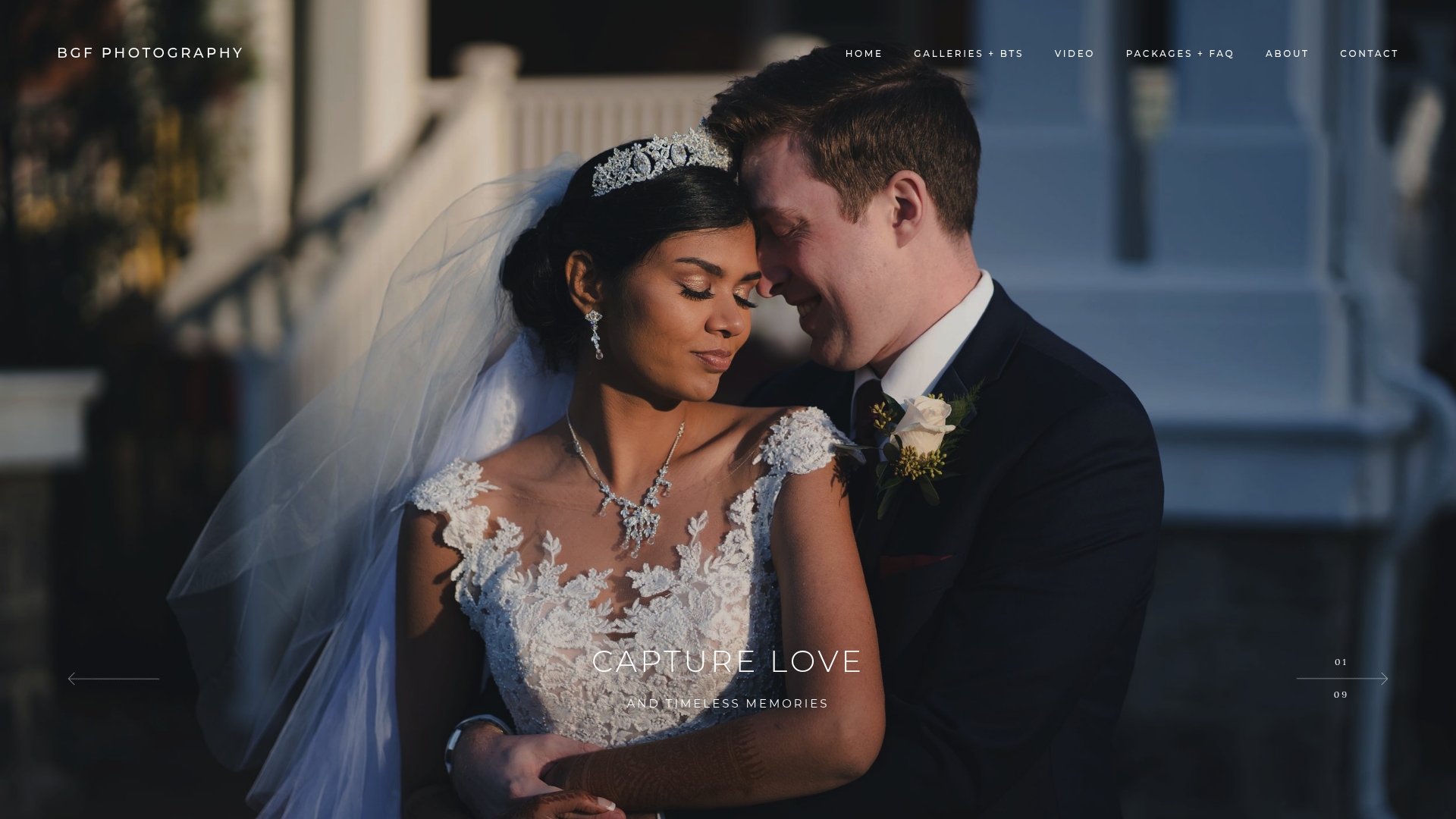
BGF Photography covers full-day events with a candid, unobtrusive approach, optional film photography for a nostalgic layer, and drone coverage where venues allow it. Pricing and package details, including what's included at each tier, are laid out on the Packages + FAQ page. If you're ready to check availability, reach out with your wedding date, guest count, and whether you lean toward documentary storytelling or a more traditional look with candid moments woven through. That's enough for a real conversation about what your day needs.
Sources
- Average Wedding Cost in 2026: Full Breakdown by Category, Region & Guest Count - Bespoke-Bride
- How Much Does a Small Wedding Cost? 2026 Budget Breakdown, Real Examples, and Ways to Save
- The 30-5 rule for weddings explained and how it keeps your wedding day on schedule - Luna's Banquet Hall
- What's the average cost of a wedding - Zola expert advice
FAQ
What is the 30-5 rule for weddings?
It's a scheduling method that breaks the day into 30-minute blocks with 5-minute buffers between them, giving photographers room to capture both planned shots and spontaneous moments without the whole day falling behind.
What is the 20-60-20 rule in photography?
It's a composition and workflow guideline suggesting roughly 20 percent posed portraits, 60 percent candid coverage, and 20 percent detail and environment shots, used as an instinct rather than a strict formula.
What is a realistic budget for a small wedding?
Median budgets for smaller weddings commonly fall between $10,000 and $20,000, well under the higher national averages often quoted for weddings of all sizes.
What is a realistic budget for a wedding photographer?
Small-wedding photography typically ranges from $1,500 to $5,000, with photography overall averaging 10 to 12 percent of total wedding spend depending on hours, experience, and add ons like film or a second shooter.