

To get veil toss photos that read cinematic, freeze the fabric with a fast shutter and burst mode while guiding motion with an assistant or a light veil. Two things to try right now:
- Set your shutter speed to at least 1/500s and switch to continuous burst before the couple is even in position.
- Recruit a bridesmaid, mother, or planner to practice one or two tosses so the arc looks intentional, not accidental.
More detail on shutter ranges, fabric choice, and posing follows below.
Key Takeaways
Freezing a veil toss cleanly comes down to shutter speed, burst mode, and a well-rehearsed toss, not luck or an expensive lens.
| Point | Details |
|---|---|
| Set shutter speed first | Shoot at 1/500s minimum, up to 1/1000s in wind, to freeze veil edges sharply. |
| Use burst mode | Shoot 5 to 10 frames per second so you capture the veil at peak extension. |
| Choose fabric deliberately | Tulle floats longer than heavy beading; organza holds shape best for structured shots. |
| Rehearse the toss | Run two or three practice throws with an assistant leading the veil upward. |
| Plan for no wind | Use a fan, repeated tosses, or a drop pose when natural wind isn't available. |
| Consider hybrid coverage | BGF Photography pairs stills with video and offers film for couples who want a softer, nostalgic look. |
Table of Contents
- Camera Settings for Freezing Veil Motion
- How Veil Fabric and Length Change the Shot
- Posing and Toss Technique for a Clean Arc
- What to Do When There's No Wind or Bad Light
- Creative Setups Worth Trying
- Real Veil Toss Frames From BGF Photography Shoots
- Veil Toss Photos: What Actually Matters and What Doesn't
- Book BGF Photography for Your Veil Toss and Full Wedding Coverage
- Sources
- FAQ
Camera Settings for Freezing Veil Motion
Veil toss photos live or die on shutter speed. A veil moving through the air at a wedding can hit surprising velocity, and anything slower than 1/500s tends to blur the delicate edges that make these shots work. SLR Lounge recommends shooting at 1/500s or higher, pushing toward 1/1000s when there's real wind or a more aggressive toss.
Here's a workable settings sequence for a golden hour veil toss:
- Shutter speed: 1/500s minimum, 1/1000s in windy or fast-toss conditions.
- Use continuous burst mode to capture multiple frames quickly, increasing the chance to capture the veil at its most elegant. The same SLR Lounge guidance notes that a higher burst rate improves your odds of catching the veil at its most elegant extension, since the fabric only holds its best shape for a fraction of a second.
- Autofocus: AF-C (continuous tracking), with the focal point locked on the couple's faces or eye cluster rather than the veil itself.
- Lens and aperture: a 70-200mm lens compresses the background nicely for a swoop shot, while an 85mm prime isolates the couple for tighter, more intimate framing. Shoot between f/2.8 and f/5.6 depending on how much veil texture you want in focus.
- ISO: keep it as low as the light allows, usually 100 to 400 at golden hour. Raise it only when shade or overcast skies force your hand, since veil detail gets muddy fast at high ISO.
Pro Tip: Pre-focus on the couple before calling for the toss. Chasing focus during a one-second window is how you lose the shot entirely.
How Veil Fabric and Length Change the Shot
Not every veil photographs the same way, and choosing the right one matters as much as your camera settings. Tara Bridal's breakdown of veil materials points out that tulle produces an airy, almost weightless diffusion that catches light beautifully, while organza holds a more sculptural shape as it moves, giving you crisper lines in the frame. Lace adds texture but can look busy in a fast-motion shot. Heavy beading looks stunning standing still but falls fast once tossed, cutting your usable window down significantly.
Length changes your composition options:
- Fingertip veils toss quickly and suit tight, playful shots with less background.
- Chapel-length veils give you a fuller arc, good for medium wide shots that include some environment.
- Cathedral veils create the most dramatic sweep and work best from an elevated angle or wider lens.
Before any toss, have your assistant detangle the veil fully and grip it loosely near the comb so it releases clean. Skip heavy embellishments near the edges if you're planning multiple tosses. On film, tulle tends to render with a softer glow than it does digitally, while organza's structure holds up in either format.
Posing and Toss Technique for a Clean Arc
The choreography behind a great veil toss photo is almost more important than the camera settings. Someone other than the photographer needs to physically throw the veil, and where that person stands changes everything about the shape you get.
- Position the assistant slightly behind and to one side of the couple, out of frame but close enough to control the fabric's direction.
- Teach the "lead the veil" technique: the assistant's back hand starts higher than the front hand, then sweeps forward and up so the veil travels toward the couple rather than away from them. Rangefinder's roundup of wedding photographers calls this the single biggest difference between a flat toss and one that reads as intentional motion.
- Time the release with a genuine reaction, a laugh, a turn toward each other, or the start of a kiss, so the expression underneath the veil isn't stiff or posed.
- Run two or three practice tosses before the one you actually want. Photographers who rehearse the throw report noticeably more usable frames and a calmer bride once the real moment comes.
Pro Tip: Ask the assistant to toss slightly higher than feels natural. Gravity does the rest, and a higher arc gives you more frames before the veil starts falling.
What to Do When There's No Wind or Bad Light
A dependable workflow keeps you from fumbling settings while a wedding party waits. Set exposure and AF-C first, confirm burst mode is active, run your practice tosses, shoot the real sequence, then immediately chimp the back of the camera to check sharpness before moving on.
Wind is your best friend and least reliable one. If there's a natural breeze, use it. If not, an assistant toss recreates the same effect, and you can repeat it as many times as needed until you get the shape you want. On uneven ground or grass, remind the bride about footing, heels and a fast pivot don't mix well.

No wind, no assistant available? A handheld fan works in a pinch, or you can pose the veil mid-fall by having someone drop it from shoulder height instead of throwing it outward.

Backlit veil shots blow out easily since the fabric is nearly translucent. Watch your histogram for clipped highlights, and if the veil looks like a white blur with no detail, dial back exposure a third of a stop or add a reflector to fill the shadow side of the face. SLR Lounge's shutter guidance applies here too. Faster shutter speeds paired with careful metering solve most exposure headaches on backlit veil shots.

Creative Setups Worth Trying
A handful of reproducible setups cover most of what couples ask for:
- The swoop: frame the couple centered with the veil arching behind them like a wing. A 70-200mm lens at a distance compresses the scene nicely.
- Backlit halo: shoot directly into golden hour light so the veil glows from within. Meter for the couple's skin and let the background go slightly warm and soft, an effect our natural light bridal portrait guide covers in more depth.
- Mosquito net portrait: drape the veil over both partners for a close, intimate frame. Works well indoors when outdoor wind isn't available.
- Cathedral sweep: shoot from slightly elevated ground with a longer veil so the fabric trails dramatically. Watch for cluttered backgrounds like parking lots or guest chairs creeping into frame.
- Editorial sculpt: an organza veil paired with directional flash or a strong side light source creates sharp, almost architectural folds, a favorite for couples wanting a more fashion-forward gallery.
Real Veil Toss Frames From BGF Photography Shoots
On one recent Finger Lakes wedding, we shot a cathedral veil toss at 1/1000s and f/4 with a 70-200mm lens, positioning the maid of honor off to the side to lead the veil upward into a stiff lake breeze. The couple's laugh mid-toss ended up being the frame the couple printed for their entryway.
The stillness before the toss, then that one second where the veil catches the light and everyone forgets the camera is even there, that's the frame we're always chasing.
A few notes from behind the lens:
- Hybrid coverage lets a videographer capture the same toss in motion while stills freeze its peak, giving couples both a photo and a clip of the same second.
- Film photography tends to render veil movement with softer grain and warmer tone, which some couples prefer for the emotional weight of the shot. Browse more candid bridal portrait examples for a sense of that texture in practice.
Veil Toss Photos: What Actually Matters and What Doesn't
Most advice on veil toss photos overweights gear and underweights choreography. You can own a 400mm lens and still miss the shot if nobody rehearsed the toss. The technical settings matter, absolutely get your shutter speed and burst rate right, but the single biggest failure point I see in mediocre veil toss photos is a first-time toss with no direction given to whoever's throwing it.

The conventional wisdom treats wind as essential. It isn't. A well-coached assistant produces a more consistent arc than an unpredictable gust ever will, which is why practiced photographers lean on that "lead the veil" wrist motion rather than praying for weather.
If you're planning your own wedding photos, prioritize communication over equipment. Tell your photographer what mood you want, editorial and structured, or loose and candid, before the day arrives. That single conversation does more for your final gallery than any lens upgrade. The couples who get the frames they actually love are the ones who rehearsed the toss and talked through the look beforehand, not the ones who hoped it would just happen.
— Billy
Book BGF Photography for Your Veil Toss and Full Wedding Coverage
BGF Photography brings the exact technique covered here, fast shutter speeds, burst timing, and rehearsed choreography, into every wedding across Buffalo, Rochester, and the Finger Lakes. What sets this coverage apart isn't just the veil toss shot itself, it's the hybrid model: a single team handling both photography and videography so your veil toss exists as a still frame and a moving clip, shot in the same natural, unobtrusive style throughout your day.
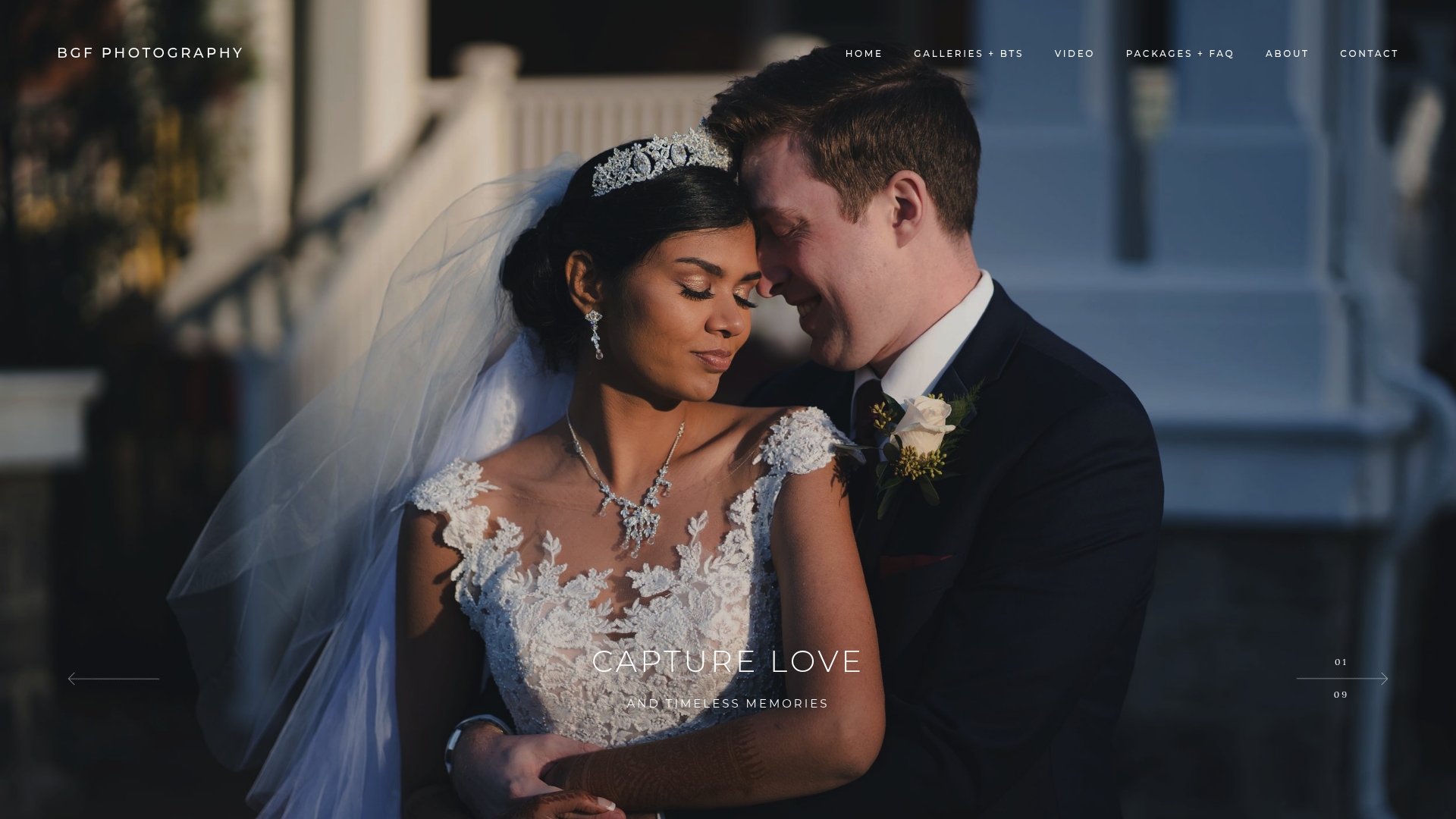
Couples who want that nostalgic, textured look can also add film photography to their package, an option most digital-only studios simply don't offer. If you're planning a wedding and want a photographer who already knows how to choreograph this shot instead of improvising it, check available dates and coverage options on the BGF Photography packages page.
Sources
- Bride veil photography | SLR Lounge
- Wedding Day Veil Toss Photo Tips from 30 Rising Stars | Rangefinder
- Wedding veil photography tips: How to capture | Tara Bridal
FAQ
Who Tosses the Veil in Veil Toss Photos?
Typically a bridesmaid, the maid of honor, the mother of the bride, or a wedding planner tosses the veil, since the bride's hands are usually occupied and someone off to the side gets a cleaner arc.
What Type of Veil Makes the Best Photos?
Tulle and organza tend to photograph best for tossing since tulle floats longer and diffuses light softly, while organza holds a more sculptural shape as it moves; heavy beading falls too fast for extended motion shots.
Do Brides Still Wear a Veil Over Their Face?
Fewer brides wear a full blusher over the face at the altar today, but many still use one briefly during the ceremony for the moment it's lifted, which photographs as a distinct, emotional beat separate from the toss.
What Camera Settings Work Best for Veil Toss Shots?
Start at 1/500s or faster with continuous burst at 5 to 10 frames per second and AF-C tracking locked on the couple's faces, adjusting shutter speed upward if there's wind or a fast toss.
Are There New Veil Trends Worth Photographing in 2026?
Sculptural organza veils and longer cathedral lengths are showing up more often, giving photographers more dramatic shapes to work with during a toss, alongside continued demand for softer, film-style rendering of veil movement.