
Finger Lakes wedding videography is the practice of producing wedding films at local venues — vineyards, lakeshores, state parks, and converted barns — using industry-standard styles like cinematic, documentary, storytelling, and traditional, then delivering edited films that reflect both the couple's personality and the region's distinctive light and scenery. If you're planning a wedding in the Finger Lakes and wondering what to expect from a local videographer, here's the short version:
- Styles available: cinematic, documentary, storytelling, traditional, highlights/teasers, vintage/Super 8, and short-form social content
- Common deliverables: a highlight reel, full-length feature film, ceremony edit, social teasers, and sometimes raw footage
- Regional logistics to plan for: seasonal light, venue permits, drone restrictions at state parks, and vendor coordination with your photographer
Key Takeaways
Finger Lakes wedding videography works best when couples choose a style that fits their venue and personality, book early, and vet local pros on full films rather than highlight reels alone.
| Point | Details |
|---|---|
| Choose style by venue and personality | Cinematic suits dramatic Finger Lakes scenery; documentary suits couples who want authenticity over polish. |
| Know your deliverables | Highlight reels run 5–8 minutes; full-day edits run 45–90 minutes; confirm all run times in writing. |
| Plan for regional logistics | State park venues may require permits; drone rules vary; book fall dates 12–18 months out. |
| Vet on full films | Always watch a complete ceremony edit or documentary film, not just a highlight reel, before booking. |
| BGF Photography | Offers hybrid photo and video coverage across the Finger Lakes with a single cohesive style and candid approach. |
Table of Contents
- What Finger Lakes wedding videographers typically offer
- The main videography styles and which one fits your wedding
- How pricing and packages usually work
- What your videographer does on the wedding day
- How Finger Lakes venues and seasons affect your videography
- How to choose a Finger Lakes wedding videographer
- What couples in the Finger Lakes actually care about
- BGF Photography covers the Finger Lakes with hybrid photo and video
- Sources
- FAQ
What Finger Lakes wedding videographers typically offer
Most local videographers structure their services around coverage hours and a defined set of deliverables. A standard package covers the ceremony and reception, while premium tiers add a second shooter, drone footage, or a full-day edit that runs from getting-ready through the last dance.
Common services you'll see offered:
- Ceremony-only coverage (3–5 hours): ideal for intimate weddings or couples on a tighter budget
- Full-day coverage (8–12 hours): captures getting-ready, portraits, ceremony, cocktail hour, and reception
- Second shooter: adds a second camera angle, especially useful in larger venues or multi-location days
- Drone/aerial footage: cinematic overhead shots of vineyards, lakeshores, and estate grounds
- Social teasers: short clips optimized for Instagram or TikTok, typically delivered faster than the main film
Standard deliverables vary by package, but most Finger Lakes videographers include some combination of the following. Typical run times for each output give you a useful benchmark when comparing quotes:
| Deliverable | Typical Run Time | What It Covers |
|---|---|---|
| Teaser / social clip | 30–90 seconds | A quick emotional highlight for sharing |
| Highlight reel | 5–8 minutes | Best moments, music-driven, shareable |
| Ceremony edit | 20–45 minutes | Full ceremony with natural audio |
| Full-day edit | 45–90 minutes | Complete coverage from start to finish |
| Documentary film | 1–3 hours | Chronological, audio-rich storytelling |
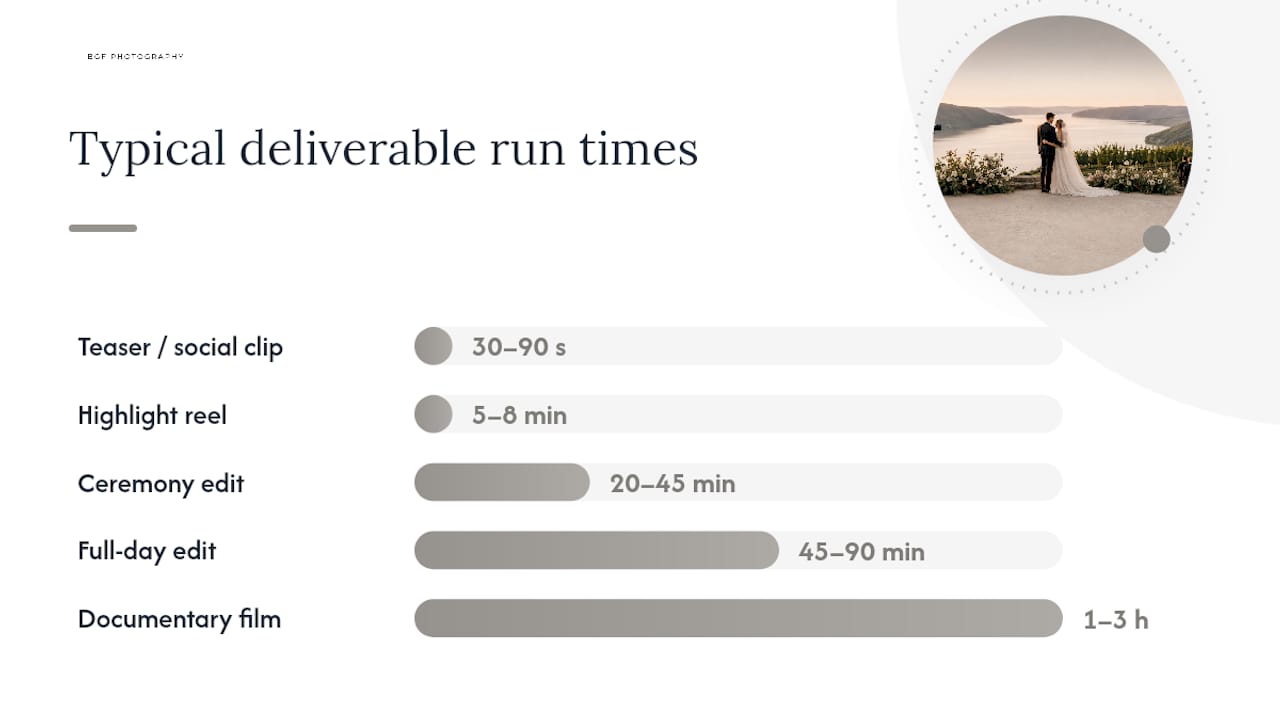
Pro Tip: Ask your videographer to list every deliverable in the contract with its run time, format, and delivery date. "A highlight film" means something different to every studio — get the specifics in writing before you sign.
The main videography styles and which one fits your wedding
Wedding videography styles typically include documentary, cinematic, storytelling, traditional, and vintage/hybrid options, each with distinct shooting and editing signatures. Choosing between them isn't just an aesthetic preference — it affects how your day is scheduled, how your videographer moves through the venue, and what the finished film actually feels like to watch.
Cinematic
Cinematic films prioritize movie-like camera movement, deliberate color grading, and music-driven editing. Cinematic films favor polished visuals and emotional pacing over a strict chronological record. This style works best at visually dramatic venues — a vineyard at golden hour, a lakeshore ceremony, or a grand estate — and suits couples who want a film that feels produced rather than recorded. It needs pockets of calm in the timeline so the videographer can capture intentional shots.
Documentary
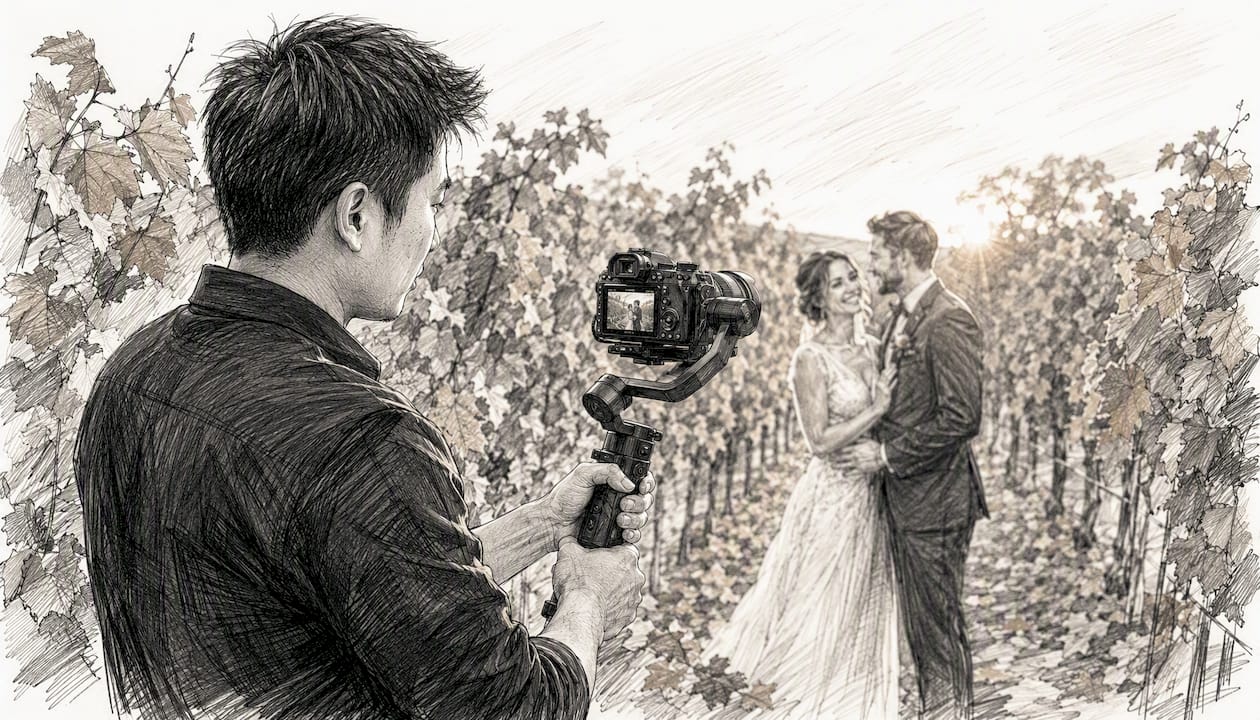
Documentary-style coverage is candid, chronological, and built around natural audio: real vows, real laughter, real toasts. The editing is longer and less music-heavy than cinematic work. Documentary suits couples who prioritize authenticity and want to relive the day as it actually unfolded, not a polished version of it. It's a strong choice for couples with a lot of meaningful speeches or a tight-knit group whose natural interactions tell the story.
Storytelling
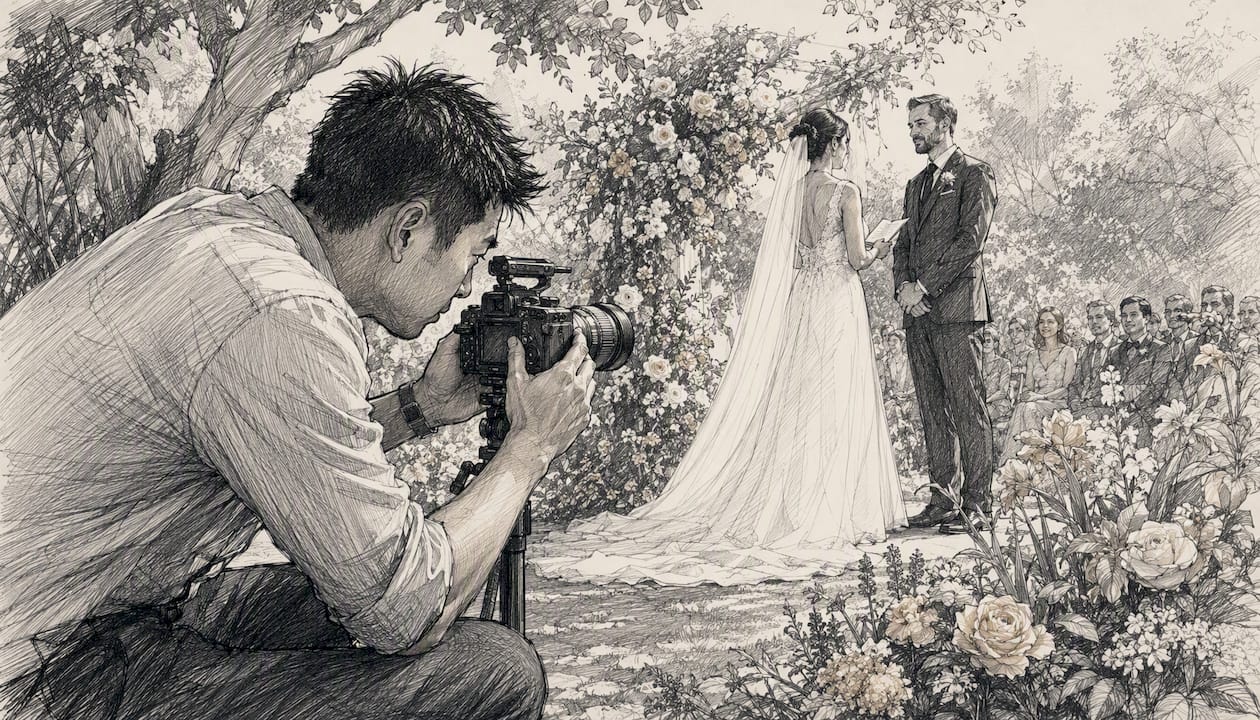
Storytelling blends cinematic production with documentary honesty. The videographer weaves together interview-style audio, candid moments, and intentional shots into a narrative arc. It's the most personal of the styles and works well at intimate Finger Lakes barn or vineyard weddings where the setting and the people are equally central to the story.
Traditional
Traditional videography is a straightforward, wide-angle record of the day: ceremony from start to finish, speeches in full, first dance complete. Less editing-intensive, often more affordable, and a solid choice for couples who want a complete record over a polished film.
Highlights / teasers
Short-form teasers are the most-shared outputs and often drive package design. A 60–90 second teaser drops within days of the wedding and captures the emotional peak of the day in a format built for social sharing. Most packages include a teaser alongside a longer highlight reel.
Vintage / Super 8
Super 8 or 16mm film adds a warm, grainy, nostalgic texture that digital cameras can't replicate. It's typically shot as a short add-on reel rather than full coverage and pairs well with film photography for a cohesive aesthetic. See how film versus digital choices affect the overall look of your wedding media.
Short-form / hype edits
Fast-cut, beat-synced edits built for Reels or TikTok. Some couples request these as an add-on for the reception or first dance. They're fun, but they're not a substitute for a full film.
How pricing and packages usually work
Wedding video pricing in the Finger Lakes follows the same broad structure as the national market: flat-rate packages with defined deliverables, sometimes with hourly add-ons or à la carte upgrades. What you pay depends on several variables that compound quickly.
Primary cost drivers:
- Coverage hours: an 8-hour day costs more than a 4-hour ceremony-only booking
- Crew size: a second shooter adds meaningful cost but also adds angles and coverage depth
- Drone operations: aerial footage requires licensed operators and adds to both day-of and post-production time
- Editing complexity: a documentary-length film with natural audio mixing takes significantly longer to edit than a 5-minute highlight reel
- Travel and permits: venues more than an hour from the videographer's base, or state park locations requiring commercial permits, can add fees
- Peak season: June through October books fast in the Finger Lakes; peak-season pricing often reflects demand
For a realistic sense of scale, package price drivers include coverage hours, number of shooters, on-site editing needs, drone operations, travel, and post-production complexity. Entry-level packages from newer local videographers tend to start in the $1,500–$2,500 range nationally, while experienced full-service studios with drone, second shooter, and a full-day edit commonly run $3,500–$6,000 or more. These are general signals, not quotes — your actual cost depends on your date, venue, and package.
Before signing, confirm these contract items:
- Total coverage hours and overtime rate
- Number of shooters included
- Drone included or add-on cost
- Exact deliverables with run times and formats
- Delivery timeline for each output
- Raw footage policy (included, available for purchase, or not offered)
- Music licensing terms for your films
What your videographer does on the wedding day
Understanding the day-of workflow helps you build a realistic timeline and avoid the most common coverage gaps.
- Arrival and setup: Most videographers arrive 30–60 minutes before getting-ready coverage begins to scout the space, test audio, and set up any stationary cameras.
- Getting-ready coverage: B-roll of details (dress, rings, florals) and candid moments with the wedding party.
- Ceremony setup: Lapel microphones on the officiant and sometimes the couple; camera placement scouted for sight lines and lighting.
- Ceremony capture: Primary camera on the couple, secondary angle on guests and reactions, audio from the lapel mic and a room mic.
- Portrait session: Videographers often capture short clips during portrait time for use in the highlight reel — coordinate this with your photographer so both can work without blocking each other.
- Cocktail hour and reception: Candid coverage of guests, speeches, first dance, and toasts; drone ops (if included) typically happen during cocktail hour when outdoor light is still good.
- Wrap and debrief: Most videographers confirm any missed shots or special requests before leaving.
Logistics to plan ahead of time:
- Share your full vendor list so your videographer can coordinate with your photographer, planner, and DJ
- Schedule golden hour portraits — the Finger Lakes light in late afternoon is worth protecting in your timeline
- Confirm noise levels with your venue; outdoor ceremonies near water can create audio challenges
- Ask your videographer about backup gear for audio and camera systems
Pro Tip: Ceremony audio is the single most common failure point in wedding films. Ask your videographer specifically how they capture vows — a lapel mic on the officiant and a backup room mic is the minimum you want confirmed before the day.
How Finger Lakes venues and seasons affect your videography
The Finger Lakes region has a specific set of conditions that shape every videography decision, from camera placement to permit paperwork.
Venue types and their quirks:
- Vineyards: Beautiful natural light and open skies, but often windy — outdoor audio capture needs directional microphones and windscreens. Drone footage here is spectacular.
- Lakeshores: Reflective water creates gorgeous backlight but can fool camera exposure; experienced videographers meter for it. Sound from boats or wind can bleed into ceremony audio.
- State parks: Dramatic scenery, but state park venues may require permits and have specific drone restrictions. Check the park's official page early — some parks prohibit commercial filming without advance approval, and drone rules vary by location.
- Converted barns: Low-light interiors require fast lenses and sometimes supplemental lighting. Ask your videographer what low-light gear they carry.
Seasonal considerations:
- Fall (September–October): Peak foliage season produces extraordinary color for outdoor footage, but it's also the most competitive booking window. Reserve your videographer at least 12 months out.
- Summer (June–August): Long golden hours and reliable weather, but heat can affect outdoor battery life and drone performance.
- Shoulder season (April–May, November): Softer light, fewer crowds, and sometimes lower pricing — but weather is unpredictable and backup plans matter more.
Pro Tip: When reviewing a local videographer's portfolio, look specifically for footage shot at your venue type — not just beautiful films in general. A videographer who has shot at a vineyard or lakeshore venue before will already know where to place cameras, how to handle the audio, and when golden hour hits that specific location.
How to choose a Finger Lakes wedding videographer
A practical vetting process saves you from the most common booking mistakes.
- Watch full films, not just highlight reels. A highlight reel shows a videographer's best 90 seconds. A full ceremony edit or documentary film shows how they handle audio, pacing, and the less-glamorous moments.
- Confirm their experience with your venue type. Ask specifically whether they've shot at vineyards, lakeshores, or barns — Finger Lakes conditions are specific enough that experience matters.
- Check delivery timelines. Highlight reels commonly arrive in 4–8 weeks; full feature films or documentary edits can take 8–16 weeks or longer. Get these in writing.
- Ask about crew and backup gear. A solo videographer at a multi-location wedding is a coverage risk. Know who's on your team and what happens if a camera fails.
- Read the contract carefully. Confirm deliverables, overtime rates, raw footage policy, and what happens if the videographer is unable to attend.
Questions worth asking every candidate — a solid vetting checklist covers budget, logistics, deliverables, crew size, drone use, audio capture, editing process, and delivery timeline:
- What style do you shoot most often, and can I see a full film in that style?
- How do you capture ceremony audio, and what's your backup plan?
- Do you include drone footage, and are you licensed to fly at my venue?
- How many weddings do you shoot per weekend?
- Who owns the raw footage, and can I purchase it?
- What's your policy if you're sick or have an emergency on my wedding day?
Red flags to watch for:
- No full-length film samples available to watch
- Vague answers about audio capture or crew size
- Deliverables listed without run times or formats
- No written contract or a contract that doesn't specify overtime rates
- Evasive answers about whether they've shot at your venue type
For hybrid photo/video coverage, ask whether your photographer and videographer have worked together before — a coordinated team produces more cohesive results than two vendors meeting for the first time on your wedding day. For a full list of questions tailored to local vendors, the 2026 videographer question guide is worth bookmarking.
Booking timeline: For peak-season Finger Lakes weddings (June through October), book your videographer 12–18 months in advance. Shoulder-season dates have more flexibility, but experienced local videographers fill up fast regardless of month.
What couples in the Finger Lakes actually care about
Most couples who contact me for Finger Lakes coverage aren't primarily asking about camera specs or editing software. They want to know two things: will the film feel like us, and will you know what to do at our venue?
The style conversation matters, but it's secondary to trust. Couples who've done their research arrive knowing the difference between cinematic and documentary, but what they're really evaluating is whether the videographer has been to a vineyard in October, knows how to mic a ceremony near water, and will coordinate with their photographer without being asked twice. Those are the questions that separate a good experience from a stressful one.
The Finger Lakes has a specific visual identity — the light in September over Seneca Lake is unlike anything you'll find at an urban ballroom — and the best local films lean into that rather than treating the region as a generic backdrop. When you watch a portfolio and the footage could have been shot anywhere, that's a signal worth paying attention to.
BGF Photography covers the Finger Lakes with hybrid photo and video
BGF Photography brings candid, unobtrusive hybrid photo and video coverage to Finger Lakes weddings, capturing genuine moments across vineyards, lakeshores, and barn venues with a single cohesive style. Instead of hiring a photographer and videographer separately and hoping their aesthetics align, you get both under one vision — consistent color, consistent tone, and a team that already knows how to work together on your day.
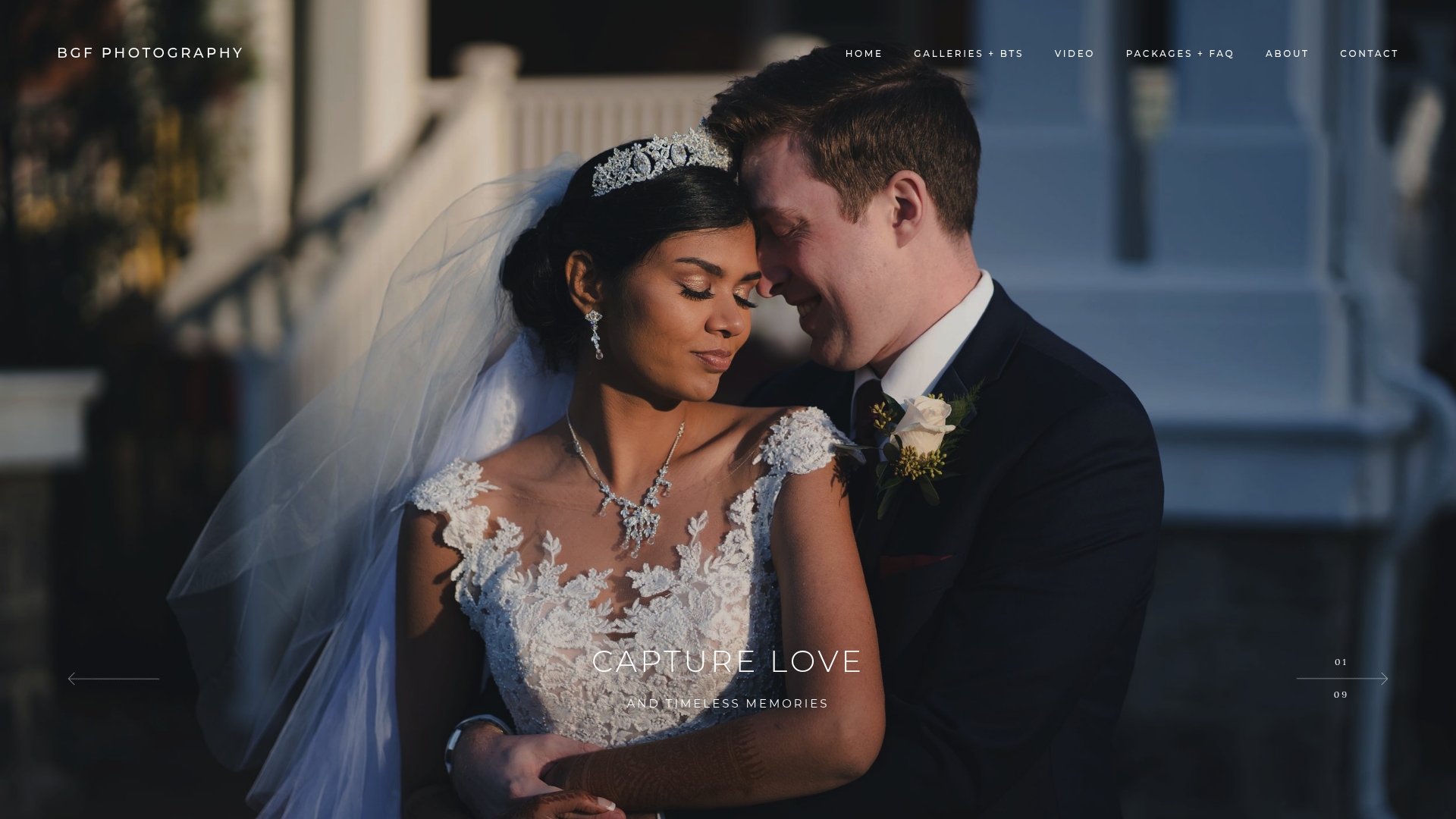
BGF Photography's approach is built around natural light, real emotion, and zero posing pressure — the kind of coverage that produces a highlight reel you'll actually want to watch again. Drone coverage, film photography add-ons, and second-shooter options are available depending on your venue and timeline. To see current packages and check availability for your date, visit the BGF Photography investment page or reach out directly at Bgf.
Sources
- Wedding Videography Styles: A Complete Guide
- A Guide to Wedding Video Styles, Straight from Videographers
- Wedding Videography Styles Explained: How to Find Your Perfect Match | THE WED
- Wedding Video: The Complete Guide for Couples and Videographers (2026) — OurStoria Blog
- Robert H. Treman State Park — NYS Parks
FAQ
How much should I expect to pay for a wedding videographer?
Entry-level packages from newer videographers typically start around $1,500–$2,500 nationally, while experienced full-service studios with drone, second shooter, and a full-day edit commonly run $3,500–$6,000 or more. Your final cost depends on coverage hours, crew size, and package complexity.
What is the difference between cinematic and documentary wedding videography?
Cinematic films use movie-like camera movement, color grading, and music-driven editing for a polished, emotional result. Documentary films prioritize candid, chronological coverage with natural audio and minimal music, capturing the day as it actually unfolded.
How far in advance should I book a Finger Lakes wedding videographer?
For peak-season dates (June through October), book 12–18 months in advance. Experienced local videographers fill their calendars quickly, especially during fall foliage season in September and October.
What deliverables should my wedding video package include?
A solid package typically includes a teaser (30–90 seconds), a highlight reel (5–8 minutes), and either a ceremony edit (20–45 minutes) or a full-day edit (45–90 minutes). Confirm every deliverable's run time, format, and delivery date in your contract before signing.
What makes the Finger Lakes a unique setting for wedding films?
The Finger Lakes offers vineyards, lakeshores, state parks, and converted barns — each with distinct lighting, audio, and permit considerations. Fall foliage from September through October produces some of the most visually striking footage in the region, which is why experienced local videographers plan golden-hour shots specifically around each venue's orientation.