
TL;DR:
- Hybrid wedding photography, combining film and digital, is now the industry standard because it captures both emotional depth and reliable coverage. Film provides warm tones and a nostalgic feel for intimate moments, while digital ensures sharpness and fast delivery for fast-paced scenes. Choosing the right format depends on your wedding’s lighting, pace, and your budget, but the quality of the photographer is more important than the medium.
Film vs digital wedding photography refers to two distinct methods of capturing images that differ in aesthetic, workflow, and cost. Film produces organic grain, warm tones, and a timeless softness rooted in chemical processes. Digital delivers sharpness, high ISO performance, and fast turnaround. Neither format is objectively better. The real question is which combination of qualities best fits your wedding day. Hybrid photography, which uses both film and digital together, has become the industry standard for high-end wedding coverage in 2026 because it draws on the strengths of each medium.
1. What are the aesthetic differences between film and digital wedding photography?
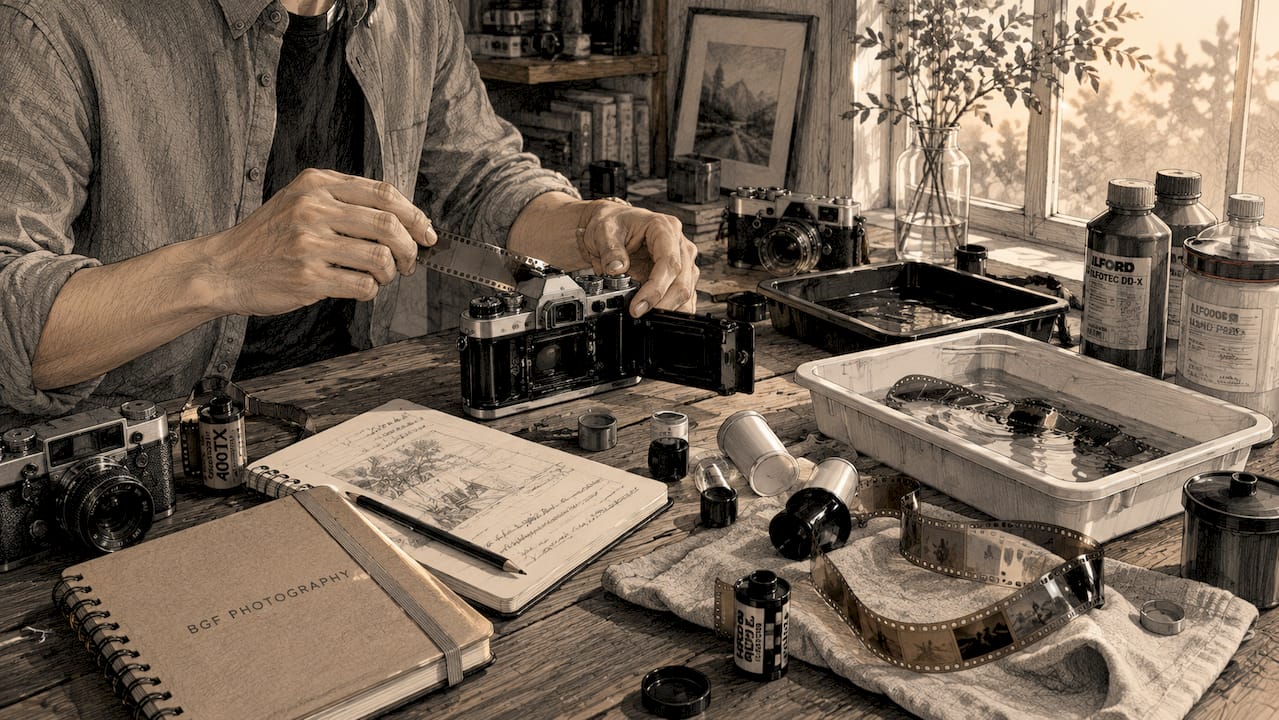
Film's visual character comes from chemistry, not software. Silver halide crystals respond to light in a way that creates organic grain, gentle highlight rolloff, and warm, slightly muted tones. That quality gives film images a tactile, almost nostalgic feel that many couples associate with timeless wedding portraits. Film's timeless quality stems from chemistry rather than software, which is why skilled digital editing can approach but rarely fully replicate it.
Digital sensors produce sharp, clean images with consistent color rendering across an entire gallery. The clarity is immediate and precise. Skin tones are accurate, backgrounds are detailed, and the overall look feels modern and crisp. For couples who want a contemporary editorial style, digital delivers that result reliably.
The mood each format creates suits different moments. Film works beautifully for golden-hour portraits, quiet getting-ready scenes, and first looks where soft light and emotional intimacy are the priority. Digital excels during fast-moving ceremonies, receptions with dim lighting, and any moment where you need consistent exposure without flash disruption.
Pro Tip: Ask your photographer to show you a full, unedited gallery from a recent wedding shot on film. Curated highlights hide inconsistencies. A full gallery shows you exactly what you will receive.
One important distinction: some photographers market film-inspired digital work using color grading presets. Verify actual analog film usage before signing a contract, because the cost and aesthetic trade-offs differ significantly from true film photography.
- Film produces organic grain, warm tones, and soft highlight rolloff
- Digital delivers sharpness, accurate color, and consistent exposure
- Film suits intimate, slow moments; digital suits fast-moving, low-light scenes
- Color grading and editing can mimic film on screen but not the physical medium's nuances
- Hybrid galleries combine both aesthetics for emotional range across the full day
2. How do film and digital workflows differ during and after the wedding?
Film demands a slower, more deliberate shooting style. Each 35mm roll holds 36 exposures, which means a photographer cannot spray and pray. Every frame requires a considered decision about composition, light, and timing. That constraint produces a different kind of attention on the day. It also means film photographers typically shoot fewer total images, which affects how much coverage you receive.
Digital removes that constraint entirely. A photographer can capture thousands of frames across a wedding day with instant feedback on each shot. If a moment is missed, the next frame is free. That speed and volume suits ceremonies, receptions, and any unpredictable sequence of events where coverage matters more than deliberation.
The post-wedding workflow differs just as sharply. Film must be sent to a lab for processing and scanning, which adds weeks to your delivery timeline. Digital images can be culled and edited within days of the wedding. If you want a fast preview gallery or a quick social media share, digital is the only format that delivers it.
Risk profiles also differ. Film is physically fragile and vulnerable to X-ray damage at airport security, temperature shifts, and color shifting over time. Digital workflows use card redundancy and immediate backup systems to protect images. A professional photographer shooting digitally will typically write images to two cards simultaneously during the wedding.
A practical hybrid workflow looks like this:
- Film for getting-ready portraits and golden-hour couples sessions
- Digital for the ceremony, where fast autofocus and silent shooting matter
- Digital for the reception, where low light and movement demand high ISO performance
- Film for any quiet, intimate moment where the photographer has time to compose deliberately
- Digital for family formals, where consistent exposure across many frames is critical
Statistic callout: 35mm film rolls contain 36 frames. That limit forces intentional composition and directly shapes how a film photographer moves through your wedding day.
3. What are the cost differences between film and digital wedding photography?
Film photography costs more. Film materials and processing add $1,800–$6,400 to a wedding photography budget compared to a digital-only workflow. That range reflects the number of rolls shot, lab processing fees, and scanning costs. A photographer shooting 15–25 rolls at a single wedding absorbs roughly $450 in film materials alone before any editing begins.
That cost gets passed to you. Film wedding photography packages typically run 30–50% higher than equivalent digital packages. The premium reflects physical materials, lab work, longer turnaround times, and the added risk the photographer carries by shooting on a medium that cannot be instantly reviewed.
| Format | Typical package range | Delivery timeline | Key cost drivers |
|---|---|---|---|
| Digital only | Lower baseline | Days to weeks | Equipment, editing time |
| Film only | 30–50% higher | Weeks to months | Materials, lab, scanning |
| Hybrid | Mid to upper range | Weeks | Both sets of costs, balanced |
Digital workflows lower ongoing material costs significantly. The initial equipment investment is similar across formats, but a digital photographer does not pay per frame. That efficiency shows up in pricing and in the ability to offer larger galleries without additional cost.
Pro Tip: When comparing packages, ask for a line-item breakdown of what drives the price. A film photographer should be able to tell you exactly how many rolls they plan to shoot and what lab they use. That transparency protects you from surprise costs.
The types of wedding photography packages available in 2026 vary widely. Some photographers bundle film and digital coverage into a single hybrid package at a flat rate. Others charge separately for film rolls used. Knowing which model your photographer uses before you book prevents budget surprises.
4. Why is hybrid wedding photography the modern best practice?
Hybrid photography is the industry standard for high-end wedding coverage in 2026. The format pairing is not a trend. It is a tactical decision based on what each medium does best. Film captures the reflective, emotional quality of quiet moments. Digital captures the energy and speed of fast-moving ones. Together, they produce a gallery with genuine emotional range.
"Tactical deployment of film and digital enhances storytelling by leveraging each format's strengths." The best wedding galleries are not defined by format loyalty. They are defined by the right tool applied to the right moment.
The false dichotomy between film and digital has largely disappeared among experienced photographers. Choosing medium based on technical need rather than fashion produces better results for couples. A photographer who insists on shooting an entire wedding on film alone, including a dark reception hall, is prioritizing aesthetic identity over your coverage.
Hybrid coverage also protects you. If a roll of film is damaged in processing, the digital images from the same day remain intact. That redundancy matters on a day you cannot repeat.
- Film for golden-hour portraits and intimate getting-ready moments
- Digital for ceremonies, especially in churches or venues with mixed lighting
- Digital for receptions with dim ambient light and fast movement
- Film for any slow, composed moment where the photographer controls the environment
- Hybrid galleries show emotional layering that neither format achieves alone
BGF Photography builds its coverage around this hybrid approach. Film adds a nostalgic, tactile quality to portraits while digital ensures complete, reliable coverage of every key moment across the day.
5. How to decide what wedding photography style and format fits your day
The right format depends on your specific wedding, not on what is trending. Start with four practical questions before you talk to any photographer.
What is the pace of your day? A tightly scheduled wedding with back-to-back events suits digital. A relaxed, intimate gathering with long portrait windows suits film or a hybrid approach.
What are your lighting conditions? Outdoor weddings with natural light are ideal for film. Indoor receptions with dim ambient lighting require digital's high ISO performance at ISO 3200 and above to avoid disruptive flash.
What aesthetic do you want? If you want warm, soft, slightly imperfect images that feel like they belong in a different era, film delivers that authentically. If you want sharp, clean, modern images with accurate color, digital is the right choice. If you want both across different moments of the day, hybrid is the answer.
What is your budget? Film adds real cost. If your photography budget is fixed, a digital-only package from a skilled photographer will serve you better than a stretched film package from a less experienced one.
- Review full, unedited galleries rather than curated portfolio highlights
- Ask photographers which moments they shoot on film versus digital and why
- Confirm whether the photographer actually uses analog film or digital presets
- Match photography style to your couple before choosing a format
- Explore wedding photography styles to understand how documentary, fine art, and traditional approaches connect to medium choice
Couples should review full galleries to assess photographer consistency over format alone. A technically skilled photographer shooting digital will outperform an inexperienced one shooting film every time. Format is a tool. Skill is the foundation.
The 2026 wedding photography trends show couples increasingly asking for hybrid coverage as a default expectation rather than a premium add-on. That shift reflects a broader understanding that format choice is a craft decision, not a lifestyle statement.
Pro Tip: When reviewing a photographer's portfolio, look for consistency in exposure, composition, and emotional connection across an entire wedding day. Those qualities matter more than whether the images were shot on film or a digital sensor.
For a deeper look at how photography styles match different couples, reviewing a style guide before your first photographer consultation gives you the vocabulary to ask the right questions.
Key takeaways
The most effective approach to wedding photography in 2026 is a hybrid method that deploys film for emotional depth and digital for reliable, complete coverage across every moment of the day.
| Point | Details |
|---|---|
| Film costs more | Film packages run 30–50% higher due to materials, lab fees, and scanning. |
| Digital suits low light | Digital sensors at ISO 3200+ handle dim receptions without disruptive flash. |
| Hybrid is the standard | Combining film and digital produces galleries with greater emotional range and reliability. |
| Review full galleries | Assess photographer consistency across a full wedding day, not just curated highlights. |
| Format follows function | Choose film or digital based on lighting, pace, and moment type, not aesthetic trends alone. |
What I have learned shooting both film and digital at weddings
After years of working with both formats, the single biggest mistake I see couples make is choosing a medium before choosing a photographer. Format is secondary. The person behind the camera is everything.
Film does something digital cannot fully replicate. There is a weight to a film image. It feels considered. When I hand a couple their film portraits, they often say the images feel like they were always meant to exist. That reaction comes from the chemistry, the grain, the way highlights fade rather than clip. No preset fully recreates it.
But I have also watched film-only photographers struggle through dark reception halls, pushing their flash to compensate, and the results show it. Digital at high ISO in a candlelit room produces images that feel warm and present. Film in the same room without flash produces images that are underexposed and unusable.
The industry has moved past the debate because the answer is obvious once you shoot enough weddings. Use film where it excels. Use digital where it excels. Build a gallery that tells the whole story. Couples who ask me which format I prefer are asking the wrong question. The right question is: which moments of your wedding day deserve each treatment?
One more thing. Ask your photographer to show you how they choose a professional photographer and what their decision process looks like for a specific venue or lighting condition. A photographer who can answer that question in detail is one who has thought deeply about their craft. That depth shows up in your final gallery.
— Billy
BGF Photography covers your wedding day in film, digital, and hybrid
BGF Photography brings both film and digital capabilities to every wedding, giving couples in the Buffalo and Rochester, NY areas a single team that handles the full day with one cohesive style and vision.
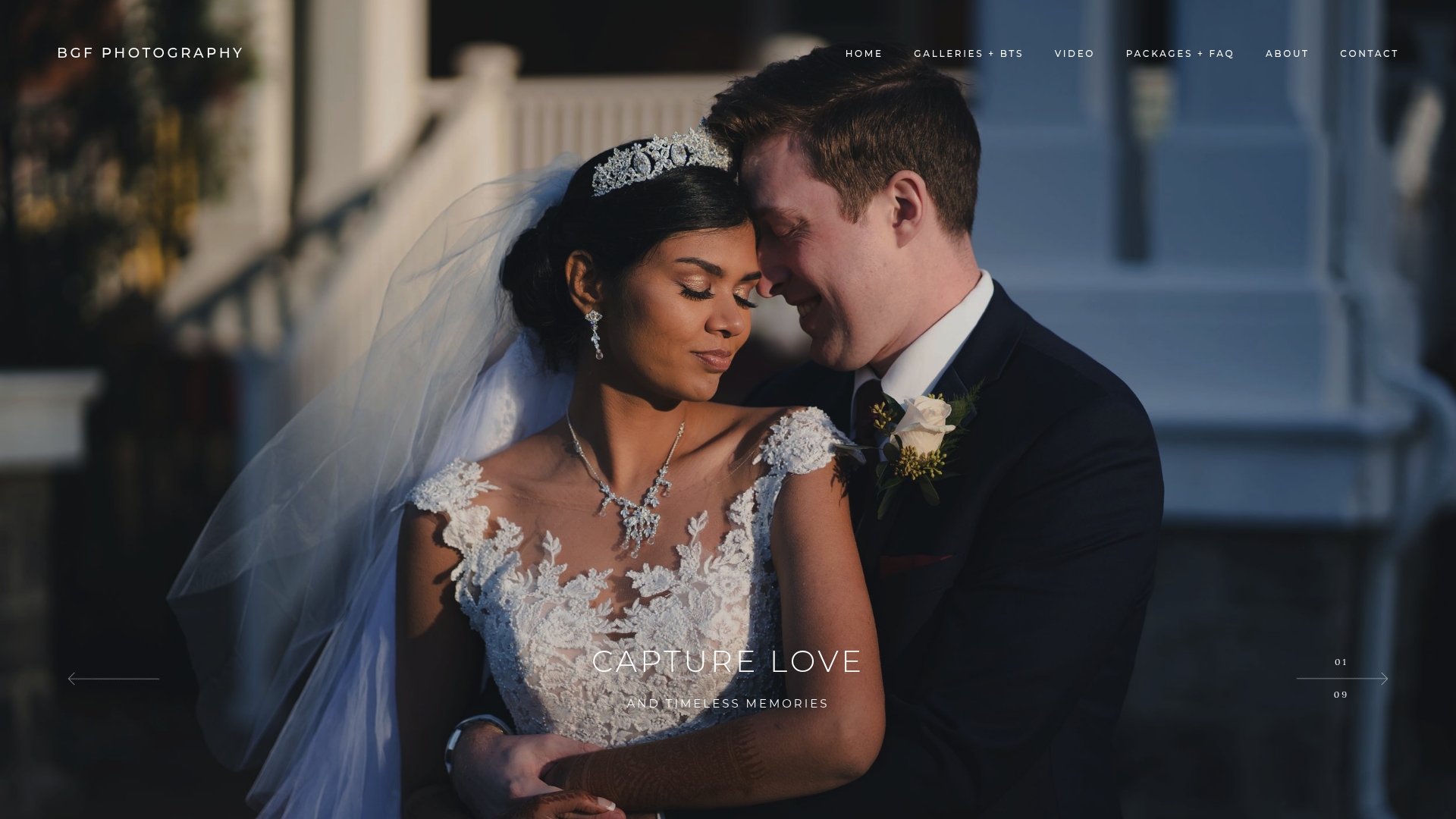
Film portraits from BGF Photography carry that warm, nostalgic quality that makes images feel timeless. Digital coverage from the same team captures every ceremony moment, reception dance, and candid laugh with clarity and speed. Couples who book both photography and videography through BGF Photography get a unified creative approach rather than two separate vendors pulling in different directions. Review wedding packages and pricing to find the coverage level that fits your day and budget, and reach out to schedule a consultation.
FAQ
Is film or digital better for wedding photography?
Neither format is universally better. Film excels for portraits and intimate moments with natural light, while digital excels for low-light receptions and fast-moving events. Most high-end photographers use both.
Why does film wedding photography cost more?
Film materials and lab processing add $1,800–$6,400 to a wedding photography budget, creating packages that run 30–50% higher than digital-only equivalents.
What is hybrid wedding photography?
Hybrid wedding photography uses both film and digital cameras on the same wedding day, deploying each format where it performs best to produce a gallery with greater emotional range and complete coverage.
How long does film wedding photography take to deliver?
Film requires lab processing and scanning after the wedding, which adds weeks to the delivery timeline. Digital galleries can be delivered within days of the event.
Should I ask my photographer if they actually shoot on film?
Yes. Some photographers use digital color grading presets to create a film-inspired look without shooting on actual analog film. Verify analog film usage before booking to understand the real cost and aesthetic trade-offs.