
TL;DR:
- Professional wedding photographers are skilled storytellers who capture authentic emotions and candid moments. They offer various styles, including documentary, editorial, cinematic hybrid, and film-digital hybrid, tailored to a couple’s vision. Choosing the right photographer depends on style, personality fit, reliability, and building trust, which ultimately results in genuine, timeless images.
A professional photographer for weddings is defined as a trained visual storyteller who captures authentic emotions, candid moments, and cinematic sequences that reflect a couple's unique love story. The term "wedding photographer" covers a wide range of styles and approaches, from heavily posed editorial work to fully documentary coverage. What separates the best wedding photographers from the rest is not just technical skill. It is the ability to read a room, anticipate moments before they happen, and make two people feel completely at ease in front of a camera. This guide breaks down everything you need to know before you book.
What services do professional wedding photographers typically offer?
Wedding photography services fall into three broad categories: photography only, videography only, and hybrid coverage that delivers both under one cohesive visual style. Understanding the differences helps you match the right service to your wedding vision before you ever pick up the phone.
Photography styles compared
| Style | Approach | Portrait time | Best for |
|---|---|---|---|
| Candid/Documentary | Observational, unobtrusive | Minimal | Couples who want real moments |
| Editorial/Posed | Directed, fashion-forward | 60–90 minutes | Couples who want magazine-style images |
| Cinematic hybrid | Story-driven, blends both | 15–20 minutes | Couples who want a narrative feel |
| Film + digital hybrid | Analog texture meets digital editing | Varies | Couples who want a timeless, nostalgic look |
The candid and documentary approach treats your wedding like a short film. The photographer stays back, observes, and captures what unfolds naturally. Editorial photography takes the opposite position. The photographer directs you into specific poses and lighting setups to create images that look like they belong in a magazine spread.
The cinematic hybrid sits in the middle. Formal directed portrait time is usually limited to 15–20 minutes so the rest of the day stays natural and unscripted. This approach works especially well for couples who want a few polished portraits without spending an hour away from their guests.
Hybrid digital and 35mm film photography adds a timeless, nostalgic texture to a gallery, but it requires a skilled workflow to maintain color consistency across every image. A poorly executed film hybrid looks patchy. A well-executed one looks like nothing else.
Pro Tip: Ask any photographer you interview to show you a full gallery from a single wedding, not just their portfolio highlights. A curated portfolio shows their best 30 shots. A full gallery shows how they perform across an entire day.
Cinematic videography is a separate craft from photography, but the best results come when both are handled by one team sharing a single creative vision. BGF Photography specializes in this kind of hybrid photo and video coverage, which means your photos and film will share the same tone, color palette, and emotional rhythm.
Editing philosophy matters as much as shooting style. The best editors prioritize true-to-tone, timeless images that hold up for decades rather than chasing social media trends that age quickly. Skin tones should look accurate, not filtered.
How to choose the right professional photographer for your wedding
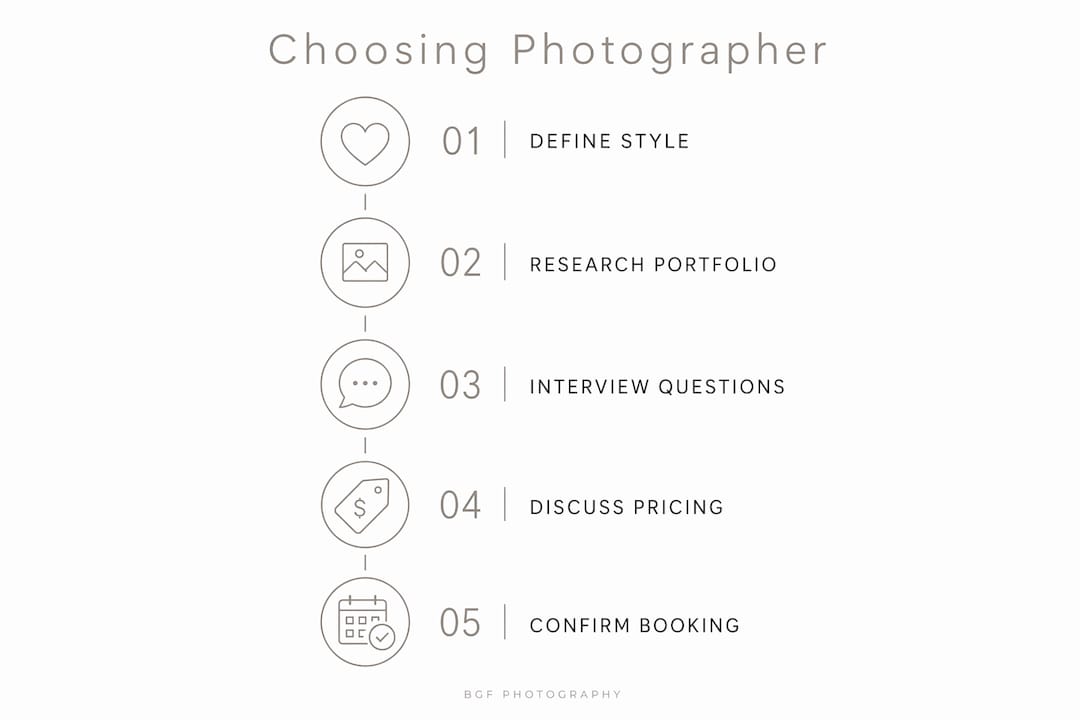
Choosing a wedding photography professional comes down to three things: style match, personality fit, and professional reliability. Most couples spend too much time on the first and not enough on the second and third.
Here is a practical framework for narrowing down your candidates:
-
Identify your style first. Browse Instagram, Pinterest, and photographer websites to collect images that genuinely excite you. Look for patterns in lighting, color, and composition. That pattern points to the style you actually want.
-
Prioritize comfort above all else. The most critical factor in selecting a photographer is finding someone who makes you feel comfortable. Couples who feel at ease in front of the camera produce better photos. Full stop.
-
Confirm who actually shows up. Leading photographers rarely use subcontractors because style consistency depends on the same eye being behind the camera all day. Ask directly: "Will you personally be the one photographing our wedding?" If the answer is vague, keep looking.
-
Review a full wedding gallery. As noted above, a highlight reel is not a reliable sample. Ask for a complete gallery from a recent wedding at a similar venue or lighting condition to yours.
-
Ask about their timeline management process. A great photographer does not just show up and shoot. They study your venue, communicate with your planner, and build a shot list that accounts for travel time, golden hour, and family groupings.
-
Schedule a video call or in-person meeting. Chemistry matters. You will spend 8–12 hours with this person on one of the most emotional days of your life. If the conversation feels stiff or transactional, trust that instinct.
-
Read full reviews, not just star ratings. Look for reviews that mention how the photographer made the couple feel, not just how the photos turned out. Phrases like "we forgot the camera was there" or "they kept us calm all day" signal the right kind of professional.
Experienced photographers build a natural, relaxed atmosphere so genuine moments can surface on their own. That skill is harder to develop than technical photography knowledge, and it is the single biggest differentiator between a good photographer and a great one.
Pro Tip: When you interview a photographer, pay attention to how many questions they ask you. A photographer who asks about your relationship, your priorities, and your venue is building a mental map of your day. One who only talks about packages is selling, not listening.
For a deeper look at what separates authentic coverage from staged work, the candid wedding photographer guide from BGF Photography walks through the key questions to ask before you book.
What does professional wedding photography cost?
Wedding photography pricing reflects experience, coverage hours, deliverables, and location. Knowing the standard ranges helps you budget accurately and spot deals that are too good to be true.
Experienced wedding photographers typically charge $3,000–$4,500 for full-day coverage, with top-tier hybrid photo and video packages landing between $3,200 and $4,500 for ten to twelve hours of coverage. Photographers who charge significantly below this range often lack the experience or equipment to handle a full wedding day reliably.
What affects the final price
- Hours of coverage: Most full-day packages run 8–10 hours. Shorter packages cost less but may miss key moments like getting ready or the last dance.
- Second shooter: A second photographer adds coverage angles and is especially valuable at larger weddings. Expect this to add $300–$600 to a package.
- Engagement session: Many packages include a pre-wedding shoot. This is not just a bonus. It is the session where you and your photographer learn to work together before the wedding day.
- Hybrid photo and video: Booking both services from one team typically costs less than hiring two separate vendors and produces a more consistent final product.
- Destination weddings: Destination wedding photographer pricing includes travel, accommodation, and sometimes additional shooting days. Budget an extra $1,500–$3,000 on top of the base package for destination work.
Full edited wedding galleries are typically delivered within 4–6 weeks after the wedding day. Luxury and destination packages sometimes run longer due to the volume of footage and the complexity of the edit. Any photographer promising delivery in under two weeks is likely rushing the edit.
Pro Tip: Never choose a photographer based on price alone. A $1,500 photographer who delivers blurry, poorly lit images cannot be rehired. Your wedding day cannot be recreated. Treat photography as one of the highest-priority line items in your budget.
For a full breakdown of what is included at each price point, the wedding photography packages guide from BGF Photography covers the most common structures in detail.
How do professional photographers manage the wedding day experience?
The photographer's job extends well beyond taking pictures. On a wedding day, a skilled photographer functions as an unofficial coordinator, a calm presence, and a buffer between you and the logistical chaos that every wedding produces.
Wedding photographers often serve as unofficial day coordinators, managing timeline flow, keeping the schedule on track, and preventing small delays from cascading into bigger ones. If the ceremony runs ten minutes long, a good photographer already knows which part of the portrait session to compress without losing the shots that matter most.
Here is what that behind-the-scenes management actually looks like in practice:
- Vendor coordination: Your photographer communicates with your florist, planner, and venue coordinator before the day so everyone is working from the same timeline.
- Timeline buffering: Experienced photographers build buffer time into every transition. Getting ready, travel to the ceremony, and family portraits all take longer than couples expect.
- Reminding you to eat: This sounds minor. It is not. A photographer who manages client wellbeing will remind you to eat during cocktail hour and stay hydrated throughout the day. Hungry, dehydrated couples do not photograph well and do not enjoy their wedding.
- Natural posing direction: The best photographers give minimal direction and let moments breathe. A whispered prompt like "look at each other and just breathe" produces a more genuine image than a rigid pose.
- Guest management during portraits: Corralling family members for group shots is one of the most time-consuming parts of any wedding. A photographer with a clear shot list and confident communication skills cuts this time in half.
"The best photographers focus on facilitating the couple's presence and turning photography into an effortless experience." Ambrosio Photography
Professional photographers also act as a liaison between the couple and other vendors, absorbing small problems before they reach the couple. That buffer is invisible when it works well, and its absence is painfully obvious when it does not.
Understanding what cinematic wedding videography adds to this experience is worth exploring if you are considering hybrid coverage. A videographer who shares the photographer's approach to candid storytelling captures the sounds, voices, and movement that still images cannot.
Key takeaways
Choosing the right wedding photography professional requires matching style, building trust, and understanding what you are actually paying for.
| Point | Details |
|---|---|
| Style match comes first | Review full galleries, not just highlight reels, to confirm a photographer's consistent style. |
| Comfort drives better photos | The most critical hiring factor is finding a photographer who makes you feel at ease on camera. |
| Hybrid coverage saves money | Booking photo and video from one team costs less and produces a more cohesive final product. |
| Budget $3,000–$4,500 | Full-day professional coverage from an experienced photographer typically falls in this range. |
| Galleries deliver in 4–6 weeks | Standard edited gallery turnaround is 4–6 weeks; rushed delivery often signals a rushed edit. |
What I have learned about trust and wedding photography
I have photographed weddings where couples came in nervous, stiff, and convinced they were "not photogenic." By the end of the day, they were laughing, crying, and completely forgetting I was there. That shift does not happen because of a camera or a lens. It happens because of trust.
The couples who get the most out of their wedding photography are the ones who chose a photographer they genuinely connected with, not just one whose portfolio looked impressive online. A stunning portfolio built on a different couple's chemistry does not automatically transfer to yours. What transfers is the photographer's ability to build that chemistry from scratch with every new couple they meet.
I also want to push back on a common piece of advice: that you should shop around and compare as many photographers as possible. In my experience, that approach leads to decision paralysis and price-shopping. Instead, find two or three photographers whose work genuinely moves you, then choose the one you most want to spend your wedding day with. The photos will reflect that choice.
One more thing worth saying plainly: the photographers who do this work best are the ones who care about your story, not just their portfolio. When a photographer asks you how you met, what makes your partner laugh, and what moments you are most afraid of missing, they are not making small talk. They are building the mental map that will guide every decision they make on your wedding day.
The role of trust in wedding photography is not a soft concept. It is the foundation that every great image is built on.
— Billy
How BGF Photography captures your wedding day
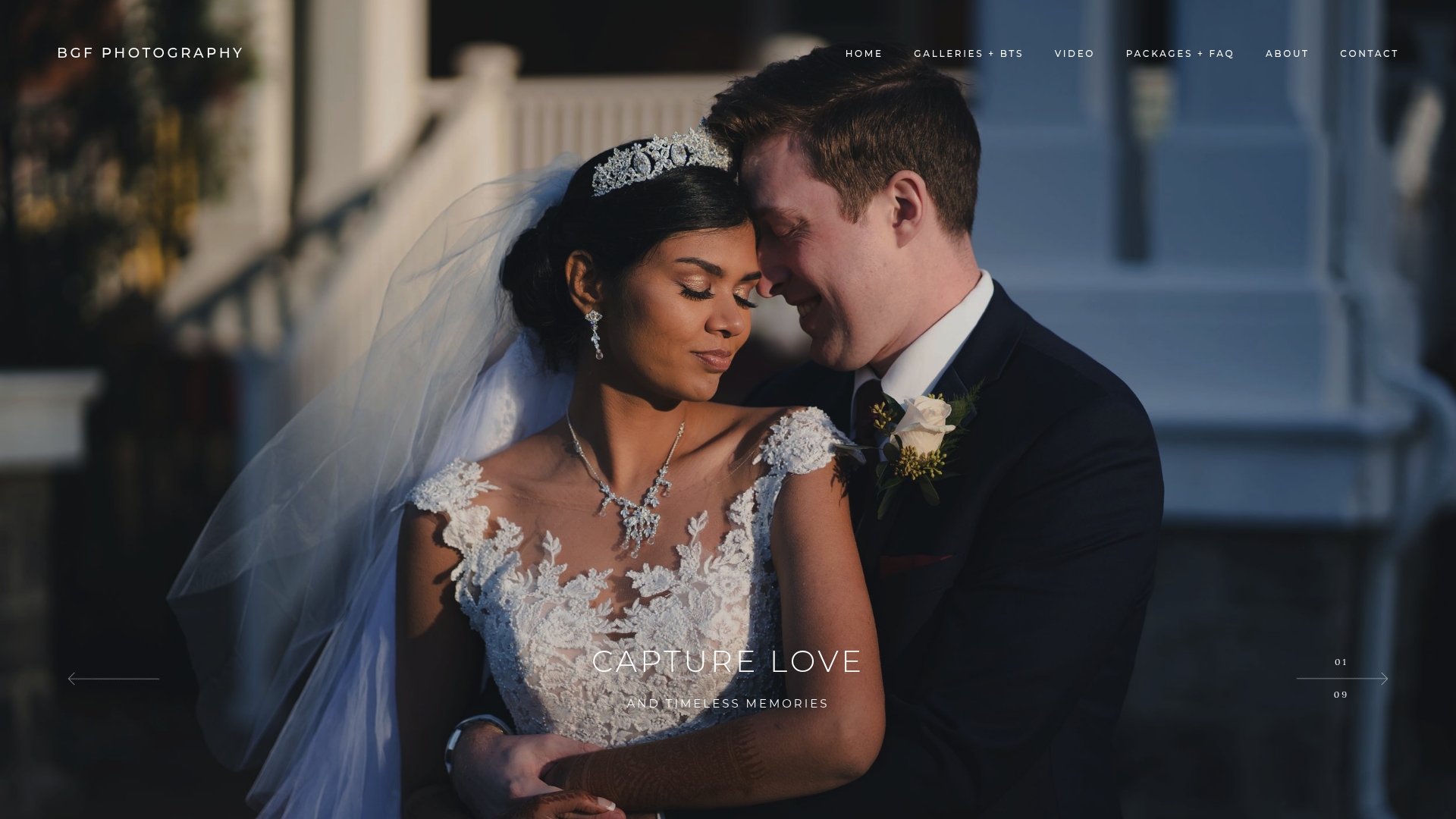
BGF Photography specializes in candid wedding photography and cinematic videography for couples in the Buffalo and Rochester, NY areas. The approach is natural and unobtrusive, built around letting genuine moments unfold rather than manufacturing them. BGF Photography offers hybrid coverage that combines photography and videography under one cohesive creative vision, so your photos and film feel like they belong together. Film photography is also part of the workflow, adding a nostalgic, timeless quality that sets the final gallery apart. If you are ready to explore what that looks like for your wedding, view available packages or visit the BGF Photography links page to get started.
FAQ
What is the difference between candid and documentary wedding photography?
Candid photography captures unplanned, spontaneous moments as they happen naturally. Documentary photography takes a broader journalistic approach, telling the full story of the wedding day from start to finish without directing subjects.
How far in advance should I book a wedding photographer?
Most experienced photographers book 12–18 months in advance, especially for peak wedding season dates between may and october. Booking early gives you access to the best local wedding photographers before their calendars fill.
What should I ask a photographer before hiring them?
Ask to see a full gallery from a recent wedding, confirm they will personally shoot your day rather than sending a subcontractor, and discuss how they handle timeline delays. Avoiding subcontractors is one of the most important steps in ensuring style consistency.
Do I need both a photographer and a videographer?
Not always, but hybrid coverage from a single team produces the most cohesive results. A photographer and videographer who share the same creative vision deliver a final product where photos and film feel like two parts of the same story rather than two separate services.
How many photos will I receive from my wedding?
Most full-day wedding photo packages deliver between 400 and 800 edited images, depending on the length of coverage and the number of events captured. Your photographer should provide a clear estimate during the booking process.