
Choose summer if you want long daylight, warm outdoor time and in-season flowers. Choose winter if you want a cozy, candlelit mood, possible snow and a chance at lower vendor pricing. Neither is better. The right one is the season whose trade-offs you can plan around, and daylight is the trade-off couples forget most often.
We photograph and film weddings in Buffalo, Rochester and the Finger Lakes, so we see both seasons up close every year. This guide covers cost, weather, guests and flowers, then spends real time on what changes for your photos and video, because that is where the season shapes what you keep for decades.
TL;DR
- Summer brings extended daylight, warm weather, fresh produce and abundant flowers, but vendors fill early and heat can be a problem outdoors.
- Winter can mean vendor discounts in January and February, snowy scenery and a cozy look, but December is hectic and storms can disrupt travel.
- Daylight drives the photo timeline. Winter sunsets arrive early, so ceremony time and portraits need to be planned around the exact sunset time.
- Savings are not guaranteed. Off-peak discounts vary by market, so ask vendors what they actually offer for your date.
- Book your photographer and videographer first for either season, since they set the schedule everything else follows.
Table of Contents
- Winter vs summer wedding at a glance
- What summer does well
- What winter does well
- Is a winter wedding cheaper?
- Weather: what to plan for in each season
- Daylight and what it means for your photos and video
- Guests, venues and vendors
- Our perspective
- Buffalo, Rochester and Finger Lakes planning notes
- How to choose: a simple decision guide
- Photography and video with BGF Photography
- FAQ
- Sources
Winter vs summer wedding at a glance
Here is the short version before we go deeper. The details come from planning guides from Zola, Bridal Guide and The Old Farmer's Almanac, plus what we see on the ground.
| Factor | Summer | Winter |
|---|---|---|
| Daylight | Long evenings, sometimes light until about 9 p.m. depending on month and location | Short days, early sunset, tighter schedule |
| Weather | Sunny and warm, with possible heat | Cold, possibly snowy, with storm risk |
| Cost | Peak demand, vendors book early | Possible discounts, especially January and February |
| Flowers and food | In-season flowers and produce | Comfort food, deeper color palettes, higher flower prices possible |
| Attire | Light, warm-weather fabrics | Layers, wraps, coats |
| Guests | More likely to have vacation time | Holiday travel and weather can complicate attendance |
| Mood | Bright, open, outdoors | Cozy, candlelit, romantic |
What summer does well
Summer's biggest gift is time outside. Guests can mingle on a lawn, a patio or a lakeshore without anyone watching the thermostat. Zola's seasonal guide points to extended outdoor time, warm-weather attire, fresh produce and abundant flowers as the core draws of a summer date. Guests are also more likely to get time off for vacation, which helps if you have family traveling in.
Daylight is the other major benefit. Bridal Guide notes that summer's late light, sometimes lasting until about 9 p.m. depending on month and location, gives you more flexibility with ceremony time and more room for photographs. A 5 p.m. ceremony still leaves time for portraits, a reception entrance in good light and a send-off before dark.
The Old Farmer's Almanac describes June as warm, dry and long on daylight, and September as mild with lower humidity. That is a useful reminder that summer is not one flavor. Early June, peak July and early September feel quite different.

The summer trade-offs
The same guide that praises summer also notes that vendors fill up early and that heat can be stifling outdoors. Bridal Guide flags heat as a concern for guest comfort and appearance, including sweating, makeup and hair trouble, particularly in temperatures above 100°F. Western New York rarely sees that extreme, but a humid 85°F afternoon in a suit or gown still wears people down.
Plan for it. Bridal Guide advises avoiding the hottest part of a summer day and quotes a planner recommending a ceremony around 6 or 6:30 p.m. in hot conditions. Shade, water stations, fans and a shaded ceremony spot all help. A later ceremony also gives you softer light for photos and video, which is a bonus.
What winter does well
Winter weddings feel intimate. Zola's guide associates winter with layered clothing, snow-oriented scenery and a cozy aesthetic, and comfort food and deeper floral colors fit naturally. Candles, velvet, evergreen and warm lighting make a ballroom or restored historic venue look made for the season.

The practical upside is availability. Zola notes that vendors may offer discounts in January and February. Venues and caterers with open Saturdays in the cold months are often more flexible than in peak season, and you may find dates that would be long gone in June or October.
The winter trade-offs
The Zola guide says December can be hectic, since holiday parties, travel and family obligations compete for the same weekends. It also notes that flower prices may rise because blooms often ship from more temperate climates. Your florist can steer you toward hardy options such as evergreens, berries and dried elements that cost less and suit the season.
Weather is the larger risk. CNBC reports that winter storms can cause power outages and stop guests, wedding party members or vendors from traveling. In upstate New York, where snow is a normal part of the season, that is worth building into your plan rather than hoping around. Choose a venue that is easy to reach, keep a backup arrival plan for the wedding party and consider booking nearby rooms for the people who matter most.
Is a winter wedding cheaper?
Often, but not automatically. CNBC cites a Hudson Valley, New York planner who estimated that winter can cut venue bills by 20% to 30% compared with peak fall pricing. That is a planner's estimate for one region, not a promise, and the same article warns that off-peak patterns differ by market and some destinations have no real slow season.
The larger point in that reporting is that a discount is not automatically a bargain. Market-specific demand and weather-related disruption can outweigh what you save on the venue. A few things to weigh:
- Venue and catering. This is where the largest savings tend to appear, so ask for the winter rate in writing.
- Flowers. Winter can cost more here, as noted above, so plan the palette around what is in season.
- Guest costs. If winter travel is difficult, more guests may need lodging or may decline.
- Photo and video. Shorter days compress your timeline. A well-planned day does not need extra hours, but some couples add coverage for a rehearsal or a getting-ready scene, which changes the total.
The honest way to compare is to price the same guest count at the same venue for a summer Saturday and a winter Saturday, then add the winter extras you expect, such as coat check, transportation or a backup plan. If the gap is still large, winter is a real saving.
Weather: what to plan for in each season
The Old Farmer's Almanac notes that late spring through early fall, particularly May to October, typically has the most predictable temperatures and outdoor-friendly conditions. The best date depends on local climate, rainfall patterns and comfort, so look up typical weather for your location and date. For likely spring showers, the Almanac suggests renting a tent large enough for food, guests and music.
That advice applies in summer too. A tent or an indoor backup is cheap insurance against a thunderstorm. CNBC also notes that warm-weather off-season dates can overlap with heat, humidity, hurricanes, rain or mosquitoes in some markets, so "off-season" does not mean "easy weather" everywhere.
For winter, plan a few details:
- A covered, warm arrival. Guests step out of cars into the cold, so a heated entry or an attendant with umbrellas saves everyone a bad first impression.
- Coat storage. A coat check or a clear designated area keeps a dance floor from filling with bags.
- Footwear and photo walks. If you want portraits outside in snow, bring warm boots to change into, a wrap and a set of towels for the car.
- A weather call-in point. Agree with your vendors on a morning-of check-in time if a storm is forecast.
If you are marrying in Rochester, our notes on why weather affects Rochester wedding videography go into audio, light and scheduling in more detail.
Daylight and what it means for your photos and video
This is the part most season guides skip, and it is where the choice shows up most clearly in your final gallery and film.
The Old Farmer's Almanac tells winter couples to check the exact sunset time because shorter days affect outdoor photography, and it points to its sunrise and sunset calculator for planning outdoor shots. Bridal Guide adds that an early winter sunset can force the day to start and end sooner, creating a tighter schedule for the ceremony, portraits and reception.
Winter: build the day backward from sunset
If you want any outdoor portraits in natural light, start with the sunset time for your date and work backward. Here is how we think about it:
- Hold the ceremony early enough that couple portraits can happen before the light fades.
- Do a first look so portraits are done before the ceremony and you are not racing the sun afterward.
- Keep your family formals efficient. A short, organized list of groupings saves time you will want for the two of you.
- Use the dark as a feature. Fairy lights, candles and a reception with warm, layered lighting photograph beautifully. Our guides to night wedding photos and low light wedding photography explain how that works.
Snow also changes the light. A cloudy winter day with fresh snow gives soft, even light that flatters skin, while a bright day with snow on the ground bounces light back up at faces. Neither is a problem for an experienced team, but it helps to choose a ceremony space with large windows or a covered outdoor spot for a few photographs.
Summer: use the long evening
Summer gives you the luxury of choice. Late light allows a later ceremony, which also avoids the hardest overhead sun. A ceremony in the late afternoon followed by portraits during the softer light before sunset is a classic approach. If golden hour matters to you, read our explanation of golden hour wedding photography and our sunset wedding photos planning guide, then pick a ceremony time that leaves a window of about twenty minutes with you two alone.
Midday summer light is harsh, with squinting, shadows under eyes and shiny skin. Open shade, a covered porch or a venue with a tree-lined lawn solves most of it. If your venue has mixed lighting, such as a bright garden and a dark ballroom, our wedding day lighting plan helps you avoid color mismatches between locations.
Video has its own seasonal needs
For film, the season affects sound as much as light. Wind and heat fans compete with vows in summer. In winter, heating systems hum, boots squeak on hard floors and cold can drain camera batteries faster, so your videographer carries extra power and a backup audio plan. Ask any videographer you consider how they capture vows and speeches when conditions are noisy.
Guests, venues and vendors
Think about the people who will be in the room. Summer is easier for out-of-town relatives with kids on school break, and vacation time is more available. It is also peak season for other weddings, so guests may already have a full calendar of summer events.
The opposite can be true in winter. Fewer people will have attended several weddings in the lead-up, which can make your date feel special. But holiday travel is expensive and weather can complicate things for older relatives.
On vendors, the pattern is simple: for summer Saturdays, you will want to book early because vendors fill up, and for winter you may have more choice and more room to negotiate. In either case, secure the vendors who define the day, the venue, photographer and videographer, before smaller details.
Our perspective
We have photographed weddings in blizzards, heat waves and everything between, and the season rarely decides whether the photos are good. What decides it is whether the day was planned around the light and whether the people photographing it stayed out of the way.
Summer is generous. It gives you time, and time lets real moments happen: a grandfather laughing during the toasts, a flower girl running across the lawn. Winter is quieter and more intimate. Snow, candles and warm interiors give you images that feel like a film still, which is one reason many couples pair a winter date with film photography for its nostalgic look.
Our approach is the same in both: candid, natural and unobtrusive, so that you are not performing for a camera. We offer photography and videography as one hybrid team, so the images and the film share a single style and a single timeline, and nobody is asking you to pose twice. In winter that matters even more, because short daylight leaves less room for two separate crews to compete for the same ten minutes.
Our advice: pick the season that fits the way you want the day to feel, then tell us your date early. We will build the schedule around sunset, weather and your venue.
Billy
Buffalo, Rochester and Finger Lakes planning notes
Western and central New York has four distinct seasons, so both options here are real choices rather than a compromise. Many couples choose summer and early fall for the lakes, vineyards and waterfront venues, while winter works well for historic ballrooms, restored industrial spaces and lodges. If you are marrying in Buffalo, our post on why Buffalo wedding season affects photography explains how demand and timing play out locally.
Whichever season you choose in this region, a few habits help:
- Pick a venue with an indoor option. Summer thunderstorms and winter snow both reward a flexible space.
- Check the sunset time for your exact date and keep it next to your timeline.
- Build in a buffer. Add extra time between the ceremony and your first dance for travel, coats and surprises.
- Think about the drive. Venues in the Finger Lakes can be farther from hotels, which matters more when roads are slick.
How to choose: a simple decision guide
Zola's summary is a good starting point: choose summer if you value extended daylight, warm-weather outdoor time, fresh produce and flowers, and choose winter if you want possible snow scenery, layered attire, comfort food and cozy details. Then test your choice with these questions:
- What do you picture when you imagine the day? A garden at dusk and a candlelit ballroom lead to different seasons.
- Who must be there? If a few people are traveling long distances or are less mobile, weather and holidays should weigh more.
- How flexible is your budget? Get written quotes for both seasons on the same guest count.
- How important are outdoor photos? If you want lots of daylight portraits and a long golden hour, summer gives you more room. If you are happy with a shorter outdoor window and a strong indoor look, winter works.
- How do you feel about risk? Both seasons have weather risk. The question is which kind you can plan for with less stress.
If you are still split, consider the shoulder months. Early December before the holiday rush, January, February and March can capture winter's mood and pricing, while September and early October keep summer's ease with softer light.
Photography and video with BGF Photography
Whatever season you pick, we plan the day with you around the light. Our full wedding day coverage is listed at $4,500 to $5,200, and video can be added as a 3 to 6 minute highlight film for $1,400, a 9 to 15 minute featurette for $1,800 or a 30 to 60 minute full length film for $2,600. If you want a nostalgic look, medium format and 35mm film is $100 per roll, and an engagement session is $600, which is a good way to get comfortable in front of the camera before the day. You can see everything, including add-ons such as drone coverage and extra coverage hours, on our investment page.
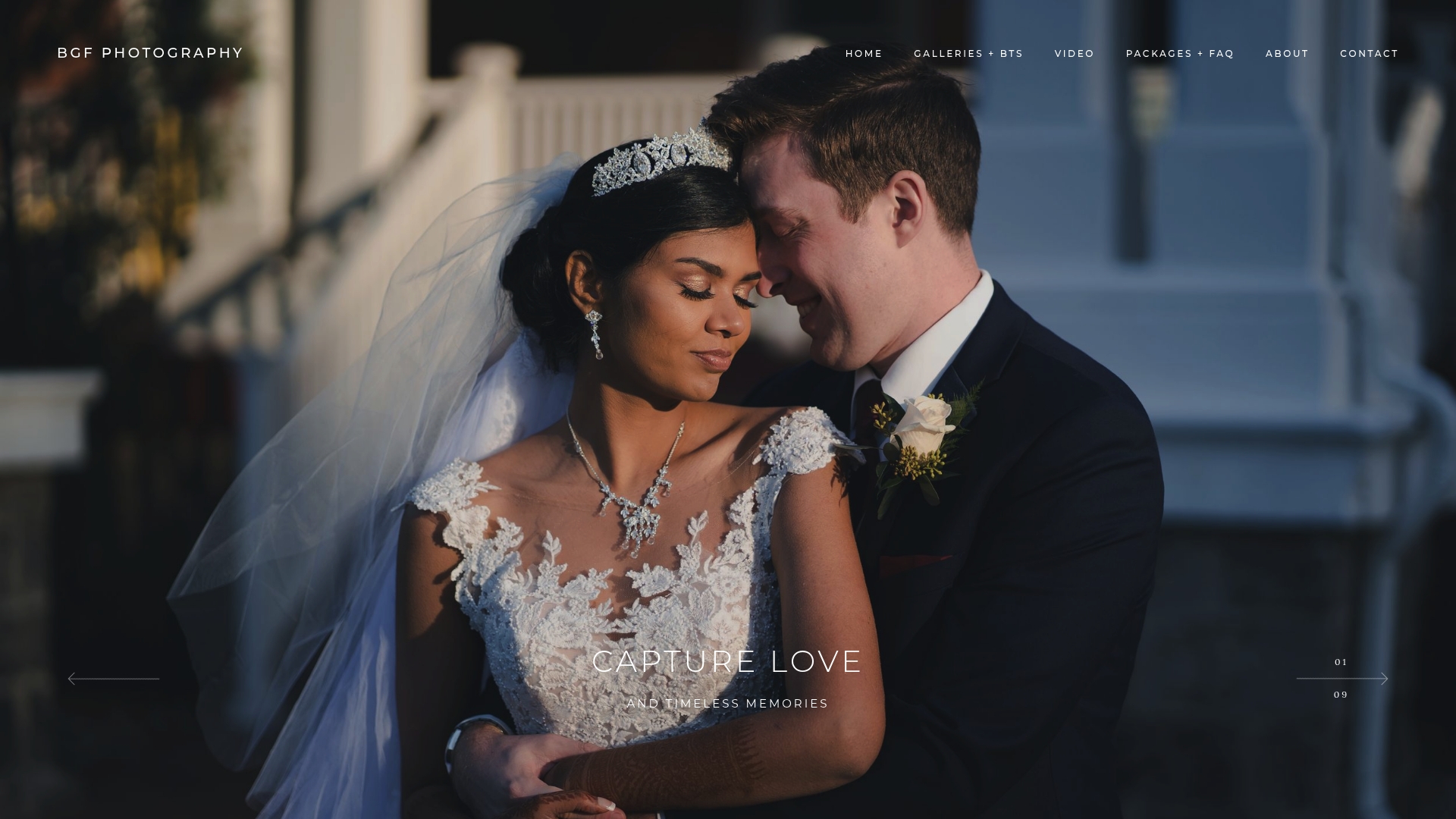
Tell us your date, your venue and the season you are leaning toward, and we will tell you what the light will do. Start with our wedding photography and videography packages and we will take it from there.
FAQ
Is it cheaper to get married in the winter?
Often, though not always. A planner quoted by CNBC estimated that winter can reduce venue bills by 20% to 30% from peak fall pricing in the Hudson Valley, and Zola notes vendors may offer discounts in January and February. Savings vary by market, and weather disruption or higher flower costs can eat into them, so compare written quotes.
What is the best season for an outdoor wedding?
The Almanac points to late spring through early fall, especially May to October, as the period with the most predictable temperatures. Within that window, check typical weather for your location and date, and plan a tent or indoor backup. In hot weather, a ceremony around 6 or 6:30 p.m. is more comfortable.
How does a winter wedding affect photos and video?
The main change is daylight. An early sunset can force the day to start and end sooner, so your ceremony, portraits and reception need a tighter schedule. Check the exact sunset time for your date and ask your photographer to build the timeline backward from it.
Are summer weddings better for guests?
Summer makes it easier for many guests because they are more likely to get vacation time. The trade-off is that vendors fill up early and outdoor heat can be uncomfortable. Winter can suit guests who prefer a cozy indoor event, but December holidays and storms can complicate travel.
Sources
- What Season Should You Get Married In? (Zola)
- Wedding Weather Guide: Best Time of Year to Get Married (The Old Farmer's Almanac)
- Picking an off-peak wedding date can be a risky way to save (CNBC)
- The Pros and Cons of Each Wedding Season (Bridal Guide)