
Bridal portraits shot on film deliver a timeless, nostalgic look that many couples choose specifically for heirloom images, and the aesthetic difference compared to digital is real and visible. Film works best for couples who prioritize mood, texture, and an analog feel over speed or convenience. The tradeoffs are modest but worth knowing upfront: slightly higher cost, a longer wait for finished images, and the need for a photographer who actually knows how to shoot and manage film.
TL;DR:
- Film creates a textured, organic look with soft shadows, warm skin tones, and muted colors, making it ideal for couples seeking a nostalgic heirloom quality.
- Using film stock like Kodak Portra 400 or 160 depends on lighting conditions, with slower formats like medium format offering a distinct tonal rendering at higher costs.
- Film shoots require careful planning around lighting, with at least 30 extra minutes needed for deliberate setups and slower pacing compared to digital sessions.
- Booking a film photographer requires verifying their experience with full galleries, lab processing details, and understanding the longer multi-week turnaround for finished images.
- The higher cost of film results from stock, processing, and scanning, with couples should expect a multi-week wait and should prioritize experienced photographers over specific film brands.
Table of Contents
- Why film creates a distinctive bridal-portrait look
- Common film stocks and formats for bridal portraits
- How film affects posing, lighting, and styling for bridal portraits
- What to ask your photographer when you want bridal portraits on film
- Cost, processing, and turnaround: what to expect
- A photographer's perspective on shooting bridal portraits on film
- Why film is worth the wait, not just the look
- How BGF Photography can help with film bridal portraits
- FAQ
- Sources
Why film creates a distinctive bridal-portrait look
Film grain is not a flaw. It is texture, and texture is what gives a photograph the sense of having been made rather than simply captured. That organic quality is part of why wedding film photography has seen a resurgence, with couples describing it as something closer to a keepsake than a snapshot.

Beyond grain, film handles bright areas differently than digital sensors do. Highlights roll off gradually instead of clipping into harsh white, which keeps detail in a veil, a dress, or sun-washed skin that a digital file might blow out entirely. Skin tones also tend to render warmer and softer, a quality photographers lean on heavily for bridal work.
A few sensory markers show up again and again in film bridal portraits:
- A warm, golden-hour glow that holds detail instead of overexposing.
- Shadows that stay soft rather than turning into solid black.
- A muted, slightly desaturated color palette that feels calm rather than punchy.
Interest in film has grown enough that major outlets have covered its return to wedding photography, with couples citing the nostalgic, heirloom feeling as the main draw rather than cost or convenience.
Common film stocks and formats for bridal portraits
Most photographers who shoot bridal portraits on film gravitate toward a small handful of stocks, each suited to different light and mood.
- Kodak Portra 400: a versatile workhorse known for natural skin tones and reliable color across varied lighting at ISO 400, making it a common default for outdoor bridal sessions.
- Kodak Portra 160: finer grain and especially smooth skin tones, best suited to bright, even light.
- Kodak Portra 800: built for low light, useful for indoor ceremonies or late-day portraits when the sun has mostly dropped.
- Kodak Ektar: delivers more saturated, vivid color and very fine grain, often chosen for portraits set against landscapes or architecture rather than soft romantic light.
Kodak's own professional film brochure lays out these distinctions clearly: Portra 160 for smooth tones in good light, Portra 800 for dim conditions, and Ektar for color that pops.
Format matters too. Medium format produces shallower depth of field and a noticeably different tonal rendering than 35mm, but it comes with fewer frames per roll and higher per-shot cost, a tradeoff many couples accept for the distinct medium-format look.
How film affects posing, lighting, and styling for bridal portraits
Film shapes more than color. It changes how a photographer directs a session from the first frame.
The guiding rule is to expose for the shadows, since film tolerates overexposure far better than underexposure. That single technical fact changes where photographers place brides relative to light and how they build a scene around it.
- Plan sessions for golden hour or open shade, where soft, even light favors film's gentler contrast.
- Choose fabrics and accessories with texture, like lace, tulle, or satin, since film renders fine detail beautifully.
- Favor a muted color palette for bouquets and accessories; film tends to mute saturated colors anyway, so working with that tendency looks more intentional than fighting it.
- Expect a slower pace. Film shoots involve fewer frames and more deliberate setups, so build extra time into the portrait block on the wedding-day schedule.
Pro Tip: Block at least 30 extra minutes for a film portrait session compared to a digital one, since each setup takes longer to compose and meter correctly.
What to ask your photographer when you want bridal portraits on film
Booking a photographer for film bridal portraits means vetting their film experience specifically, not just their general portfolio.
- Ask to see full galleries or complete rolls shot on film, not just a handful of polished selects.
- Confirm which lab processes and scans their film, and at what resolution.
- Ask whether they shoot hybrid, meaning film alongside digital backups, in case of lab delays or film issues.
- Clarify all film-related costs upfront: per-roll charges, processing, and any medium-format surcharge.
A short checklist helps keep the conversation focused:
- Request sample scans from a recent film wedding.
- Ask about turnaround time in writing.
- Confirm what happens if a roll is damaged or lost in processing.
For a broader list of vendor questions beyond film specifics, our guide to choosing a wedding photographer covers the fundamentals every couple should ask.
Cost, processing, and turnaround: what to expect
Film adds cost beyond a photographer's base rate, mainly through the film stock itself and lab processing. Scanning choices affect the bill too: a quick proof scan costs less than a high-resolution archival scan meant for large prints or albums.
Turnaround also runs longer than digital. Couples should plan for a multi-week wait once film reaches the lab, and that window can stretch during high wedding season or when specialty scans are requested, as our turnaround guide explains in more detail.
A few points worth confirming before booking:
- Ask whether pricing includes scanning or only processing.
- Confirm file format and resolution for any digital deliverables.
- Ask about print-ready scan options if you plan to order large prints, since color profile choices affect print quality significantly.
Film labs commonly report multi-week turnaround windows for wedding orders, especially during peak season.
A photographer's perspective on shooting bridal portraits on film

Shooting film for bridal portraits means working within real limits: fewer frames, no instant preview, and total dependence on a trustworthy lab. Those limits tend to sharpen focus rather than cause frustration. One veteran wedding photographer has described film as a medium that forces deliberateness, since each frame carries more weight when there is no second chance to check it on a screen.
That mindset shapes how we approach film bridal sessions: slower pacing, careful metering, and a hybrid digital backup running alongside film so couples never lose a moment to a processing issue. Clients frequently ask to see full-roll scans before booking, which is a fair request and one we encourage, since a handful of cherry-picked images can hide inconsistency. Planning extra time into the day and asking for sample scans upfront remain the two most useful things a couple can do before committing to film.
— Billy
Why film is worth the wait, not just the look
The appeal of film bridal portraits gets reduced too often to grain and nostalgia, as if the look alone explains the choice. The bigger shift is in how film changes the pace of a wedding day. Fewer frames mean a photographer has to commit to a pose, a light, and a moment instead of spraying through hundreds of near-identical shots and sorting it out later. That discipline often produces more intentional portraits, not because film is inherently better but because it removes the option to fix carelessness in editing.
The common advice to "just pick a popular film stock" undersells how much lighting and format choice matter. Portra 400 in flat midday sun looks nothing like Portra 400 at golden hour. Couples should prioritize a photographer's demonstrated film experience and lab relationship over brand loyalty to a specific stock. A photographer who meters carefully and partners with a reliable lab will outperform one who simply loaded the "right" film.
— Billy
How BGF Photography can help with film bridal portraits
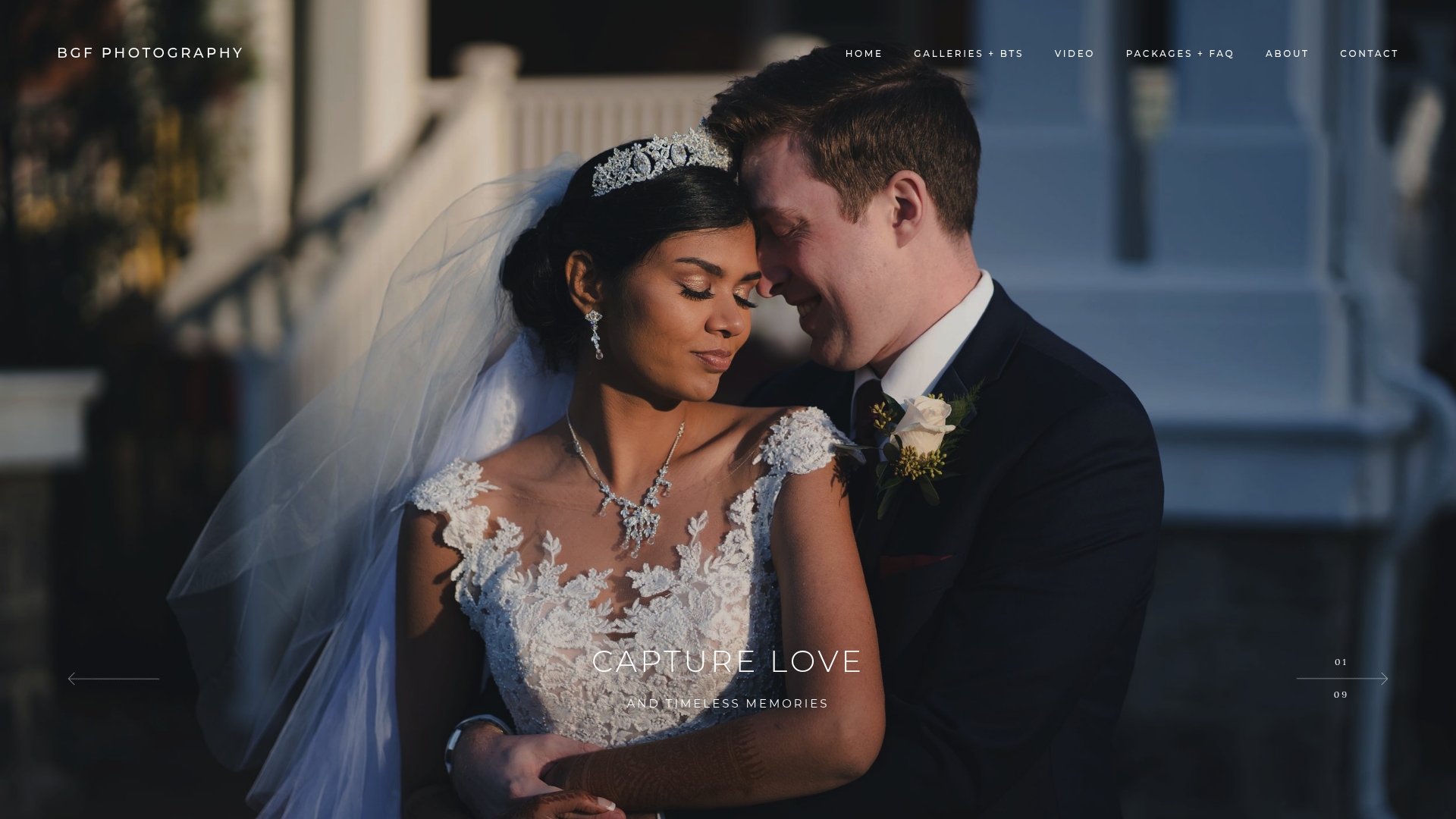
We provide candid, hybrid wedding coverage, and our film photography option adds a nostalgic quality alongside regular digital coverage.
- Medium format and 35mm film options available as an add-on to wedding packages.
- Photography and videography services offered under one cohesive visual style.
- Engagement sessions offered for couples who want to test film before their wedding day.
| Service | Price |
|---|---|
| Full Wedding Day | variable range around several thousand USD |
| Engagement Session | current prices are on the pricing page |
| Medium Format and 35mm Film | current prices are on the pricing page |
Pro Tip: Request sample film scans during your consult so you know exactly what tone and grain to expect from your wedding gallery.
Couples who choose film often say the wait for scans feels worth it once they see the first proofs.
Most couples move from an initial consult to a signed retainer within a couple of weeks of reaching out, and film add-ons are easiest to confirm early since roll counts affect scheduling. Visit our investment page to see full package pricing and request availability for your date.
FAQ
Is film worth it for bridal portraits?
Film is worth it for couples who want a distinctive, heirloom-quality look and are comfortable with a longer wait for finished images. It suits couples prioritizing mood and texture over speed, though it typically costs more per session than digital alone.
What film stock is best for bridal portraits?
Kodak Portra 400 is the most commonly recommended stock because it balances natural skin tones with flexibility across different lighting conditions. Portra 160 suits bright even light, while Portra 800 works better indoors or in low light.
How long does it take to get film bridal portraits back?
Film typically takes several weeks to process and scan once it reaches the lab, and that window can extend during busy wedding season. Our turnaround guide covers typical timing in more detail.
How much does film photography cost for a wedding?
Film photography is usually added as a surcharge on top of a base wedding package, covering film stock and lab processing per roll. Our medium format and 35mm film option is priced at $100 per roll.
What is the difference between film and digital bridal portraits?
Film tends to produce softer highlights, warmer skin tones, and visible grain, while digital offers instant previews and lower per-shot cost. Our film versus digital guide breaks down the practical differences for couples deciding between the two.
Sources
- In the Digital Age, Wedding Film Photography Has a Resurgence - The New York Times
- KODAK PROFESSIONAL PORTRA 400 product PDF
- Film exposure techniques and metering approaches for challenging light - Unique Photo