
Natural wedding photography documents real moments as they happen rather than staging them for the camera. It suits couples who care more about genuine emotion and presence than a stack of perfectly posed portraits. Most photographers working this way still build in a handful of brief, gently directed portraits, so the finished gallery blends candid storytelling with a few intentional keepsakes.
TL;DR:
- Most natural wedding photographers spend the majority of the day capturing candid, unposed moments using available light to maintain authenticity.
- Viewing full galleries from previous weddings is essential to assess a photographer's consistency across different lighting conditions and dynamic moments.
- A hybrid approach that combines documentary coverage with brief, gentle portraits typically yields the most genuine and balanced images.
- Scheduling portraits 30 to 45 minutes before sunset and booking an engagement session increase the chances of capturing relaxed, natural-looking photos.
- Choosing a photographer who also handles video ensures a cohesive, authentic wedding story without conflicting instructions or overlapping shots.
Table of Contents
- What Does Natural Wedding Photography Actually Mean?
- How Photographers Capture Natural Moments on the Wedding Day
- How Do I Choose a Natural Wedding Photographer?
- How Can Couples Get More Natural Wedding Photos?
- Our Take: How BGF Photography Approaches Natural Coverage
- The Real Question Isn't Style, It's Fit
- Book a Natural Wedding Photographer Who Also Handles Video
- Sources
- FAQ
What Does Natural Wedding Photography Actually Mean?
The terms "natural," "candid," and "documentary" get used almost interchangeably, but each carries a slightly different emphasis. Natural photography favors real light, real movement, and minimal direction. Candid photography specifically means unposed and often unnoticed, capturing people before they realize a camera is pointed at them. Documentary wedding photography leans hardest into storytelling, treating the day like a sequence of events to record rather than moments to arrange. Traditional posed photography sits at the other end, with a photographer actively composing every shot, from the ceremony kiss to formal family lineups.
These styles overlap more than couples expect. A photographer shooting candid wedding photography will still call for a few minutes of intentional portraits, because a wedding day rarely hands you a perfectly lit, perfectly framed candid moment on command. That gentle direction, "walk this way," "look at each other for a second," doesn't make the photo posed in the stiff, staged sense. It just nudges a real moment into better light.
Moments typically captured candidly include:
- The first look or ceremony reactions
- Toasts, dancing, and guest interactions
- Getting-ready chatter and quiet in-between moments
- Kids being kids at the reception
Moments typically arranged with light direction include family formals, the wedding party group shot, and a short golden hour portrait session for the couple alone.
How Photographers Capture Natural Moments on the Wedding Day
Skilled candid shooters spend most of the day working like a documentary crew, not a portrait studio. They position themselves ahead of a moment rather than reacting to it after it's over, which means anticipating who's about to cry during vows or when a best man is about to crack a joke mid-speech. That instinct, built from shooting hundreds of weddings, matters more than any single piece of gear.
The typical workflow breaks down like this:
- Arrive early enough to photograph getting-ready details without rushing anyone.
- Shoot with longer lenses from a distance during the ceremony to stay invisible.
- Move constantly through the reception, working the edges of the dance floor rather than standing in one spot.
- Step in briefly for family formals and a short couple's portrait session, then step back out.
- Stay through key reception moments, toasts, cake cutting, first dances, until the natural energy winds down.
Photographers lean on available light whenever possible, favoring window light indoors and open shade outdoors over harsh direct flash, which tends to flatten a candid moment and announce the camera's presence. A hybrid approach that blends documentary coverage with a few purposeful portraits gives couples the best of both worlds: real emotion plus images they can frame.
Pro Tip: Ask your photographer how many minutes they typically need for portraits. A photographer who says "10 to 15 minutes, ideally at golden hour" understands how to work fast without turning your day into a photo shoot.
How Do I Choose a Natural Wedding Photographer?
The single best way to judge a photographer's real style is to ask for two or three complete wedding galleries, not just highlight reels. Reviewing full galleries reveals consistency across harsh midday sun, dim reception lighting, and fast-moving dance floors, exactly the conditions your own wedding will throw at them. A highlight reel shows you their best 40 images; a full gallery shows you their floor.
Look for editing that stays consistent from the ceremony through the last dance, plenty of genuinely candid frames mixed with a few clean portraits, and an overall feel that matches your taste, whether that's warm and film-inspired or brighter and more contemporary.
Questions worth asking during a consultation:
- How much direction do you typically give during portraits?
- Will you be the only shooter, or is there a second photographer?
- How much input do we get on the day's timeline?
- What's included in the final delivery, and how long is the turnaround?
- What's your backup plan if you're sick or your gear fails?
- Can we see two or three complete galleries from real weddings, start to finish?
Pricing varies with experience, travel distance, the number of hours booked, and whether you're combining photography with videography. A photographer offering hybrid photo and video coverage under one cohesive style, rather than two vendors working independently, often costs less overall and keeps the day running smoother since there's only one team to coordinate around.
How Can Couples Get More Natural Wedding Photos?
Planning does more for natural results than any camera setting. Build real breathing room into your timeline instead of scheduling back to back events with no slack, since a rushed schedule pushes photographers into staged shortcuts just to keep up. Scheduling couple's portraits roughly 30 to 45 minutes before sunset gives you the softest light of the day and naturally slows everyone down after a busy afternoon.
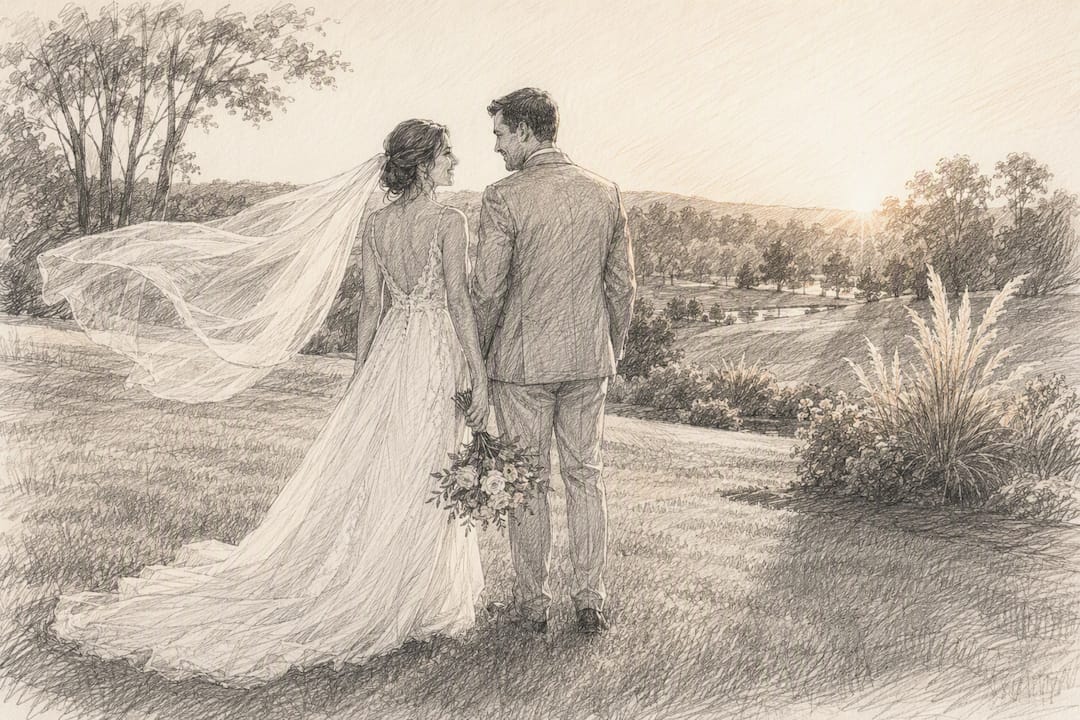
An engagement session is worth the extra booking. Couples who've spent an hour in front of a camera before the wedding tend to relax faster on the actual day, which is the single biggest factor in how natural your portraits end up looking.
A few practical moves that help:
- Ask your photographer for small movement prompts, walk, whisper, laugh, instead of stiff "look here" poses.
- Tell close family and the wedding party to let the photographer work rather than posing for their own phones mid-moment.
- Build a short must-have shot list covering the essentials without scripting every minute of the day.
- Choose an outdoor ceremony or reception site with open shade and good natural light if that's part of your vision.
Our Take: How BGF Photography Approaches Natural Coverage
Billy built BGF Photography's process around one idea: the best wedding photos happen when nobody's thinking about the camera. That means staying unobtrusive during the ceremony, working the reception from the edges instead of the center, and reserving direction for the few minutes it actually helps, family formals and a short couple's session at golden hour.
Booking photography and videography as one team matters more than couples expect. Two separate vendors mean two sets of instructions competing for the same moment; one hybrid team means the coverage stays consistent and nobody's day gets interrupted twice for the same shot.
Couples who want an extra layer of texture can add medium format and 35mm film to their coverage. Film doesn't require posing to work its magic. It just renders the same candid moments with a warmth and grain that digital alone doesn't replicate.
The Real Question Isn't Style, It's Fit
Most advice on this topic treats "candid versus posed" as a battle with a winning side. It isn't. The actual research on couples' preferences shows documentary and candid styles dominate modern bookings because they prioritize emotion over staged perfection, but almost every one of those galleries still includes a handful of intentional portraits. Purists on both sides overstate their case.
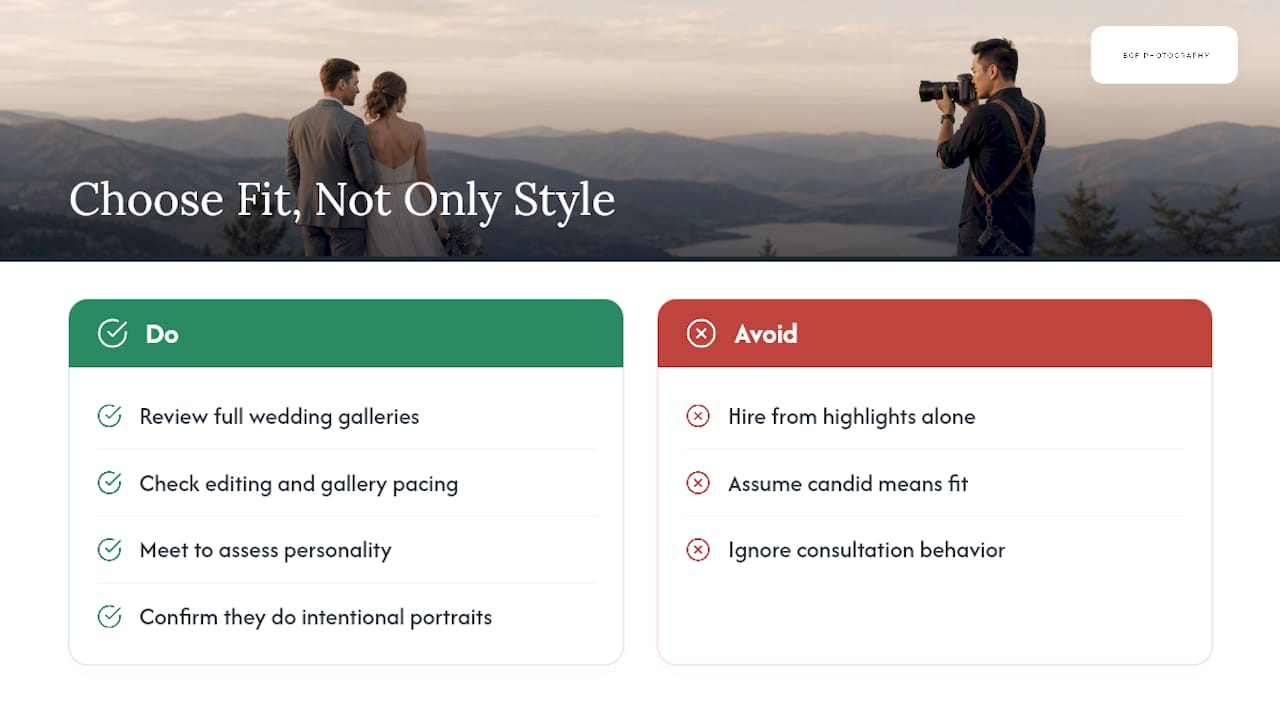
The conventional advice tells couples to just "find a candid photographer" and move on. That skips the harder, more useful question: does this specific photographer's editing, pacing, and personality match how you actually want to feel on your wedding day? A photographer with beautiful candid work who talks over you in consultations will make you tense in front of the lens no matter how unobtrusive their camera technique is.
Prioritize the full-gallery review over the portfolio highlight reel. It's the one step couples skip most often, and it's the one that actually predicts what your own wedding gallery will look like.
— Billy
Book a Natural Wedding Photographer Who Also Handles Video
Some photographers offer a combined photo and video team for couples seeking one cohesive, candid style covering the entire day. Hiring one team instead of two means fewer instructions competing for the same moment and a gallery and film that actually feel like they came from the same wedding.
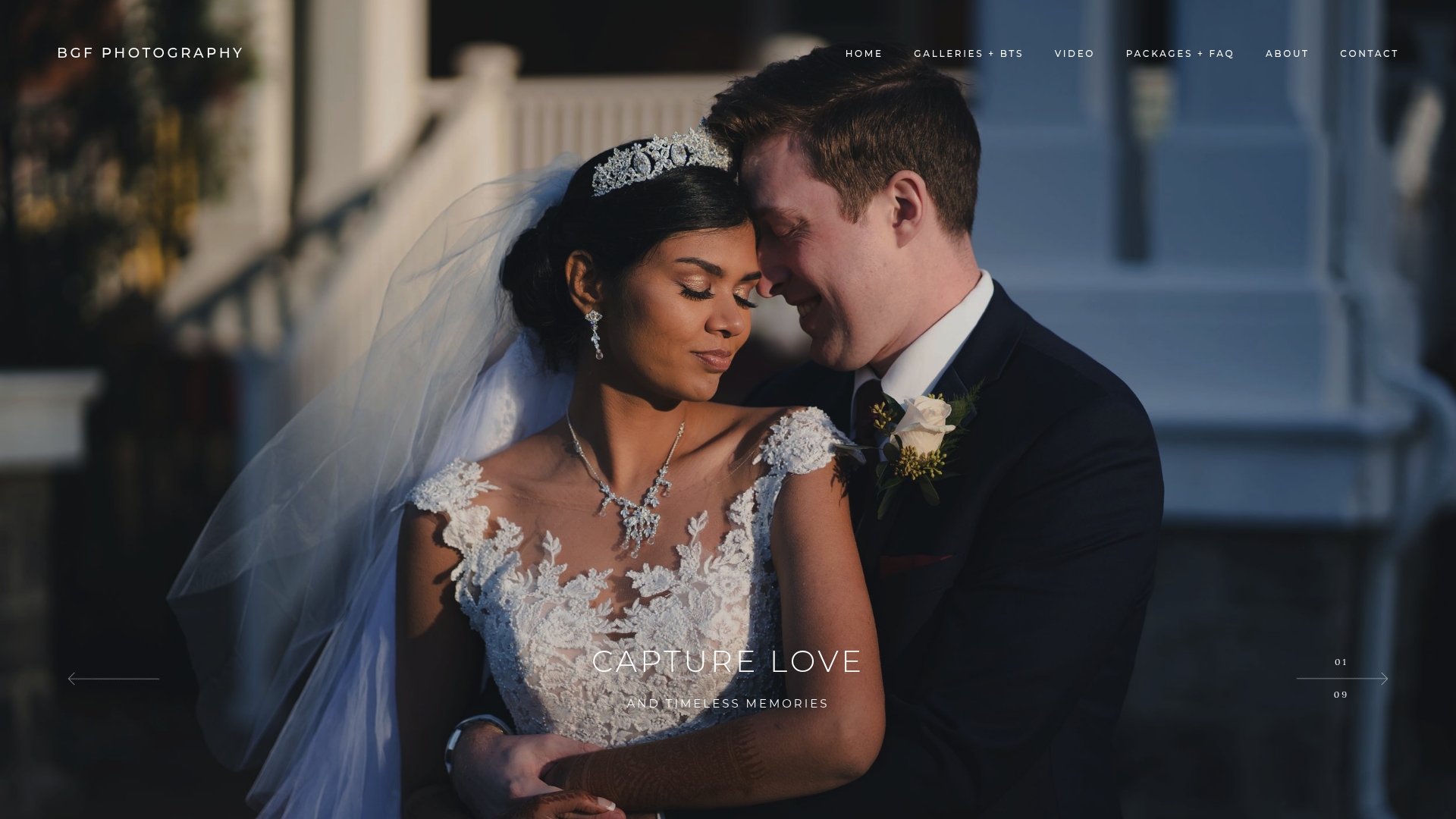
Coverage options include the Full Wedding Day package, 3 to 6 minute highlight films, 9 to 15 minute featurettes, and full length 30 to 60 minute edits for couples who want everything documented. Elopement coverage and a dedicated engagement session are also available for couples who want practice in front of the camera before the big day. Couples wanting extra texture can add medium format or 35mm film by the roll.
Visit the Investment page to see current package pricing and request full wedding galleries from real BGF Photography weddings before you book.
Sources
- Candid Vs Traditional Wedding Photography: Pros, Cons & How To Choose - CT Magazine UK
- How to choose a wedding photographer — Bespoke Bride
FAQ
What Is a Natural Wedding Photography Style?
Natural wedding photography style means documenting real moments as they unfold, using available light and minimal posing rather than staged compositions. Most photographers still include brief, gently directed portraits alongside the candid coverage, since a hybrid approach tends to give couples both emotion and a few polished keepsakes.
How Do I Get Natural Wedding Photos?
Build breathing room into your timeline, schedule portraits around 30 to 45 minutes before sunset for soft golden hour light, and book an engagement session to get comfortable in front of the camera beforehand. Ask your photographer for movement prompts like walking or whispering instead of static poses.
Is $5,000 Too Much for a Wedding Photographer?
It depends entirely on what's included, hours of coverage, number of shooters, travel, and whether video is bundled in. A full day of hybrid photo and video coverage with BGF Photography, for comparison, runs 4000 to 4700 USD for the Full Wedding Day package.
Is $4,000 a Lot for a Wedding Photographer?
Not for a full day of coverage from an experienced team, and it sits right at the starting point of BGF Photography's Full Wedding Day package, priced between 4000 and 4700 USD. Price reflects hours booked, deliverables, and whether photography and videography are combined under one team.
Should I Ask to See Full Wedding Galleries Before Booking?
Yes. Full galleries show how a photographer handles harsh midday sun, dim receptions, and fast-moving dance floors, which a curated highlight reel never reveals. Reviewing two or three complete galleries is the most reliable way to judge consistency before you sign a contract.