
The single most effective thing you can do right now is book a golden hour session, bring two coordinated outfits, and give your photographer a short list of six to eight must-have shots. That combination alone accounts for most of the difference between photos you frame and photos you forget.
Before your session, run through this checklist:
- Book your session at golden hour (the period after sunrise or before sunset when the light is soft and flattering)
- Choose two outfits in complementary, camera-friendly colors
- Write down six to eight must-have shots to share with your photographer
- Plan for a 15–20 minute warm-up at the start so you both relax before the real shooting begins
- Scout or confirm your location at least one week out, with a backup plan for weather
Pro Tip: The warm-up isn't wasted time. It's where the best photos actually happen, because neither of you is performing yet.
Key Takeaways
Romantic couples photography works best when light, outfits, a focused shot list, and a candid-first approach come together before the session starts.
| Point | Details |
|---|---|
| Book golden hour | Schedule 30–60 minutes before sunset or after sunrise for the most flattering, romantic light. |
| Plan a warm-up | Allow 15–20 minutes at the session start so you relax before the real shooting begins. |
| Keep a short shot list | Eight to twelve must-have shots prevent a rushed session and protect key deliverables. |
| Dress in complementary palettes | Neutrals, pastels, or jewel tones in flowing fabrics photograph best and support movement shots. |
| BGF Photography | Candid, unobtrusive sessions in Buffalo, Rochester, and the Finger Lakes, with optional film and hybrid video coverage. |
Table of Contents
- What makes romantic couples photography feel authentic?
- What should your shot list and session timeline look like?
- How should you dress for a couples photo session?
- How do you choose the best location and lighting?
- What should you do to prepare on the day of your session?
- How does a candid photographer actually capture romantic moments?
- What couples actually worry about, and how to handle it
- BGF Photography: candid couples sessions in Buffalo and Rochester, NY
- Sources
- FAQ
What makes romantic couples photography feel authentic?
Great intimate couples photography isn't about perfect poses. It's about genuine connection captured at the right moment, and that requires a mix of structure and spontaneity. According to 500px's posing guide, mixing posed anchor shots with movement and candid prompts produces more natural, romantic results than static posing alone.
Here are the core pose categories, with brief notes on how to execute each:
- Intimate close-ups: Stand forehead to forehead or nose to nose. The photographer shoots tight, often at 85mm or longer, to compress the background and keep the frame on your faces. No forced smiles needed.
- Walking away from camera: Walk slowly, hand in hand, without looking back. This creates a cinematic, story-driven frame and removes the self-consciousness of facing a lens.
- Playful spins and lifts: One partner spins the other, or lifts them slightly. The movement creates genuine laughter and loose, natural body language.
- Forehead and nose touches: One of the most tender shots in couples portraits. Close your eyes, breathe, and let the photographer work. The stillness reads as intimacy on camera.
- Silhouette and embrace: Shot against a bright sky or window, the couple holds each other while the photographer exposes for the background. The result is graphic, romantic, and timeless.
- Foreground layering: The photographer shoots through leaves, tall grass, or fabric to frame the couple in the middle distance. It creates a sense of private intimacy, as if the viewer is glimpsing something real.
Pro Tip: Ask your photographer to keep you moving between poses. A slow walk, a half-turn, a whispered word — motion breaks the stiffness that static posing creates, and the frames between the "official" poses are often the strongest ones.
What should your shot list and session timeline look like?
A focused shot list of eight to twelve must-haves prevents a rushed session and keeps deliverables on track while still leaving room for spontaneous moments. Here's a sample timeline for a 60-minute romantic photo session:
- Minutes 0–15: Warm-up. Arrive, walk the location, try a few easy poses. The photographer encourages natural interaction rather than perfection. This is where nerves settle.
- Minutes 15–35: Posed anchor shots. Work through your must-have list in a relaxed order. No rushing.
- Minutes 35–50: Candid and movement set. Prompts, walking shots, playful moments. The photographer steps back and shoots from a distance.
- Minutes 50–60: Outfit change or bonus location. If you brought a second outfit, use the last ten minutes for a quick change and a few final frames.
Your must-have shot list:
- The kiss (close-up and wide)
- Forehead touch
- Walking hand in hand, away from camera
- Ring or hand close-up
- Full embrace, eyes closed
- Laughter close-up (prompted, not posed)
- Silhouette against sky or window
- One candid, unscripted moment
For prompts that actually work, movement-based cues outperform "say cheese" every time. Try these:
- "Whisper something that only you two would find funny."
- "Walk toward each other as slowly as possible without laughing."
- "One of you close your eyes. The other one just looks at them."
The last prompt, in particular, tends to produce the quiet, unguarded expressions that make a photo feel like a memory rather than a portrait.
How should you dress for a couples photo session?
Outfit choices affect the final images more than most couples expect. The goal isn't to match exactly. It's to complement each other and the location without competing with either.
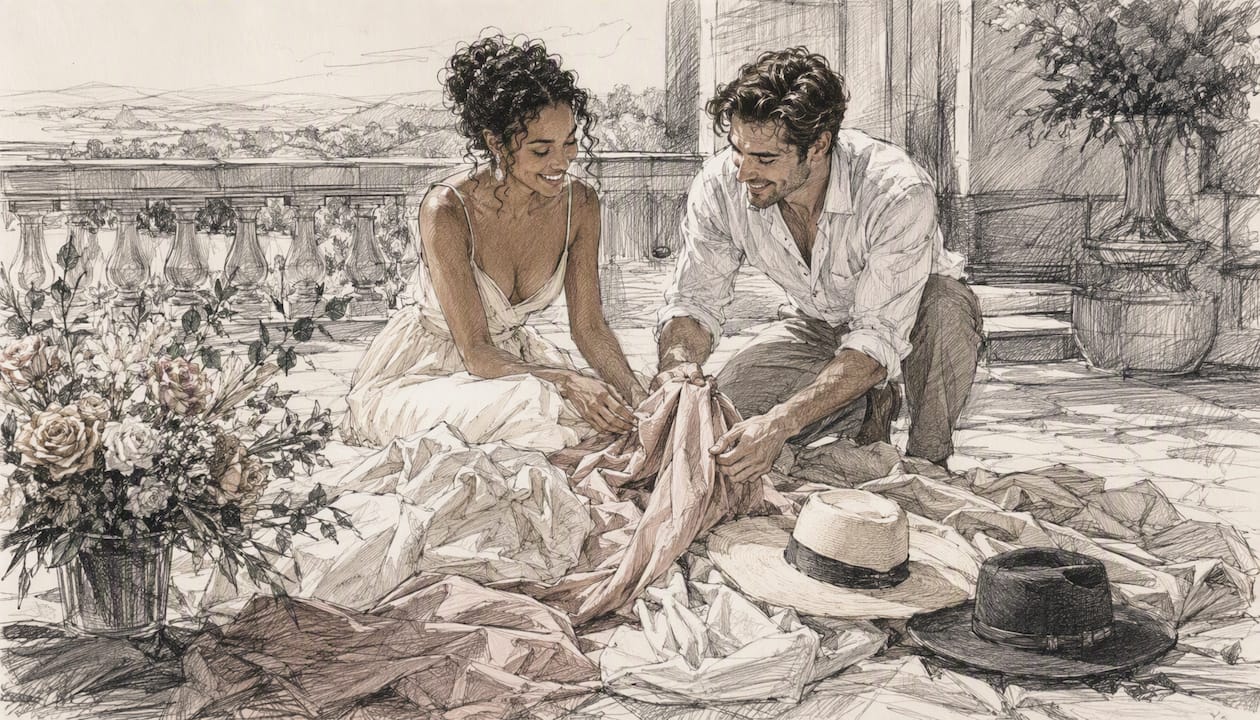
Flowing fabrics and a limited color palette — neutrals, pastels, or jewel tones — work best on camera because they move well in dynamic shots and don't distract from faces. Tiny patterns (harp checks, small florals, narrow stripes) create a visual vibration on camera called moiré, which is distracting and can't be fixed in editing.
What to wear checklist:
- Colors: Stick to one palette family. Sage and cream, navy and blush, burgundy and tan all work. Avoid neon, bright white in direct sun, or all-black in low light.
- Fabrics: Linen, chiffon, silk, and soft cotton photograph beautifully. Stiff fabrics restrict movement and read as formal even when you're not trying for that.
- Coordination, not matching: Wearing identical outfits looks staged. Instead, pull one color from your partner's outfit into your own as an accent.
- Footwear: Bring a comfortable backup pair. Heels look great for a few frames but become a liability on uneven ground.
- Accessories: Keep them simple. One statement piece per person is enough.
A practical two-outfit strategy: one flowing, movement-friendly look for the candid and walking shots, and one slightly dressier option for formal portraits. This maximizes variety without eating into session time.
Pro Tip: Lay both outfits flat and photograph them side by side on your phone before the session. Send that photo to your photographer so they can flag any issues before you arrive.
How do you choose the best location and lighting?
Light is the single biggest variable in romantic photography, and golden hour is the most forgiving window you have. The soft, warm, directional light that appears in the 30–60 minutes after sunrise and before sunset flatters skin tones, creates natural lens flare, and produces long shadows that add depth to wide shots.
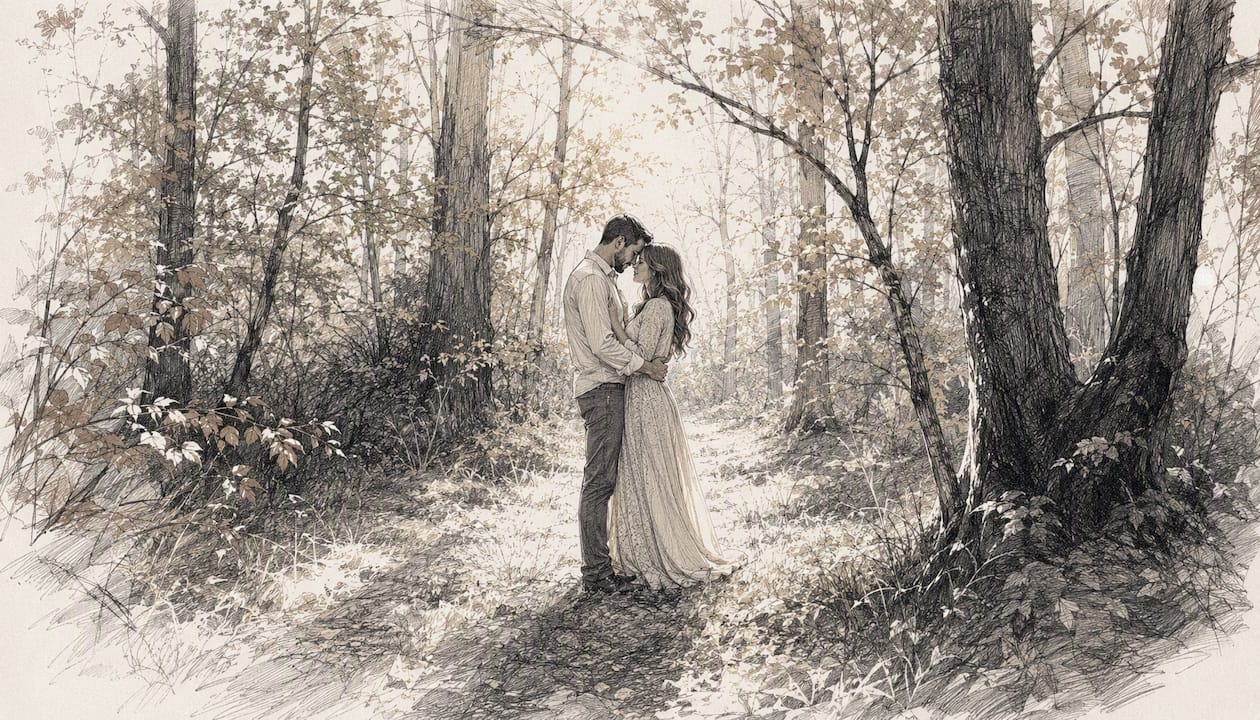
Sunrise and sunset both work. Sunrise sessions tend to have fewer people at popular locations and cooler temperatures in summer. Sunset is easier to schedule around work and travel. Plan your session around light first, then availability — not the other way around.
Location types and what they convey:
- Urban/architectural: Clean lines, graphic backgrounds, editorial mood. Works well for couples who want a fashion-forward feel.
- Park or field: Soft, natural, romantic. Tall grass and tree canopies create natural framing. Best at golden hour.
- Beach: Wide, open, cinematic. Requires attention to wind (hair, fabric) and tidal timing.
- At-home or studio: Intimate and personal. Window light at midday can be surprisingly beautiful for close-up couples portraits.
- Meaningful personal locations: A coffee shop where you had your first date, a neighborhood you both love. Props and locations with genuine emotional connection photograph better than generic "pretty" backdrops because the couple's comfort shows.
Quick lighting cheat sheet:
- Backlight (sun behind the couple): Creates a glowing rim light and dreamy flare. Ideal for silhouettes and embrace shots.
- Side light: Adds dimension and shadow to faces. Flattering for close-ups.
- Window light (indoors): Soft, directional, and controllable. Position the couple at a 45-degree angle to the window.
Always have a weather contingency. Identify one indoor backup location before the session day. Overcast light is actually excellent for portraits — it's soft and even — so a cloudy day is rarely a reason to reschedule.
What should you do to prepare on the day of your session?
Arriving prepared takes about ten minutes of planning and saves an hour of stress. The couples who get the best images are almost always the ones who showed up early, rested, and ready.
Day-of checklist:
- Arrive 10–15 minutes early to settle in and walk the location
- Bring a small touch-up kit: powder, lip color, a small brush
- Pack an alternate pair of shoes (especially if heels are involved)
- Carry a few safety pins or a small sewing kit for wardrobe emergencies
- Eat beforehand — low blood sugar makes people irritable and it shows
For hair and makeup, professional styling is worth it for sessions you plan to print or display. Schedule hair and makeup to finish 30–45 minutes before the session start time, not right before, so you have a buffer. Heavy contouring and very dark lip colors can look unnatural in outdoor light; ask your stylist for a "camera-ready" look rather than a stage look.
Including pets: Bring a handler who isn't being photographed. Pets are unpredictable, and having a third person manage the leash or carrier frees both of you to focus on each other. Plan for the pet to be in only a portion of the session, not the whole thing.
Including children: Keep their involvement short and early in the session, before they get tired. Have a snack and a distraction ready for when they're done.
Pro Tip: If rain is in the forecast, don't automatically reschedule. Overcast skies produce some of the most flattering light for portraits, and a light drizzle can create genuinely beautiful, moody images. Talk to your photographer before canceling.
For more on preparing for candid photos, the day-of mindset matters as much as the logistics.
How does a candid photographer actually capture romantic moments?
The candid approach isn't passive. It's a structured method that uses low-intervention prompts, constant repositioning, and deliberate restraint to let real moments surface.
Here's how the workflow typically looks in practice:
- Warm-up phase: The photographer gives easy, low-stakes prompts ("just walk with me") and shoots continuously without directing expressions. The goal is to get the couple comfortable with the camera nearby.
- Prompt-driven middle phase: Short, specific prompts replace pose commands. "Whisper something" produces a real lean-in. "Walk toward each other slowly" produces genuine anticipation. The photographer stays back and shoots at a longer focal length to avoid interrupting the moment.
- Step-back phase: Once the couple is relaxed, the photographer moves to the edges of the frame and shoots candidly while they interact naturally. This is where the most emotionally resonant images tend to appear.
- Foreground and framing adjustments: The photographer uses natural elements — branches, doorways, fabric — to frame the couple and create depth without staging anything.
When reviewing a photographer's portfolio, ask for three things: a full gallery from a single session (not just highlights), examples of candid in-between moments, and at least one low-light or overcast sample. A portfolio of only golden-hour highlight shots tells you less than a full session does.
For guidance on choosing a candid photographer whose style fits your personality, the approach matters as much as the technical skill. Preparing a short moodboard or a handful of reference images before your booking call also helps communicate your vision clearly and saves time during the session itself.
What couples actually worry about, and how to handle it
Most couples walking into a photo session share the same three concerns: they feel awkward in front of a camera, they think they're unphotogenic, and they're not sure what to do with their hands. Every single one of those worries is normal, and every single one of them is solvable.
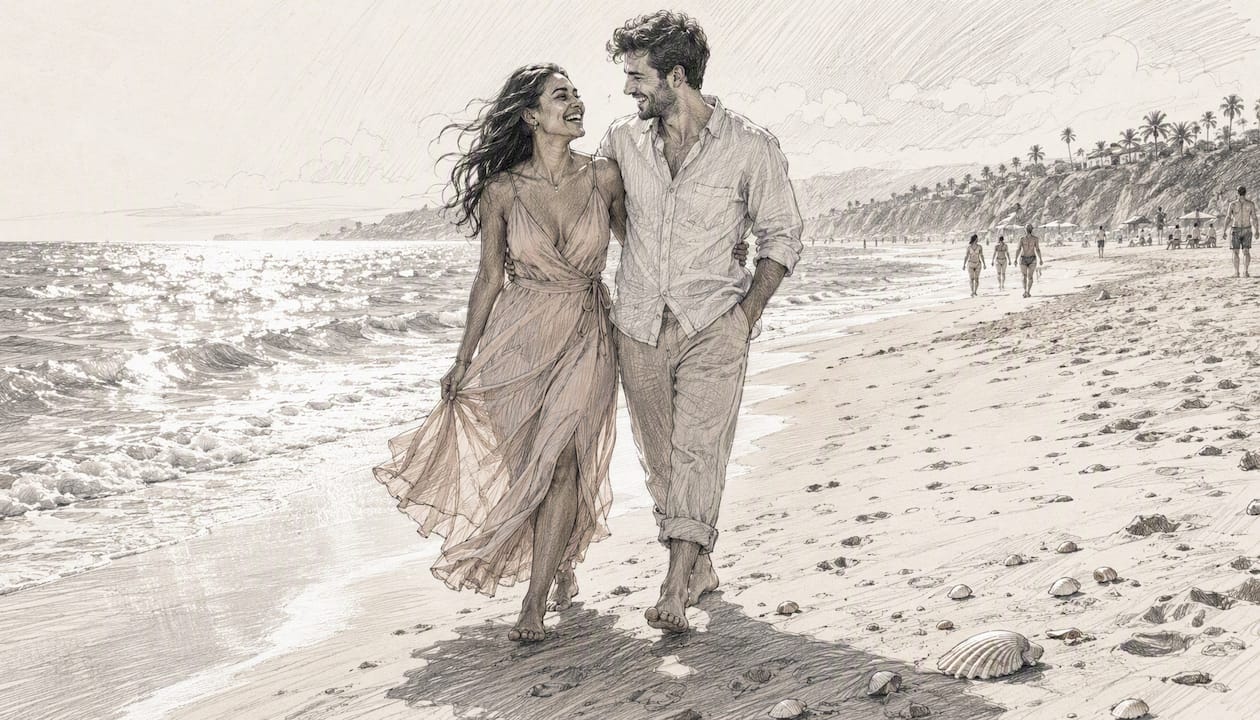
Feeling awkward: This is exactly why the warm-up exists. The first 15 minutes aren't meant to produce great photos. They're meant to get you past the stiffness so the rest of the session can. A good photographer reads this and doesn't rush you.
Feeling unphotogenic: Most people who say this have only seen unflattering candid phone photos of themselves. Professional lighting, a longer lens, and a photographer who knows how to direct your chin and posture change the result entirely. You don't need to be photogenic. You need to be present.
Not knowing what to do with your hands: This is the photographer's job to solve, not yours. If you're not given a clear prompt, ask for one. "What should I do with my hands?" is a completely reasonable question and a good photographer will have an immediate answer.
Timing conflicts and weather: Build a 15-minute buffer into your arrival time and confirm the backup location in advance. Most sessions can absorb a short delay without losing the light.
The couples who leave a session happiest are usually the ones who trusted the process, stayed curious instead of self-critical, and let the photographer lead. Your only job is to show up and be with each other.
BGF Photography: candid couples sessions in Buffalo and Rochester, NY
BGF Photography offers candid couples and engagement sessions built around the same unobtrusive, emotion-first approach that defines their wedding photography packages. No stiff posing, no generic backdrops. Sessions are tailored to your relationship, your location, and your timeline, with optional film photography for a warm, nostalgic finish.
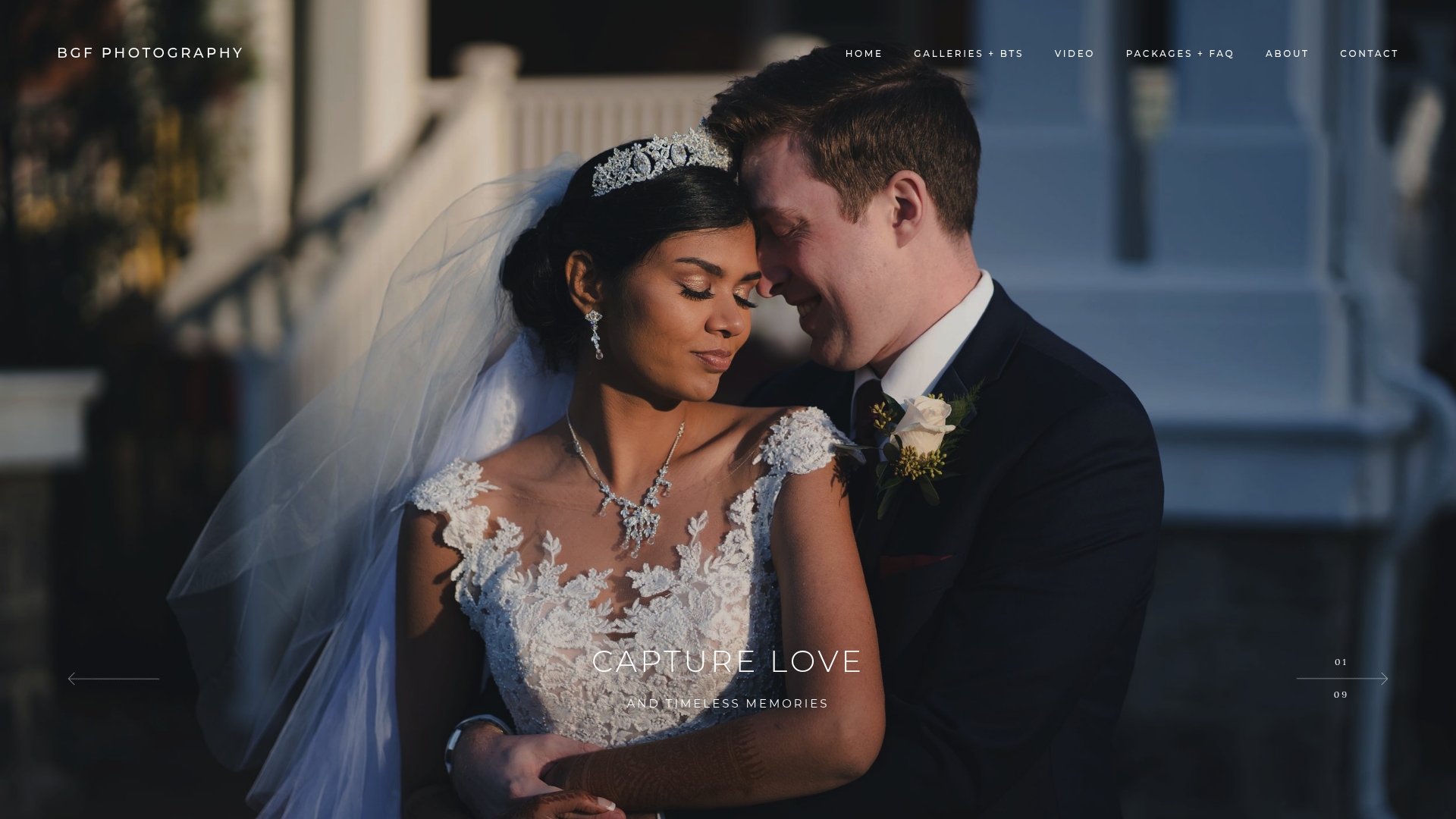
Hybrid photo and video coverage is available for couples who want both under one cohesive style. BGF Photography serves Buffalo, Rochester, the Finger Lakes, and surrounding areas in New York.
To get started: check availability for your preferred date, schedule a short consultation call, and review the full packages and pricing at the investment page. A retainer secures your date, and a pre-session prep call ensures you arrive knowing exactly what to expect. Spots fill quickly during peak season, so reaching out early gives you the most flexibility.
Sources
- 6 Tips for Romantic Couples Photography
- 50+ Adorable Couple Poses for Beautiful Portrait Photography
- Couples photography tips, tricks & guide
FAQ
How long does a romantic couples photo session typically last?
Most sessions run about an hour and commonly deliver 30–40 edited images. Add extra time if you plan an outfit change or want to include pets.
What is the best time of day for couples portraits?
Golden hour, the 30–60 minutes after sunrise or before sunset, produces the softest, most flattering light for romantic portraits. Overcast midday light is a strong second option for close-up work.
How do we avoid looking stiff or awkward in photos?
A 15–20 minute warm-up at the start of the session helps significantly. Movement-based prompts ("walk slowly toward each other," "whisper something") produce natural expressions far more reliably than asking couples to pose and hold.
What should we bring to a couples photo session?
Bring two coordinated outfits, a small touch-up kit, comfortable backup shoes, and a short list of must-have shots to share with your photographer. A moodboard or a few reference images helps communicate your style preferences quickly.
Does BGF Photography offer couples sessions outside of weddings?
BGF Photography's candid approach applies to engagement and couples sessions as well as full wedding coverage. Sessions are available in Buffalo, Rochester, and the Finger Lakes region of New York. Visit the packages page for current availability and pricing.