
A cinematic wedding video is shaped like a short film: planned shots, chosen music, and an edit that builds a story. A documentary wedding video records the day as it happens, mostly in order, with no posing or direction. Most couples do not have to pick one. The best wedding films borrow from both, and the real decision is how much of your day you want to relive and in what form.
This guide explains what each style is, how they differ in filming, editing, length and price, and how to decide. It also covers what to ask a videographer before you sign.
TL;DR
- Cinematic video is curated and story-driven, usually a short film of a few minutes. Documentary video is hands-off and sequential, usually longer.
- Cinematic edits lean on music and a story arc. Documentary edits lean on real audio, real speeches and real timing.
- The strongest approach is hybrid: a short cinematic highlight plus a longer documentary-style edit of the moments that matter.
- Our published video prices run from $1,400 for a 3-6 minute highlight to $2,600 for a 30-60 minute full-length film.
- Judge a videographer by full wedding films, audio quality and turnaround, not by a one-minute trailer.
Table of Contents
- What Is a Cinematic Wedding Video?
- What Is a Documentary Wedding Video?
- Cinematic vs Documentary: Side by Side
- How the Two Styles Differ in the Edit
- Length and Deliverables
- What Each Style Costs at BGF Photography
- The Hybrid Approach: Why Most Couples Should Not Choose
- Perspective: What We Have Learned Shooting Weddings
- Booking Both Styles With One Team
- How to Decide Between Cinematic, Documentary and Hybrid
- What to Ask Before You Book
- Common Mistakes Couples Make
- FAQ
- Sources
What Is a Cinematic Wedding Video?
Cinematic video borrows the craft of filmmaking: deliberate framing, shallow depth of field, motivated camera movement, careful lighting and color grading, and sound design. The goal is emotion. One camera maker's guide to cinematic videography describes it as capturing video with the techniques, look and intentionality of traditional filmmaking, using light, composition, movement and sound to tell a visual story.
Applied to a wedding, that means the videographer is thinking about a film while the day unfolds. They look for the light on the dress, the groom's face at the end of the aisle, the hands during the vows. Then in the edit they choose music, order the moments for the biggest emotional payoff, and shape the whole thing into a story. Brides describes it as a beautiful, curated, purposeful film that feels like a movie.
A few things usually come with the cinematic label:
- A defined arc. The film may open with getting ready, build through the ceremony, and land on a toast or the dance floor, even if that is not the order things happened.
- Selected music. The soundtrack carries much of the feeling. Real audio, such as vows or a toast, is often layered in at key points.
- A distinct look. Color grading, slow motion and stabilized movement give the film a consistent visual identity.
- Some light direction. A cinematic shooter may ask for a few minutes of portraits, a walk with your partner, or a second take of an exit when the light is right.
What Is a Documentary Wedding Video?
Documentary wedding videography is closer to journalism. The videographer observes and records. Brides notes that documentary filmmakers take an utterly hands-off approach, capturing moments naturally without direction or asking couples to pose.
The result is usually more sequential. The same guide explains that documentary-style films may be less story-driven and more sequential, while cinematic edits rely on carefully chosen music and the overarching story of the couple's wedding and relationship. You see the ceremony as it unfolded, you hear the actual words, and you catch the small, unplanned moments: your grandfather's reaction, the flower girl wandering off, the laugh before the first dance.
Typical traits of the documentary approach:
- Chronological flow. Events appear in the order they happened.
- Natural sound. Vows, speeches, laughter and room tone are the soundtrack, often with light music underneath.
- Minimal interference. No staging, no repeated entrances.
- More complete coverage. Full ceremonies and toasts are often kept intact, because they are the point.
If you want a deeper look at the style from a couple's point of view, our guide to documentary wedding videography covers who it suits.
Cinematic vs Documentary: Side by Side
| Cinematic | Documentary | |
|---|---|---|
| Main goal | Evoke emotion through a crafted story | Preserve what really happened |
| On the day | Planned shots, some light direction | Observing, no direction |
| Edit structure | Story arc, moments reordered | Mostly chronological |
| Audio | Music-led, key real audio layered in | Real audio-led, light music |
| Typical length | A few minutes (highlight) | Longer, often 15 minutes to an hour or more |
| Best for | Sharing, rewatching, social posts | Reliving the full day, preserving speeches |
| Risk | Can feel polished at the cost of spontaneity | Can feel long if the edit is loose |
The lines blur in practice. A cinematic videographer who never directs anyone is working documentary-style on the day and cinematic in the edit. A documentary shooter with a good eye and strong color work is producing something cinematic in look. The style names describe emphasis, not two separate trades.
How the Two Styles Differ in the Edit
The biggest difference shows up after the wedding. Footage from a single day can run many hours across multiple cameras and microphones. What you receive depends on what the editor does with it.
Story Structure
A cinematic edit asks, "What is the story of this couple on this day?" The answer might be the nerves before the ceremony, a father's tears, a joke that lands in a toast. The editor cuts toward those beats and drops the rest. A documentary edit asks, "What happened, and what should be kept?" and preserves more of the actual flow.
Music and Sound
In a highlight film, music is the spine. The editor cuts to the rhythm of the song and lifts real audio in and out. In a documentary edit, the sound of the day carries the film. That makes audio capture critical. A good videographer mics the officiant and the couple, records speeches from a feed or a dedicated recorder, and balances those against ambient sound. If you ever hear a ceremony film where the vows are muffled, that is an audio planning problem, not a style problem. Our guide on capturing wedding vows on video explains what to plan.
Color and Look
Cinematic work usually applies a more stylized grade, with a consistent look across cameras and lighting changes, such as a dim church moving into bright afternoon sun. Documentary work tends toward a natural, true-to-life grade. Neither is better. It is a matter of taste, and you can see taste clearly in a full film sample.
Editing Time
Good editing is slow. One editing-services company estimates that a full wedding deliverable package takes roughly 20 to 30 hours for culling, syncing, editing, color grading and audio mixing, and more for cinematic documentary-style films. That is why turnaround times vary and why a rock-bottom price often means a thin edit. For a closer look at how editors approach the work, see our couples guide to types of wedding film editing.
Length and Deliverables
Length is where the two styles become practical choices. A common structure is:
- Highlight film: a few minutes, cinematic, built for sharing and rewatching.
- Featurette: roughly 9 to 15 minutes, a middle ground with room for the ceremony and toasts to breathe.
- Full-length film: 30 to 60 minutes, closer to documentary, with the day told in order.
- Raw or unedited footage: sometimes offered for an additional fee.
The longer a film, the more it behaves like a document and the less it behaves like a trailer. You may watch a highlight dozens of times. You will watch the full-length film a handful of times, usually on an anniversary or when a family member who was there is no longer around. Both have value.
If you are unsure how long each should be, our breakdown of wedding video length and packages walks through use cases, and the highlight reel planning guide shows how to decide what belongs in a short film.
What Each Style Costs at BGF Photography
Prices vary by market and videographer, so it helps to see real numbers. These are our published prices on the packages and investment page at the time of writing:
| Deliverable | Length | Price |
|---|---|---|
| Highlight Video | 3-6 minutes | $1,400 |
| Featurette Video | 9-15 minutes | $1,800 |
| Full Length Video | 30-60 minutes | $2,600 |
| Additional Video Edit | Varies | $200-$600 |
| Unedited Footage | Raw | $500 |
| Additional Drone Pilot | Aerial coverage | $500-$700 |
The highlight is the cinematic-leaning piece. The full-length film is the documentary piece. The featurette sits between, and many couples find it the best balance of story and substance. Check the page itself for current details before you plan a budget, since prices can change.
The Hybrid Approach: Why Most Couples Should Not Choose
The cinematic versus documentary debate assumes you can only have one. You do not have to. A videographer who shoots documentary-style on the day, without interrupting anything, has everything needed for both: a cinematic highlight for the emotional summary, and a longer edit that keeps the ceremony and speeches whole.
This is how we work. We stay out of the way during the day so that people act like themselves. Then in the edit we shape a short film for the feeling, and a longer film for the record. Because one team shoots and edits both pieces, the look, color and sound match. That cohesion is one reason couples choose to book photo and video together: the stills and the film feel like the same day told by one person.
A hybrid works best when:
- You want a film to share soon after the wedding and a longer record for later.
- Your day has moments you do not want trimmed, such as a long toast or a heartfelt vow exchange.
- You dislike being directed and want to stay present with your guests.
- You still love the polish of a well-crafted film.
Perspective: What We Have Learned Shooting Weddings
We have found that couples rarely regret the footage of real moments, and they sometimes regret the staged ones. Nobody remembers the second take of the confetti exit. They remember their dad wiping his eyes during the ceremony, a quiet joke between the two of them, the sound of the room when they were announced. So we shoot candidly, with a natural, unobtrusive approach, and let those things unfold.

That does not mean the film should look unconsidered. Candid does not mean careless. Choosing where to stand, watching light, and anticipating a reaction half a second before it happens is the craft, and it is why a candid film can still feel cinematic. The edit then decides whether you get a three-minute story or a full-length document. We think couples are best served by having both.
For couples who love a nostalgic look, we also offer medium format and 35mm film on the photography side, which pairs nicely with a video style that values real moments over staged ones. Whatever you choose, ask to see a full wedding film, not just a trailer. A good trailer can hide weak audio and thin coverage.
— Billy
Booking Both Styles With One Team
If you are planning a wedding in Buffalo, Rochester or the Finger Lakes and want photography and video that feel like one story, we offer hybrid coverage so both are shot in the same candid style. You can see packages, video options and add-ons, including drone coverage and film, on our investment page.
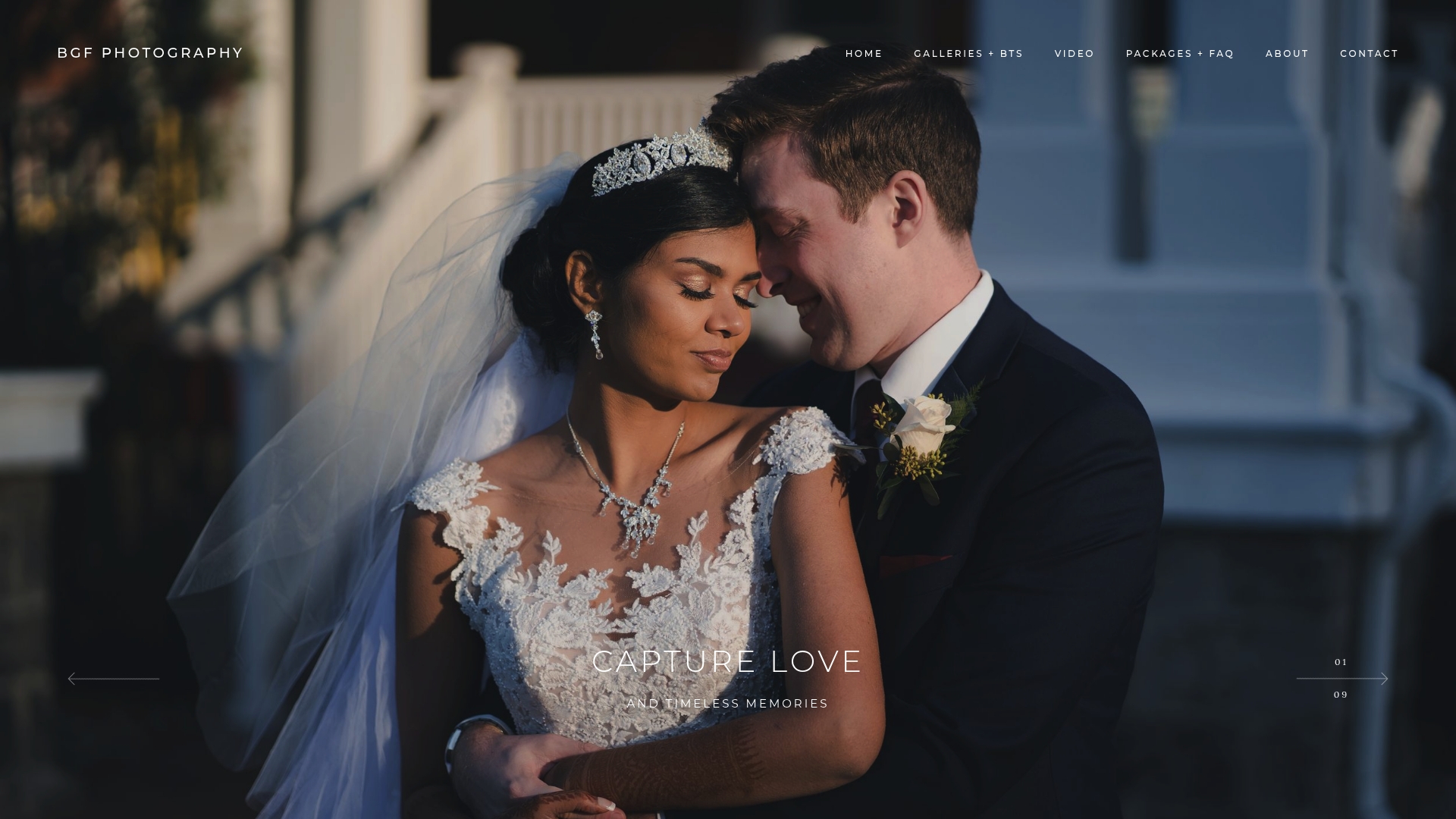
We plan the film with you before the day: which moments matter most, who needs to be heard in a toast, and what length of film fits how you will actually watch it. Our full wedding day package is listed at $4,500 to $5,200, and video deliverables can be added to suit your day.
How to Decide Between Cinematic, Documentary and Hybrid
Use these questions to find your answer quickly.
How Will You Watch the Film?
If you imagine sharing a short film with friends and family right after the wedding, you want a cinematic highlight. If you imagine sitting down on your tenth anniversary to watch the ceremony and speeches, you want a documentary-style edit. If both feel true, go hybrid.
How Do You Feel Being Directed?
Some couples love the portrait-session feel of a cinematic shoot. Others find it stressful on their wedding day. If you want to stay with your guests and not be pulled away, a documentary approach on the day, with a cinematic edit afterward, is the least intrusive way to get a beautiful film.
What Matters in Your Ceremony and Toasts?
If you wrote your own vows, or you have a best man who will make the room cry, those pieces are worth keeping whole. A highlight will include only a snippet. Make sure your package has a longer edit that preserves them.
What Is Your Budget?
A highlight is the entry point, and adding length adds editing time. Prioritize the piece you will care about most, and consider adding the others later where a videographer offers additional edits. Our add-on pricing for an additional video edit is listed on our investment page.
How Big Is the Day?
A large wedding with multiple locations benefits from a second shooter or drone coverage. A small elopement or micro wedding may be well served by a tight highlight. Our guide to micro wedding videography covers how to size coverage for smaller days.
What to Ask Before You Book
Whatever style you choose, the videographer's process matters as much as the label. Ask these questions:
- Can I see a full wedding film? A trailer is a best-of-best. A full film shows audio, consistency and pacing.
- How do you record audio? Ask how the officiant, the couple and the speeches are captured, and what happens if a microphone fails.
- What is the coverage? Confirm hours, number of shooters and whether drone is included or extra.
- What do I receive? Highlight, ceremony edit, speeches, full-length film, raw footage: know what is included and what costs more.
- What is the turnaround? Timelines differ between highlight and full-length films, and a good contract states them.
- How do revisions work? Ask how many rounds you get and what feedback format works best.
- What music can be used? Licensing affects what soundtrack you can choose and where you can share the film.
Our longer list is in questions to ask your wedding videographer, and our guide to wedding video turnaround clauses explains how to put delivery dates into the contract.
When you meet a videographer, bring a short creative brief: your timeline, must-include moments, a few songs you love, and a couple of films whose style you admire. It makes the conversation concrete and shows quickly whether you and the videographer see things the same way.
Common Mistakes Couples Make
Choosing from a trailer alone. Trailers are cinematic by design. Ask for a ceremony or toast sample too.
Assuming cinematic means staged. Many cinematic films are shot candidly and shaped later. Ask how the videographer works on the day.
Assuming documentary means boring. A well-edited documentary-style film is full of life. It is long, not slow.
Skipping audio questions. The vows and toasts are what you will want to hear in twenty years. Make sure they are recorded well.
Forgetting the photo and video connection. If photographers and videographers work separately, they can compete for positions and light. Booking both under one team avoids that. For a view on the photo side of the same candid approach, see our guide to documentary wedding photography and family formals.
FAQ
What Is the Main Difference Between Cinematic and Documentary Wedding Video?
Cinematic video is crafted like a short film, with planned shots, selected music and a story arc. Documentary video records the day as it happened, mostly in order and without direction. Cinematic films tend to be shorter, and documentary films tend to be longer.
Can I Get Both Styles in One Wedding Film Package?
Yes. Many videographers, including us, deliver a short cinematic highlight and a longer edit that keeps the ceremony and speeches intact. Because both come from the same footage, the look and sound match. Ask what the package includes before you sign.
Which Style Is Better for Couples Who Dislike Being on Camera?
Documentary-style shooting is usually the most comfortable, since the videographer observes and does not direct. You can still receive a polished, cinematic edit afterward. Ask any videographer how much direction they expect on the wedding day.
How Long Does a Wedding Film Take to Be Delivered?
It depends on the videographer and the film length, with highlights typically arriving sooner than full-length films. Editing a full package can take many hours of work. Ask for delivery windows in writing and put them in your contract.
Sources
- Wedding Videography Styles: A Complete Guide (Brides)
- What Is Cinematic Videography (Insta360)
- Wedding Video Editing Services (Storia)