
The photographer you hire must document every ceremony, every skin tone, and every sacred moment with the same care, and the fastest way to assess a photographer's consistency is by asking for full, unedited galleries instead of a highlights reel. Confirm multi-ceremony or multi-day experience next, then lock in a second shooter if your day has more than one event. Last, schedule a real conversation about your traditions before the wedding, not a shot list handed over the week of.
TL;DR:
- Ask for full, unedited galleries to assess a photographer's consistency in lighting, skin tone handling, and coverage of complete ceremonies and candid moments.
- Confirm a photographer's experience with multi-ceremony, multi-day weddings, and ensure they have a second shooter and backup gear to manage demanding logistics.
- Prioritize photographers who ask questions, understand your traditions, and coordinate respectfully with families and cultural guides during sacred moments.
- Review full galleries under different lighting conditions to verify skin tone accuracy and identify any exposure swings or gaps in coverage.
- Schedule ample buffer time between ceremonies, outfit changes, and multiple locations to avoid rushing critical moments in multicultural weddings.
Table of Contents
- What Does a Multicultural Wedding Photographer Actually Do?
- Key Skills and Technical Capabilities to Look For
- Why Full Galleries Matter More Than Highlight Reels
- Planning Timelines for Multiple Ceremonies and Outfit Changes
- Questions to Ask and Why a Brief Beats a Shot List
- Working Respectfully With Traditions and Families
- Why BGF Photography Fits Multicultural Wedding Coverage
- What Makes a Multicultural Gallery Actually Meaningful
- Book Coverage Built for Multi-Ceremony Days
- Sources
- FAQ
What Does a Multicultural Wedding Photographer Actually Do?
A multicultural wedding photographer documents distinct rituals, manages dramatic shifts in lighting and formality between events, and preserves what each moment actually means to your families rather than just how it looks. That's a heavier job than a single-ceremony wedding, because multicultural weddings often stack multiple ceremonies, several outfit changes, and back-to-back celebrations across different days, which demands real planning and stamina.
The role includes:
- Documenting each ritual in the order and location it actually happens
- Adjusting exposure and color as you move between indoor temples, outdoor gardens, and dim reception halls
- Coordinating with officiants, cultural guides, and family members who know the sequence
- Preserving context in captions or notes so images make sense years later
Here's the part couples miss: shared cultural background helps but isn't required. What matters more is a photographer who prepares, asks good questions, and shows up humble rather than assuming they already know your traditions.
Key Skills and Technical Capabilities to Look For
Skin tone and lighting expertise separates photographers who merely attend your wedding from those who actually capture it well. Ask directly how they meter and expose for mixed skin tones in the same frame, especially under harsh sun, string lights, or the low, warm light common in many ceremony halls. A photographer who can't answer specifically, and instead says something vague like "I adjust as needed," hasn't thought it through.
Beyond exposure, look for:
- A clear flash policy for dim spaces where flash may be restricted or culturally inappropriate
- A defined editing workflow that keeps skin tones accurate rather than flattened toward one default look
- Experience photographing fast-moving rituals (a garland exchange, a tea pour) where the decisive moment lasts seconds
- Comfort working large group portraits efficiently without losing energy on hour six of the day
- A second shooter and backup gear, since multi-day weddings punish anyone running on a single body and one battery
Pro Tip: Ask to see one full gallery shot mostly indoors under warm, low light. That single request tells you more about a photographer's skin tone handling than any portfolio highlight ever will.
Postproduction consistency matters just as much as what happens during the ceremony. A photographer whose edits shift wildly in tone from wedding to wedding is still finding their process, and your gallery shouldn't be the place they figure it out.
Why Full Galleries Matter More Than Highlight Reels
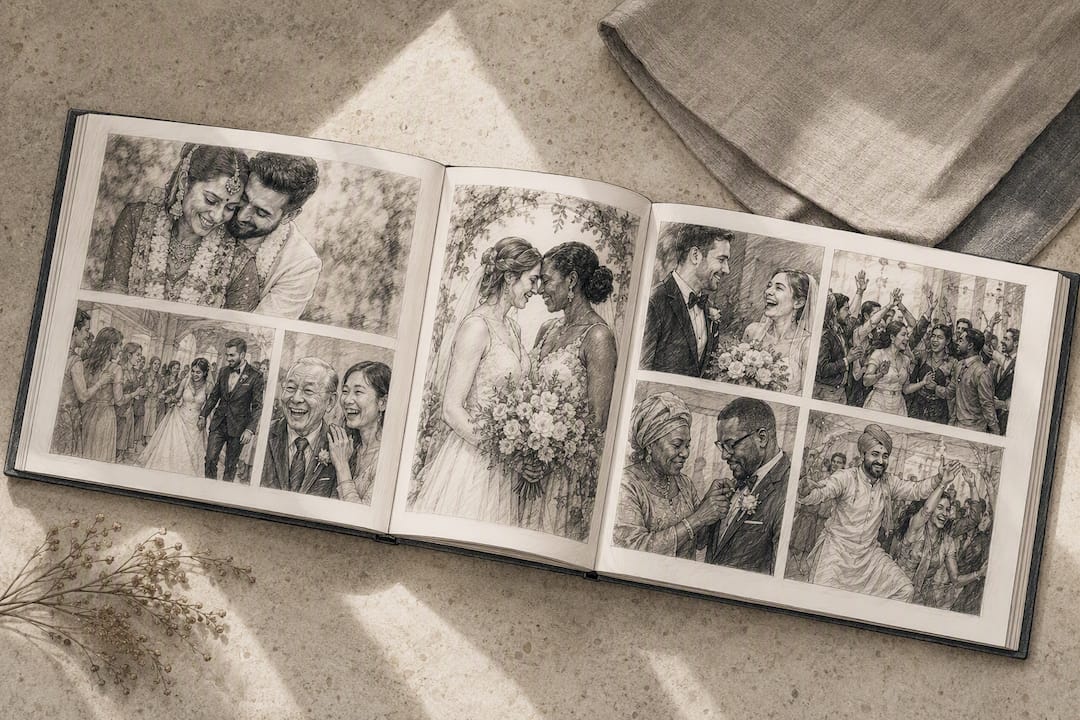
Highlight reels are curated by definition, which means they hide exactly the weaknesses you need to see. A full, unedited or lightly edited wedding gallery shows consistency across lighting conditions, how the photographer handles the slow stretches, and whether their documentary instincts hold up when nothing dramatic is happening.
When you review a full gallery, check for:
- Complete ceremony coverage, not just the three or four staged shots that make it to Instagram
- A real run of candid moments, since documentary style coverage catches decisive ritual moments that cannot be staged twice
- Group and family portraits that look organized, not chaotic or half-empty
- Skin tone accuracy across every person in a mixed group, not just the couple
Red flags show up fast once you're looking at full sets: glaring exposure swings between similar lighting situations, a thin handful of family portraits, or a gap where the actual ceremony should be. If a photographer resists sharing two or three full galleries, treat that hesitation as information.
Planning Timelines for Multiple Ceremonies and Outfit Changes
Multicultural weddings break the standard single-ceremony timeline template, and forcing your day into that mold is where most schedules fall apart. Build in real buffer time, because a rushed transition between a religious ceremony and a reception almost always eats into either portraits or the ceremony coverage itself.
A few planning rules that hold up in practice:
- Add buffer time between separate ceremonies, more if venues are different locations
- Budget realistic time for outfit changes, especially formal garments with multiple pieces. Adequate time is needed for outfit changes, as the process can be lengthy
- Schedule formal portraits either right after a ceremony while everyone is already dressed and gathered, or in a dedicated window before guests arrive
- For multi-day events, decide upfront whether you need full coverage each day or shorter blocks on lower-key days
For coverage hours, a single-ceremony wedding typically requires a full-day coverage with one photographer. Add a second ceremony, a separate reception, or a second day, and a second shooter stops being a luxury and becomes the thing that keeps you from losing moments that happen simultaneously in two locations. If your wedding spans two venues in one day, ensure travel time between them is included in the timeline
Questions to Ask and Why a Brief Beats a Shot List
A rigid shot list assumes you know exactly what will happen and when, but rituals don't run on a photography schedule. A collaborative pre-wedding briefing that captures emotional peaks, who leads each ritual, and any no-photo moments protects your day far better than a fixed list ever could.
Before you book, ask:
- Have you photographed our specific traditions before, and can I see two full galleries from those weddings?
- Will you bring a second shooter, and how do you split coverage across multiple simultaneous events?
- What's your flash policy, and how do you handle venues with photo restrictions?
- What happens if your gear fails or you're sick? What's the backup plan?
Once you've asked these core vetting questions, turn your "must-have" moments into a short, prioritized list of five or six items rather than fifty. Guides on this style of coverage suggest naming a family liaison who understands relationships and can help assemble group shots quickly, which keeps portrait sessions from eating into your reception time.
Working Respectfully With Traditions and Families
Vendor etiquette isn't optional at a multicultural wedding. It's the difference between a photographer who blends in and one who becomes a distraction during a sacred moment. Confirm ahead of time whether shoes or head coverings are required in certain spaces, whether flash is restricted during specific rituals, and where the photographer should physically stand.
Practical etiquette items to cover in advance:
- Cover shoes or head coverings where the venue or officiant requires it
- Confirm flash restrictions before the ceremony starts, not during it
- Agree on standing positions that don't block guests or the officiant's sightline
- Loop in cultural guides, officiants, or interpreters early so the photographer understands the sequence
Pro Tip: Ask your photographer how they balance directing portraits with staying out of the way during rituals. The best answer sounds like "I direct when it's a portrait moment and disappear when it's a ceremony moment," not one approach applied to everything.
Respectful photography also means treating culture as something to understand, not a prop for a good photo. Practitioner essays on cultural respect in wedding photography consistently point to listening and humility as the traits that separate photographers who get invited back to shoot for cousins and siblings from those who don't.
Why BGF Photography Fits Multicultural Wedding Coverage
BGF Photography built its approach around candid, unobtrusive documentation, which matters most exactly when a sacred moment can't be reshot. Hybrid coverage means photography and videography run under one cohesive vision instead of two vendors working from different playbooks, and optional film photography adds a nostalgic layer for couples who want it. For multi-ceremony or multi-day weddings, second shooter capacity and full-day documentation address the exact logistics gaps covered above. Read more on communicating your vision and what candid coverage actually captures before your first vendor meeting.
What Makes a Multicultural Gallery Actually Meaningful
The moments that hold up years later are rarely the posed ones. It's an aunt fixing a veil, a father's face during a ritual he's waited decades to see. Prioritize galleries with real range, a photographer who asks before assuming, and a plan built around your actual timeline, not a generic one.
— Billy
Book Coverage Built for Multi-Ceremony Days
Couples juggling multiple ceremonies, outfit changes, and a full weekend of celebrations need a photography and videography team built for exactly that, not a vendor stretched thin trying to squeeze a two-day wedding into a one-day package. Hybrid photo and video coverage under one cohesive style, optional film photography, and second shooter support can help address the demanding logistics multicultural weddings require in various locations.
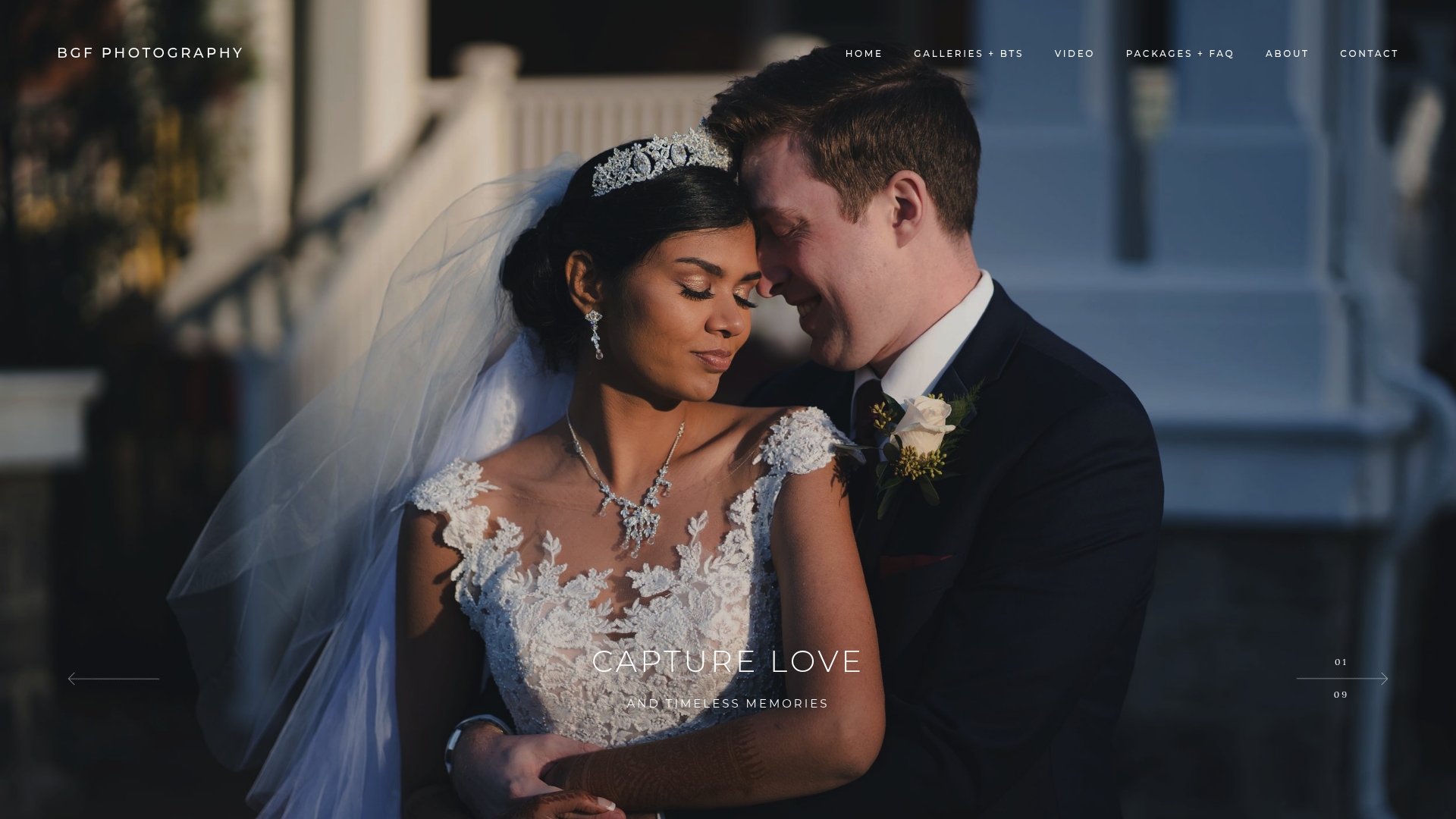
If your wedding spans more than one ceremony or more than one day, start by requesting full galleries and setting up a pre-wedding briefing so nothing gets missed. Review package details and investment information to see what hybrid coverage looks like for a day built around your specific traditions, then reach out to talk through your timeline before you book anyone.
Sources
- A Guide to Multicultural Wedding Photography | Weddings by Qay
- How to Choose a Multicultural Wedding Photographer | UK - Leesha Williams Photography
- Cultural Respect in Wedding Photography - TAMMY SHUN
- Multicultural Wedding Photography Examples - Photojournalism by Rodney Bailey
FAQ
Is $4,000 a Lot for a Wedding Photographer?
It depends heavily on your market and coverage needs, but for multicultural weddings with multiple ceremonies or a second shooter, that figure often sits at the lower end of what full-day, multi-event coverage actually requires.
What Is the "30-5 Rule" for Weddings?
There's no single, widely agreed definition of a "30-5 rule" in wedding photography, so treat any specific version you encounter with caution and confirm coverage expectations directly with your photographer instead.
What Is the 20-60-20 Rule in Photography?
This isn't an established, standardized rule in wedding photography either. If you see it referenced, ask the source what they mean rather than assuming it's a universal industry standard.
How Should Photographers Approach Interracial and Mixed-Heritage Couples?
The same skin tone and lighting expertise that matters for any multicultural wedding applies directly here: ask about exposure strategy for mixed skin tones in the same frame and request full galleries showing couples with varied skin tones photographed together. A photographer who handles this well, like the approach BGF Photography brings to hybrid coverage, treats it as a standard technical skill, not a special accommodation.
Where Can I Find Multicultural Wedding Photographers?
Start with full galleries from photographers who've covered your specific traditions, ask other couples with similar heritage for referrals, and check whether a candid, documentary-style approach fits your priorities by reviewing style guides before you commit.