
Hybrid coverage means one team shoots both your photos and your video under a single plan, style and contract. Separate vendors means you hire a photographer and a videographer independently. For most couples who care about a candid, cohesive wedding day, hybrid is the simpler path: one point of contact, one timeline, one look across your gallery and your film. Separate vendors can work well too, but they ask more of you in coordination.
This guide explains how each approach works, what each one costs, and how it feels on the day. It also gives you the questions to ask before you sign anything.
TL;DR
- Hybrid coverage puts photo and video with one team, so you manage one contract, one timeline and one creative vision.
- Separate vendors give you two contracts, two timelines and two styles to align, which is workable when both pros communicate well.
- National averages put photography near $3,000 and videography near $2,300 when hired individually, so compare total coverage, not single line items.
- Ask every vendor about hours of coverage, backup equipment, delivery timelines and how they work around other vendors.
- We offer hybrid candid photo and video coverage in Buffalo, Rochester and the Finger Lakes, with optional film.
Table of Contents
- What hybrid coverage actually means
- Hybrid and separate vendors side by side
- What each approach costs
- How coordination works on the wedding day
- Candid photography and cinematic video
- Creative consistency from engagement to final film
- When separate vendors make sense
- Our perspective
- Questions to ask any photo or video vendor
- Booking hybrid coverage with us
- FAQ
- Sources
What hybrid coverage actually means
Hybrid coverage is a booking model, not a gimmick. You hire one company to document your wedding day with both still photography and video. The photographer and videographer plan together, arrive with the same timeline, and edit toward one look. When you open your gallery and then watch your film, they feel like they belong to the same day, because they do.
The word "hybrid" also shows up in event planning, where it means a mix of in-person and virtual attendance. That is a different topic. Here it means photo and video from one team.
Separate vendors is the traditional route. You find a photographer you love, then find a videographer you love, and you book each one on their own terms. Each has their own contract, payment schedule, shot list and editing style. Nothing is wrong with that, but you become the bridge between them.
If you want a deeper look at how the hybrid model works locally, our guide on hybrid photo and video coverage in Buffalo walks through it step by step.
Hybrid and separate vendors side by side
The table below compares the two approaches on the points couples ask about most.
| What you are comparing | Hybrid (one team) | Separate vendors |
|---|---|---|
| Contracts and payments | One contract, one payment schedule | Two contracts, two schedules |
| Timeline planning | One shared timeline built together | Two timelines you reconcile |
| Creative style | One look across photos and film | Two styles that need to be matched |
| Communication | One point of contact | Two points of contact |
| Vendor choice | One team covers both | You pick the best fit for each role |
| Candid feel | Fewer people around you, same team all day | More people in the room, more coordination |
| Delivery | Photo and video planned together | Each delivered on its own schedule |
Neither column is a wrong answer. The question is how much of the coordination you want to carry yourself during an already busy engagement.
What each approach costs
Start with the market. One national cost guide reports that the average photographer cost was about $3,000 and the average videographer cost about $2,300 for weddings in 2025, drawing on The Knot's 2026 Real Weddings Study. Those are averages across the country, and prices in your area will differ based on hours, deliverables and experience.

The more useful comparison is total cost for the coverage you want. When you hire separately, add up both quotes, then add the extras each one charges for: second shooters, drone work, extra edits, travel and raw footage. When you hire a hybrid team, ask for one quote that lists everything in one place.
Our published pricing is on our investment page. Here is how it is laid out:
| Service | Price |
|---|---|
| Full Wedding Day | $4,500 to $5,200 |
| 3-6 Minute Highlight Video | $1,400 |
| 9-15 Minute Featurette Video | $1,800 |
| 30-60 Minute Full Length Video | $2,600 |
| Elopement | $2,200 |
| Engagement Session | $600 |
| Medium Format and 35MM Film | $100 per roll |
| Half Day Content Add-on | $900 |
| Full Day Content Add-On | $1,700 |
| Additional Video Edit | $200 to $600 |
| Unedited Footage | $500 |
| Additional Drone Pilot | $500 to $700 |
The video options let you choose how much film you want, from a short highlight to a full-length edit. You can also add film photography by the roll, so you only pay for the amount of film you want. For a wider view of what couples pay, see our breakdown of wedding photographer prices and our wedding video package comparison guide.
How to compare quotes fairly
A flat rate that looks lower can leave out things you will want later. Line up every quote on the same items:
- Hours of coverage, and what happens if the day runs long.
- Number of people shooting.
- Length and type of the final video.
- Number of edited photos delivered.
- Drone footage, film rolls, engagement session and extra edits.
- Delivery timeline and how files are shared.
- Travel fees outside the vendor's home area.
When the same list is filled in for every option, the real price difference becomes clear, and so does the difference in what you get.
How coordination works on the wedding day
A wedding day moves fast. The ceremony, portraits, speeches and first dance each have a window, and your photo and video people both need the best position for each one.
With separate vendors, two professionals who may never have met arrive at the same ceremony. A good pair will talk it out in advance, agree on who stands where during the vows and share information about lighting and the venue. Many do this well. The key is that someone, usually you or your planner, has to make that introduction and pass along the timeline to both.

With a hybrid team, that planning happens in house. They already know each other's habits and workflow. They decide ahead of time who covers the ceremony from the aisle and who takes the wider angle, so nobody blocks a shot or steps into the other's frame. You send one timeline and receive one set of questions.
That matters most at the moments you cannot repeat: the walk down the aisle, the first look, the toasts. To see what a videographer is doing during the ceremony, read the role of a wedding videographer on ceremony day.
Candid photography and cinematic video
Candid wedding photography depends on people forgetting the camera is there. Every extra person with gear changes the room a little. When two separate crews are both working the room, guests notice more cameras, and couples sometimes find themselves being directed from two sides.
A hybrid team can keep that footprint smaller and more natural. Because the same team covers both jobs, they can shape the day so that genuine moments unfold on their own: a parent wiping away a tear, a grandparent laughing during a toast, the quiet seconds before you walk out. Our approach is built on being present without taking over.
Video has its own style choices. Some couples want a polished, cinematic edit. Others want a documentary feel that follows the day as it happened. Our guide to cinematic vs documentary wedding video helps you decide which suits you, and the choice works whether you hire one team or two.
Where film photography fits
Film adds a nostalgic look to candid images. In a hybrid booking, film is one more layer the same team plans around, so you can decide in advance which moments to shoot on medium format or 35mm film and which to leave to digital. We price film by the roll so you can choose the amount that fits your plans.
Creative consistency from engagement to final film
This is where couples feel the biggest difference. Your wedding photos and your wedding film will sit side by side in your life: the album on a shelf, the film on a family screen. When they share color, pacing, tone and attention to the same details, they tell one story.
With separate vendors, you can still get cohesion, but it takes effort. Share the same inspiration images with both. Describe the mood you want in the same words. Ask each to see the other's recent work. Our guide on how to communicate your vision to your wedding photographer gives you a simple way to do it, and it is just as useful when you brief a second professional.
With a hybrid team, the vision is set once. A single conversation about your style covers the engagement session, the wedding day and the edits. Our article on why photography style must match your couple explains why that first conversation matters so much.
When separate vendors make sense
Separate vendors can be the right call in a few situations, and a good decision is one that fits your day.
- You have already booked one professional you love. If your photographer is locked in, you can build the rest of your team around that choice and brief the new vendor on the style.
- You want two very different looks. Some couples want a bright editorial gallery and a moody cinematic film, and hiring separately lets them choose each style independently.
- Your venue or planner works with a preferred list. Sometimes a venue recommends particular vendors, and it is fine to start there.
If you go this route, treat coordination as part of the job. Share one timeline with both, introduce them by email several weeks before the wedding, and confirm who will be where during the ceremony and speeches.
Our perspective
We have shot weddings both ways: as one team covering photo and video, and beside other vendors on days where a couple booked separately. The best days share one thing, which is that the people with cameras are not the center of attention.
That is why we built our approach around hybrid coverage. When one team handles both, we can plan the day as a single story. We know where the video needs to be during the vows, and we know what the photographs need from the same moment. We do not have to guess at another vendor's plan, and you do not have to referee between us.
Candid work comes from trust and quiet. Fewer moving parts means guests relax sooner, and relaxed guests give you the real laughter and the unplanned hugs. Adding film for portraits or details gives the whole collection a timeless, slightly nostalgic feel, and because we plan it with the video in mind, the film and the photos still look like they belong together.
If you are choosing between the two approaches, our advice is to book the team that will make your day feel easy. For many couples, that means one team, one vision and one conversation.
Billy
Questions to ask any photo or video vendor
Whether you choose hybrid or separate, use the same questions with everyone you interview.
- How many hours of coverage are included? Confirm what happens if the reception runs past the stated end time.
- What is your backup plan if you cannot attend? You want a clear answer about a replacement, not a vague promise.
- What backup equipment do you bring? Two cameras and extra memory cards protect the day. Read our piece on backup equipment in Buffalo wedding photography to see why this matters.
- How will you work with the other vendors? This includes your planner, DJ and venue staff.
- What will I receive, and when? Ask for the number of photos, the length of each video and the delivery timeline.
- Can I see a full wedding, not just a highlight reel? A full gallery or film shows consistency across a whole day.
- What are the add-ons, and what do they cost? Drone footage, film rolls and extra edits are common ones.
For video-specific questions, our wedding videographer questions guide covers audio, music licensing and editing. If you also want to check coverage time, availability and contingency plans across the creative professionals on your list, wedding media production options are one place to see how a production team describes its services.
Booking hybrid coverage with us
We photograph and film weddings in Buffalo, Rochester and the Finger Lakes, with a natural, unobtrusive style. You can book photo and video together, add medium format or 35mm film, include drone coverage and start with an engagement session for $600 so you can get comfortable with us before the wedding.
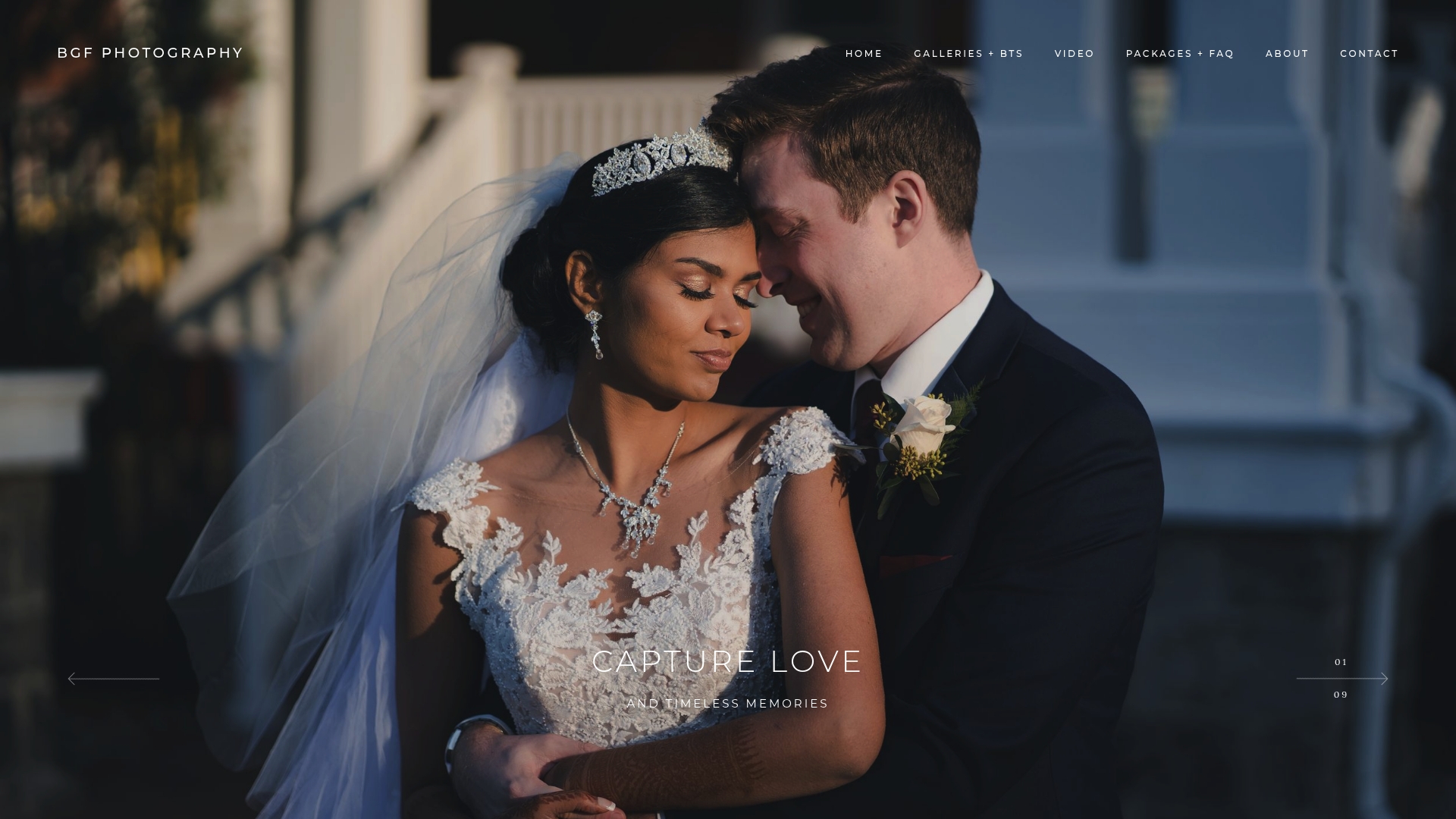
See every package and add-on, with current pricing, on our investment page. When you have a date in mind, get in touch through our site and we will talk through the coverage that fits your day.
FAQ
Is hybrid coverage cheaper than hiring separate vendors?
It depends on what each quote includes, so compare the full list of hours, deliverables and add-ons rather than the headline number. Hybrid coverage often makes the comparison easier because everything is in one quote. Our own packages are listed on our investment page, so you can see what each option costs before you reach out.
Will having one team make the day feel less staged?
It can. One team means fewer unfamiliar people with equipment around you and your guests, and the photographer and videographer already know how to share space. That helps guests forget the cameras and lets candid moments happen at their own pace.
Can I add film photography to a hybrid booking?
Yes. We offer medium format and 35mm film at $100 per roll, so you decide how much to add. Because the same team plans both the film and the video, the finished look stays consistent.
How far ahead should I book my photo and video team?
Book as soon as you have a date and a venue, especially if you are marrying in a popular season in Buffalo, Rochester or the Finger Lakes. Booking early also gives you time for an engagement session and for a calm conversation about your style and timeline.