
Hybrid wedding coverage means you book wedding photography and wedding videography together, so the stills and the film share one style, one plan and one point of contact. Some photographers use the phrase for a photographer who also films short clips. Others use it for a team that covers both formats. In either case, the goal is the same: your day is remembered in still images and in motion, without two vendors working at cross purposes.
This guide explains what the term means, how photo and video coverage works through a real wedding day, what a package can include, and what to ask before you sign. We also show our own published pricing for Buffalo, Rochester and Finger Lakes weddings.
TL;DR
- Hybrid wedding coverage combines photography and videography under one cohesive look, booked together instead of as two separate hires.
- The term has a second meaning in photography circles: shooting on both film and digital cameras. Ask which one a photographer means.
- One person cannot photograph and film the same instant, so ask who covers the vows, speeches and other moments that cannot be repeated.
- Our published Full Wedding Day coverage is $4,500 to $5,200, and video edits start at $1,400 for a 3-6 minute highlight video.
- Before you book, get staffing, coverage hours, deliverables and backup plans written into the contract.
Table of Contents
- What hybrid wedding coverage means
- How photo and video coverage works on the wedding day
- Can one person shoot both photo and video?
- Photo and video: what each one does best
- What a hybrid package can include
- What hybrid coverage costs with BGF Photography
- Questions to ask before you book
- Our perspective
- Plan your hybrid coverage with us
- FAQ
- Sources
What hybrid wedding coverage means
The word "hybrid" is used in two different ways, and couples often run into both while researching.
Photo plus video. The Society of Photographers describes hybrid wedding photography as capturing both stills and video during the same coverage. The short clips are edited into a highlight film, which is a different product from a full-length cinematic wedding film. This is the meaning most couples have in mind when they search for hybrid coverage.
Film plus digital. Other photographers use "hybrid" for mixing film cameras and digital cameras. One photography studio explains the idea as choosing the tool that suits the moment, the light and the pace: digital for speed and low light, film for a particular look and feel in natural light.
The two ideas are not in conflict. At BGF Photography, hybrid coverage means photography and videography booked together in one cohesive style and vision, and film photography is an optional layer you can add for a nostalgic look. You can have hybrid photo and video coverage with or without film.
If you want the Buffalo-specific version of this topic, our guide to hybrid photo and video coverage in Buffalo covers what couples there need to know.
How photo and video coverage works on the wedding day
A wedding day has a rhythm: getting ready, first look or portraits, ceremony, cocktail hour, reception, and the final dances. Hybrid coverage follows that rhythm with both formats in mind, and the plan for each stretch of the day is decided ahead of time.

Getting ready
The morning is full of small, unplanned moments: a parent fixing a veil, a laugh over a stuck zipper, a quiet minute with a letter. Stills capture the details and expressions. Short clips capture the sound of the room and the movement. A candid approach matters most here, because people relax when nobody is directing them.
Portraits and the first look
This is where stills lead. Portraits need time, light and attention to posing and framing. Video fits in around them with a few seconds of walking, laughing or reacting, which later become the connective tissue of the film.
Ceremony
The ceremony is the part you cannot redo. The vows, the first kiss and the reactions of your families happen once. Vows are one of the moments where video earns its place, because the voices, the pauses and the emotion are things a photograph cannot hold.

Reception
Speeches, toasts, the first dance and the dance floor are where hybrid coverage pays off. A speech is almost entirely sound, and a dance floor is almost entirely motion. Stills then pick out the single frames: a grandmother mid-laugh, a hand on a shoulder, a toast raised.
Coordination between photo and video
When photography and video are handled by different people, they need the same information. One wedding resource recommends sending both vendors the same timeline and shot list four to six weeks before the wedding, and naming a single day-of contact. Hybrid coverage booked under one roof makes that coordination simpler, because one plan covers both formats.
Can one person shoot both photo and video?
This is the question we hear most, and it deserves a straight answer: it depends on which moments are at stake.
The Society of Photographers notes that a solo hybrid shooter cannot photograph and film the same moment at the same time. The practical method it describes is to capture the priority stills first, then switch to short clips once the important frames are safe. The skill is knowing what to film, not filming everything.
For moments that cannot be repeated, such as vows or speeches, one training provider recommends two people, because one person cannot give full attention to both. It also points out a technical reason: video needs a shutter speed tied to the frame rate, while photos often need faster speeds, and flash that helps a photo shows up as a flash in video.
So a good hybrid plan answers these questions in advance:
- Which moments are covered by stills, which by video, and which by both?
- Who is responsible for the ceremony and the speeches?
- Is the film a short highlight made from selected clips, or a longer edit built from continuous footage?
- Will lighting choices, such as flash, be adjusted to protect the video?
How many people cover your day is a detail we confirm with each couple while planning, and it should be in your contract either way.
Photo and video: what each one does best
Photographs and film are not interchangeable. Nikon's magazine features two hybrid photographers who say video lets them expand the story with movement, sound and silence, while a photograph captures a single, precise moment that stays clear and timeless.
In practice, that looks like this:
| What you want to keep | Photography | Video |
|---|---|---|
| A grandparent's expression | A single frame you can print and frame | The way they laugh, and what they said |
| Vows | The look between you | Your actual voices and the pause before a promise |
| Details such as rings, flowers, the cake | Clean, lasting detail shots | Brief motion that sets the scene |
| The dance floor | Peak moments frozen | Energy, music and movement |
| The feel of the day | A gallery to scroll and share | A film you can replay on your anniversary |
The same Nikon feature quotes a photographer who says hybrid is not about adding, it is about choosing. Capturing every moment twice, without intention, makes both formats weaker. That idea shapes how we plan coverage: each part of the day gets the format that tells it best.
For more on how each format builds a story, see these visual storytelling tips. You can also browse our examples of storytelling wedding photos and our explanation of why wedding films capture moments you missed.
What a hybrid package can include
Hybrid packages vary widely, so compare deliverables, not labels. A typical package can contain some or all of these:
- Full-day photo coverage with an edited digital gallery.
- A highlight video, usually a few minutes, built from the best moments.
- A longer film, such as a featurette that includes more of the ceremony and toasts.
- A full-length film, which documents the day closely, often with whole speeches and vows.
- Engagement session photos before the wedding, useful for getting comfortable in front of the camera.
- Film photography, on medium format or 35mm, for a nostalgic look.
- Drone or aerial footage, where the venue and local rules allow it.
- Extra video edits or raw footage for families who want more.
One point of difference is the video length. A highlight film tells a quick story you will rewatch often. A longer film, such as the cinematic wedding video style we describe in our guide, lets you hear the vows and speeches in full. Many couples ask for both a short and a long edit so that grandparents, friends and social media each get a version that suits them.
What hybrid coverage costs with BGF Photography
These are the prices published on our packages and FAQ page as of 15 October 2026. Wedding prices change over time, so check that page for the current figures.
| Service | Price |
|---|---|
| Full Wedding Day | $4,500 to $5,200 |
| 3-6 Minute Highlight Video | $1,400 |
| 9-15 Minute Featurette Video | $1,800 |
| 30-60 Minute Full Length Video | $2,600 |
| Elopement | $2,200 |
| Engagement Session | $600 |
| Medium Format and 35MM Film | $100 per roll |
| Half Day Content Add-on | $900 |
| Full Day Content Add-On | $1,700 |
| Additional Video Edit | $200 to $600 |
| Unedited Footage | $500 |
| Additional Drone Pilot | $500 to $700 |
A few notes on reading this table:
- The video lengths are separate choices. A highlight video, a featurette and a full-length video are three different edits of your day.
- Film photography is priced per roll, so you decide how much of the day to shoot on film. Our film versus digital guide helps you decide where film adds the most.
- Content add-ons extend the coverage when your day has more to document than a standard schedule.
To build a hybrid package, you choose the wedding day coverage and then the video edit that fits your priorities.
Questions to ask before you book
The label "hybrid" does not tell you what you will receive. These questions do.
Who is covering what?
Ask how many people will be at your wedding, which person handles photos and which handles video, and who covers the ceremony and speeches. If one person does both, ask how they decide when to switch formats.
How many hours are covered?
Confirm the start and end time for both photography and video. A common surprise is that video coverage ends earlier than photo coverage, or the reverse. Your timeline should show both.
What exactly will you receive?
Get the deliverables written down: the number of video edits and their lengths, whether the gallery is edited and how many images it contains, whether film rolls are included, and the delivery timeline. Ask whether raw footage is available and at what price.
What happens if something goes wrong?
Illness, travel problems and equipment failure are rare but real. One wedding contract guide advises that a contract should state what happens if a backup is needed, including your approval of any replacement, how deliverables and editing stay consistent, cancellation and remedies, payment and travel details, and image rights. Read these clauses before you sign, and ask for clarification if any are missing.
Do the photo and video styles match?
Look at a photographer's photos and films side by side. If the colors, pace and mood feel like one story, the coverage is truly hybrid. If they look like two different studios, you are booking two separate services under one name. Our guide on communicating your vision to your photographer and our overview of unique wedding photography styles can help you describe what you want.
Our perspective
We built our approach around one idea: the best wedding images happen when nobody is performing. Couples, parents and friends relax when the camera stays out of the way, and that is when the real laughs, tears and glances appear.
That is why we offer photography and videography together. When both are planned as one story, you do not have to choose between a gallery you can hang on the wall and a film that lets you hear your grandfather's toast again. The look is cohesive, the timeline is shared, and you speak to one team about your vision.
We also love film photography for the quality it adds. A roll of medium format or 35mm gives certain portraits and details a warmth that feels timeless, and you can add as many rolls as suit your day.
Our advice: decide which moments matter most to you, such as the vows, the speeches or the dance floor, and build coverage around them. Everything else follows from that.
Billy
Plan your hybrid coverage with us
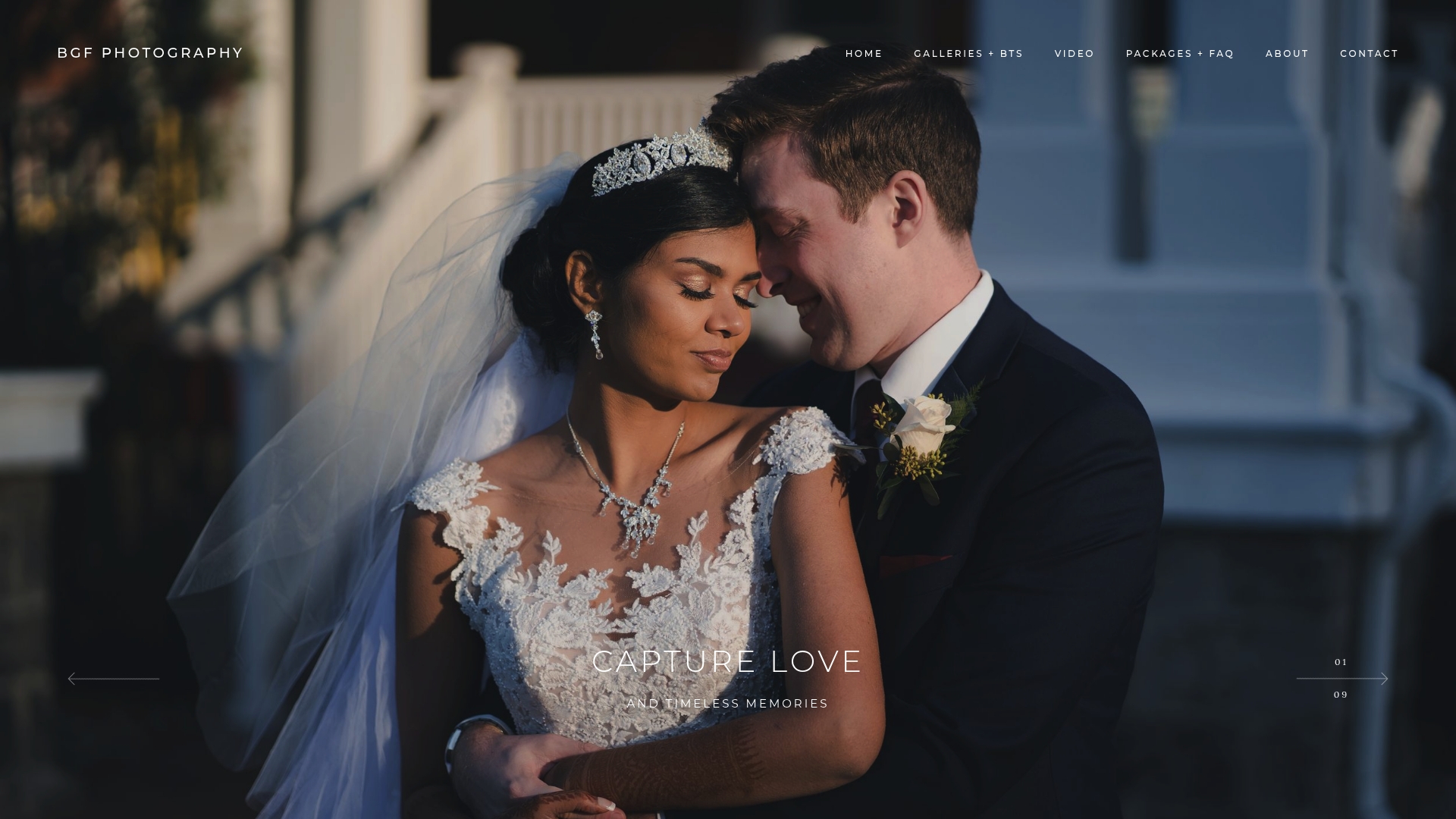
We photograph and film weddings across Buffalo, Rochester and the Finger Lakes, with a candid, unobtrusive style and optional film photography and drone coverage. You can see every package, add-on and price on our packages page, then get in touch to talk about your date and your priorities.
If you are still deciding between formats, start with the question of which moments you would most regret not seeing again. That answer usually points to the right video length and the right amount of coverage. You can find us at bgf.photography.
FAQ
Is hybrid wedding coverage the same as film and digital photography?
No. Hybrid coverage usually means photography and video together, while some photographers also use the word for mixing film and digital cameras. Ask any photographer which meaning they intend. At BGF Photography, hybrid means photo and video booked under one style, and film is an optional addition.
Is a hybrid package cheaper than booking a photographer and a videographer separately?
It depends on the provider and the deliverables, so compare line by line. The advantages of booking together are a shared timeline, a matching look and one point of contact. Our published prices for each service are listed on our packages page.
Do I need a highlight film or a full-length video?
A highlight film suits couples who want a short story to share and rewatch. A longer edit suits couples who want the vows and speeches in full. We offer a 3-6 minute highlight video, a 9-15 minute featurette and a 30-60 minute full-length video, and you can add extra edits later.
When should I book wedding coverage?
Book as soon as you have your venue and date, since photographers and videographers fill their calendars for each wedding date. Contact us with your date and location, and we will confirm availability and walk you through the packages.
What should be in my hybrid coverage contract?
The contract should list the people covering your day, the hours for photo and video, each deliverable and its delivery timeline, payment terms and a backup plan. Ask for every one of these in writing before you sign.
Sources
- Hybrid Wedding Photography: Should You Offer Stills and Video? (The Society of Photographers)
- Hybrid Film + Digital Wedding Photography (TrueWedStory)
- Hybrid Photo and Video Packages: How to Offer Both (FilmFreebies Academy)
- Mastering hybrid wedding coverage (Nikon)
- The Role of Videographer Alongside Photographer at Weddings (Pixel Groves)
- Couples: Contracts and a 3-5 Roster for Backup Wedding Photographers (Pixel Groves)
- Visual storytelling tips: boost your brand's impact