
Choose two photographers when your day has things happening in two places at once, a tight timeline, or a big crowd to cover. Choose one when your day is compact, flows in a single location, and you want a single, steady point of view. Neither choice is wrong. The right one depends on your schedule, your venue and what you want to look back on, and this guide walks you through each of those so you can decide with confidence.
TL;DR
- Two photographers cover two places or two angles at once: getting ready, the ceremony reaction shots, cocktail hour and the dance floor all benefit.
- One photographer is a strong fit for smaller, single-location days with a relaxed timeline and a clear priority list.
- A second shooter does not double your gallery. The lead photographer picks the best frames from both cameras.
- Expect a second photographer to add roughly $300 to $750 in many US quotes, depending on hours and market.
- Ask your photographer how they work with a second shooter, because their trust and shared style matter more than the headcount.
Table of Contents
- What a second shooter actually does
- Two photographers vs one: a side-by-side view
- When two photographers make sense
- When one photographer is enough
- Will a second photographer give you twice as many photos?
- What a second photographer costs
- Two photographers, or a photographer and a videographer?
- Questions to ask before you decide
- A simple way to decide
- Our perspective
- Our wedding coverage for Buffalo, Rochester and the Finger Lakes
- FAQ
- Sources
What a second shooter actually does
A second shooter works under the lead photographer on the same wedding day. The lead plans the shot list, sets the style and makes the final selections. The second covers what the lead cannot reach at that moment.
In practice that usually means:
- Capturing a different angle at the ceremony. While the lead faces the couple, the second shoots from the side or back, catching the first look on a parent's face or the guests' reactions.
- Covering simultaneous events. One photographer stays with the bride while the other photographs the groom and the groomsmen getting ready.
- Photographing guests candidly. During cocktail hour and the reception, the second wanders and catches the laughter at tables while the lead handles portraits, details or toasts.
- Assisting the lead. Carrying gear, holding a light, handing over a lens, or helping organize family groups.
Junebug Weddings notes that lead photographers tend to bring on someone they trust to capture moments the same way, and that the lead is the one who hires and pays the second. That matters for you as a couple: a second shooter is part of the lead's team, not a separate vendor you have to manage.
If you want a longer look at this role, our guide to second photographer benefits for your wedding day goes through it in more detail.
Two photographers vs one: a side-by-side view
| Factor | One photographer | Two photographers |
|---|---|---|
| Coverage at the same moment | One place at a time | Two places or two angles at once |
| Ceremony angles | One main vantage point, supported by planning | A second angle on the couple or the guests |
| Getting ready | Moves between spaces on a schedule | Both spaces can be covered live |
| Style consistency | Every frame comes from one eye | Consistent when the lead selects and edits both sets |
| Guest candids | Fit between portraits and details | A dedicated person roaming the room |
| Presence on the day | Smallest footprint | Two people, still discreet with the right team |
| Typical added cost | None | Often a few hundred dollars up to about $750 |
| Best for | Compact, single-location days | Larger, multi-location or packed-timeline days |
The table shows the pattern. The details below show how to apply it to your day.
When two photographers make sense
Your getting-ready spaces are in different places
If the bride and groom are dressing in separate buildings, or even separate floors of a big venue, one photographer has to choose. A photographer can arrive, shoot the bride's details and dress, then travel to the groom's space, but the clock keeps running. A second shooter lets both stories happen in real time, including the moment a father sees his daughter or a best man helps with cufflinks.

The ceremony and cocktail hour overlap with other events
Some weddings have a church ceremony followed right away by a reception across town. Some have a grand exit, a cultural ritual or a processional where the lead needs to be at the front while someone else photographs the arrival. When the timeline stacks events close together, a second photographer gives you coverage in the gaps.
The guest list is large, or the family is large
Junebug points out that guest count alone does not decide whether you need a second photographer. Timeline, multiple locations and ceremonial traditions matter more. Still, a big crowd gives the second shooter more to do: grandparents at table four, cousins on the dance floor, the friends who traveled in for the weekend. If you want those faces in your gallery, two cameras help.
You want more candid moments
Candid photography depends on being present when something real happens. A lead photographer who is directing a group portrait cannot also be watching your uncle tear up during the toasts. A second shooter who is free to observe catches more of those unplanned moments. That is the heart of why so many couples report wishing they had one. Snapeen's statistics roundup, which draws on The Knot's 2024 Real Weddings Study and WeddingWire data, says 42% of US couples wish they had hired a second shooter, the most common regret it lists.
The venue is spread out
A vineyard in the Finger Lakes, a lakeside estate or a venue with a separate ceremony garden and reception barn means a lot of walking. A second photographer can move ahead to set up a vantage point while the lead finishes the last portraits, so the day flows without rushing you.
When one photographer is enough
Your day is compact and in one location
When the getting-ready, ceremony and reception all happen at the same venue, with a clear timeline and a modest guest list, a single photographer can move through the day without missing key moments. There is little travel and there are few simultaneous events.
You want a single, consistent eye
One photographer means one way of seeing, one way of handling light and one way of editing. If you are drawn to a quiet, observational style, a solo photographer who knows how to blend in can deliver a gallery that feels cohesive from start to finish. A well-run two-person team can do this too, since the lead edits and selects, but a solo day is the simplest path to a unified look.
You prefer the smallest footprint
Some couples want as little visible equipment and as few extra people as possible. If you are planning an intimate day, an elopement or a micro-wedding, a solo photographer is a natural fit. Our guide on small wedding photography and a 90-minute coverage workflow shows how to plan the shots so nothing important slips by.
You have a short, well-planned shot list
A photographer with a clear list of priorities can cover a lot alone. If you know the ten to fifteen moments that matter most, a lead can protect those first and photograph the rest as it unfolds. Use our candid wedding photos must-have list and bridal party photo ideas to build that list before you meet your photographer.
Will a second photographer give you twice as many photos?
No, and that is a useful thing to know before you pay for one. Junebug explains that a second photographer does not mean double the photos, because the lead photographer selects the best images from the second's work for delivery.
The raw numbers still rise. A wedding photography calculator estimates that one professional shoots 120 to 150 photos per hour, and that a second shooter adds 60% more coverage. Over eight hours, that moves the total from about 960 to 1,200 raw shots to about 1,536 to 1,920, with about 35% delivered as final edited images. Snapeen reports that second shooters are included in about 45% of packages and add 150 to 300 photos to the final delivery.

What you get is variety rather than volume: a second ceremony angle, more guest reactions, and a fuller record of the cocktail hour. Think of it as extra moments, not just extra files.
What a second photographer costs
A second photographer is usually priced as an add-on to the lead's package. One US cost guide puts adding a second photographer at $300 to $750. Your price will vary by market, hours of coverage and the experience of the second shooter. For context, WeddingWire's cost guide says US wedding photographers typically charge between $1,150 and $3,000, with an average of about $2,000. Those national figures run lower than what many full-service studios in upstate New York charge, so treat them as a rough range and not a quote.
What moves the price:
- Hours of coverage. A second shooter for the full day costs more than one who joins for the ceremony and portraits only.
- Experience level. A seasoned associate with their own portfolio costs more than someone still learning.
- Editing and delivery. Whether the lead edits the second's images into one gallery affects the work involved.
- Travel. Destination weddings and remote venues add time and expense.
A useful way to decide is to ask what the same money would buy elsewhere. If the extra few hundred dollars covers your getting-ready moments and your guest candids, it is often a smaller step than adding another hour of coverage. If your day does not include those situations, the budget may serve you better in another part of your coverage, such as video or film.
Two photographers, or a photographer and a videographer?
Many couples find that the question of coverage is really about the whole day, not just stills. A photographer and a videographer working together also give you two perspectives on the same moments: one frame is still, one is in motion, and each catches different things.
We offer hybrid coverage, with photography and videography booked together in one cohesive style and vision. Published video options on our packages page are:
| Video option | Price |
|---|---|
| 3-6 Minute Highlight Video | $1,400 |
| 9-15 Minute Featurette Video | $1,800 |
| 30-60 Minute Full Length Video | $2,600 |
If you are weighing options, our wedding video package comparison guide explains what each length is best for. For grooms who want to plan the video side, the wedding video checklist lists the shots to request.
Questions to ask before you decide
The lead photographer's judgment is your best guide. Ask these in your consultation:
- Who is the second shooter, and have you worked together before? A team that has shot many weddings together moves like one unit.
- How do you keep the style consistent? Look for an answer about editing and selecting from both cameras into one gallery.
- What will the second photographer cover on my timeline? Ask for a plain-language plan: getting ready, ceremony angle, cocktail hour, dancing.
- Is the second shooter's time included, or an add-on? Get the hours and the price in writing.
- How will you stay unobtrusive with two people? The answer should be about positioning, quiet gear and reading the room.
- Who will edit and deliver the final gallery? You want one person responsible for the finished look.
For a broader approach to hiring, see our guide on how to choose a professional wedding photographer, and for package structure, types of wedding photography packages explained.
A simple way to decide
Walk through your timeline and mark three things.
- Overlaps. Are there moments when two important things happen at the same time? Two getting-ready locations, a ceremony with a simultaneous arrival, or a cultural ritual that happens just as the room is filling.
- Spread. Is the day across more than one location, or in a large venue where the walk between spaces is long?
- Priority moments. Are guest candids, family reactions and the dance floor top priorities?
If you answered yes to one or more, two photographers will likely serve you well. If you answered no to all three, a single photographer with a clear shot list can deliver a complete, cohesive story. If you land in the middle, start with the lead photographer's recommendation, since they know how their own workflow handles your schedule.
Our perspective
We approach weddings the way we would want our own documented: quietly, attentively and with as little interruption as possible. That is the foundation of our candid style, and it shapes how we think about coverage.
Whether you have one photographer or two, the most important thing is that the people photographing your day understand how to disappear into it. Our goal is for your guests to forget a camera is nearby so that real laughter and real tears are what end up in your gallery.
We also think about coverage as a whole, not as a headcount. Because we offer hybrid coverage, photography and videography are planned together, with one cohesive look and one shared vision for your day. For many couples that gives the fullness they wanted from a second angle, with stills and motion working side by side. When your timeline or venue calls for more hands, we talk it through with you and build coverage around your actual day.
We also shoot film on request, on medium format and 35mm, which adds a nostalgic texture some couples want alongside their digital gallery. Start from how you want to remember the day, and we will help you plan the coverage that gets you there.
Billy
Our wedding coverage for Buffalo, Rochester and the Finger Lakes
We document weddings in Buffalo, Rochester and the Finger Lakes with a candid, natural approach. Our Full Wedding Day coverage is published at $4,500 to $5,200, and engagement sessions are $600. You can add film at $100 per roll, drone coverage with an additional drone pilot at $500 to $700, and video in the lengths above. You can see everything on our packages and FAQ page, and we are happy to talk through your timeline and recommend coverage for your day.
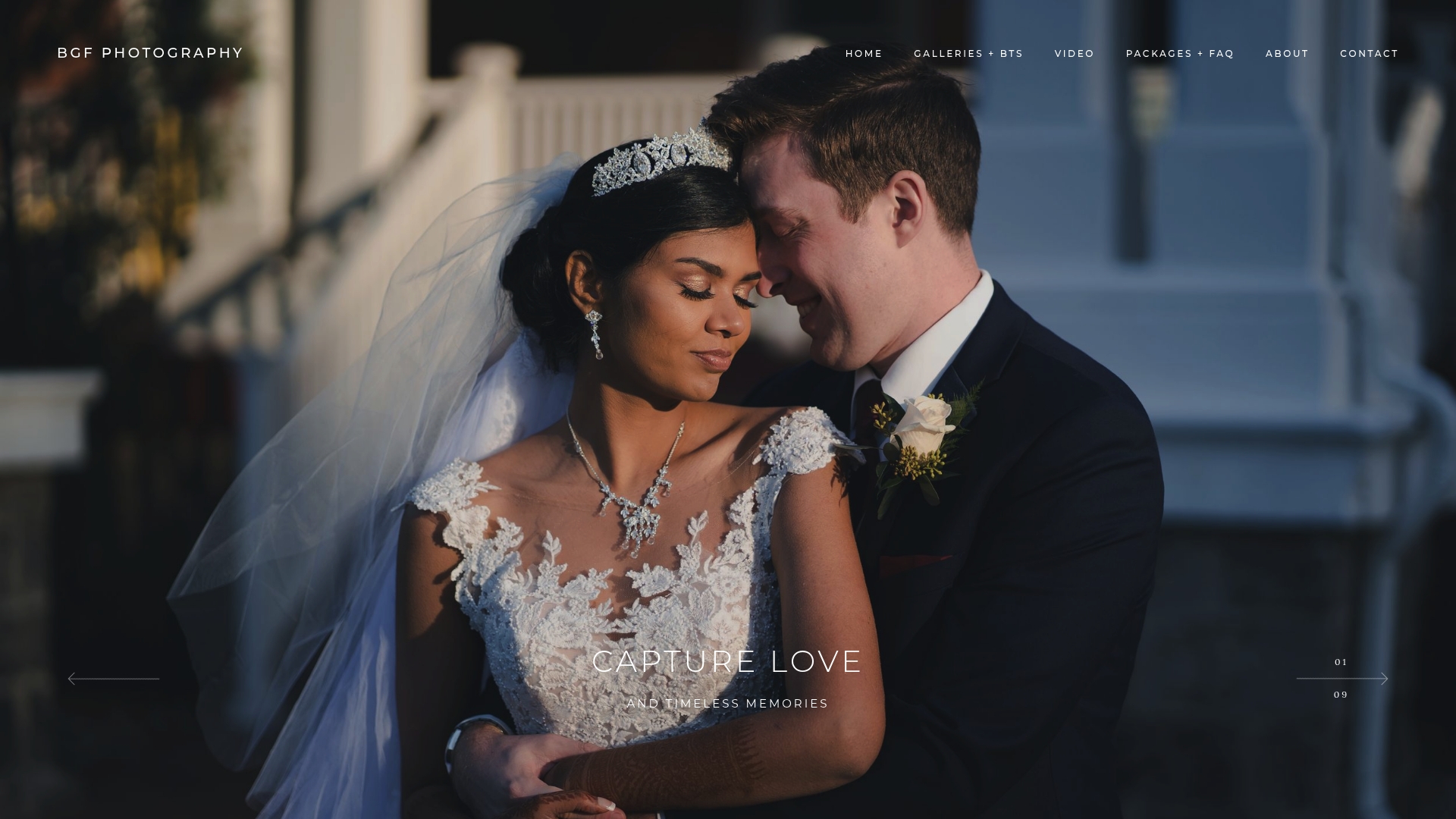
Tell us your date, your venues and your schedule, and we will tell you what we would plan.
FAQ
Do I need two photographers if I have under 100 guests?
Not necessarily. Guest count alone does not decide it, according to Junebug Weddings. Your timeline, the number of locations and any special ceremonial traditions matter more. A small wedding in one location can be covered well by one photographer with a clear plan.
How much more does a second photographer cost?
One US cost guide puts the add-on at $300 to $750. The final price depends on the hours the second shooter works, their experience and your location. Ask your lead photographer for the number in writing, along with the hours it covers.
Will the photos look different if two people shoot?
They should not, when the lead photographer selects and edits the final gallery. The lead hires the second shooter and chooses people who capture moments in a similar way. Ask how the team keeps its editing consistent.
What does a second shooter do during the ceremony?
They capture a different angle from the lead. That is often the guests' reactions, the processional from behind or the couple from the side. It gives you a fuller record of the same moment.
Is a videographer the same as a second photographer?
No. A videographer records motion and sound, while a second photographer adds more still images. Many couples add video for a second perspective on key moments, and booking both with one team keeps the look cohesive.
Sources
- Do I Need a Second Photographer? Advice from the World's Best Photographers, Junebug Weddings
- 35 Wedding Photography Statistics for 2026, Snapeen
- Wedding Photography Calculator, UseCalcPro
- Wedding Photographer Prices, Fash
- Wedding Photographer Cost Guide, WeddingWire