
Photography gives you the still frames you will print, frame and scroll through for decades. Videography gives you the motion and sound that a frame cannot hold: the shake in a voice during vows, the laughter during a toast, the roar of the dance floor. If your budget allows, the strongest answer is both, planned together so they look and feel like one story. That is why we shoot hybrid coverage, with photo and video booked under one cohesive style and vision, for couples in Buffalo, Rochester and the Finger Lakes.
This guide compares the two side by side: what each captures, how each works on the day, what each costs in the U.S., and how to choose when you cannot have everything.
TL;DR
- Photography captures stillness: expressions, details and portraits. Videography captures motion and sound: vows, speeches, music and movement.
- Most U.S. couples hire a photographer. A smaller share, 37% in The Knot's 2026 study, also hire a videographer.
- Nationally, the average photographer costs about $3,000 and the average videographer about $2,300. Booking both from one team keeps the look consistent.
- If you can only fund one, choose by what you would miss most: faces and details, or voices and movement. Hybrid coverage can cover a bit of both.
- Ask what is delivered, how long it takes and what is included before you sign.
Table of Contents
- What Photography Captures That Video Cannot
- What Videography Preserves That Photos Cannot
- Photography vs. Videography, Side by Side
- How Each Works on the Day
- What Each One Costs in the U.S.
- How Many Couples Hire a Videographer?
- Photography, Videography or Both?
- What Hybrid Coverage Means
- Candid Style, Film and Aerial Add Different Things
- How to Split a Budget Between Photo and Video
- Questions to Ask Before You Book
- Book Photo and Video From One Team
- FAQ
- Sources
What Photography Captures That Video Cannot
A photograph is a decision. One fraction of a second is chosen, composed and held. According to a 2026 comparison of wedding photographers and videographers, photography captures stillness: expressions, details, portraits and the visual story of the day.
That shows up in the things you will want on a wall or in an album:
- The portrait of your parents together that nobody has taken in years.
- The ring, the invitation suite, the shoes, the flowers, the details you spent months choosing.
- The look on a partner's face at the end of the aisle, frozen at its peak.
- Family groupings, which are easier to organize and direct in stills.
Photography also handles posed work well. PetaPixel notes that photography readily accommodates posed, directed portraits. If you want a quiet ten minutes with your partner at golden hour, or a formal family lineup, a photographer builds that moment on purpose.
Stills are also the format you can use in the most places. A single image can sit on a mantel, in a thank-you card, in a parent's wallet or in an album. They load instantly and need no playback.
What Videography Preserves That Photos Cannot
Video keeps what happened between the frames. The same comparison describes videography as capturing motion and sound, including vows, laughter in toasts and the energy of the dance floor.
Think about the sounds of your day that you will not remember accurately in ten years:
- Your partner's actual voice saying their vows, with the pauses.
- A grandparent's toast, in their own words and their own accent.
- The way the room reacted when you walked in.
- The song that played under the first dance and the people singing along.
This is also why families often value video differently from couples. A photo reminds you of a person. A clip lets your future children hear them. When someone at the wedding is no longer around years later, a few seconds of their voice can matter more than any single portrait.
Video has a storytelling advantage too. A well-made highlight film arranges the day into an arc, so you feel the nerves in the morning, the ceremony and the release of the reception. Stills tell the story in chapters. Film tells it as one continuous scene.
Photography vs. Videography, Side by Side
| Photography | Videography | |
|---|---|---|
| What it captures | Expressions, details, portraits | Motion, voices, music, atmosphere |
| Best for | Albums, prints, social posts, family portraits | Vows, speeches, dancing, the feel of the day |
| Typical deliverable | Online gallery of 500 to 800 edited images | A 3 to 8 minute highlight film plus raw footage |
| Typical coverage | 8 to 10 hours, sometimes with a second shooter | Usually two people, from the ceremony through reception highlights or the full day |
| Typical delivery | 4 to 8 weeks | 8 to 16 weeks |
| Posed or natural | Handles both, with posed work especially easy | Often catches people naturally without interrupting |
| How you share it | One image at a time | A single film everyone can watch together |
The coverage and delivery ranges in the table are general industry figures, not a promise from any one studio. Every team sets its own timeline, so it belongs in your contract. Our guide to wedding video turnaround and contract clauses shows what to look for in writing.
How Each Works on the Day
The difference in craft changes how the day feels for you.
A photographer is always looking for the one perfect frame. That often means moving in close, asking for a moment to be repeated or setting up a portrait. A videographer is trying to capture how the day moved and sounded, so they stay out of the way and let events run. PetaPixel describes documentary videography as often catching people naturally, with angles and positions chosen so they do not disturb the ceremony.
That matters if you dislike being on camera. A natural, unobtrusive approach is the heart of how we work: we let authentic interactions unfold and document them, rather than staging everything. Photo and video done this way both feel quieter on the day, and the people in your photos look like themselves.
There are practical differences as well.
- Planning. Video needs more planning for audio. Where vows will be spoken, who will hold the microphone at the toasts and what the music plan is all affect the final film.
- Light. Both depend on light, but video also has to handle sound and movement in the same moments, such as a dim reception room.
- Team size. Photography is often a one- or two-person job. Video often takes two people to cover multiple angles.
- Editing. A photo gallery is culled and color-corrected. A film is cut, scored and mixed, which is why it takes longer.
If you want to see how documentary-style video works in practice, read what documentary wedding videography is and who it suits.
What Each One Costs in the U.S.
Price is where most couples start, so here are the national numbers. In The Knot's 2026 Real Weddings Study, which surveyed 10,474 U.S. couples married in 2025, the average wedding photographer cost $3,000 and the average videographer cost $2,300.
| Lower quartile | Median | Average | Upper quartile | |
|---|---|---|---|---|
| Photographer | $1,500 | $2,800 | $3,000 | $4,700 |
| Videographer | $1,000 | $1,900 | $2,300 | $3,300 |
Booking both is a bigger commitment. One 2026 summary of industry data puts the combined average for photography and videography at around $5,200, about 15% of the total wedding budget. Regional pricing varies a lot, and the Northeast tends to sit at the higher end, so national averages are a starting point, not a quote.
What Our Published Pricing Looks Like
Our published rates, as listed on our packages and FAQ page, are:
- Full Wedding Day: $4,500 to $5,200
- 3-6 Minute Highlight Video: $1,400
- 9-15 Minute Featurette Video: $1,800
- 30-60 Minute Full Length Video: $2,600
- Elopement: $2,200
- Engagement Session: $600
- Medium Format and 35MM Film: $100 per roll
- Half Day Content Add-on: $900
- Full Day Content Add-On: $1,700
- Additional Video Edit: $200 to $600
- Unedited Footage: $500
- Additional Drone Pilot: $500 to $700
The video tiers show how video scales. A short highlight is a different product from a featurette or a full-length film, and the price follows the length and the editing. When you compare quotes from any vendor, compare the deliverables line by line. A package comparison from a video studio, such as this video production pricing page, is a useful example of how deliverables and formats are itemized. Our own wedding video package comparison guide walks through the same exercise for weddings.
How Many Couples Hire a Videographer?
Photography is close to universal. In The Knot's 2026 study, 88% of U.S. couples hired a photographer and 37% hired a videographer. Another guide reports the same 37% figure for 2024, so the share has been steady.

What that tells you is that video is a common choice, hired by more than one in three couples, and one that many couples add once they see how much of the day a photo gallery cannot hold. It also means video is still a decision rather than a default. Your answer should come from what you value, not from what the average couple does.
Here is a simple way to test it. Imagine opening your wedding files on your first anniversary, then on your twenty-fifth. Which would you most want in front of you: the portrait, or the sound of the vows? If you picture yourself pausing on faces, photography is your anchor. If you picture yourself wanting to hear the room, video earns a place.
Photography, Videography or Both?
Use the situations below as a decision guide.
Choose photography first if
- You want an album, wall prints and shareable images above all.
- Family portraits and details are your top priority.
- You are planning a small ceremony and expect to look at images more than watch them.
Choose videography first if
- The spoken parts of the day matter most to you: vows, readings, toasts.
- Someone important is traveling, elderly or may not be able to repeat a moment.
- You want to relive the energy of the reception, the music and the dancing.
Choose both if
- You want the day preserved from every angle, in both still and moving form.
- You would like one team to set the look so the photos and the film feel connected.
- You want coordinated coverage without two vendors competing for the same positions.
That last point is a real planning issue. Two separate vendors have to share space at the ceremony and coordinate timing. We cover the trade-offs in hybrid vs. separate wedding photo and video vendors.
What Hybrid Coverage Means
Hybrid coverage is one team capturing both stills and video during the same wedding coverage. According to The Societies, a hybrid approach lets the photography team capture short video clips alongside the still images, which can be edited into a short highlight film. That differs from producing a full-length cinematic wedding film, so it helps to be clear about which one you want.
The same source points out the central challenge of hybrid work: you cannot photograph and film the same moment at once. The skill is recognizing when you have already captured the important still images and can switch to video, and filming the right things rather than everything.
That is why the format you want should shape the coverage you book:
- A short highlight film alongside your gallery. Hybrid coverage fits well here.
- A longer featurette or a full-length film. This calls for dedicated videography, such as our 9-15 Minute Featurette Video or 30-60 Minute Full Length Video.
- Photos and film from the same team. This is where hybrid coverage matters most, because one team sets one look, one pace and one way of working with your guests.
For a deeper look, read what hybrid wedding coverage includes and how to choose. If you are planning around western New York, our guide to hybrid photo and video coverage in Buffalo covers what local couples need to know.
Candid Style, Film and Aerial Add Different Things
Beyond the photo-or-video choice, style shapes what you get.
Candid coverage. A candid approach favors real reactions over staged ones. It suits couples who want their photos and film to feel like the day felt: the laugh before the toast, the tear during the processional, the grandparent sneaking onto the dance floor. Our video guide on why wedding films capture missed moments explains how moving footage keeps the moments you were too busy to see.
Film photography. Medium format and 35MM film bring a nostalgic quality to still images. We offer it as an optional addition at $100 per roll, so you can choose film for the portraits and moments that suit it most. If you are considering film, our guide on film wedding photo turnaround explains what the lab process adds to the timeline.
Aerial coverage. Drone footage adds scale to venues with a view, such as a lakeside ceremony or a vineyard in the Finger Lakes. We offer an Additional Drone Pilot at $500 to $700.
How to Split a Budget Between Photo and Video
If you want both but the combined total is more than you planned, work through it in this order.
- Decide what you cannot lose. Write down the three things you most want to keep from the day. If two of them are sounds, video moves up. If they are faces and places, photography does.
- Set the shorter video first. A highlight video is often the most efficient way to add motion and sound. Our 3-6 Minute Highlight Video is $1,400. A featurette or full-length film can be added if the speeches and ceremony matter to you.
- Shorten coverage before dropping a medium. A smaller coverage window that includes the ceremony, portraits and reception highlights can be better than dropping video entirely. Our Half Day Content Add-on is $900 and our Full Day Content Add-On is $1,700.
- Keep the look consistent. Hiring one team for both avoids a mismatch in tone between a gallery and a film.
- Plan an engagement session. An Engagement Session at $600 helps you get comfortable on camera before the wedding, which makes the day itself easier.
As a reference, the Wedding Sift pricing guide reports combined photo and video packages ranging from $1,200 to $2,200 at the entry tier, $2,300 to $3,800 mid-tier and $4,000 to $7,500 or more at the premium tier, with the Northeast premium tier averaging $5,850. Use it to understand the shape of the market, then ask for itemized quotes.
Questions to Ask Before You Book
Whether you hire us or anyone else, get these answers in writing:
- What exactly is delivered: how many edited photos, how long is the film, and are raw files included?
- Will the highlight film include full vows and speeches? One guide notes that a highlight film does not guarantee complete vows or speeches, so the contract should say what you receive.
- How long does delivery take for photos and for video?
- Who is on the team, and will the same people be at your wedding?
- How will audio be captured for the vows and toasts?
- What happens with prints, albums and additional edits?
We have gathered the most useful of these in questions to ask your wedding videographer.
Our Take: Why We Shoot Both
We started from a simple observation: couples do not remember their wedding as a set of photos or as a film. They remember it as one day. So we built our work around documenting that day naturally, in a way that keeps people relaxed and lets real moments happen.
That is why we offer hybrid coverage, with photography and videography booked together under one cohesive style and vision. When the same team is thinking about both, the film feels like the photos and the photos feel like the film. Nobody is competing for the same spot in the aisle, and you have one point of contact instead of two.
We also love film. Shooting medium format and 35MM adds a nostalgic quality that digital alone does not give, and couples who choose it tend to pick it for the portraits and quiet moments that deserve it.
If you are torn between photo and video, our advice is to think about voices. Faces fade into photographs, but the sound of the people you love is the thing a still image can never keep. For couples in Buffalo, Rochester and the Finger Lakes, we would love to document both.
Billy
Book Photo and Video From One Team
If you are planning a wedding in Buffalo, Rochester or the Finger Lakes, we offer candid photography, videography and hybrid coverage in one cohesive style. You can choose a Full Wedding Day at $4,500 to $5,200, add a highlight video at $1,400 or go longer with a featurette or full-length film. Optional film photography and drone coverage can be added to match your vision. See every option on our packages and FAQ page.
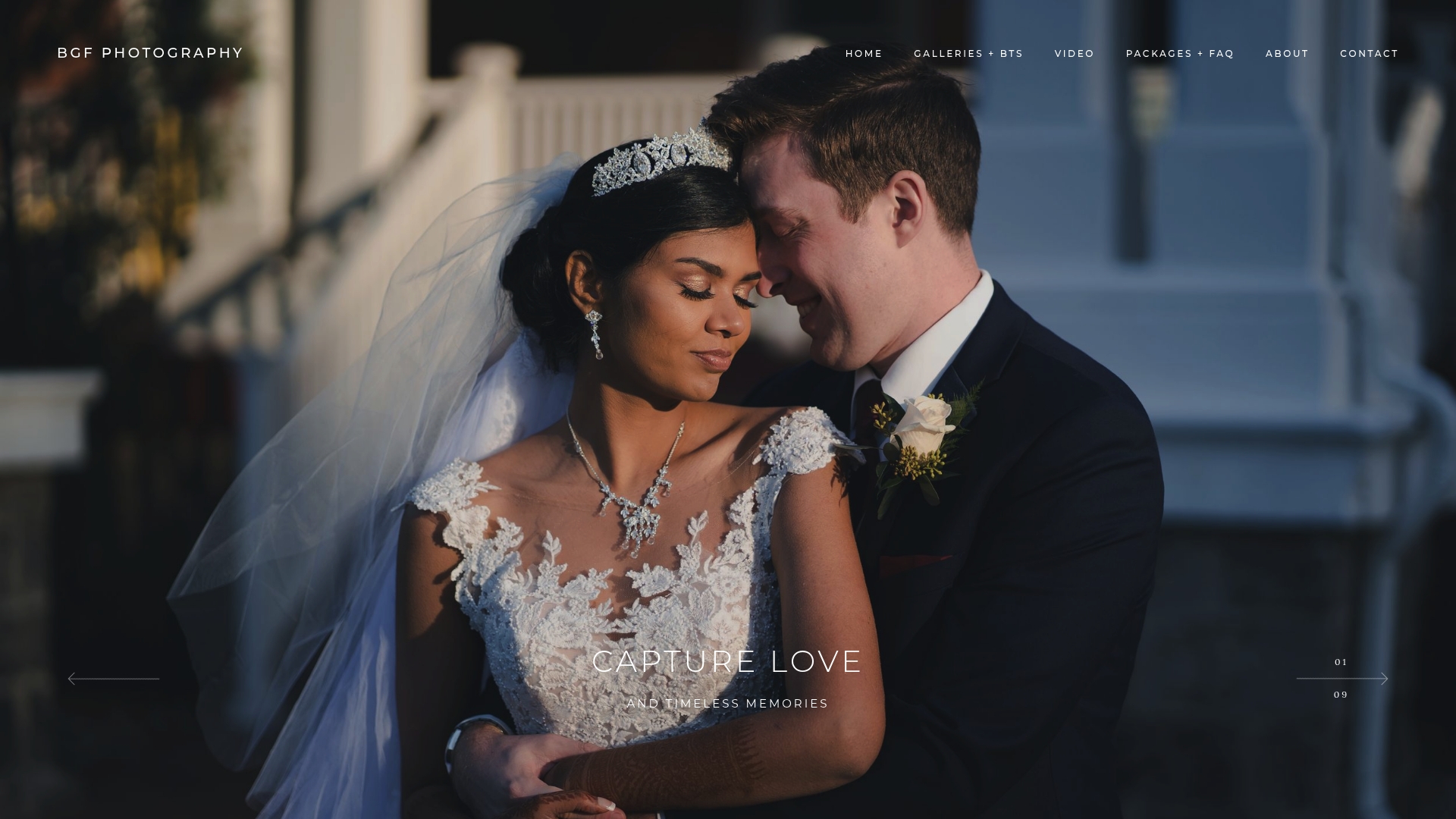
If you already have a date, visit our site to start the conversation, and we will help you figure out the right mix of coverage for your day.
FAQ
Is it worth having a videographer at your wedding?
For many couples, yes. Video preserves sound and motion that photos cannot: vows, toasts, laughter and the feel of the dance floor. Around 37% of U.S. couples hired a videographer in The Knot's 2026 study. If voices and atmosphere matter to you, video is worth planning for.
What percentage of weddings hire a videographer?
The Knot's 2026 Real Weddings Study, which surveyed 10,474 U.S. couples married in 2025, reports that 37% hired a videographer and 88% hired a photographer. Photography is nearly universal, while video is a common but optional addition.
Is $4,000 a lot for a wedding photographer?
It is above the national average. The Knot's 2026 study puts the average U.S. wedding photographer at $3,000, with the upper quartile at $4,700. So $4,000 sits in the upper half of the market. Price depends on region, hours of coverage and deliverables, so compare what is included.
Can one team shoot both photo and video?
Yes. That is hybrid coverage, where one team captures stills and video during the same day. It keeps the style cohesive and simplifies planning. A short highlight film is a natural fit, while a full-length film may call for dedicated video coverage.
What is harder, videography or photography?
They are hard in different ways. Video demands more planning and post-production, while photography relies heavily on timing and composition. Neither is easy, which is why the experience of the team matters more than the label.
Sources
- Wedding Photography Statistics 2026: Every Number Sourced
- Wedding Photographer vs. Videographer: Do You Need Both?
- Wedding Photography vs. Videography: Pros and Cons (PetaPixel)
- Hybrid Wedding Photography: Should You Offer Stills and Video?
- Is Wedding Video Worth It? 2025 Guide
- How Much Is a Photographer and Videographer for a Wedding
- Videographer vs Photographer for Your Wedding